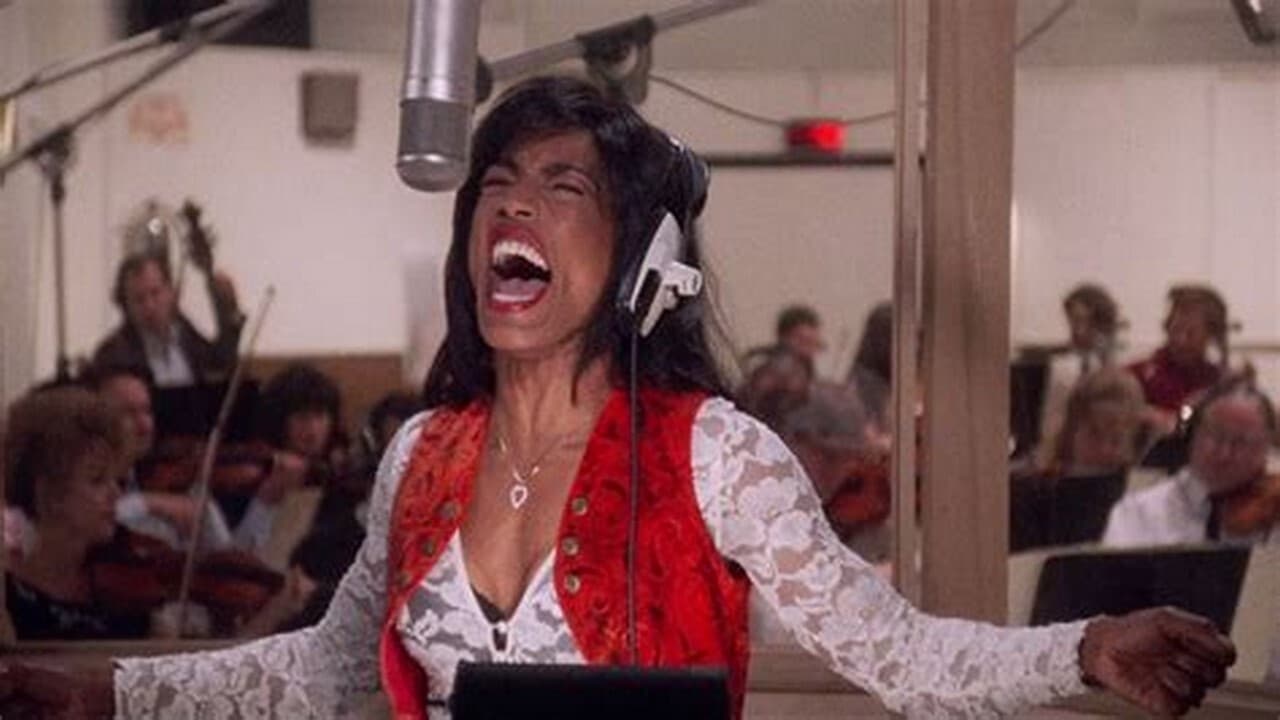
It starts with the energy, doesn't it? That kinetic force Angela Bassett unleashes from the moment she embodies Anna Mae Bullock, transforming into the force of nature that is Tina Turner. Watching What's Love Got to Do with It again, decades after its 1993 release, that initial jolt remains just as potent. It’s more than mimicry; it’s a channeling, a capturing of lightning in a bottle that felt seismic back then and retains its power now. This wasn't just another biopic pulled from the shelves of the video store; it felt like witnessing something raw, vital, and incredibly brave unfold on that flickering CRT screen.
### From Church Choir to Center Stage
Based on Tina Turner's searingly honest autobiography "I, Tina," co-written with Kurt Loder, the film, directed by Brian Gibson (known previously for Poltergeist II: The Other Side) and adapted by Kate Lanier, pulls no punches. It charts the familiar trajectory of a music biopic – humble beginnings, rising talent, the whirlwind of fame – but anchors it firmly in the harrowing reality of Tina's relationship with Ike Turner, portrayed with terrifying conviction by Laurence Fishburne. The story itself is one of incredible resilience, tracing the journey from Nutbush, Tennessee, to global superstardom, but it’s the darkness shadowing that ascent that gives the film its undeniable weight.
### A Volcano of Talent: Bassett and Fishburne
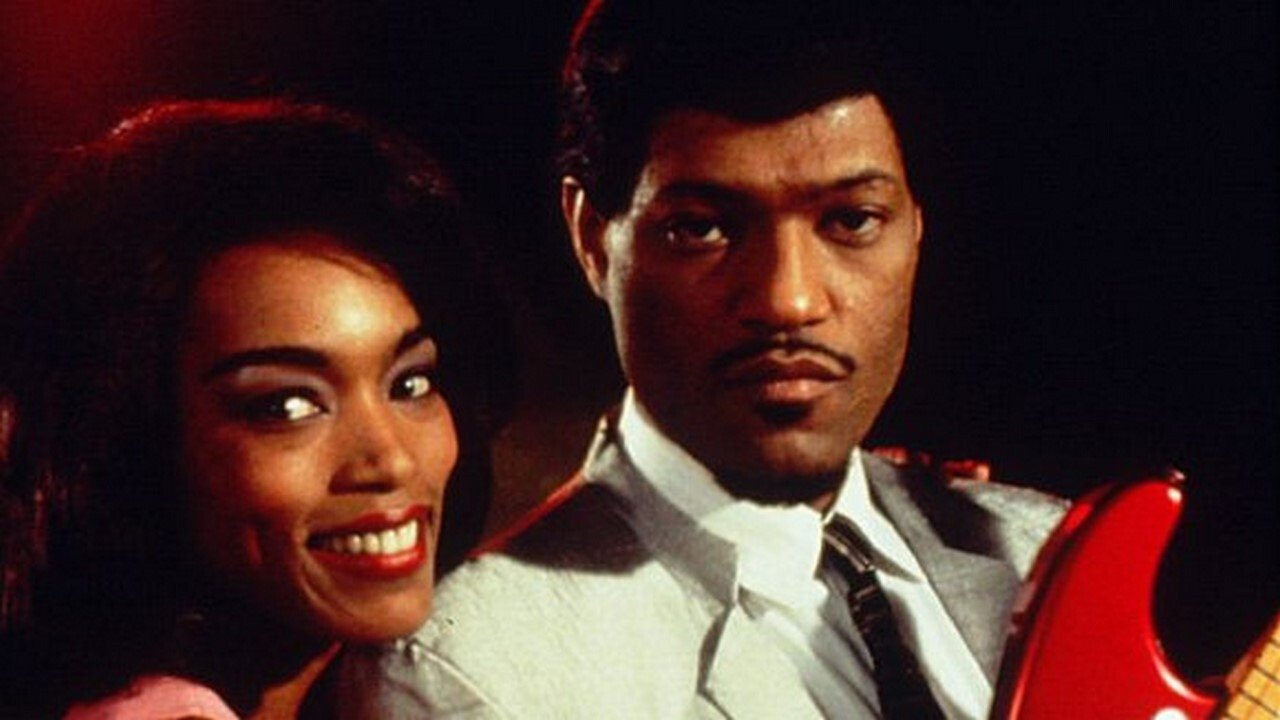
Let's be honest, the absolute core of What's Love Got to Do with It lies in its two central performances, both rightfully earning Academy Award nominations. Angela Bassett’s portrayal is a landmark. The physical transformation is astonishing – the sculpted arms, the ferocious stage presence – but it’s the emotional depth she conveys that truly resonates. You see the flicker of fear behind the defiant eyes, the vulnerability beneath the powerhouse vocals (even though Bassett lip-syncs, flawlessly, to Tina's own re-recorded tracks for the film – a savvy move that lent authenticity). Apparently, Bassett trained so intensely, working with Tina Turner's actual choreographer, that she fractured her hand during filming but carried on. That dedication bleeds through the screen. It’s a performance of staggering commitment, capturing not just the icon, but the survivor.
Equally mesmerizing, though profoundly disturbing, is Laurence Fishburne as Ike Turner. It's a role that could easily slip into monstrous caricature, but Fishburne imbues Ike with a chilling charisma, a manipulative charm that makes his eventual descent into brutal violence all the more horrifying. Fishburne initially turned down the role multiple times, reportedly finding the depiction of abuse too difficult. His eventual acceptance, however, led to one of his most powerful performances, perfectly counterbalancing Bassett's resilience with Ike's volatile control. He doesn't ask for sympathy, but he makes Ike tragically, terrifyingly human. The dynamic between them is electric, fraught with tension and a painful intimacy that makes the abuse sequences almost unbearable to watch, yet impossible to look away from.
### Crafting an Icon's Story
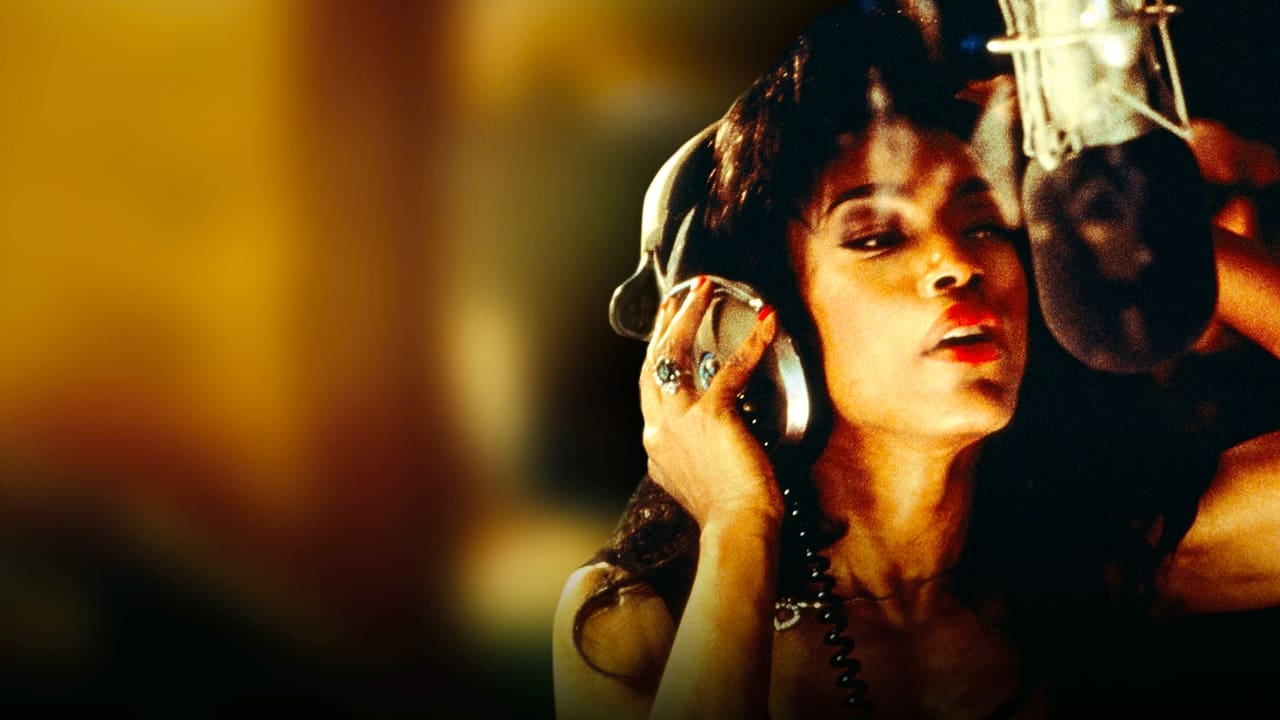
Brian Gibson navigates the difficult tonal shifts with skill. The musical numbers explode with life, capturing the sweat-drenched energy of the Ike & Tina Turner Revue, contrasting sharply with the claustrophobic dread of the private moments. The film effectively uses its soundtrack – a blend of classic Ike & Tina hits and Tina's solo smashes, many re-recorded by Tina herself specifically for the movie – not just as performance pieces, but to underscore the emotional narrative. Remember that soundtrack? It was everywhere in '93, a powerful companion piece to the film itself.
While the film largely sticks to the narrative presented in "I, Tina," some dramatic license was inevitably taken. Tina herself served as a consultant but famously kept some distance, finding it too painful to watch the most traumatic scenes being filmed. Ike Turner, unsurprisingly, disputed his portrayal. Yet, the film's cultural impact was undeniable. It brought the often-hidden subject of domestic violence into mainstream conversation with unflinching honesty, fueled by the star power of its leads and the globally recognized figure at its center. It wasn't just a movie; it felt like an event, grossing a solid $39 million domestically against a reported $15 million budget – a testament to its resonance.
### The Lingering Echo
Watching it now, does it feel dated? Perhaps in some stylistic choices, some of the transitions. But the core emotional truth? That remains timeless. The struggle for self-worth, the courage to break free from abuse, the sheer willpower to redefine oneself – these themes are as relevant today as they were when we first slid that chunky VHS tape into the VCR. I distinctly remember the buzz surrounding the film, the sense that Angela Bassett had delivered something truly special, something that transcended mere acting. What lingers most, perhaps, is that feeling of triumph – not a simple Hollywood ending, but the earned, hard-fought victory of a woman reclaiming her name, her voice, and her life.
It’s a film that asks profound questions about the nature of love, ambition, and survival. How much pain can one person endure? What does it take to finally say "enough"? What's Love Got to Do with It doesn't offer easy answers, but it presents Tina Turner's journey with respect, intensity, and unforgettable performances.
Rating: 9/10
This score is overwhelmingly earned by the tour-de-force performances from Angela Bassett and Laurence Fishburne. They elevate the material beyond a standard biopic into something deeply affecting and powerful. The film’s unflinching portrayal of domestic abuse, combined with the electrifying musical sequences and Tina Turner's incredible story of resilience, makes it a standout achievement of 90s cinema that still packs an emotional wallop.