It begins not with a bang, nor even a whisper, but with the profound weight of silence, settling like dust in the shadowed corners of a 17th-century French estate. All the Mornings of the World (Tous les matins du monde, 1991) doesn't grab you by the collar like so many films vying for attention on the video store shelf; instead, it extends a quiet invitation into a world steeped in melancholy beauty, artistic devotion, and the ghosts of profound loss. Pulling this tape, perhaps nestled between louder action flicks or boisterous comedies, felt like uncovering something different, something that demanded patience and promised a richer, if somber, experience.
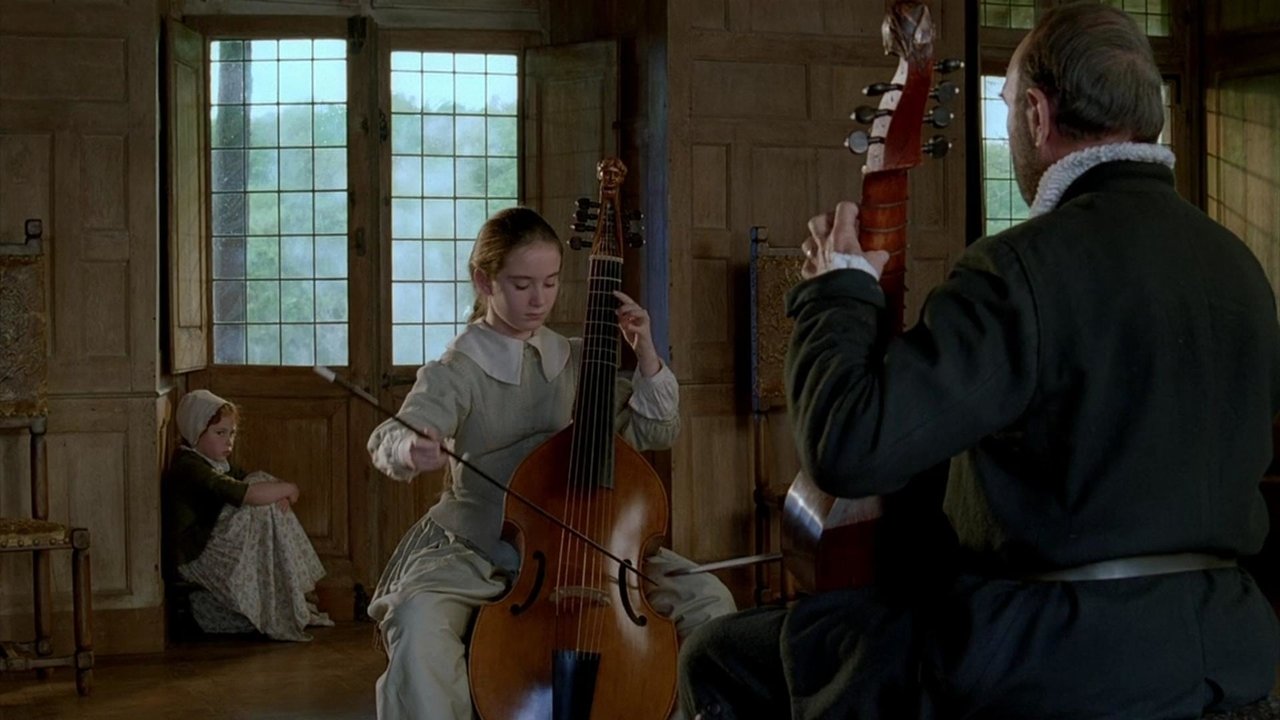
Directed with exquisite restraint by Alain Corneau, working from Pascal Quignard's novel (Quignard also co-wrote the screenplay), the film drifts into the secluded life of Monsieur de Sainte-Colombe (Jean-Pierre Marielle), a composer and master of the viola da gamba who has retreated from the royal court and the world following the death of his wife. He lives in near isolation with his two daughters, Madeleine (Anne Brochet) and Toinette (Carole Richert), pouring his grief and soul into his music, seeking sounds and resonances that transcend the ordinary. This austere existence is disrupted by the arrival of a brash, ambitious young musician, Marin Marais (played as a youth by Guillaume Depardieu and as an older, reflective man by his real-life father, Gérard Depardieu), eager to learn from the legendary master.
A Study in Silence and Sound
What unfolds isn't a conventional narrative but rather a meditation on art, mortality, and the chasm between worldly success and authentic expression. Corneau uses stillness and shadow like instruments themselves. The cinematography by Yves Angelo is painterly, often evoking the Dutch Masters with its careful compositions and use of natural light filtering through windows or illuminating faces against deep darkness. The world outside Sainte-Colombe's refuge – the glittering but shallow court of Louis XIV – feels distant, almost unreal. His small house, the rustic cabin where he composes, these are the spaces that hold the film's emotional gravity.
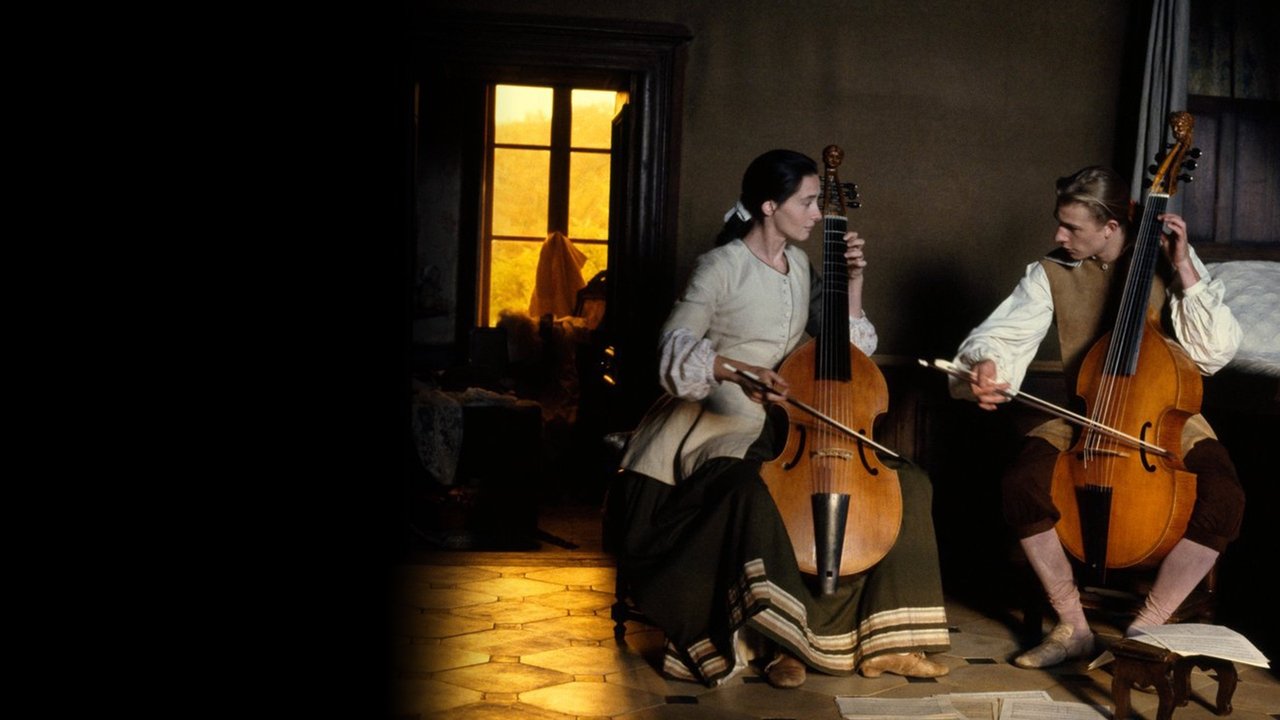
The music, of course, is central. Featuring compositions by Sainte-Colombe, Marais, François Couperin, and Jean-Baptiste Lully, performed with breathtaking authenticity by Jordi Savall and his ensemble Le Concert des Nations, the viola da gamba becomes the voice of unspoken sorrow, longing, and fleeting moments of grace. I remember hearing this soundtrack long before seeing the film – it became an unexpected chart-topper in France, a rare feat for Baroque music. Savall, a leading figure in the historical performance movement, was crucial to the film's authenticity, even coaching the actors on posture and bowing (though the actual playing is his). Hearing those resonant, melancholic notes truly feels like eavesdropping on the past. It’s music that demands you listen, mirroring the film’s contemplative pace.
The Weight of Genius and Grief
The performances are anchors in the film's quiet intensity. Jean-Pierre Marielle is simply magnificent as Sainte-Colombe. His portrayal is one of immense gravity and contained grief; a man walled off by sorrow, whose only true communion is with his instrument and the memory of his wife, who appears to him in haunting visitations. His severity isn't mere cruelty; it stems from a profound disillusionment with a world that cannot grasp the spiritual depth he seeks in his music. Marielle, a veteran often known for more outwardly expressive roles, achieves something profound in this inward performance, earning him a César Award for Best Actor.
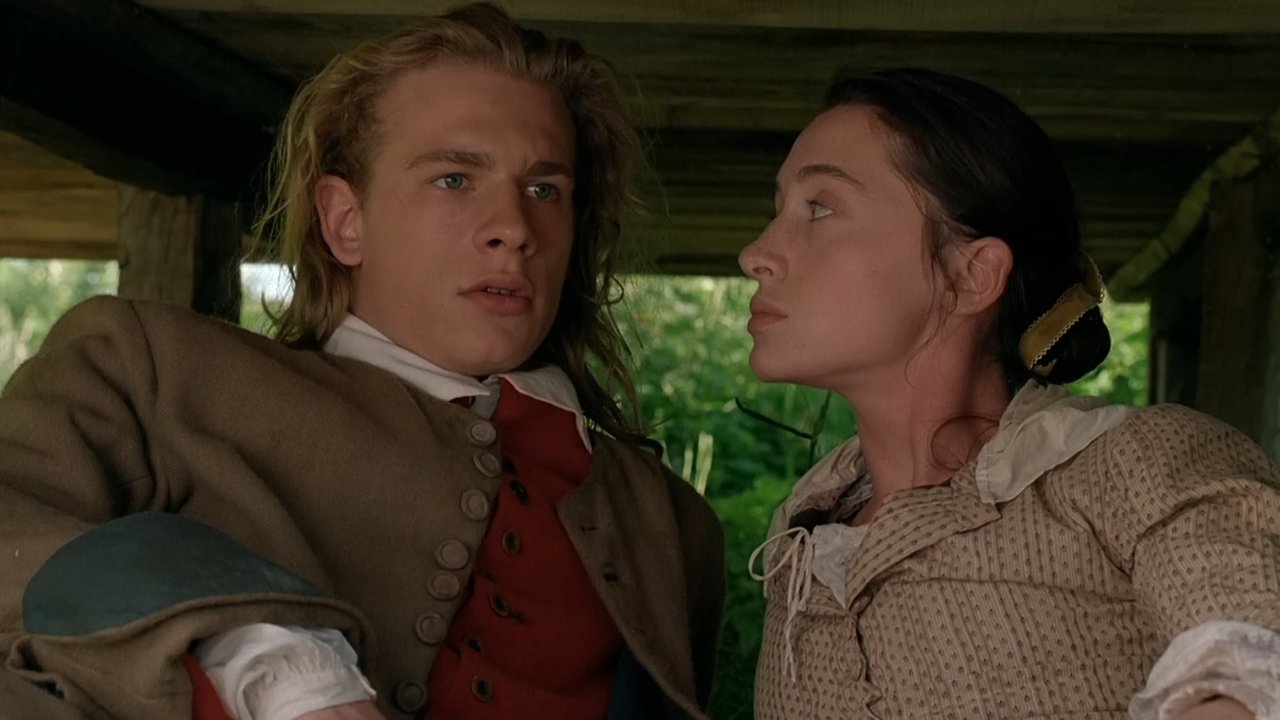
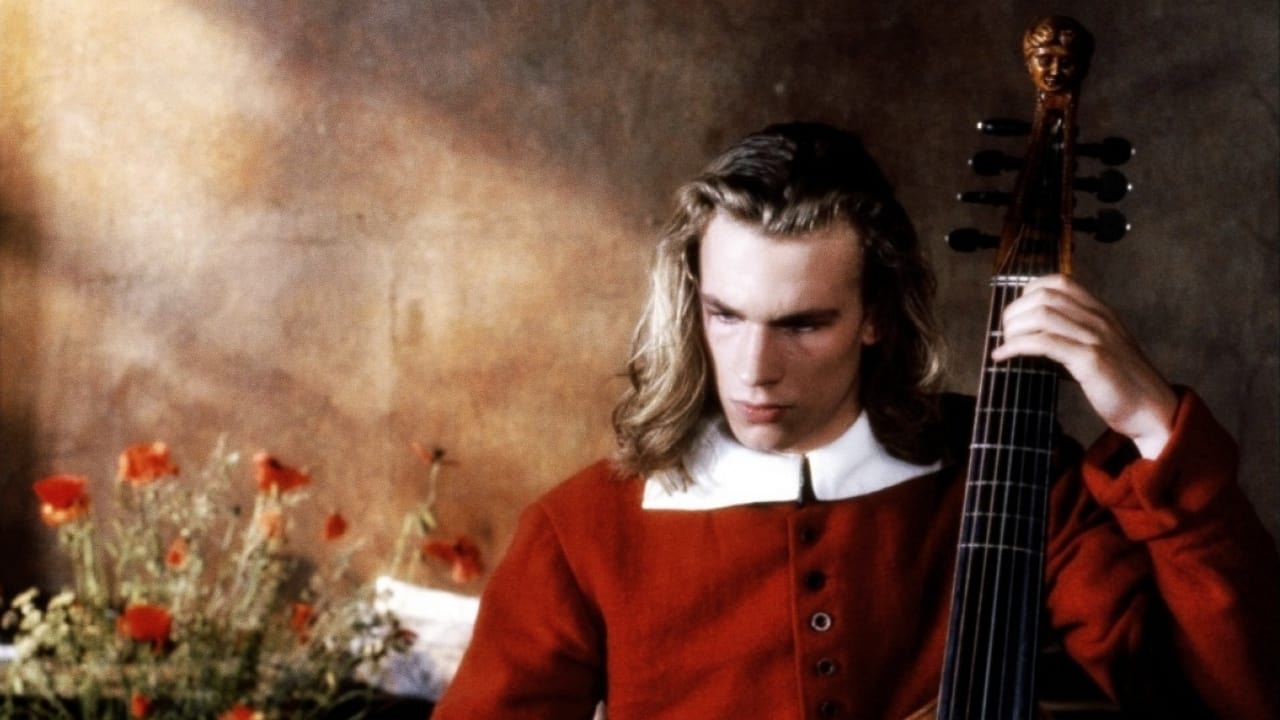
Gérard Depardieu, as the elder Marais looking back, provides the framing narrative. His Marais is a man who achieved the fame and courtly success his master shunned, yet carries a sense of something lost, a nagging awareness of the deeper artistic truth he glimpsed but perhaps couldn't fully embrace. Guillaume Depardieu captures the youthful arrogance and burgeoning talent of the young Marais, creating a believable friction with Marielle's immovable master. And Anne Brochet as Madeleine is heartbreaking, her initial devotion to her father and later complicated love for Marais etched with vulnerability and quiet despair. Her fate becomes one of the film's most poignant illustrations of the human cost orbiting Sainte-Colombe's obsessive genius.
Echoes Beyond the Screen
All the Mornings of the World wasn't just a critical success (sweeping the Césars with seven wins, including Best Film and Best Director for Corneau); it was a cultural moment, particularly in France. It brought the viola da gamba, an instrument largely relegated to historical music enthusiasts, into mainstream awareness. It reminded audiences that films could be slow, meditative, and visually sumptuous without sacrificing emotional power. Watching it again now, decades removed from its initial release, its power hasn't diminished. If anything, its themes of artistic integrity versus ambition, of grappling with loss through creation, feel even more resonant.
It's a film that doesn't offer easy answers. Does Sainte-Colombe's devotion justify his isolation and the pain he causes? Is Marais's success inherently hollow? The film lets these questions linger, much like the final notes of a gamba fading into silence. It explores the idea that perhaps the greatest art comes from the deepest wounds, a notion both romantic and unsettling.
Rating: 9/10
This score reflects the film's exceptional artistry, from the powerhouse performances (especially Marielle's career-defining turn) and masterful direction to the evocative cinematography and the unforgettable score that acts as the film's soul. The pacing is deliberate and may test impatient viewers, preventing a perfect score for some, but its immersive atmosphere and thematic depth are undeniable. All the Mornings of the World is a rare gem from the VHS era – a quiet masterpiece that resonates long after the screen goes dark, leaving you contemplating the relationship between sorrow, beauty, and the sounds we leave behind. It’s a film that truly embodies the idea of cinema as art.