Here we go, let's dim the lights and slide another tape into the VCR...
### A Tasmanian Devil in Paris
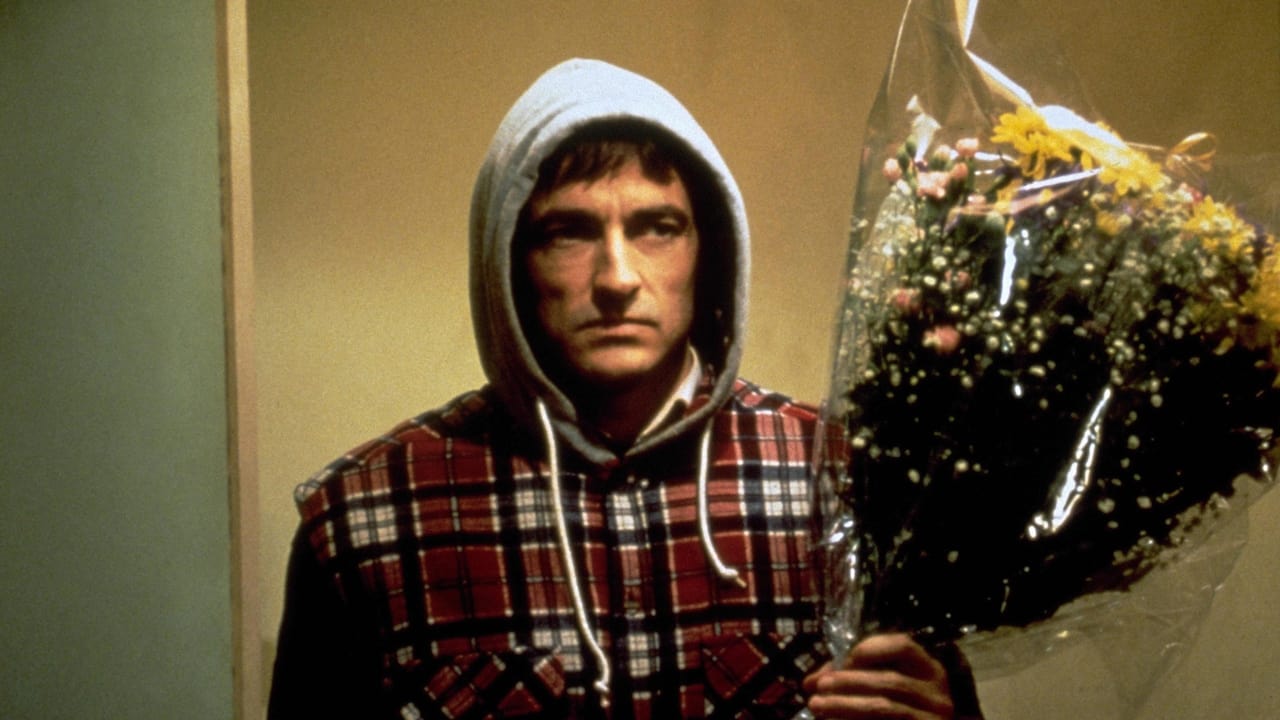
Imagine a feral child raised entirely on discarded tabloid headlines, institutional routine, and the flickering cathode ray glow of bad television, suddenly unleashed upon an unsuspecting Paris. That barely scratches the surface of the whirlwind of misplaced fury and naive destruction that is Bernie Noël, the titular force of nature in Albert Dupontel's explosive 1996 directorial debut, Bernie. Watching it again after all these years, perhaps on a worn-out VHS acquired through some hushed back-room exchange at a video store specializing in the truly out there, is to be reminded that some cinematic Molotov cocktails retain their shock value, undiluted by time.
Bernie (played with terrifying, go-for-broke commitment by Dupontel himself, who also wrote and directed) is a 30-year-old orphan spat out by the system. His understanding of the world is profoundly, dangerously warped. He believes his parents abandoned him because they were cosmopolitan spies pursued by shadowy forces, a fiction cobbled together from scraps of information and his own desperate imagination. Armed with this conviction, a shovel (his primary tool for problem-solving), a ridiculously oversized trench coat, and a complete lack of social graces or impulse control, Bernie embarks on a mission: find his parents, reunite his family, and live happily ever after. The reality, of course, is far more sordid and tragically mundane, but Bernie isn't one to let facts get in the way of his deeply flawed narrative.
Collision Course with Reality
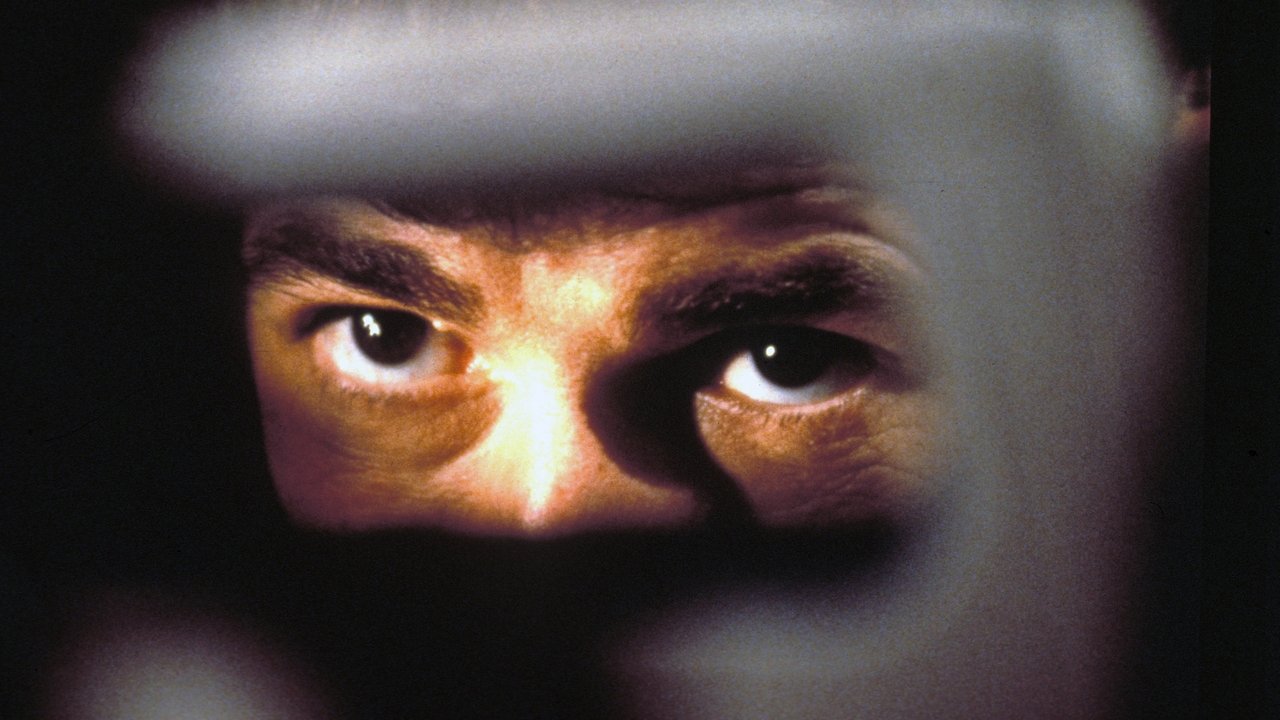
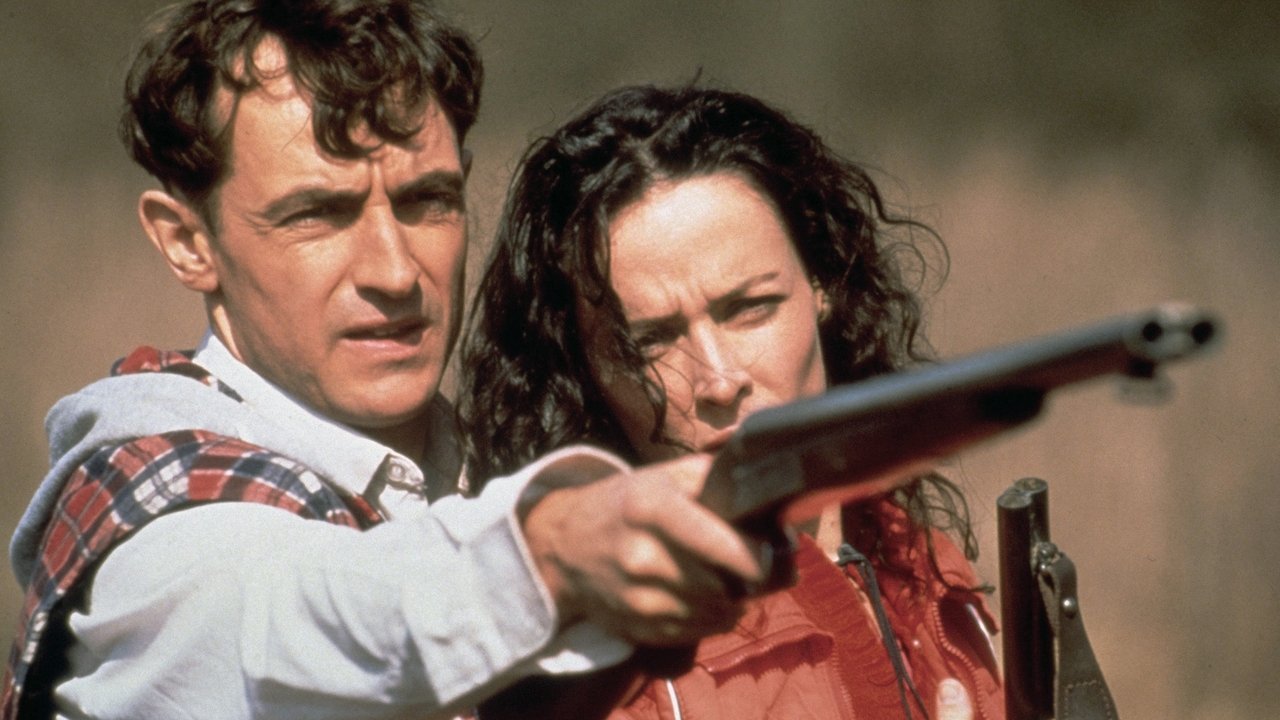
What follows is less a heartwarming quest and more a relentless, darkly comedic descent into chaos. Bernie's interactions with the world are almost uniformly violent and destructive. He kidnaps a potential father figure, Monsieur Clermont (Roland Blanche, radiating weary exasperation), terrorizes a downtrodden junkie named Marion (Claude Perron, bringing a fragile humanity to the anarchy) into becoming his girlfriend, and generally leaves a trail of bewildered victims and property damage in his wake.
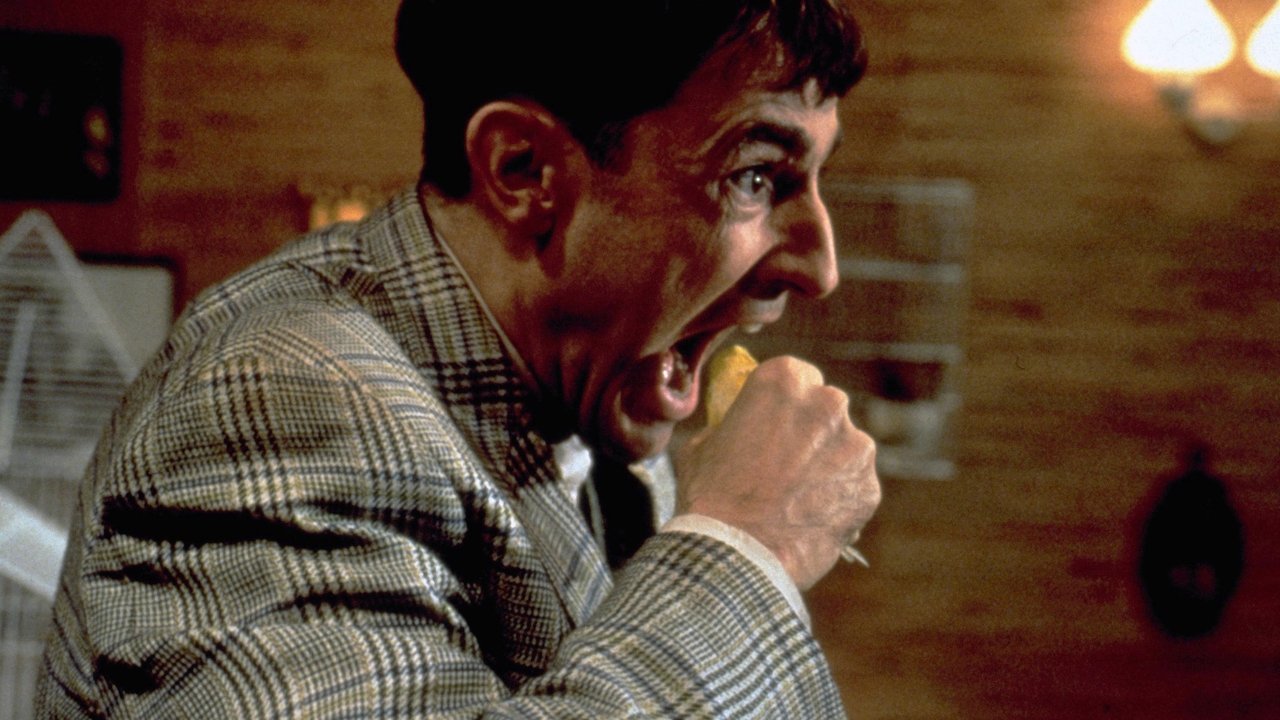
It sounds grim, and often it is. Dupontel, known even then for his intense stage presence and later for directing challenging films like Irreversible (2002) (which he starred in, directed by Gaspar Noé) and Au revoir là-haut (2017), pulls absolutely no punches. The violence is sudden, brutal, and presented with a jarring lack of sentimentality. Yet, woven through this bleak tapestry is a vein of pitch-black, almost absurdist humour. It stems from Bernie's utter conviction in his ludicrous worldview, the sheer inappropriateness of his actions, and the often deadpan reactions of those caught in his orbit. Is it funny? Sometimes, in a way that makes you question your own moral compass.
The Method in the Madness
Albert Dupontel's performance is the film. It's a physically demanding, utterly fearless portrayal of arrested development fused with simmering rage. Apparently, Dupontel drew inspiration from a brief news item ('fait divers') about an orphan's troubled trajectory and insisted on performing many of his own dangerous stunts, including being dragged by a car, adding a layer of unnerving authenticity to the mayhem. You can almost feel the bruises forming as you watch him careen through scenes. His Bernie isn't just misguided; he's a force of pure, unadulterated id, incapable of understanding consequences, driven by a child's simplistic desires amplified to monstrous proportions.
The filmmaking itself mirrors Bernie's fractured state of mind. The editing is often frantic, the camera work kinetic, reflecting the protagonist's volatile energy. There's a raw, almost punk-rock aesthetic to the proceedings, fitting for a low-budget debut feature (reportedly made for around $2.5 million) that somehow stormed the French box office, pulling in nearly a million viewers despite – or perhaps because of – its confrontational nature. It feels like a film made with urgent necessity, heedless of convention or good taste.
Not for the Faint of Heart (Or Easily Offended)
Let's be clear: Bernie is not a comfortable watch. It’s abrasive, confrontational, and its blend of extreme violence and bleak comedy will undoubtedly repel many viewers. Finding this on VHS back in the day often felt like discovering contraband, something illicit and strange that wasn't meant for mainstream consumption. It lacks the polish and arguably the deeper satirical edge of something like Belgium's Man Bites Dog (1992), another notorious dark comedy from the era, but it possesses a unique, unhinged energy all its own.
What lingers after the chaotic credits roll? Perhaps it's the audacity of it all – the sheer nerve Dupontel had in unleashing this character and this story onto the world as his first film. Or maybe it’s the unsettling questions it raises about nurture versus nature, the impact of isolation, and the dangerous allure of self-created narratives. Does Bernie's warped quest offer some twisted reflection on society's own discarded individuals? The film doesn't offer easy answers, preferring instead to leave you reeling from the impact.
***

Rating: 7/10
Justification: Bernie earns a solid 7 primarily for its sheer, unapologetic audacity and Albert Dupontel's astonishingly committed central performance. It's a raw, unforgettable piece of cult filmmaking that takes immense risks, delivering a potent cocktail of shock and dark, uncomfortable laughter. Its low budget origins only amplify its punk spirit. However, the relentless violence and bleakness, combined with a sometimes one-note trajectory for its protagonist, prevent it from reaching higher. It's a fascinating, challenging artifact of 90s French cinema, but decidedly not for everyone.
Final Thought: A cinematic hand grenade tossed into the polite drawing-room of French film, Bernie remains a potent reminder of how truly transgressive and unsettling comedy can be, especially when viewed through the fuzzy, unpredictable lens of a well-worn VHS tape.