Alright, let's dust off a real gem from the back shelves of the video store, a flick that maybe didn't explode at the box office but earned its stripes on countless late-night TV airings and worn-out VHS tapes. I'm talking about 1992's "Diggstown", a sharp, slick, and surprisingly tough little movie that blends the con artist hustle with the gritty world of small-town boxing. If you stumbled upon this one back in the day, maybe tucked between bigger-name rentals, you likely walked away with a grin, feeling like you’d discovered something genuinely clever.
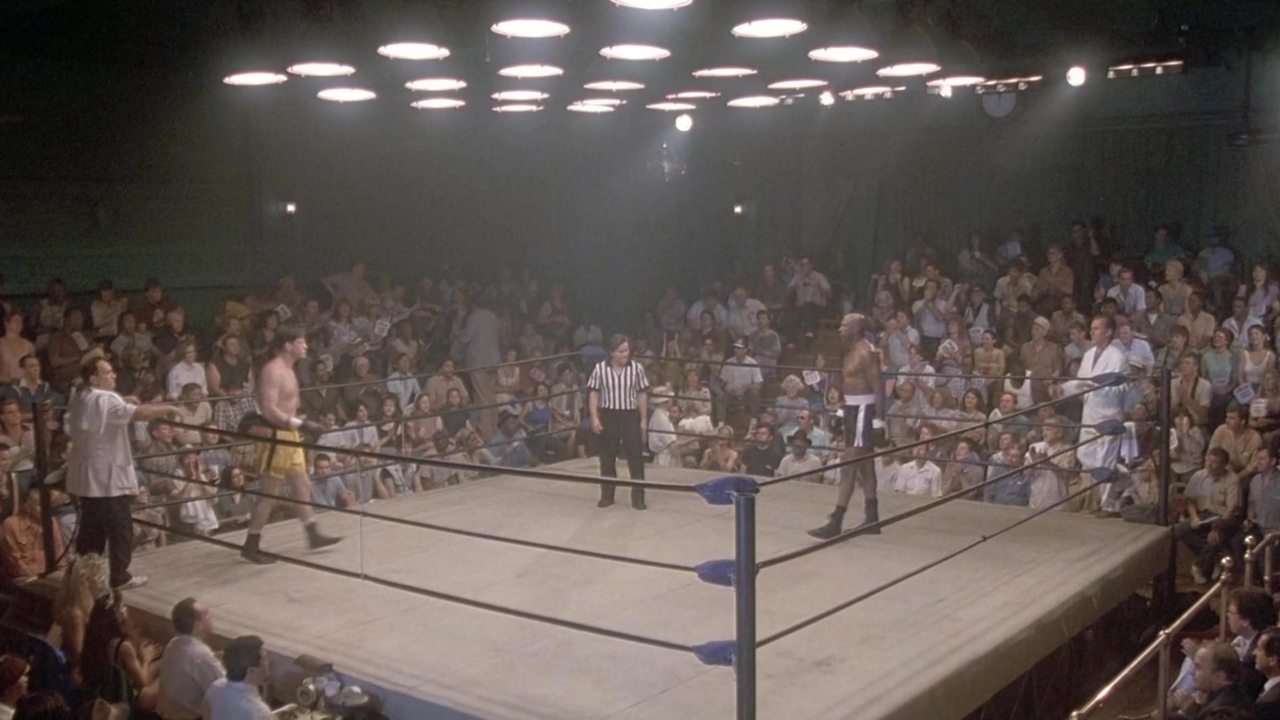
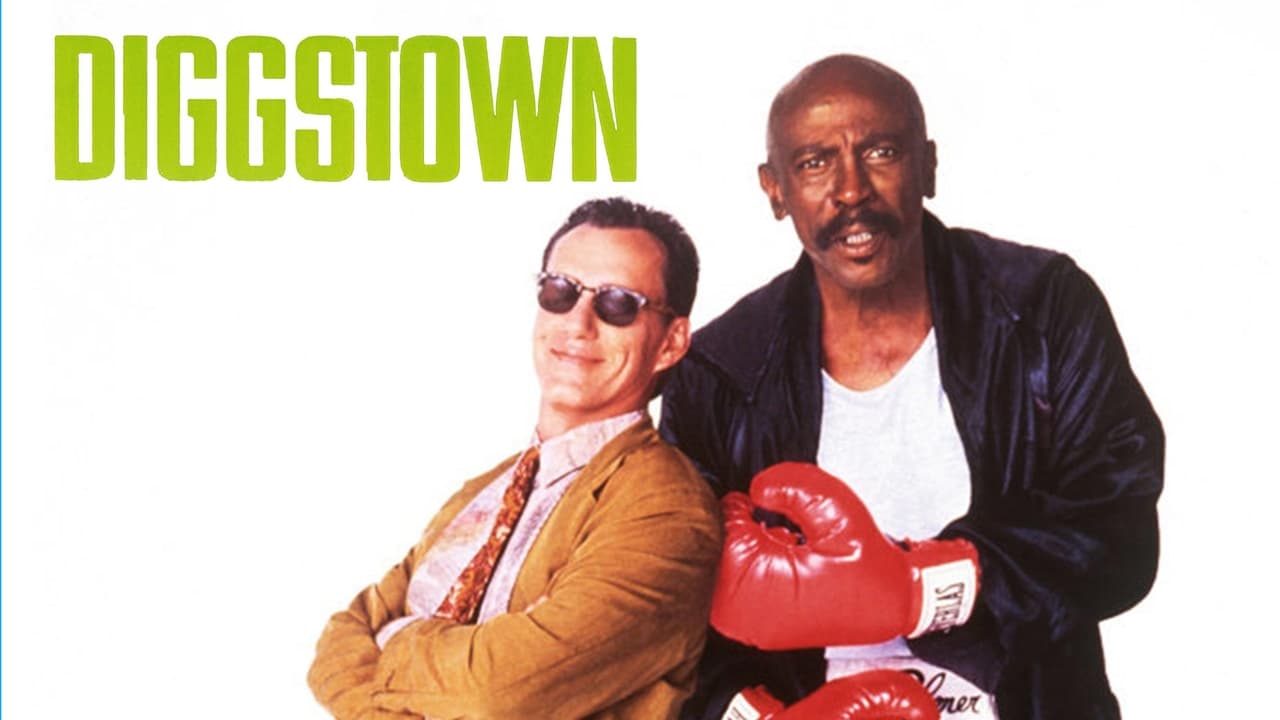
The setup hits you like a clean right hook: Fresh out of the joint, Gabriel Caine (James Woods, oozing that perfect blend of sleaze and smarts he mastered in the 80s and 90s) drifts into the titular Diggstown. This isn't just any Southern backwater; it's a town practically owned by the sneering, corrupt boxing promoter John Gillon (Bruce Dern at his villainous best). Gillon loves boxing, gambling, and power, preferably all at once. Caine, ever the opportunist, sees an angle and cooks up an outrageous wager: his fighter can defeat ten of Diggstown's best men in a single 24-hour period. The catch? His fighter is the aging, seemingly over-the-hill "Honey" Roy Palmer (Louis Gossett Jr.).
The Hustle and the Heart
This is where Diggstown really finds its rhythm. It’s not just a sports movie; it's a top-tier con film, guided by the steady hand of director Michael Ritchie. If that name rings a bell, it should – Ritchie gave us classics like The Bad News Bears and Fletch, films known for their wit and slightly cynical charm, often exploring the quirks of American competition. Here, he applies that lens to the smoky backrooms and dusty rings of Diggstown. The script, adapted by Steven McKay from Leonard Wise’s novel "The Diggstown Ringers," is packed with sharp dialogue and satisfying twists that keep you guessing alongside the increasingly desperate Gillon.
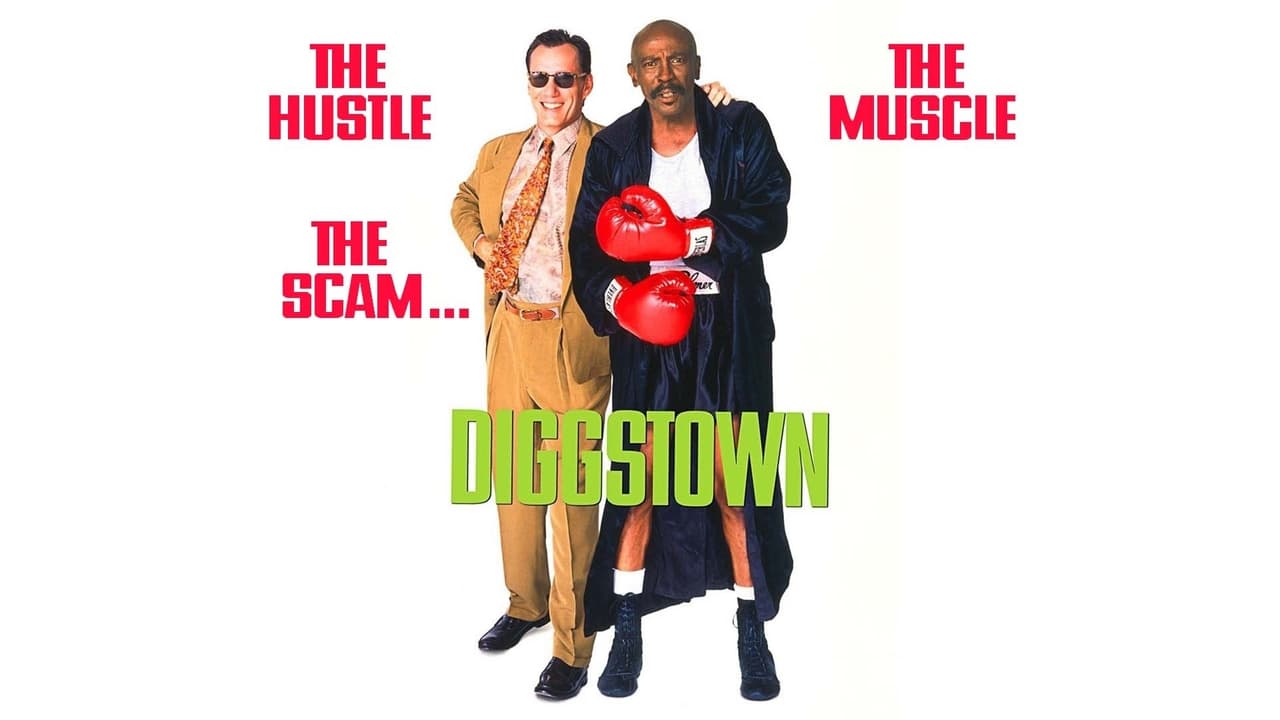
Woods is perfectly cast as Caine. He’s magnetic – you know he’s running a game, but you can’t help but be drawn into his confidence. But the film’s soul belongs to Louis Gossett Jr. as Honey Roy. Remember, Gossett Jr. was already an Oscar winner for An Officer and a Gentleman (1982), and he brings incredible gravity and physical presence to Palmer. Playing a character supposedly pushing 50, Gossett Jr. himself was nearing 56 during filming, and that age adds a palpable layer of realism to the monumental task ahead of Honey Roy. Forget fancy wirework or CGI – Gossett Jr. trained hard and reportedly did a significant amount of his own boxing, lending the fight scenes a grounded, believable intensity.
Ten Fights, Twenty-Four Hours, Zero CGI
Let’s talk about those fights because they are the core of the impossible bet. Ritchie doesn't stage them like epic Rocky showdowns. Instead, they feel tactical, brutal, and exhausting. You feel the accumulation of punishment on Honey Roy. Remember how real those punches looked back then? The sweat stinging eyes, the grimaces of pain – it was all practical. Stunt performers took real hits (padded, of course!), and the camera work often stays tight, emphasizing the claustrophobic nature of the ring and the sheer physical toll. Watching it now, there’s a raw energy that modern, slicker action sequences sometimes miss. It wasn't about impossible physics; it was about endurance, strategy, and pure grit. Filming ten distinct boxing matches, each needing its own feel and outcome within the larger narrative, was no small feat for Ritchie and the stunt coordinators.
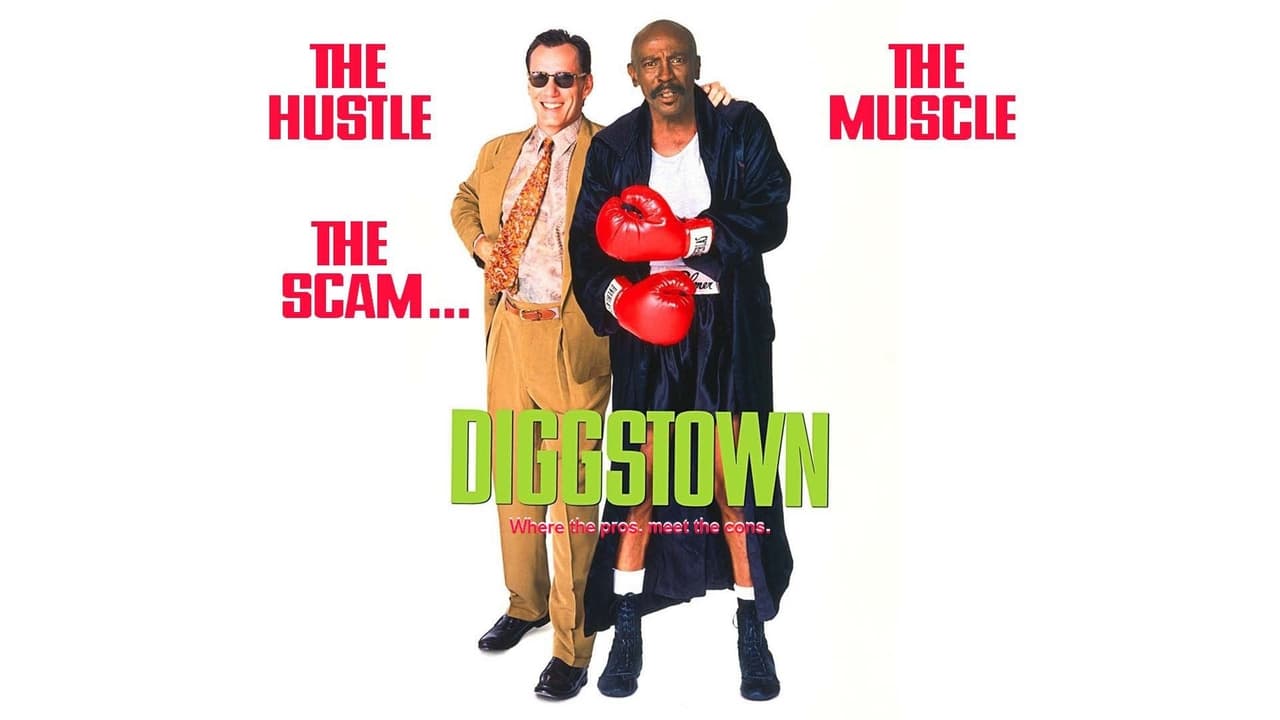
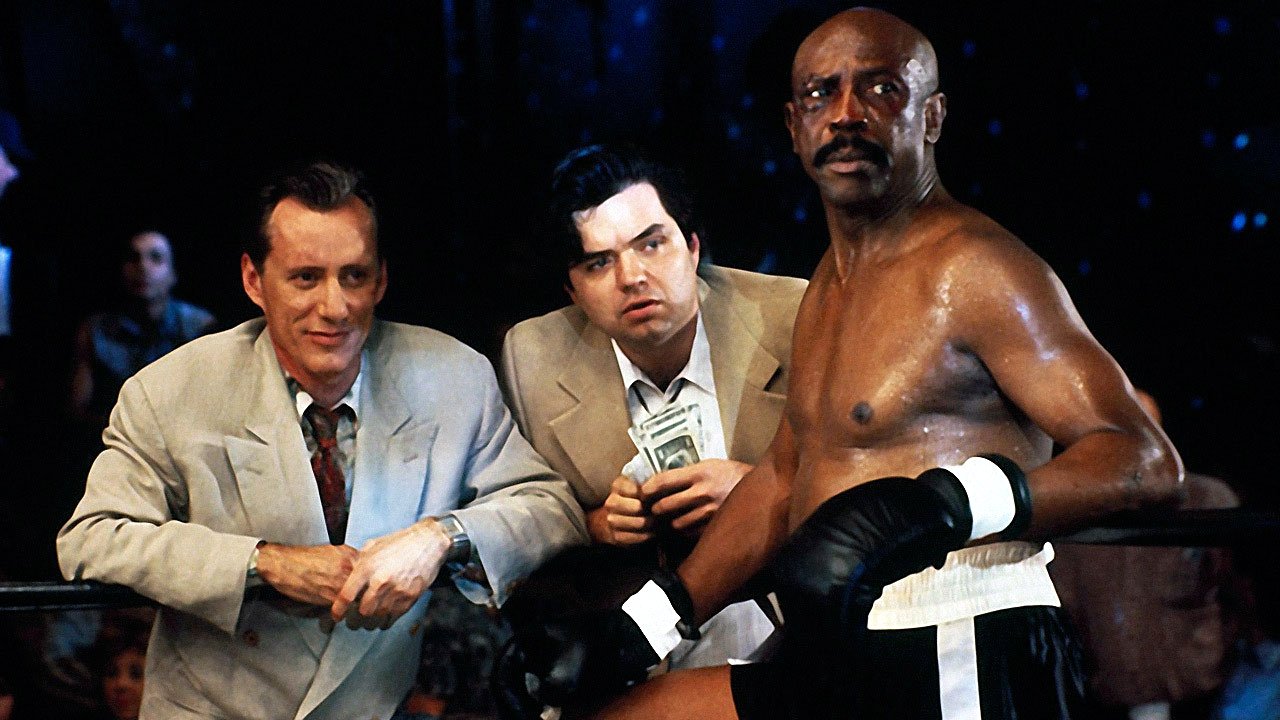
The supporting cast adds flavor too. A young Heather Graham plays Caine’s accomplice, and the ever-reliable Oliver Platt provides some excellent comic relief as Fitz, Caine’s slightly bewildered sidekick trying to keep track of the escalating chaos. The film cleverly uses the various fighters Honey Roy faces not just as obstacles, but as windows into the desperate, Gillon-controlled ecosystem of Diggstown. And finding the right look for that town was key; interestingly, while set in Georgia, much of Diggstown was actually filmed in the towns of Libby and Butte, Montana, giving it that distinct, slightly isolated feel.
That Underrated VHS Charm
Diggstown faced a tough fight at the box office, sadly underperforming despite decent reviews. Its $17 million budget was a decent chunk of change in '92, and the $4.8 million return wasn't what the studio hoped for. But like so many great films of the era, it found its audience where movie magic truly happened for many of us: on home video and cable. It became a word-of-mouth favorite, the kind of movie you'd recommend to a friend with a knowing nod – "Trust me, you gotta see this one." It’s a testament to the sharp writing, Ritchie's assured direction, and the fantastic lead performances. The score by the legendary James Newton Howard also deserves a mention, subtly building tension and adding a touch of bluesy atmosphere without ever overpowering the action or dialogue.
It expertly balances the intricate plotting of the con with the physical demands of the boxing challenge, making you root for both the mastermind and the muscle. Woods provides the sizzle, Dern the snarl, but it’s Gossett Jr. who gives the film its powerful, beating heart.
***
VHS Heaven Rating: 8/10
The Score Explained: Diggstown earns a solid 8 for its clever script, fantastic performances (especially from Woods and Gossett Jr.), Michael Ritchie's slick direction, and its satisfying blend of con-artist thrills and grounded boxing drama. It holds up remarkably well, feeling smarter and tougher than many of its contemporaries. Points are maybe slightly docked for a slightly predictable overall arc (we kind of know where con movies eventually head), but the journey there is immensely entertaining and well-crafted.
Final Thought: More than just a boxing movie or a heist flick, Diggstown is a perfectly aged slice of early 90s filmmaking – sharp, character-driven, and relying on practical grit over digital flash. Pop this one in (or stream it!), and you'll feel the satisfying snap of a well-sprung trap, VHS-style. A definite rewatch recommendation.