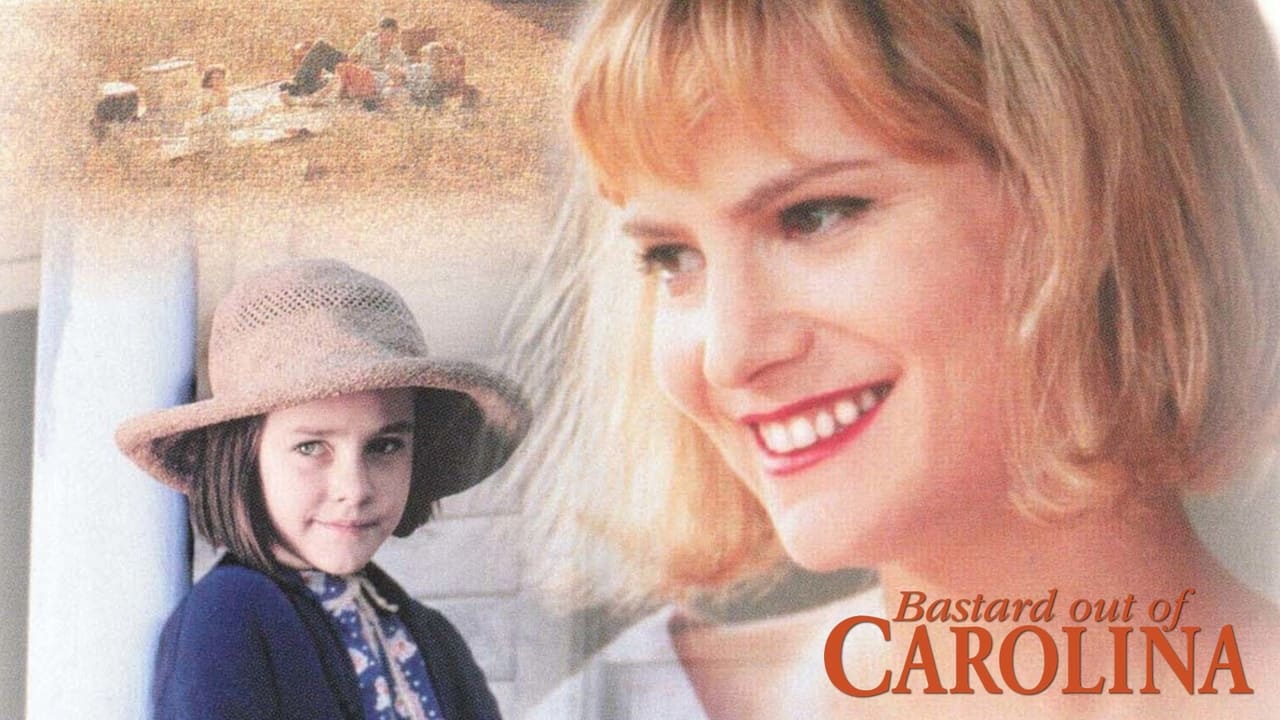
There are some films that don't just flicker on the screen; they sear themselves into your memory. They arrive, not with fanfare, but with a quiet intensity that demands attention, leaving you changed somehow after the credits roll. Anjelica Huston's directorial debut, Bastard Out of Carolina (1996), is precisely that kind of film – a work of harrowing beauty and unflinching honesty that proved too potent for its originally intended network premiere. Remember the stir this one caused? Originally commissioned by TNT, the network ultimately balked at the film's raw depiction of child abuse, deeming it too intense for broadcast. It eventually found a home on Showtime, a move that itself speaks volumes about the film's challenging nature.

A Childhood Framed in Poverty and Pain
Adapted from Dorothy Allison's semi-autobiographical novel, the story unfolds through the eyes of Ruth Anne "Bone" Boatwright, portrayed with astonishing maturity by a young Jena Malone in her first feature film role. We're dropped into the rural South Carolina of the 1950s, a world etched in poverty but rich in the complex tapestry of familial bonds. Bone is the illegitimate daughter – the "bastard" of the title, a label stamped on her birth certificate and a quiet burden she carries – of the fiercely loving but deeply flawed Anney (Jennifer Jason Leigh). Anney works tirelessly, seeking stability and, perhaps more desperately, love and acceptance in a world that often offers neither. Her yearning leads her to Glen Waddell (Ron Eldard), a man whose initial charm curdles into something monstrous.
The Weight of Truthful Performances
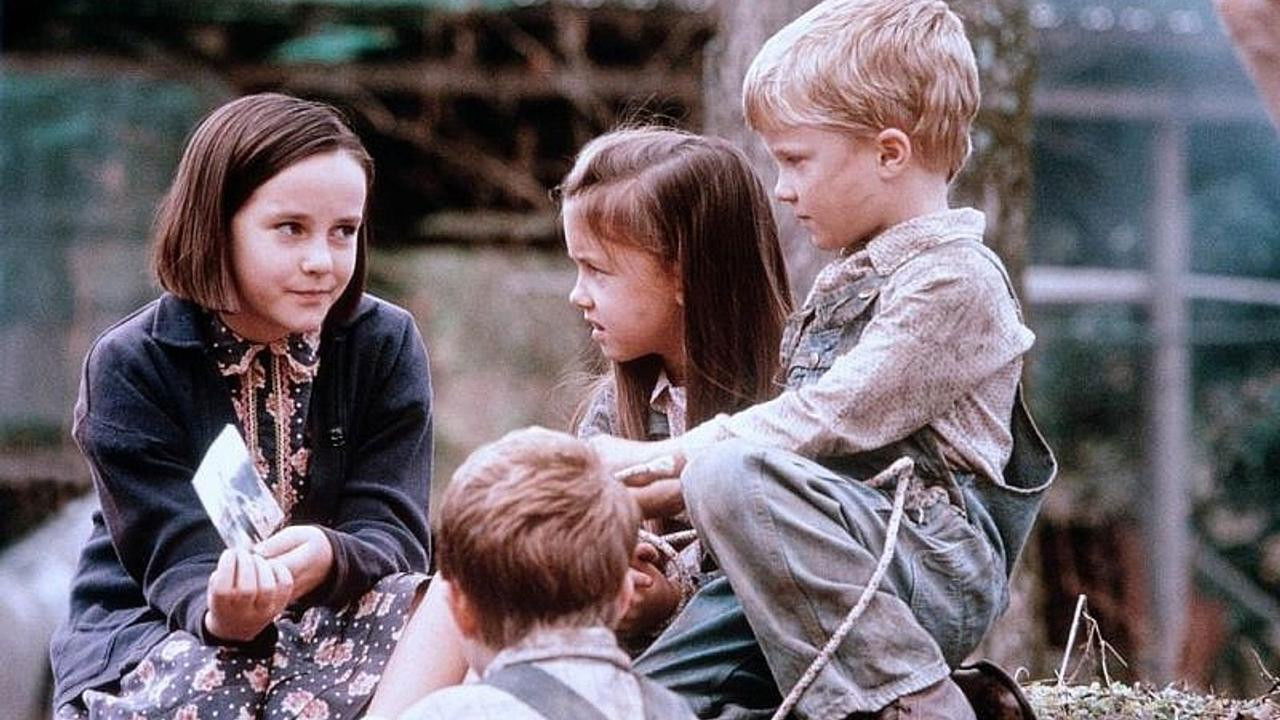
What elevates Bastard Out of Carolina beyond mere grim storytelling is the sheer power of its performances. Jena Malone is nothing short of a revelation. She embodies Bone with a heartbreaking combination of childlike vulnerability and old-soul resilience. We see the world through her watchful eyes – the small joys, the confusing adult behaviors, and the escalating terror. There’s a quiet dignity in her portrayal, a refusal to be defined solely by victimhood, that anchors the entire film. It’s a performance that feels startlingly authentic, capturing the internal landscape of a child navigating unimaginable trauma. It’s hard to believe this was her debut; she commands the screen with a presence far beyond her years.
Jennifer Jason Leigh, an actress never afraid to explore the raw edges of human experience (think Single White Female (1992) or Dolores Claiborne (1995)), delivers a nuanced portrayal of Anney. She captures the character's desperate hope, her fierce maternal love, and the tragic blindness born from her own deep-seated neediness. Anney’s choices are often frustrating, even infuriating, yet Leigh imbues her with enough humanity that we understand, even if we cannot condone, her tragic trajectory. It's a performance that avoids easy judgment, forcing us to confront the complexities of love, denial, and survival.
And then there's Ron Eldard as Glen. His performance is chilling precisely because it starts with such deceptive normalcy. Eldard doesn't play Glen as a one-dimensional villain from the outset. He finds the charm, the easy affection that draws Anney in, making the eventual unveiling of his violent possessiveness and predatory nature all the more terrifying. It’s a difficult role, requiring a descent into darkness that Eldard navigates with unsettling conviction. The chemistry between him and Leigh feels dangerously real, crackling with a tension that underscores the narrative's tragic inevitability.
Huston's Unflinching Gaze
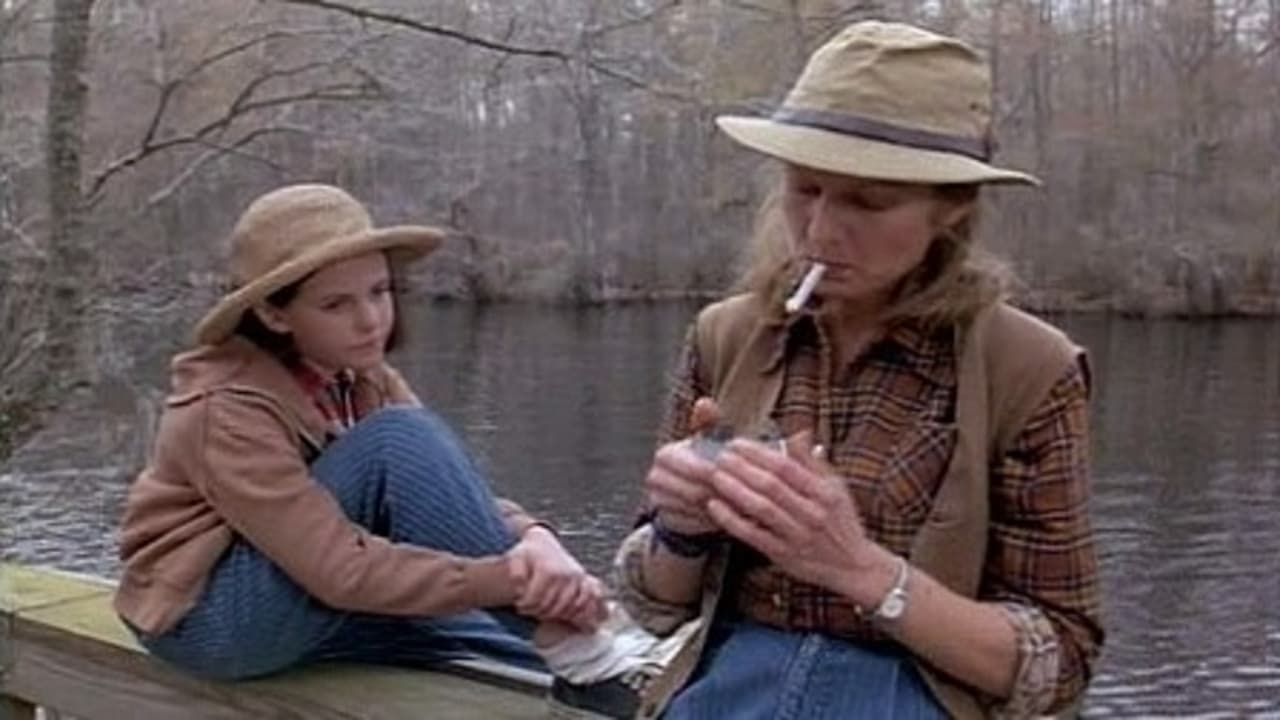
As a first-time director, Anjelica Huston demonstrates remarkable confidence and sensitivity. Having inhabited complex characters herself for decades on screen (from Morticia Addams to her Oscar-winning turn in Prizzi's Honor (1985)), she brings an actor’s understanding to her direction, focusing intently on the emotional truth of her cast. She doesn’t shy away from the brutality inherent in the story, but crucially, she never sensationalizes it. The camera often holds steady, forcing us to bear witness, but its gaze feels observational rather than exploitative. Huston captures the specific atmosphere of the time and place – the humidity, the worn textures of the homes, the constraints placed upon women – creating a world that feels lived-in and tragically real. The decision to shoot on location in North and South Carolina adds immeasurably to this authenticity.
[Spoiler Alert: Discussion of difficult themes ahead]
The film's depiction of Glen's escalating abuse of Bone is undeniably difficult to watch. Huston handles these scenes with a directness that is shocking but necessary. There's no attempt to soften the blows or obscure the horror. This unflinching approach is precisely why the film carries such weight. It refuses to look away from the devastating reality of child abuse and the complex web of denial and societal pressures that can allow it to fester within a family. Does this make it a film one revisits often on a rainy Sunday afternoon? Perhaps not. But its power lies in its refusal to compromise, its insistence on telling a difficult truth. What lingers isn't just the horror, but Bone's enduring spirit, her quiet fight for survival against overwhelming odds.
Legacy of a Difficult Truth
Bastard Out of Carolina wasn't a blockbuster, nor was it ever intended to be. Its journey from acclaimed novel to controversial television movie speaks to the enduring power of storytelling that confronts uncomfortable realities. It remains a testament to Anjelica Huston's directorial courage, Jena Malone's breakout talent, and the enduring resonance of Dorothy Allison's source material. Finding this on a dusty VHS tape or catching that late-night Showtime premiere felt like uncovering something vital, something that television rarely dared to touch back then. It’s a film that asks profound questions about family, poverty, resilience, and the devastating consequences of silence.
Rating: 9/10
This score reflects the film's exceptional craftsmanship, its powerhouse performances (especially Malone's astonishing debut), and its courageous, unflinching handling of profoundly difficult subject matter. While undeniably challenging viewing, its emotional honesty and artistic integrity are undeniable. It's a near-masterpiece of adaptation and direction, losing a single point only perhaps because its intensity makes casual rewatching almost impossible, limiting its place in the regular nostalgic rotation for some.
It leaves you contemplating the strength of the human spirit, even when faced with the deepest darkness, and serves as a stark reminder of the stories that truly need to be told, no matter how difficult they are to hear.