There are films that entertain, films that thrill, and then there are films that crawl under your skin and stay there, unsettling and undeniable. Tim Roth's directorial debut, The War Zone (1999), belongs firmly in that last category. Stepping away from the kinetic energy we knew from his performances in films like Reservoir Dogs (1992) and Pulp Fiction (1994), Roth crafted something stark, quiet, and utterly devastating. It’s a film that arrived near the end of the VHS era, a challenging counterpoint to the often brighter fare lining rental store shelves, demanding a different kind of attention from the viewer.
A Silence Louder Than Bombs
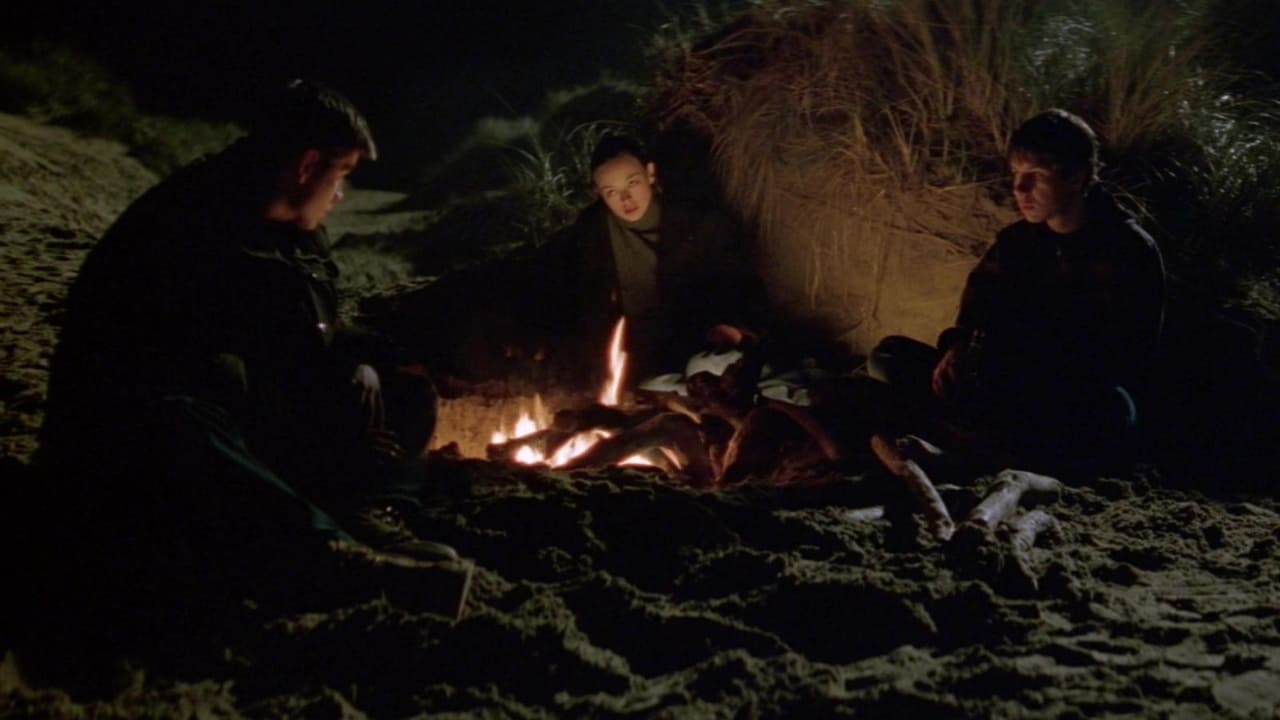
Based on the controversial novel by Alexander Stuart (who also penned the screenplay), The War Zone doesn't announce its horrors with dramatic stings or overt villainy. Instead, it observes. We are introduced to a family – Dad (Ray Winstone), Mum (Tilda Swinton, in a small but crucial role), teenager Jessie (Lara Belmont), and 15-year-old Tom (Freddie Cunliffe) – who have recently moved to the remote, windswept coast of Devon. On the surface, there are attempts at normalcy: unpacking boxes, a new baby arriving, tentative explorations of the isolated landscape. But an oppressive silence hangs heavy in the air, punctuated only by the mundane sounds of life and the crashing waves. It’s Tom, quiet and watchful, through whose eyes we begin to perceive the rot beneath the surface, the terrible secret binding his father and sister.
Roth’s direction is remarkably restrained, almost clinical at times. He often keeps the camera still, letting the actors occupy the frame, forcing us to witness uncomfortable truths without flinching. The bleak beauty of the Devon coast, captured brilliantly by cinematographer Seamus McGarvey, becomes less picturesque and more like a cage, mirroring the emotional imprisonment of the characters. There’s a deliberate lack of exposition; we piece things together through stolen glances, suffocating pauses, and reactions that speak volumes more than dialogue ever could. This isn't a film that explains; it reveals, slowly and painfully.
Performances Forged in Truth
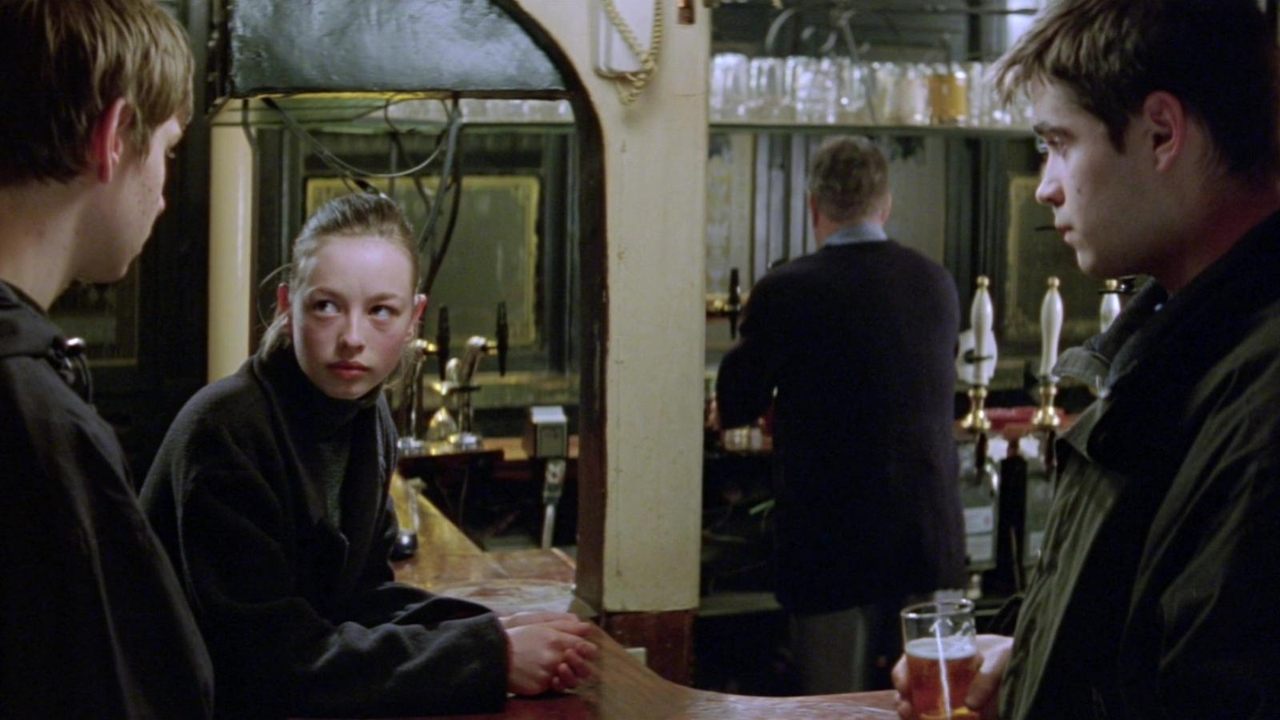
The power of The War Zone rests heavily on its central performances, particularly the young leads. Freddie Cunliffe as Tom is our anchor, his expressive eyes conveying a devastating journey from innocence to horrified understanding. He carries the weight of the film's perspective with remarkable maturity. And then there is Lara Belmont, reportedly discovered by Roth working in a London skate shop with no prior acting experience. Her portrayal of Jessie is astonishingly raw and vulnerable. She embodies the complex trauma of her situation – the forced complicity, the desperate yearning for escape, the moments of fragile defiance – with a truthfulness that is difficult to watch but impossible to look away from.
And Ray Winstone. Known then, as now, for playing tough, often volatile characters (Nil by Mouth (1997) had already cemented that), his performance here is something else entirely. His 'Dad' isn't a snarling monster; he's chillingly ordinary in his monstrosity. He compartmentalises, attempts affection, maintains a semblance of paternal authority, all while perpetrating the unthinkable. Winstone’s genius lies in making the character terrifyingly believable, grounding the film's shocking premise in a recognisably human, albeit deeply damaged, figure. It’s a performance that leverages Winstone's imposing presence but finds its horror in quiet control rather than explosive rage.
A Difficult Legacy
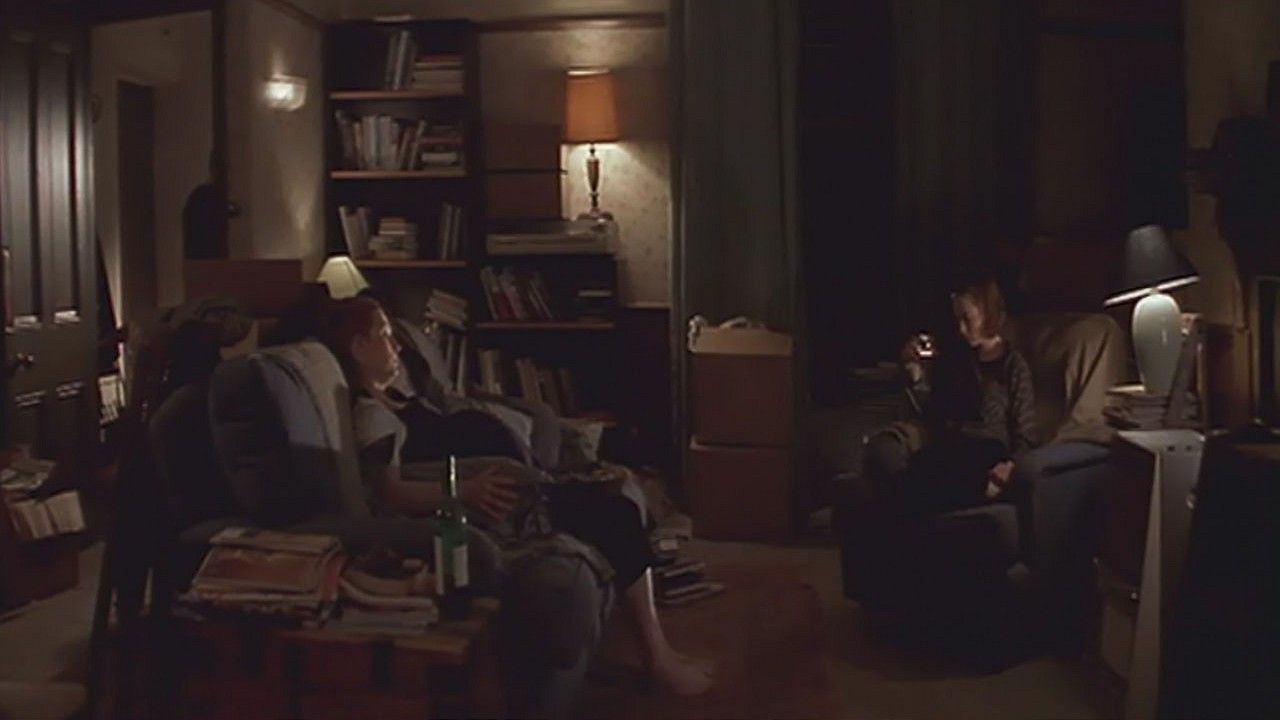
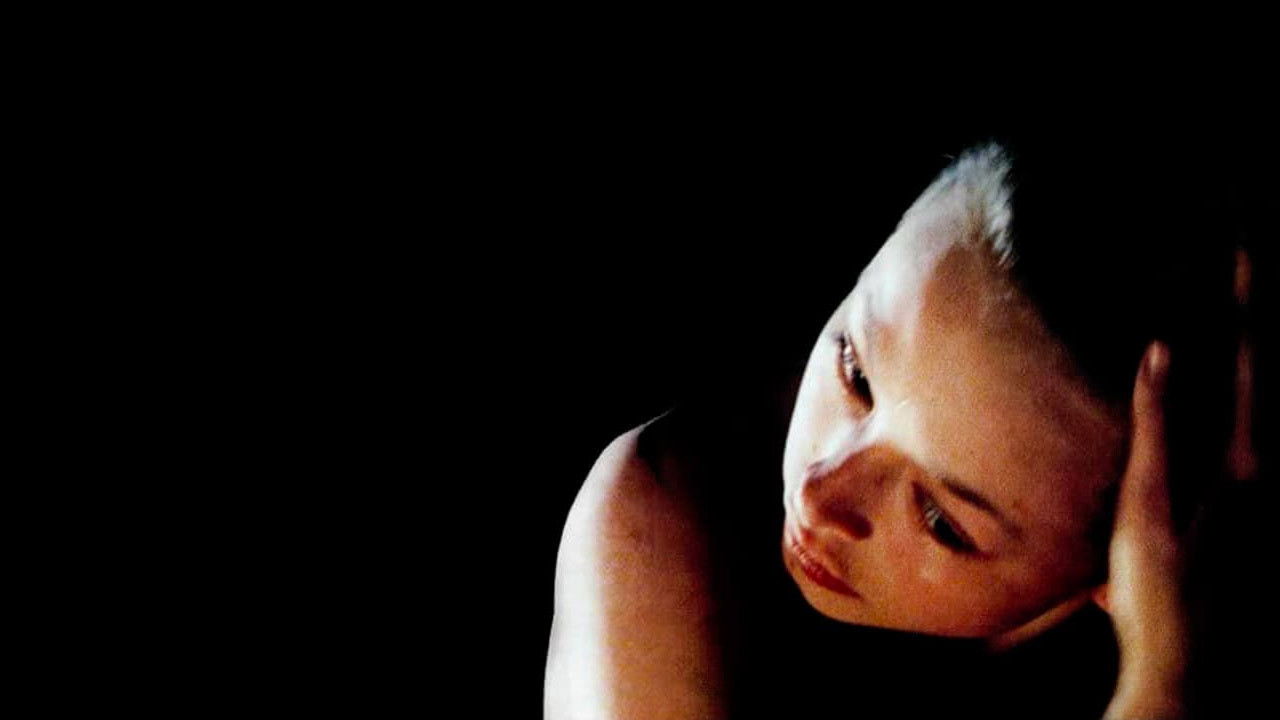
Finding The War Zone on VHS back in the day, perhaps nestled between more conventional thrillers or dramas, must have been a jarring experience for many renters. It’s not an easy film; its subject matter is deeply disturbing, and Roth offers no easy answers or cathartic resolution. The film premiered at the 1999 Sundance Film Festival and went on to win awards, including the C.I.C.A.E. Award at the Berlin International Film Festival, signalling its artistic merit despite, or perhaps because of, its unflinching gaze. Roth reportedly felt compelled to tell this story after reading Stuart's novel, driven by a need to confront the hidden horrors that can exist within seemingly normal families. It’s a testament to his commitment that he secured powerful performances, particularly from his young, inexperienced leads, navigating incredibly sensitive material with respect and focus.
Is it a film one "enjoys"? Perhaps not in the conventional sense. But its power is undeniable. It forces a confrontation with profoundly uncomfortable truths about abuse, silence, and the devastating impact of secrets. It stays with you, not because of graphic depiction (Roth is surprisingly restrained visually), but because of the emotional honesty he captures. It’s the kind of film that reminds you of cinema's potential to explore the darkest corners of human experience, not for shock value, but for the uncomfortable truths they might reveal. Doesn't art sometimes have a responsibility to look into the abyss?

Rating: 8/10
Justification: The War Zone is a masterclass in atmospheric tension and features truly exceptional, brave performances, particularly from the young leads and Ray Winstone. Tim Roth's directorial debut is assured and unflinching, handling incredibly difficult subject matter with sensitivity yet uncompromising honesty. Its power lies in its quiet observation and emotional authenticity. The film is undeniably hard to watch, preventing a higher score for general rewatchability, but its artistic merit and impact are profound.