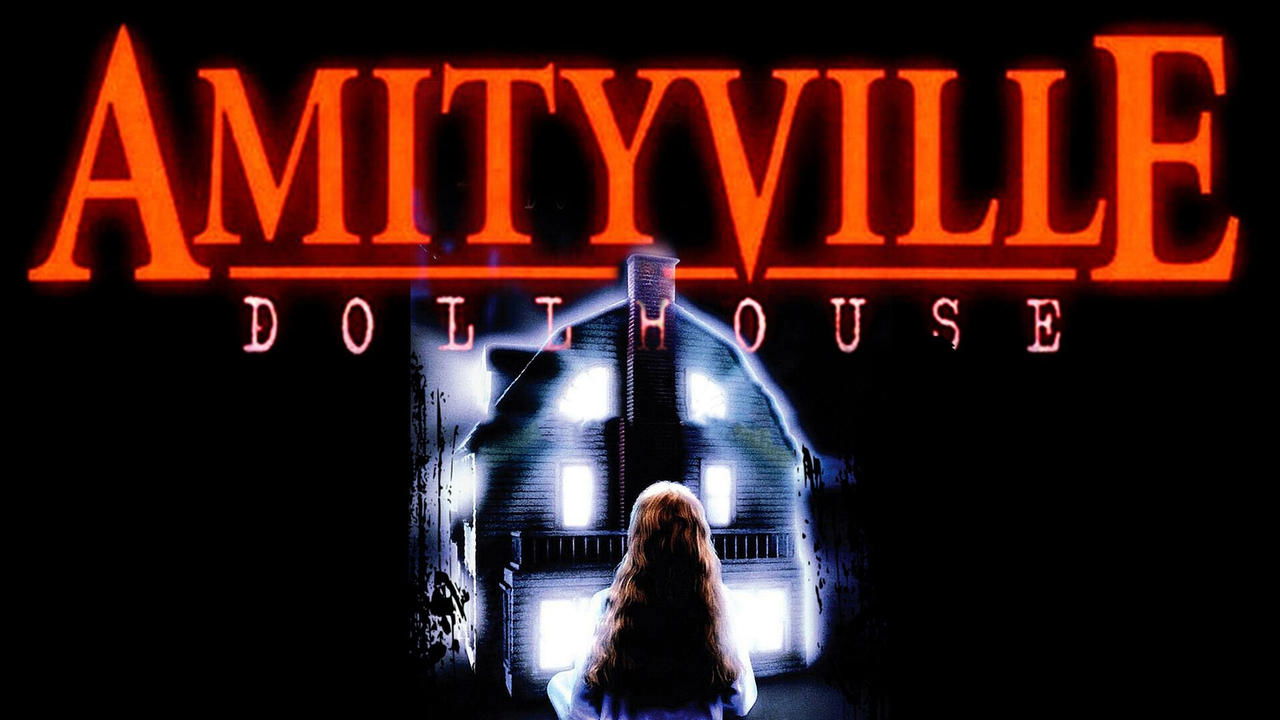
The glow of the television flickers, casting long shadows across the room. It’s late. You’ve cycled through the usual suspects on the video store shelf, the reliable slashers and the creature features with lurid covers. But then your hand lands on something else, a familiar name attached to an unfamiliar, almost absurd concept. Amityville: Dollhouse. By 1996, the infamous Long Island haunting felt less like a terrifying real-life event and more like a weary franchise desperately seeking new angles. Yet, there was something about this one, wasn't there? A cursed miniature replica of that house? The sheer audacity demanded a viewing, a surrender to the strange currents of late-series horror.
Honey, I Cursed the Kids' Toys
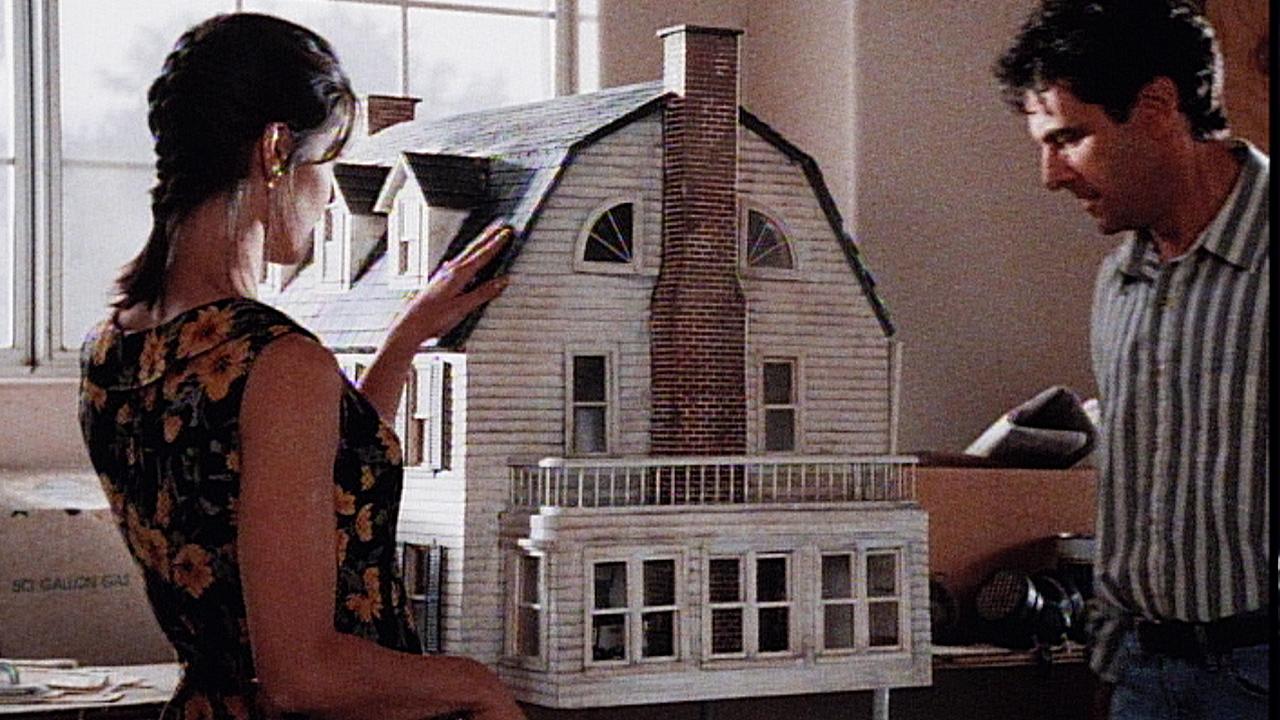
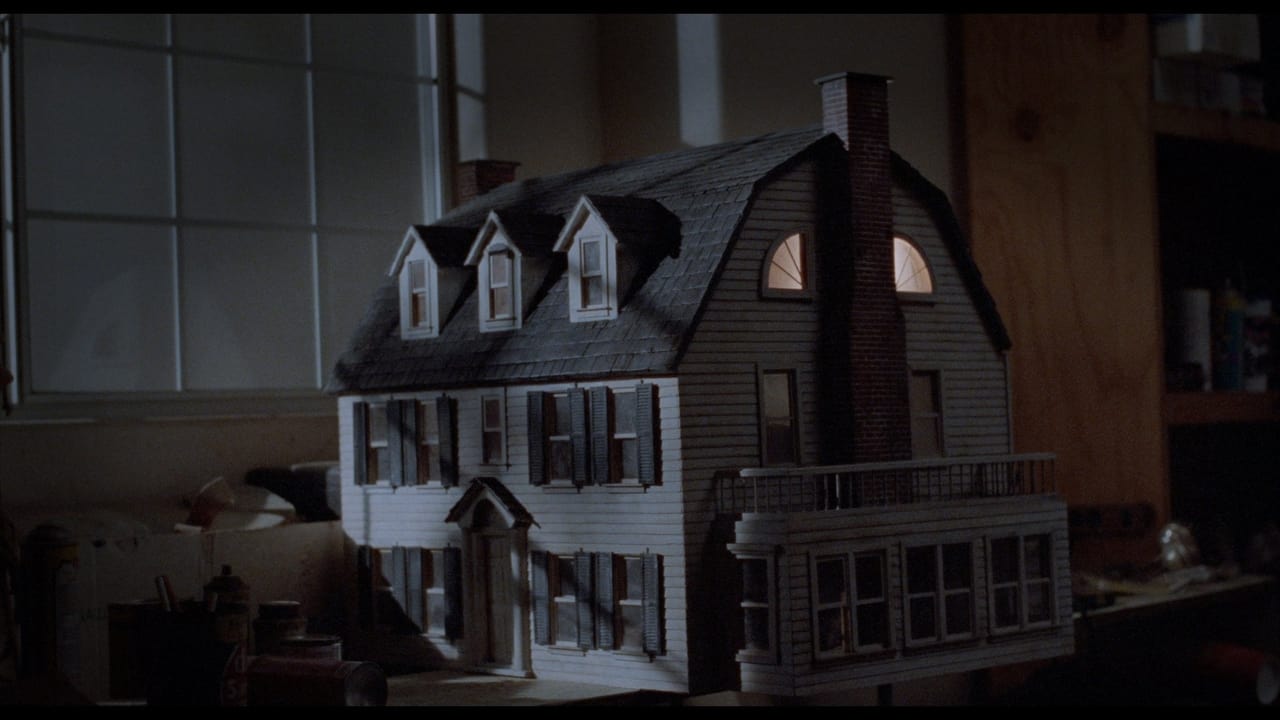
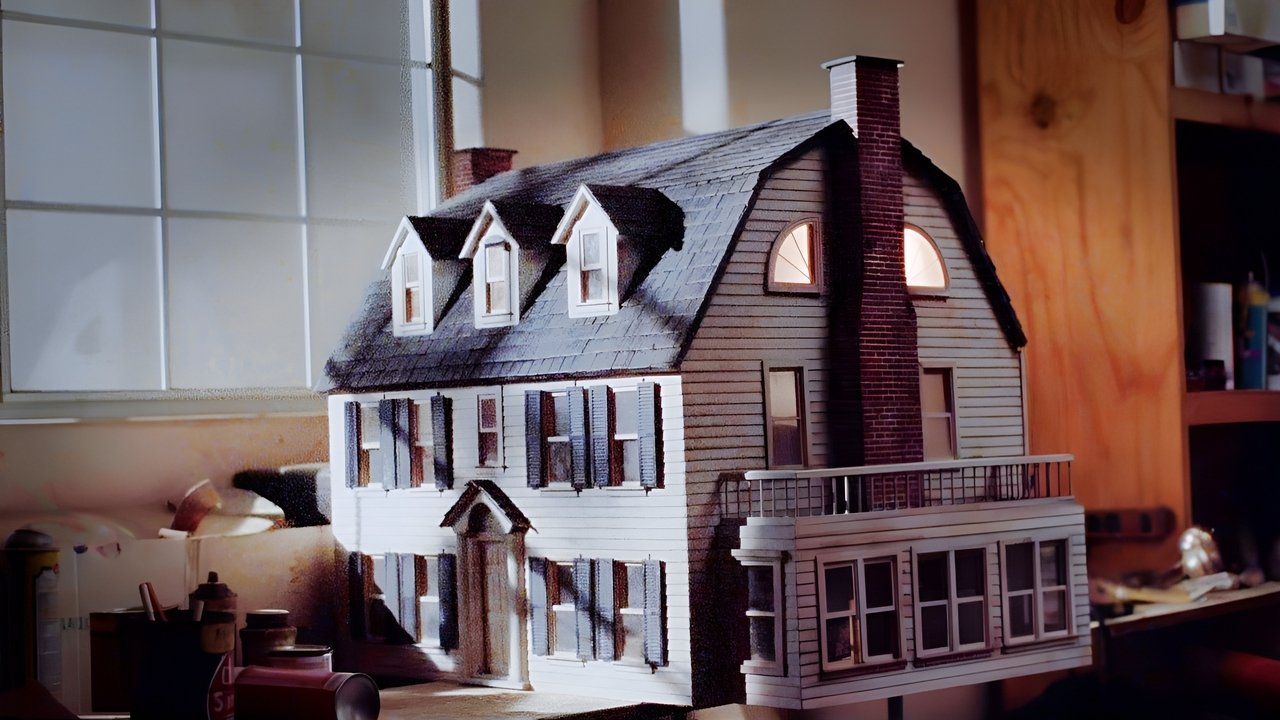
Directed by Steve White, a journeyman of the direct-to-video realm, and penned by Joshua Michael Stern, Amityville: Dollhouse attempts to transplant the evil not just to a new family, but to a new object. Bill Martin (Robin Thomas) builds a new home on foundations that, unbeknownst to him, contain the charred remains of the demonic fireplace from the original Amityville house (or perhaps a demonic fireplace – the lore gets murky). He gifts his children a meticulously crafted dollhouse replica of their new home, discovered in the shed. Naturally, this isn't just any dollhouse; it’s a conduit, a miniature vessel for the ancient evil tied to the land.
The plot unfolds with a familiar rhythm: strange occurrences escalate, family members behave erratically, and the youngest child, Jessica (Lisa Robin Kelly in an early role), seems particularly susceptible to the dollhouse's malevolent influence. The parents, Bill and Claire (Starr Andreeff, perhaps familiar to some from Ghoulies II), initially dismiss everything, blinded by the promise of their idyllic new life. It's standard haunted house fare, shrunk down and infused with a particularly '90s brand of supernatural logic.
Miniature Menace, Maximum Strangeness
What distinguishes Dollhouse, for better or worse, is its commitment to its central gimmick. The film doesn't shy away from the inherent absurdity. We get possessed toys, ghostly manifestations emanating from the miniature windows, and eventually, the evil attempting to physically manifest from the dollhouse. The atmosphere tries for dread, layering on ominous music and shadowy cinematography typical of mid-90s DTV horror, but it often bumps against the sheer weirdness of its premise. Remember the unease of watching it back then? That feeling that the filmmakers were really going for it, throwing demonic rats, biker zombies, and giant insects conjured from repressed desires at the screen, hoping something would stick?
The practical effects are pure late-stage VHS gold. They possess that tangible quality, that slightly rubbery, often unconvincing, yet somehow endearing realness that CGI rarely captures. The monstrous fly creature born from insect-phobic Jimmy (Allen Cutler) or the fiery demon clawing its way out of the full-sized fireplace – these moments, while perhaps laughable now, felt like genuine attempts at visceral horror on a flickering CRT screen. They weren't seamless, far from it, but they were there, physical creations designed to unsettle. One has to imagine the challenges on set, working with puppetry, animatronics, and makeup on what was undoubtedly a tight DTV budget, aiming for scares that often landed closer to B-movie spectacle. This was the eighth film in the official series, after all; studio expectations (and likely funding) were probably modest, placing the burden on ingenuity over polish.
Trapped in the Franchise Playroom
The performances are largely functional, serving the plot without leaving a deep impression. Robin Thomas plays the increasingly concerned patriarch well enough, and Starr Andreeff hits the required notes of maternal worry turning to terror. The younger cast members grapple with material that swings from domestic drama to supernatural absurdity. There's a sense that everyone involved understands the kind of movie they're making – a continuation of a brand name, designed for the less discerning shelves of the video rental store.
It's easy to dismiss Amityville: Dollhouse as just another unnecessary sequel, a cash-in clinging to a fading legacy. And in many ways, it is. Released directly to video, it bypassed theaters entirely, destined for late-night cable slots and dusty VHS collections. It holds little connection to the original Lutz story beyond the recycled evil and the iconic quarter-moon windows, mirrored in its miniature antagonist. Yet, watching it again evokes a specific kind of nostalgia – not necessarily for high art, but for the wild, unpredictable landscape of 90s DTV horror. This was an era where a concept this bizarre could actually get made, where practical effects crews worked overtime to bring demonic dollhouses and giant bugs to life.
Did the film's attempt to blend domestic drama with over-the-top supernatural threats genuinely unnerve you back then, or was it the sheer oddity that kept you watching? It walks a strange line, never quite scary enough to be terrifying, never quite campy enough to be a full-blown comedy. It exists in that peculiar VHS twilight zone.
***
VHS Heaven Rating: 4/10
Justification: The film gets points for its sheer conceptual audacity and commitment to practical effects, embodying a certain kind of late-franchise, DTV weirdness that has its own charm for collectors. However, the execution is clumsy, the plot derivative (even with the dollhouse gimmick), the scares minimal, and the connection to the Amityville legacy feels incredibly tenuous. It lacks genuine tension and relies on bizarre imagery over effective horror storytelling.
Final Thought: Amityville: Dollhouse is less a chilling haunted house tale and more a curious artifact of 90s horror franchising – a testament to how far producers would stretch a concept, resulting in a film more odd than terrifying, but undeniably a product of its VHS time.