Amityville 1992: It's About Time
The static hiss fades, the tracking lines waver for a moment, and then the familiar Republic Pictures Home Video logo flickers onto the CRT screen. It’s late, the house is quiet, and you’ve slotted in another entry from perhaps horror’s most notoriously diluted franchise. The evil didn't stay put this time. It packed its bags – or rather, got packed into something – and headed west, leaving the infamous Dutch Colonial of Long Island far behind. Forget haunted houses; now, even time itself isn't safe.
The Curse Clocks In
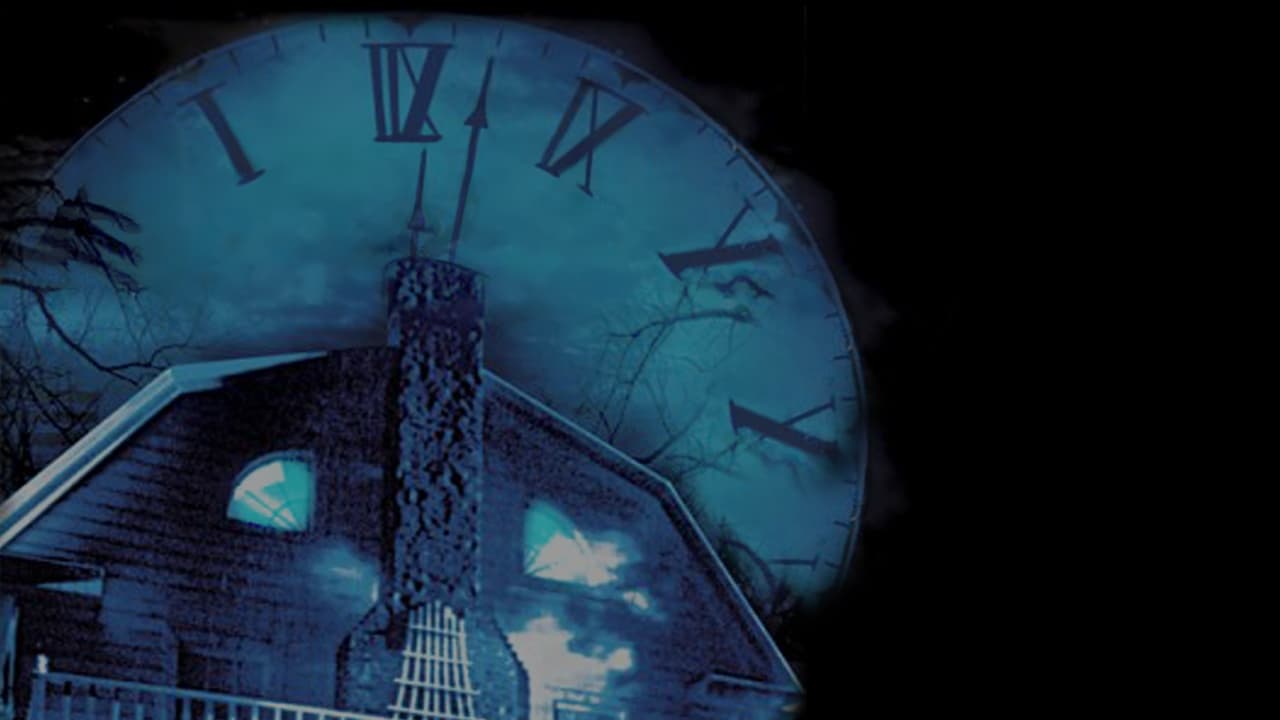
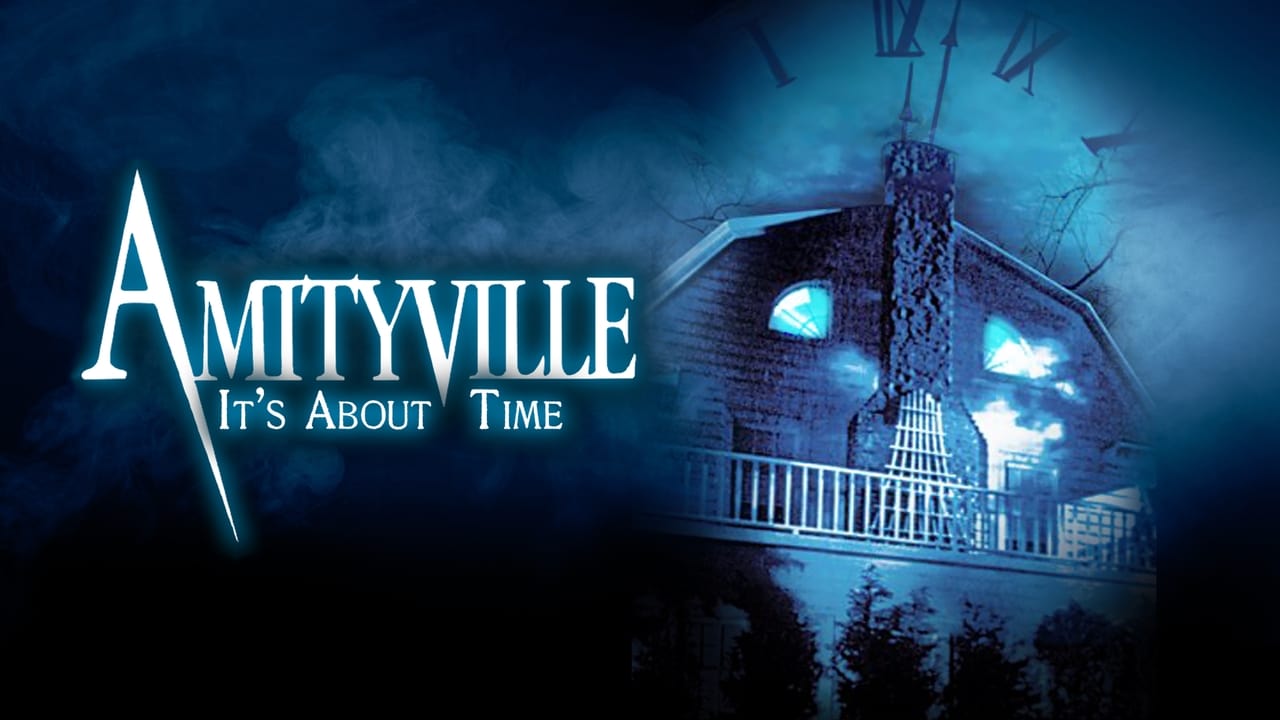
Amityville 1992: It's About Time, the sixth installment (if you’re keeping track, and bless you if you are), takes a certain thematic leap. After the demonic possession transferred via a hideous lamp in Amityville 4: The Evil Escapes (1989) – both films loosely pulling from John G. Jones' novel Amityville: The Evil Escapes – this entry continues the trend of cursed household objects. Architect Jacob Sterling (Stephen Macht) returns from a business trip to Amityville (because of course he does) with an imposing, antique mantle clock salvaged from the original house. He thinks it’s a quirky find for his suburban California home; we, the seasoned viewers, know better.
The move to sunny California feels jarring initially. Doesn't the Amityville evil require gloomy East Coast weather and proximity to that specific plot of land? Apparently not. This time, the malevolence radiates from the clock itself, warping time, space, and the sanity of Jacob’s family, including his girlfriend Andrea (Shawn Weatherly, former Miss Universe, adding a touch of 80s glamour) and his increasingly troubled teenage kids, Lisa (Megan Ward) and Rusty (Damon Martin). The suburban setting becomes a surprisingly effective canvas for the unsettling events; the mundane backdrop makes the encroaching temporal weirdness feel all the more invasive.
Randel's Temporal Terrors
What elevates Amityville 1992 slightly above its direct-to-video brethren is the man in the director's chair: Tony Randel. Fresh off the visceral, Clive Barker-infused nightmare of Hellbound: Hellraiser II (1988), Randel brings a certain visual flair and knack for body horror that occasionally punches through the low budget. The clock isn't just ticking; it's oozing black slime, sprouting demonic appendages, and melting faces in grotesque, time-bending ways. Remember that scene with the dog and the shed? Pure, unadulterated Randel weirdness, delivered with practical effects that, while dated, possess that wonderfully tangible, slimy quality so characteristic of the era. There's a genuine attempt here to make the clock's influence visually disturbing, leaning into surreal, sometimes Cronenberg-lite imagery.
It’s fascinating that Randel, known for the expansive hellscapes of Hellbound, tackled this relatively contained, cursed-object story. Reportedly, the production faced the usual budgetary constraints typical of DTV sequels, forcing creative solutions. Yet, Randel manages moments of genuine atmospheric dread, particularly in the scenes depicting localized time loops or accelerated decay. The score, too, often hits the right notes of discordant creepiness, amplifying the clock's ominous presence.


Running Out of Time (and Ideas?)
Let’s be honest, though: the plot is nonsensical, even by Amityville standards. The rules of the clock's power feel arbitrary, shifting to serve whatever bizarre set piece comes next. Stephen Macht brings a certain weary gravitas to Jacob, but the character makes baffling decisions typical of horror protagonists. Megan Ward, however, stands out as Lisa, the daughter most attuned to the clock's sinister influence, delivering a grounded performance amidst the temporal chaos. She carries much of the film’s emotional weight, making you actually care about her fate.
This film originally had the working title Amityville 1992: The Prequel, which is truly baffling as it's definitively a sequel. Chalk it up to the strange logic that often permeated the marketing and production of these later franchise entries, churned out reliably for the booming home video market. It cost roughly $2 million to make – a standard DTV budget for the time – and went straight to VHS shelves, finding its audience among late-night renters browsing the horror section, perhaps drawn in by the familiar name and the promise of some kind of spooky shenanigans. Did the cheeky title, It's About Time, hint at a self-awareness regarding the franchise's longevity? Perhaps.
Retro Fun Facts
- The monstrous clock itself was a complex practical effect, requiring multiple versions and puppeteers for its various gruesome transformations. Creating that signature ooze and pulsating organic matter on a budget was reportedly a sticky challenge.
- The shift from the original house to cursed objects (lamp, clock, mirror, dollhouse in subsequent films) was a deliberate attempt to keep the franchise alive without needing to constantly revisit the increasingly inaccessible Long Island setting. It also opened the door for endless variations on the theme.
- While Tony Randel brought his horror chops, the script went through several hands, contributing to the somewhat disjointed feel of the clock's powers and motivations.
Final Verdict
Amityville 1992: It's About Time is a strange beast. It's undeniably a product of the direct-to-video sequel boom, burdened by franchise fatigue and a ludicrous premise. Yet, thanks to Tony Randel's stylish direction and commitment to gooey practical effects, along with a sympathetic performance from Megan Ward, it manages moments of genuine atmospheric creepiness and bizarre B-movie charm. It's certainly more visually interesting and competently made than some of the entries that followed. Does that unsettling clock design still linger in your mind's eye?
Rating: 5/10
Justification: While hampered by a silly plot and the inherent limitations of its DTV origins, Randel's direction provides enough visual flair and moments of effective practical gore to make it a mildly entertaining watch for forgiving 90s horror fans. It's a notch above sludge, but firmly middle-of-the-road for the franchise – weird, sometimes gross, and ultimately forgettable, yet possessing that distinct VHS-era flavor.
Final Thought: It may not be high art, but for a late-night slice of 90s franchise horror, complete with temporal weirdness and practical slime, you could certainly do worse. Just don't check your antique clocks afterwards.