Sometimes, the static hiss of a well-worn VHS tape isn't just noise – it's the sound of potential energy, the prelude to something strange about to unfold on the flickering CRT screen. And few things felt stranger back in the early 90s rental aisles than discovering a sequel you never expected, especially one appended to a concept as uniquely late-80s as a demonic telephone hotline. 976-EVIL II, released straight-to-video in 1992 (sometimes known as 976-EVIL II: The Astral Factor), wasn't just a follow-up; it felt like an echo from a different, perhaps cheesier, dimension.

A Different Kind of Wrong Number
Forget the suburban angst and Faustian bargains of the Robert Englund-directed original. This sequel dials up a new story, loosely connected at best, feeling more like a standalone entry leveraging a recognized title. Our new protagonist, or rather antagonist, is Mr. Grubeck (Rene Assa), a deeply repressed, bird-loving college dean whose simmering rage against perceived tormentors finds a supernatural outlet. When a beautiful student, Robin (Debbie James), accidentally reveals his dark secrets during a psychology presentation (because, 90s horror logic!), Grubeck turns to the infamous 976-EVIL line. Instead of Hoax dialing for damnation, Grubeck uses astral projection, fueled by otherworldly power, to exact his gruesome, often bizarre, revenge. Meanwhile, Robin teams up with a skeptical occult shop owner and a paranormal investigator to stop him. Did anyone else rent this expecting more Spike (Patrick O'Bryan, who does make a brief, slightly confusing cameo) and instead get… this?
The Wynorski Factor
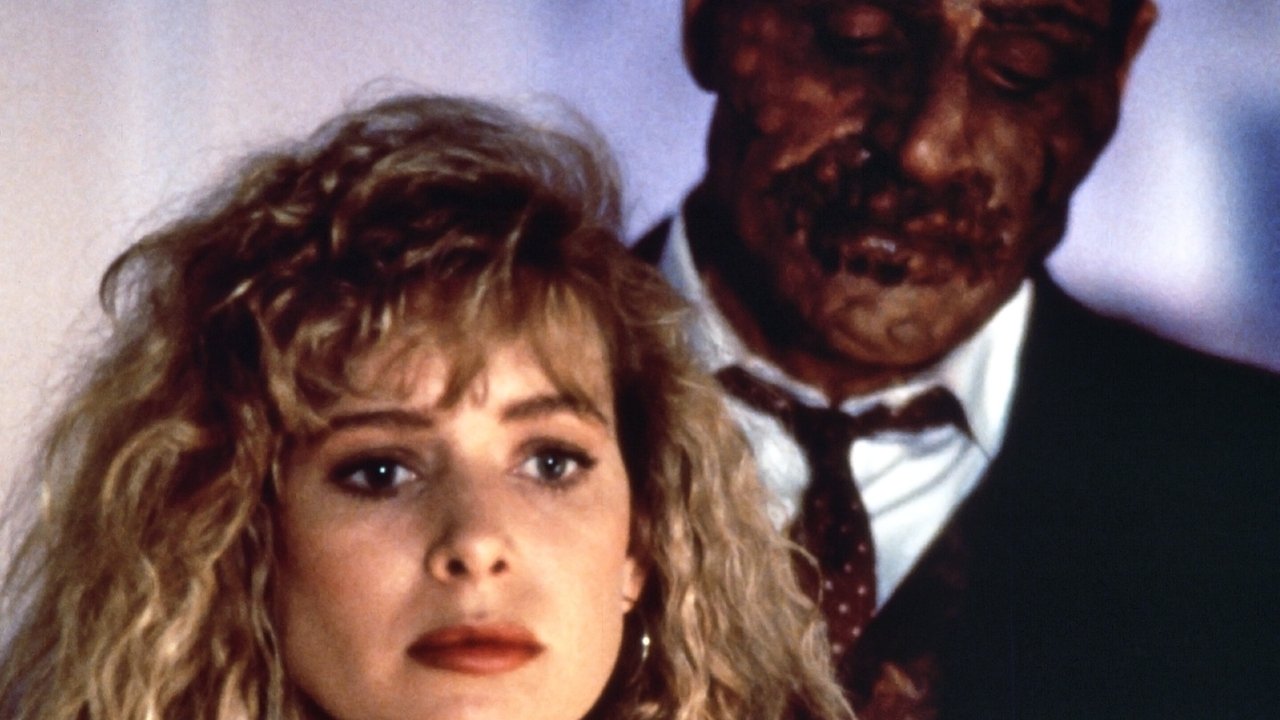
Stepping into the director's chair is the prolific king of B-movie efficiency, Jim Wynorski. If you've ever spent a Saturday afternoon glued to cable reruns of Chopping Mall (1986) or The Return of Swamp Thing (1989), you know the territory. Wynorski’s signature is all over this: fast pacing, a certain economical approach to storytelling (and budget), and a willingness to embrace the inherent silliness. The dark, grimy atmosphere Englund aimed for in the first film is largely replaced here with a brighter, almost network TV movie aesthetic, punctuated by moments of surprisingly gooey practical effects. It lacks the unsettling mood of its predecessor, trading genuine dread for a more straightforward, almost monster-of-the-week structure. Filmed quickly, as was Wynorski's trademark, one can almost feel the production racing against the clock, lending it a certain frantic energy that sometimes works in its favor, sometimes just feels rushed.
From Hell, Via Hollywood?
Perhaps the most bewildering artifact of 976-EVIL II's production is the writing credit shared by Rick Cuttino and Brian Helgeland. Yes, that Brian Helgeland, the very same who would, just five years later, win an Academy Award for co-writing the neo-noir masterpiece L.A. Confidential (1997) and later direct films like A Knight's Tale (2001). It's a head-spinning contrast. While it's unlikely his contribution mirrors his later acclaimed work (early scripts often get heavily reworked, especially in the low-budget world), his name attached lends the film an unintended layer of cinematic curiosity. It's the kind of bizarre Hollywood connection you’d whisper about with fellow fanatics after finding the tape tucked away in the horror section. Was this an early script sale that got dusted off? Did he have any real input on the final product? The mystery itself is part of the fun.

Astral Oddities and Video Store Charm
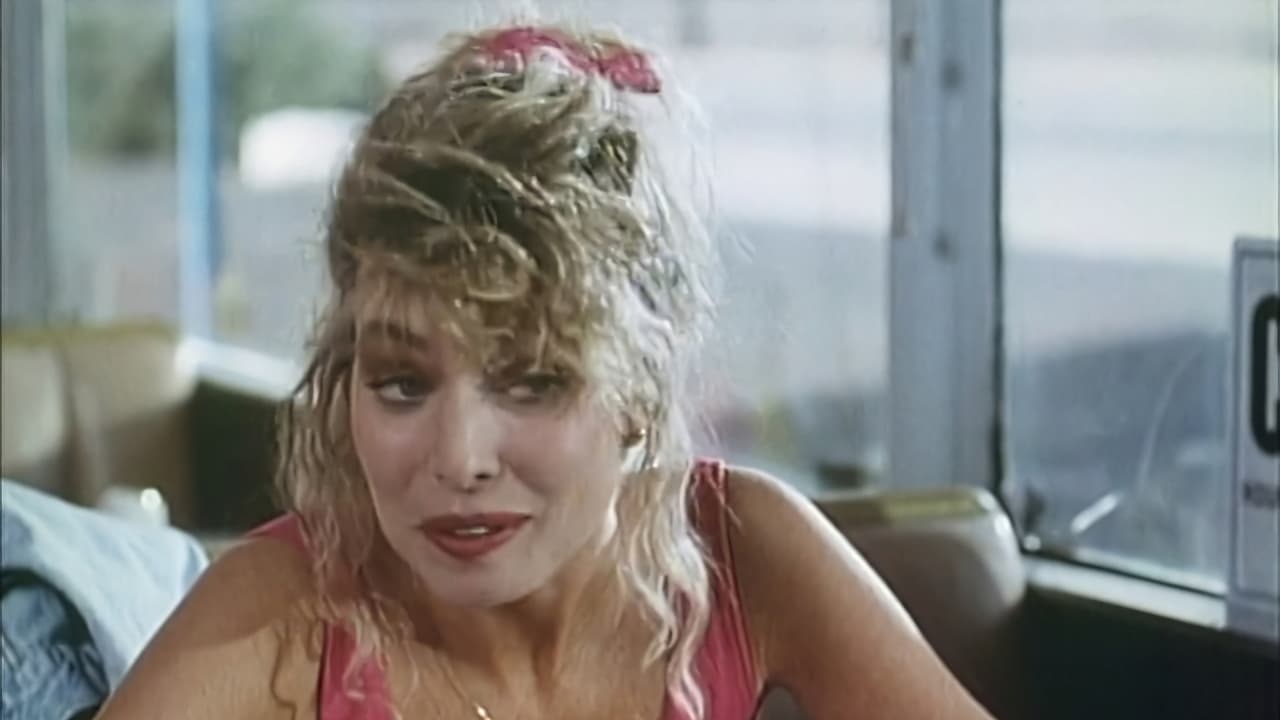
Where the film finds its peculiar groove is in its embrace of the outlandish. Grubeck's astral projection murders aren't subtle; they involve transformation, cheesy optical effects, and a level of camp that feels distinctly early 90s direct-to-video. The practical gore effects, when they land, have that tangible, rubbery quality that still holds a certain visceral appeal compared to weightless CGI. Rene Assa leans into Grubeck's transformation from meek academic to supernatural menace with gusto, while Debbie James makes for a likable, resourceful final girl navigating the escalating absurdity. Seeing Patrick O'Bryan return as Spike, albeit briefly and somewhat detached from the main plot, felt like a contractual obligation fulfilled, a slight nod to the original that doesn’t quite connect the dots. Remember tracking down sequels like this, hoping for continuation, only to find something entirely different? That experience was the VHS era for horror fans.
The film’s journey directly to the rental shelves, skipping theaters entirely, cemented its status. It wasn’t aiming for critical acclaim; it was aiming for weekend rentals, for teenagers looking for a quick, uncomplicated horror fix. And in that specific niche, it delivered a certain kind of B-movie comfort food. It's the kind of film you'd grab based on the lurid cover art and familiar title, pop into the VCR late at night, and enjoy for exactly what it was.
Final Judgment
976-EVIL II is undeniably a product of its time and budget. It lacks the ambition and unsettling tone of the original, opting instead for a more conventional, effects-driven supernatural slasher plot delivered with Jim Wynorski's characteristic speed and B-movie flair. The performances are serviceable for the material, and the plot, while predictable, offers some entertainingly weird moments fueled by Grubeck's astral antics. The Brian Helgeland writing credit remains a fascinating piece of trivia that adds a layer of unexpected Hollywood history.
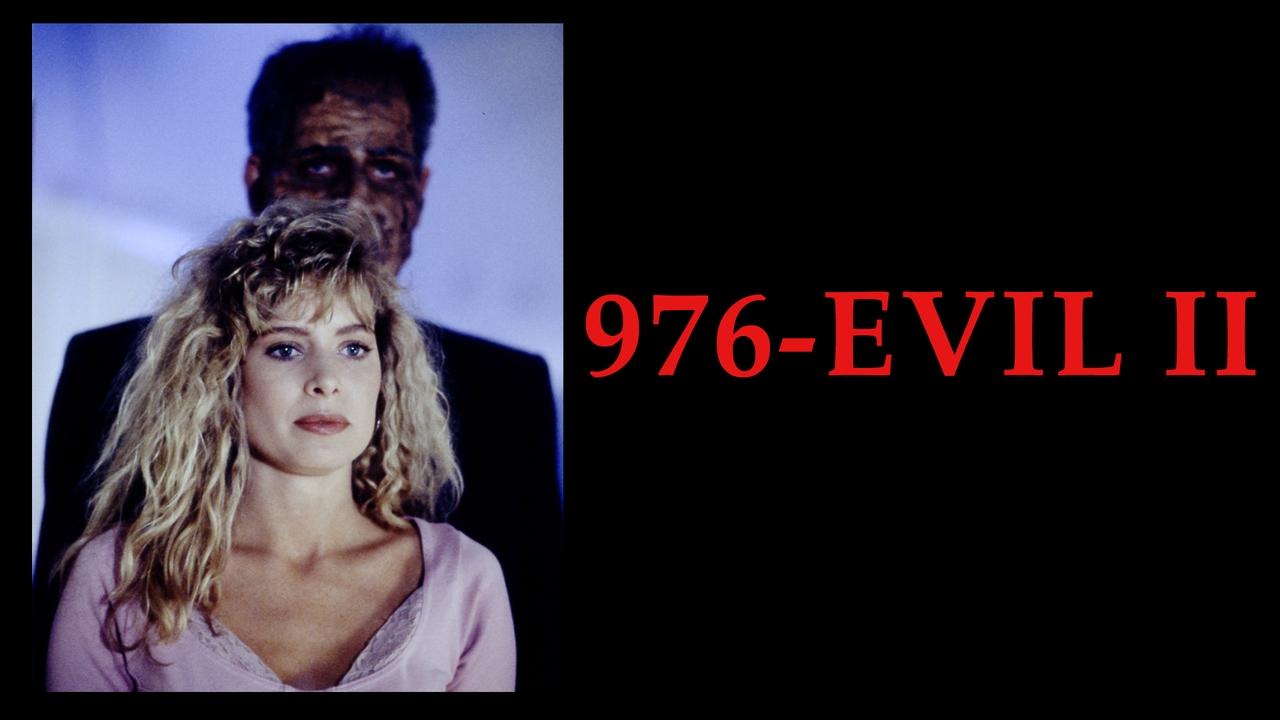
Rating: 4/10
Why this score? While it delivers some schlocky fun and decent practical effects for its budget level, the film ultimately feels like a missed opportunity. It jettisons much of what made the original conceptually interesting, offers little genuine suspense or atmosphere, and suffers from a rushed feel and illogical plot points. The brief cameo from Patrick O'Bryan feels tacked on, failing to bridge the gap meaningfully. It functions purely as a low-expectation, direct-to-video sequel curiosity – entertaining in fits and starts for B-movie aficionados, but largely forgettable otherwise.
Final Thought: It may not hold a candle to its predecessor or stand as a hidden gem, but 976-EVIL II perfectly encapsulates that specific thrill of finding a weird, slightly disreputable sequel on the video store shelf – a disposable piece of horror history powered by astral projection and pure, unadulterated 90s cheese.