Dust motes dance in the projector beam of memory, catching the lurid glow of the video store’s horror section. Amidst the familiar faces of Freddy and Jason, certain titles beckoned with a darker promise, a borrowed notoriety. You reach for the box, the name instantly recognizable, instantly unsettling: Amityville. But the image on the cover… it isn't the house you expect. The year is 1990, and the tape sliding into your VCR isn't a return to 112 Ocean Avenue. It's The Amityville Curse, a chilling prospect that quickly curdles into something altogether stranger, a phantom limb attached to a body it barely knows.
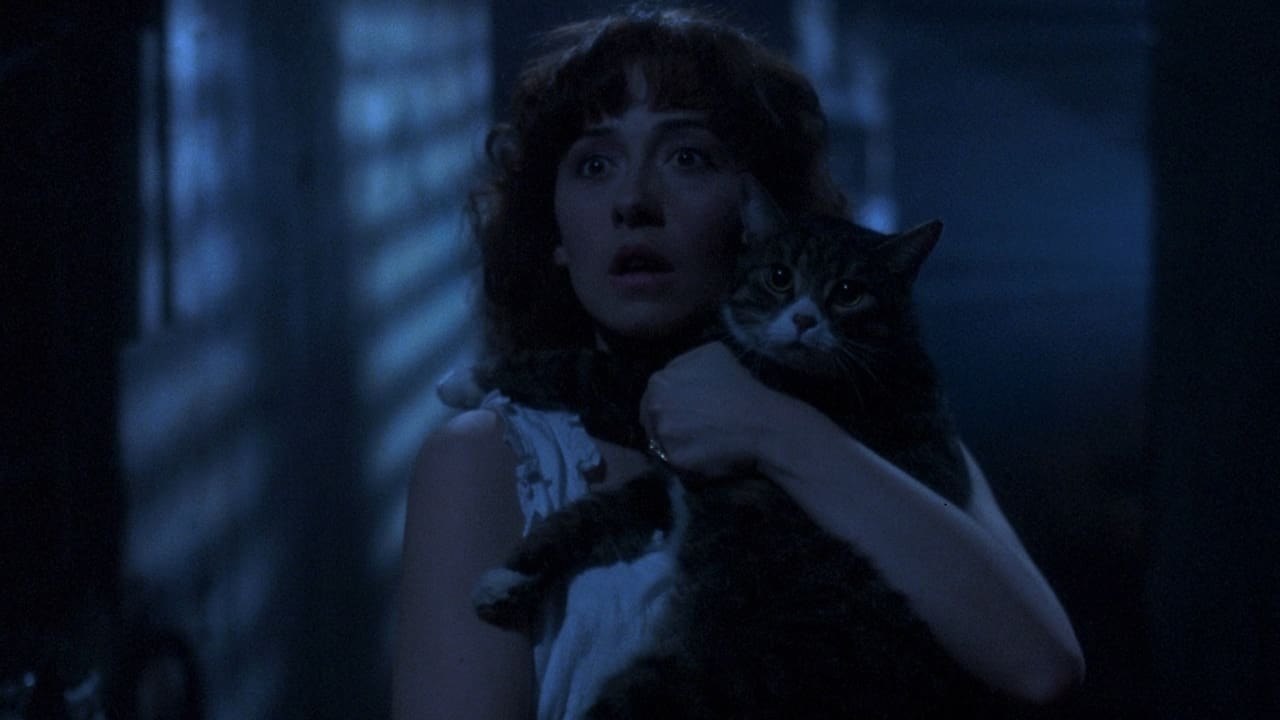
This fifth entry – if one dares chart the chaotic lineage of the Amityville "franchise" – drifts far from the Long Island shores and the infamous DeFeo murders. Instead, we find ourselves plunged into the damp decay of a dilapidated former rectory, purchased by a hopeful young couple, Marvin and Debbie (Kim Coates and Dawna Wightman), along with their friends. Their dream of renovation quickly sours as they uncover the building's grim history: a priest's suicide, whispers of demonic possession, and a pervasive sense of unease that clings to the rotting plaster like mold. It’s a familiar setup, yet tinged with the specific flavour of late 80s/early 90s direct-to-video Canadian horror – earnest, slightly threadbare, and carrying an atmosphere thick with damp basements and things that go bump in the night with unnerving regularity.
A Haunting By Any Other Name
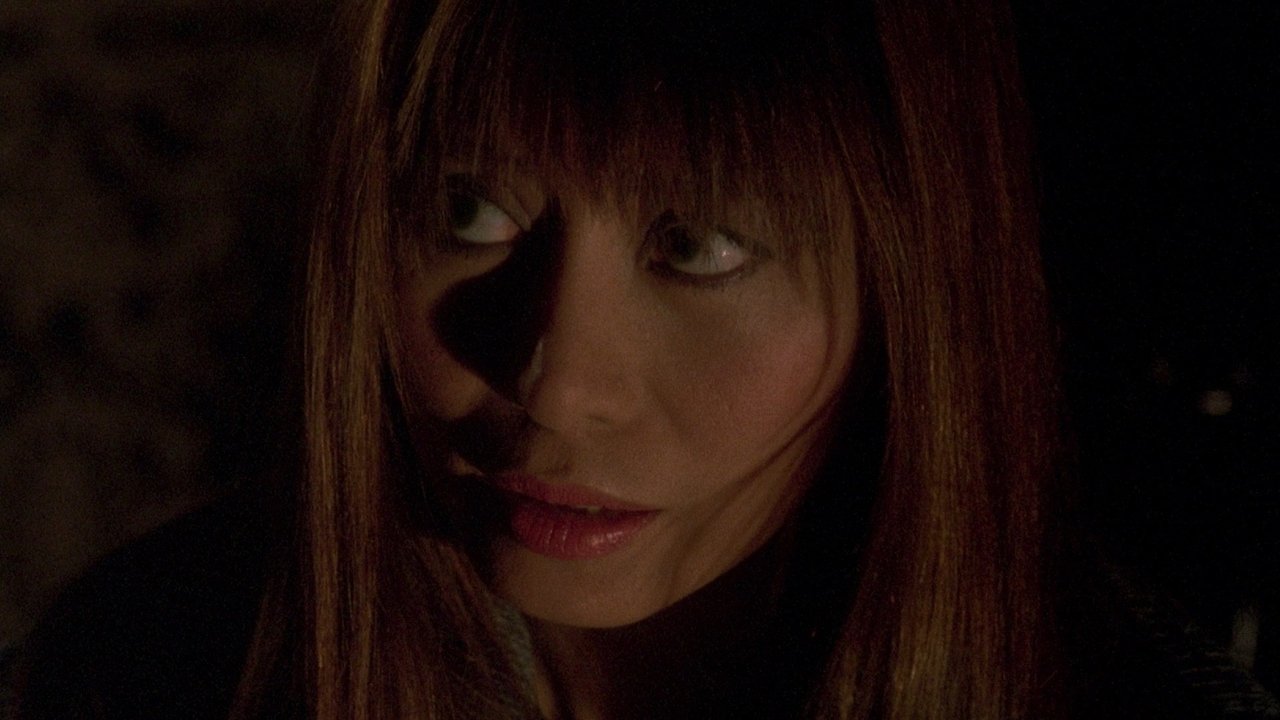
The dread here isn't the explosive, headline-grabbing terror of the original Amityville Horror (1979). Director Tom Berry opts for a slower burn, focusing on psychological cracks widening under supernatural pressure. Objects move, spectral figures flicker at the edge of sight, and basement doors reveal secrets best left buried. There’s an attempt to build genuine suspense, focusing on the isolation of the group and the house’s oppressive personality. The film leans heavily on atmosphere, using shadowed corners and echoing sound design to suggest menace, often more effectively than the explicit scares manage.
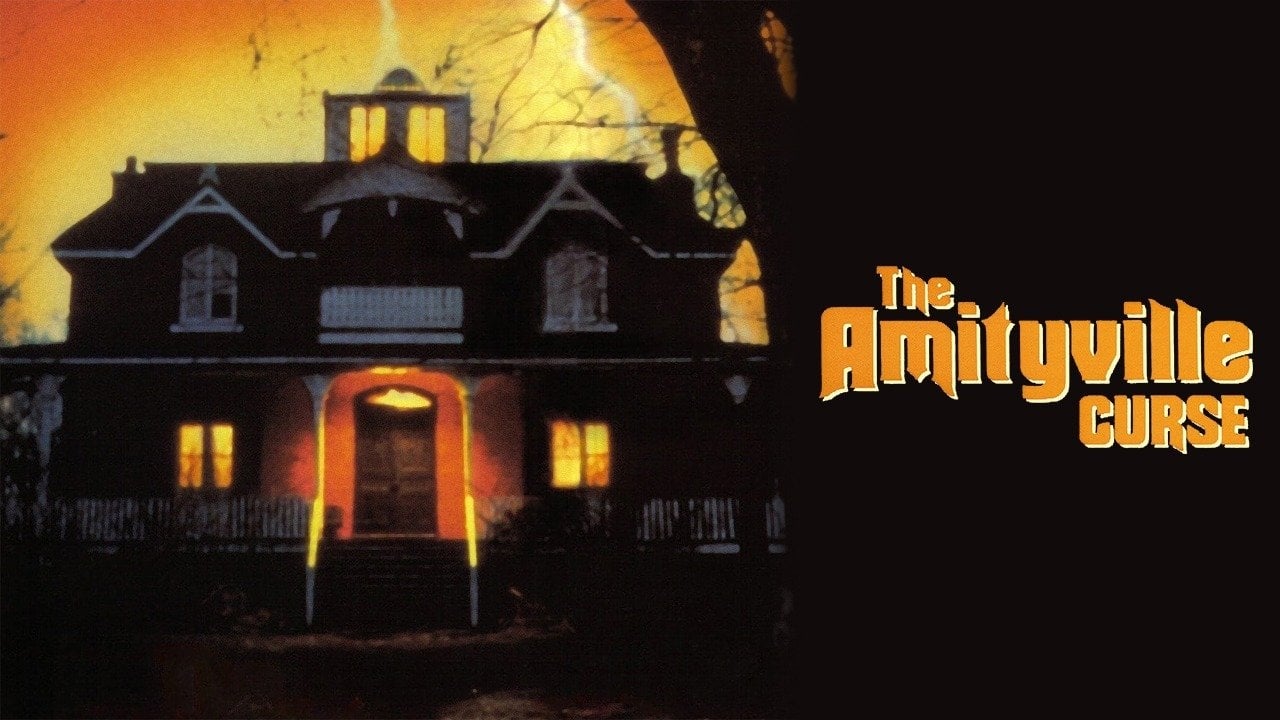
But let's address the haunted elephant in the room: the Amityville connection. This film is based, quite loosely, on Hans Holzer’s 1981 novel The Amityville Curse. However, the story behind the title is pure video-era pragmatism. Originally conceived as a standalone haunted house flick, the producers, likely eyeing the built-in brand recognition guaranteed to catch eyes in crowded rental aisles, slapped the "Amityville" name onto it. It was filmed entirely in Quebec, Canada, for roughly $1.15 million CAD – a world away from the real Amityville, New York. Knowing this context doesn't necessarily ruin the film, but it certainly reframes it. It becomes less a chapter in a saga, and more a fascinating artifact of genre marketing, a ghost story wearing another haunting’s clothes. Doesn't that almost make it more interesting, in a strange, meta way?
Whispers in the Walls and Budgetary Constraints
Performances are… well, they're committed. A pre-Sons of Anarchy Kim Coates brings a certain intensity to Marvin, the husband increasingly consumed by the house's darkness. Dawna Wightman as Debbie portrays the mounting fear believably, and veteran actress Helen Hughes provides a welcome dose of gravitas as the psychic Mrs. Moriarty, attempting to cleanse the malevolent presence. Yet, the script, penned by Michael Krueger and Norvell Maxfield, often leaves them navigating clunky dialogue and somewhat predictable plot turns.
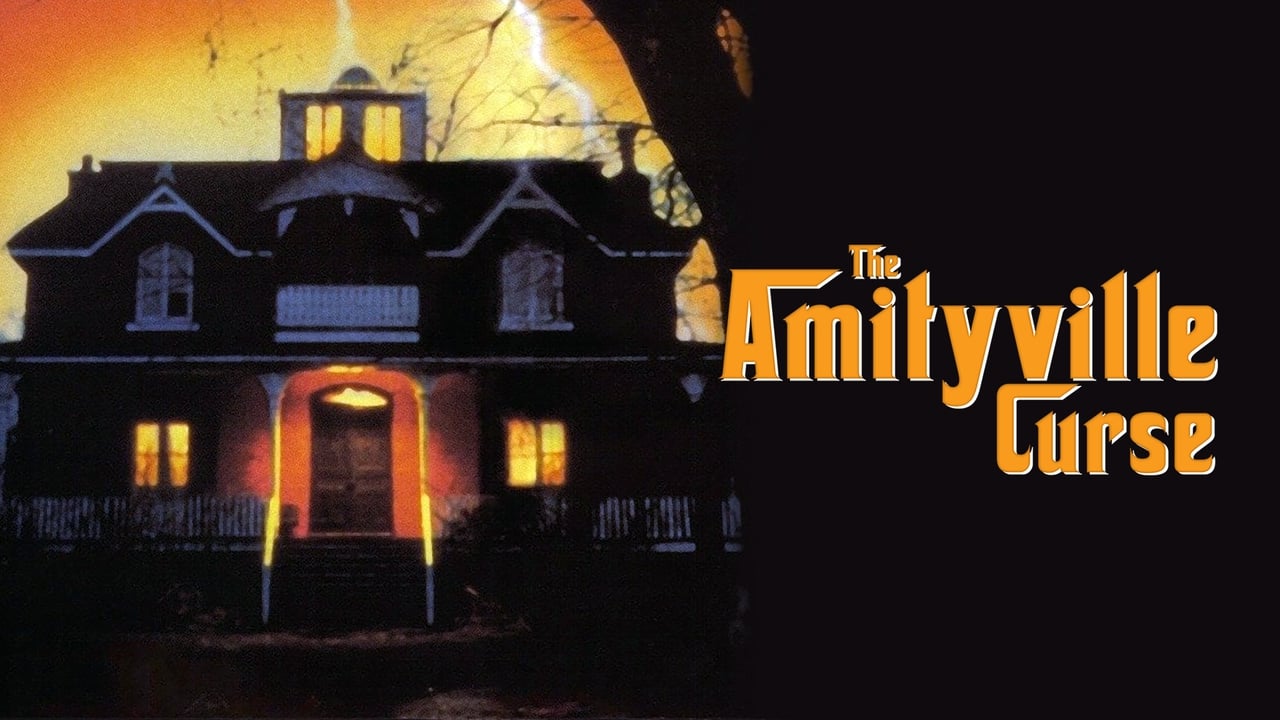
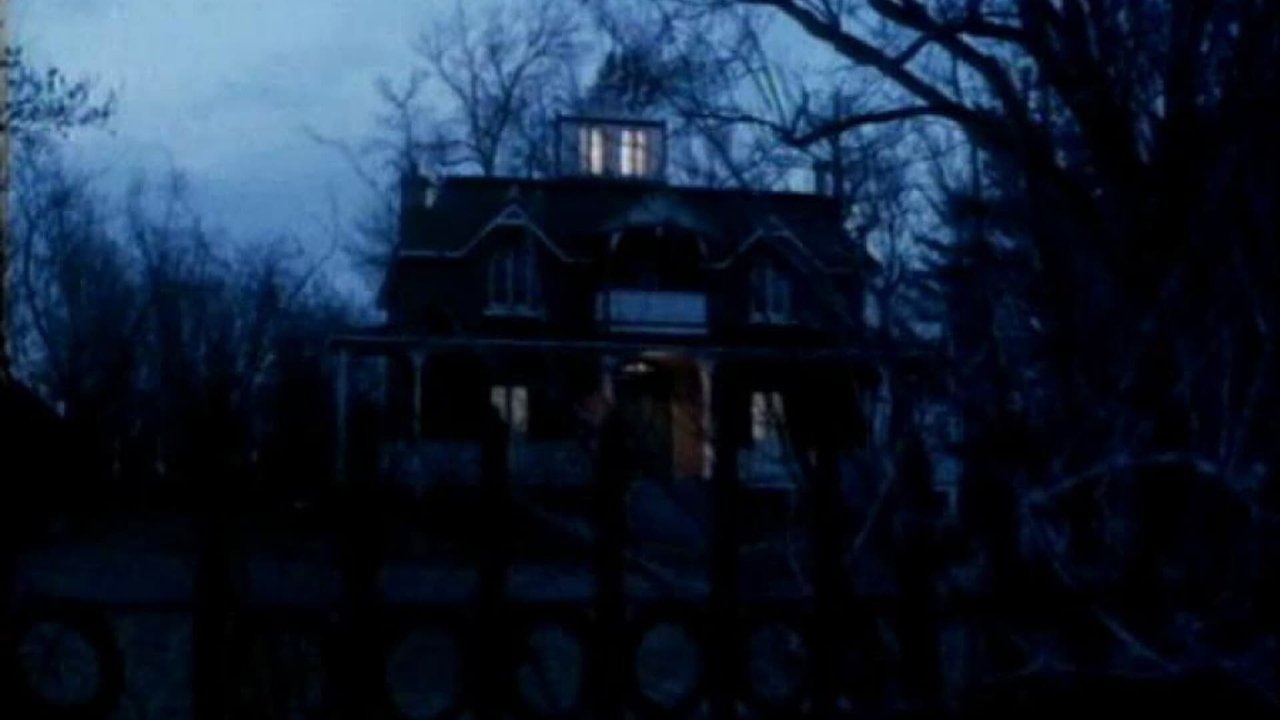
The practical effects, a hallmark we often celebrate here at VHS Heaven, are used sparingly and with mixed results. Some moments – a swarm of flies, a particularly nasty bit involving insects and an ear – land with a squirm-inducing effectiveness that feels distinctly of its time. Others feel hampered by the obvious budget limitations, relying more on suggestion and quick cuts. The production design does manage to make the central house feel genuinely unwelcoming, a character in its own right, filled with peeling wallpaper and secrets festering beneath the floorboards. The score, too, often hits the right notes of synthesized dread, that familiar droning pulse that accompanied so many late-night chills back in the day.
Retro Fun Facts: The Curse of the Name
- The original Hans Holzer novel focused on paranormal investigations at a different house in Amityville, alleging residual demonic energy from Native American burial grounds and connections to the Lutz story, though Holzer's claims were often controversial. The film jettisons most of this, keeping only the core haunted house concept.
- The film's release strategy bypassed theaters almost entirely in North America, heading straight for the lucrative home video market, a common fate for many horror sequels and lower-budget genre films of the era.
- Despite its tangential connection, The Amityville Curse is often officially listed as the fifth film in the series, preceding Amityville: It's About Time (1992) which, ironically, also played fast and loose with the established lore.
Flickering Legacy in the Video Dust
So, where does The Amityville Curse stand in the pantheon of VHS horror? It's undeniably a lesser entry, lacking the iconic power of the original or the gonzo energy of some later sequels. Its plot can feel disjointed, the scares are inconsistent, and its very identity is borrowed. I distinctly remember renting this tape, drawn in by the name, and feeling a sense of… confusion. It wasn't bad, exactly, just… off. It didn't feel like Amityville.
Yet, viewed now through the lens of nostalgia and an appreciation for the quirks of the DTV era, it possesses a certain charm. It’s a competently made, atmospheric little ghost story hampered by its branding. It tries to deliver chills, and occasionally succeeds in creating a genuinely creepy moment or two. It’s a snapshot of Canadian genre filmmaking finding its footing, and features an early turn from an actor who would go on to much greater recognition. It’s the kind of film you might have stumbled upon late one Friday night, expectations tempered, and found yourself mildly spooked by its shadowy corners and whispering dread.
Rating: 4/10
The score reflects the film's significant flaws: its weak connection to the franchise it claims membership in, inconsistent pacing, and scares that don't always land. However, points are awarded for its earnest attempt at atmosphere, some genuinely unsettling moments, and its status as a curious artifact of 90s DTV horror history and VHS marketing tactics. It’s more atmospheric than terrifying, more curious than classic.
The Amityville Curse remains a peculiar footnote, a testament to the power of a name on a video box, and a reminder that sometimes the most interesting hauntings are the ones happening just off-screen, in the decisions made by producers looking to conjure profit from familiar ghosts.