Alright, settle in, maybe grab something stronger than popcorn for this one. Some films wash over you, pleasant and forgettable. Others? Others grab you by the collar, shake you violently for three hours, and leave you staggering back into the daylight, blinking and bewildered, wondering what on earth just happened. Emir Kusturica's Underground (1995) is emphatically the latter. It’s not a casual watch; it’s an epic, chaotic, maddening, and ultimately unforgettable plunge into the fractured soul of Yugoslavia, disguised as a surreal, brass-band-fueled fever dream.
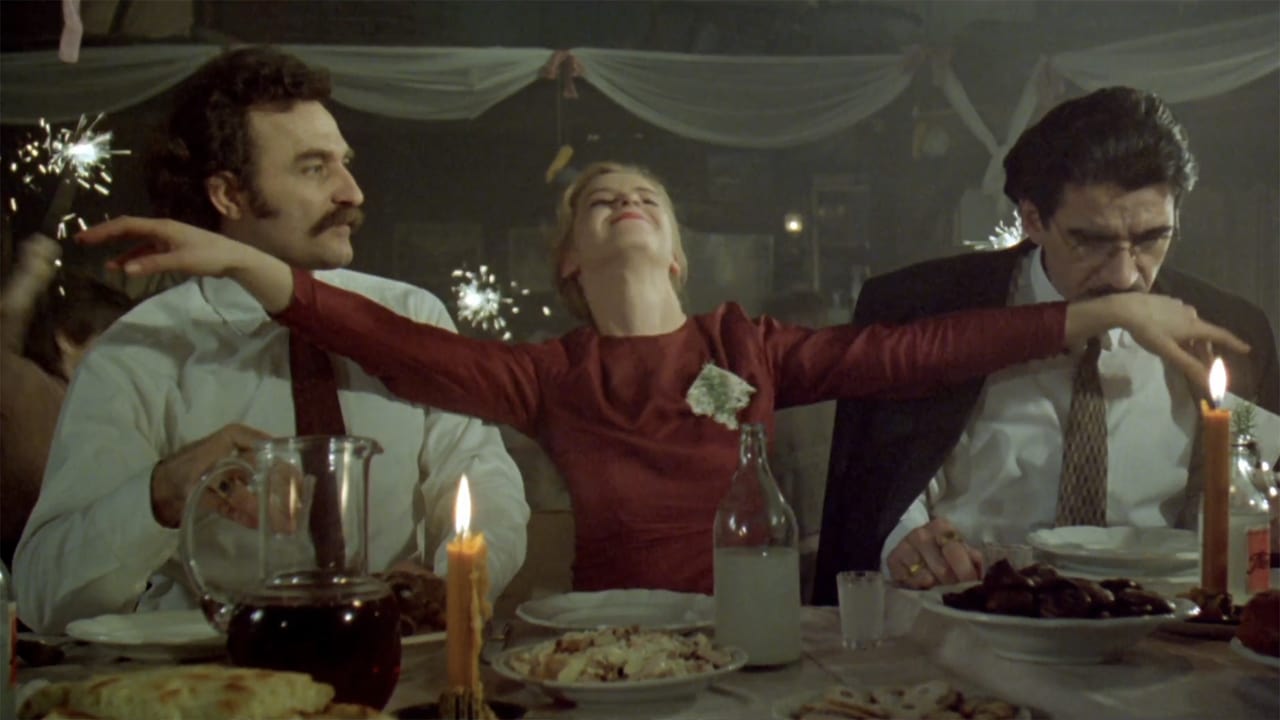
What does it mean to live a lie so vast it spans decades? That’s the haunting question echoing from the subterranean depths of this film. We follow Marko (Miki Manojlović, absolutely magnetic in his cunning) and Blacky (Lazar Ristovski, a force of pure id), two Belgrade rogues, best friends, and rivals whose lives become tragically intertwined with their nation's turbulent 20th century. Starting as small-time criminals and Communist Party members during the Nazi occupation, their paths diverge in the most extraordinary way.
A Descent into Deception
The film's audacious core conceit kicks in after an Allied bombing raid. Marko, ever the opportunist, hides Blacky, the passionate fighter Natalija (Mirjana Joković, navigating a complex role caught between two domineering men), and a whole community of partisans in his grandfather's enormous cellar. Their mission: manufacture weapons for the resistance. The twist? Marko keeps them down there long after WWII ends, feeding them propaganda, controlling their reality, and convincing them the war still rages above ground. He grows rich selling their weapons on the black market, becoming a favoured apparatchik in Tito's Yugoslavia, while his "comrades," including his best friend and the woman they both love, toil away in manufactured darkness for decades. It’s a staggering metaphor for historical manipulation, ideological blindness, and the ways nations (and individuals) can become trapped by their own myths.
Performances Forged in Fire
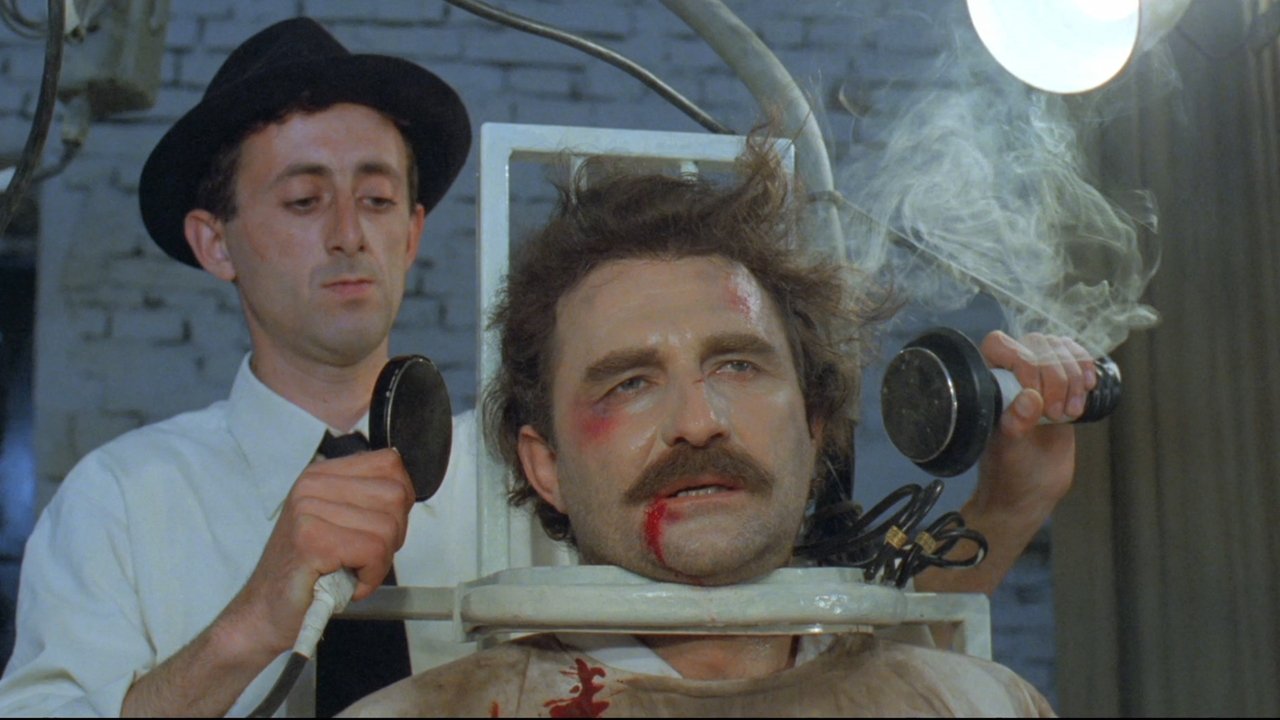
The power of Underground rests heavily on its central trio. Miki Manojlović gives a performance of stunning complexity as Marko. He’s charming, intelligent, pathetic, and monstrous all at once. You see the gears turning behind his eyes as he constructs and maintains his colossal lie, driven by greed, jealousy, and perhaps a twisted form of patriotism. Opposite him, Lazar Ristovski as Blacky is pure, unrestrained energy – passionate, violent, fiercely loyal until betrayed, and tragically naive. His emergence from the bunker decades later into a war-torn Yugoslavia he doesn't comprehend is one of modern cinema's most potent sequences. Mirjana Joković as Natalija embodies the suffering and resilience caught between these two forces, her journey reflecting the painful compromises and enduring spirit of those swept up in historical tides. Their chemistry is electric, volatile, and utterly believable.
Kusturica's Carnival of Chaos
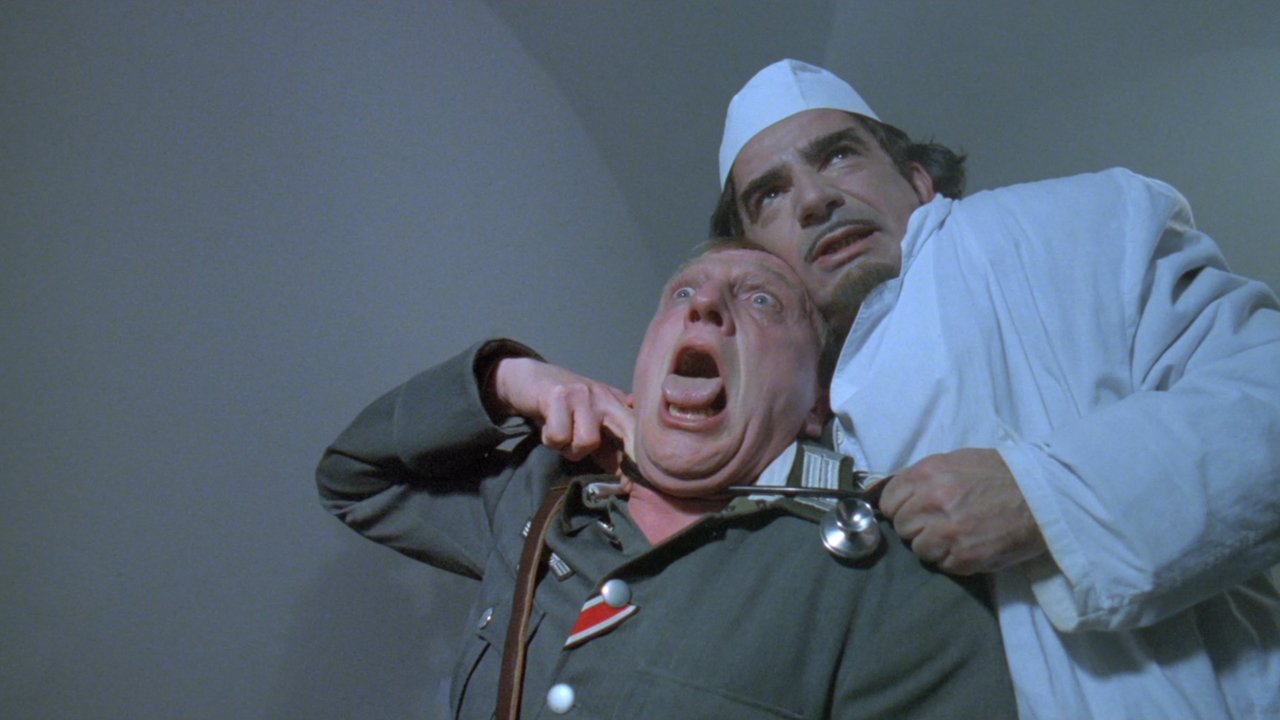
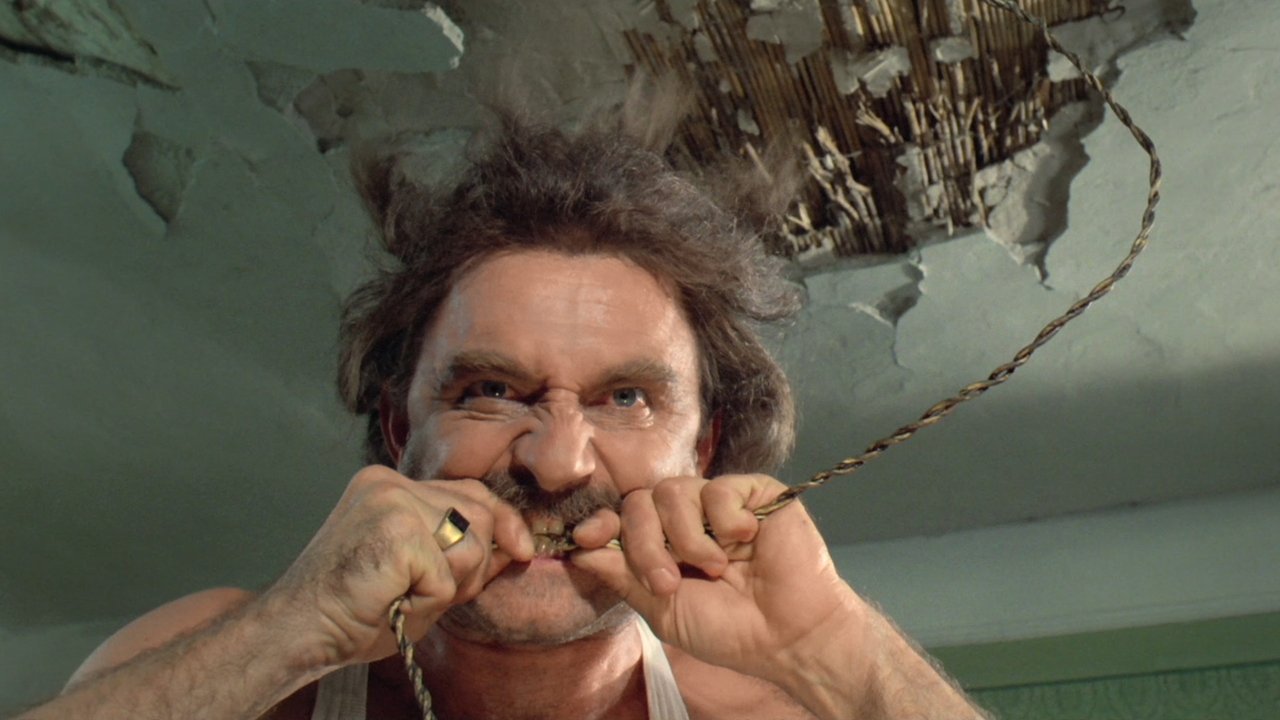
Visually and sonically, Underground is pure Emir Kusturica (who viewers might know from the vibrant energy of Time of the Gypsies or Black Cat, White Cat). The film is a relentless sensory assault, fueled by Goran Bregović's iconic, infectious Balkan brass score that somehow underscores both joyous celebration and impending doom. Scenes explode with chaotic energy – drunken revelry, sudden violence, surreal flourishes (like the unforgettable image of the disconnected continent floating away at the end). Kusturica throws history, myth, farce, and tragedy into a blender and hits puree. It’s overwhelming, sometimes exhausting, but undeniably masterful in its control of this unique tone. There's a raw, almost documentary-like texture to some scenes, fitting for a story grappling with real, raw history, even through a fantastical lens.
Retro Fun Facts & Lingering Echoes
Finding Underground back in the VHS days wasn't always easy, especially outside Europe. It felt like uncovering a hidden, potent piece of world cinema. Its Palme d'Or win at the 1995 Cannes Film Festival cemented its status but also sparked intense debate. Filmed during the brutal Yugoslav Wars, it faced accusations of taking sides, particularly a pro-Serbian stance, which Kusturica vehemently denied. He argued it was an allegory against all fratricidal conflict tearing his homeland apart. This controversy is inseparable from the film's legacy. It’s worth noting the film was adapted from a play by Dušan Kovačević, who co-wrote the screenplay, and there's an even longer version – a 5-hour TV miniseries titled Bila jednom jedna zemlja (Once Upon a Time There Was a Country) – which delves even deeper into the story. Imagine committing that much time back when you had to swap tapes! The sheer scale of the production, especially the intricate underground sets built to represent decades of confinement, is a testament to ambitious filmmaking under challenging circumstances.
The film reportedly cost around $15 million USD, a significant sum for European cinema at the time, aiming for an epic scope rarely attempted outside Hollywood. Its success was more critical than commercial initially, particularly in the West, but its reputation as a challenging masterpiece has endured.
The Verdict

Underground is not for the faint of heart or short of attention span. It's dense, demanding, and emotionally draining. Its allegorical nature can feel heavy-handed at times, and the relentless energy can border on exhausting. Yet, its power is undeniable. It’s a film that burrows under your skin, forcing you to confront uncomfortable truths about history, memory, betrayal, and the stories we tell ourselves to survive. The performances are monumental, the direction is audacious, and its central metaphor resonates long after the credits roll and the brass band finally fades. It feels less like watching a movie and more like experiencing a particularly vivid, chaotic, and meaningful dream about the tragic absurdities of the 20th century.
Rating: 9/10
Final Thought: Decades later, emerging from the bunker of Underground still feels like uncovering a hidden, uncomfortable truth – a sprawling, messy, heartbreaking masterpiece that asks: If history is buried, can it ever truly be escaped?