Here we are, fellow travelers through the flickering glow of the cathode ray tube. Tonight, let's rewind to a film that likely didn't grace the 'New Releases' wall at Blockbuster but burrowed deep into the minds of those who sought it out, perhaps on a worn TDK tape passed between friends. I'm talking about Srđan Dragojević's Lepa sela lepo gore, known internationally as Pretty Village, Pretty Flame (1996). This isn't your typical Friday night rental fodder; it's a searing, harrowing journey into the heart of the Bosnian War, a film that stares unflinchingly into the abyss of neighbour turning against neighbour.
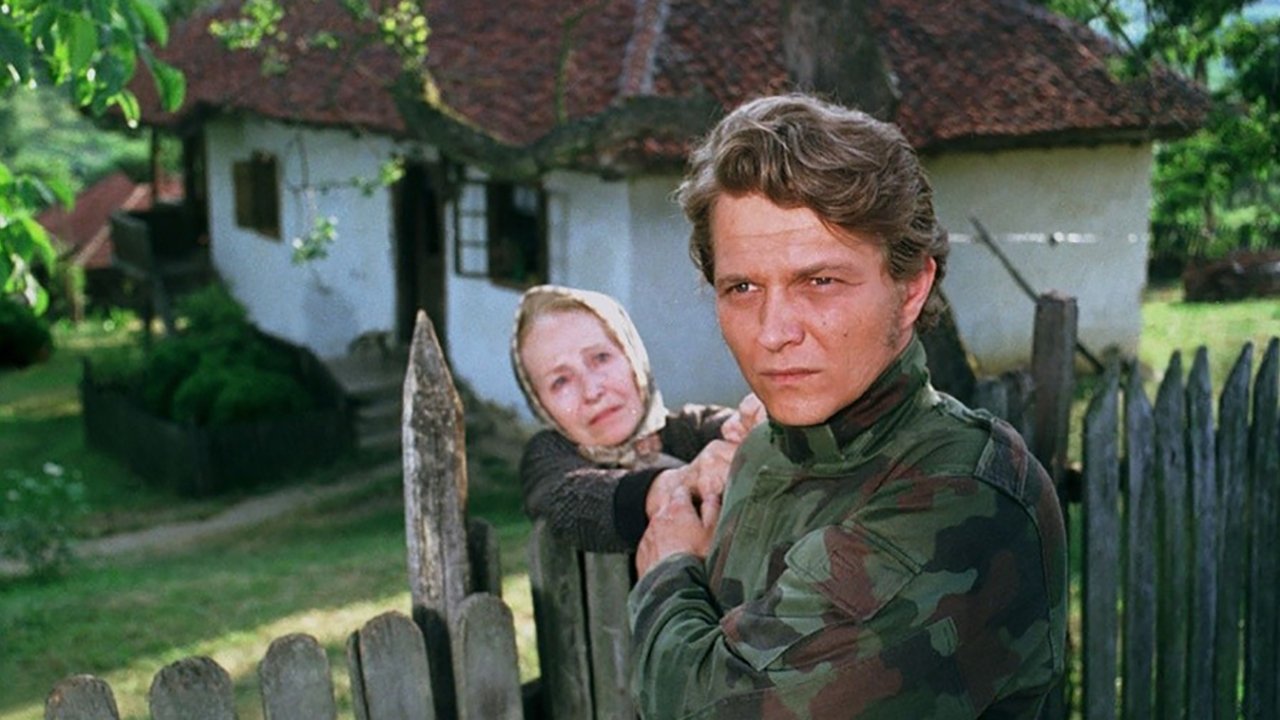
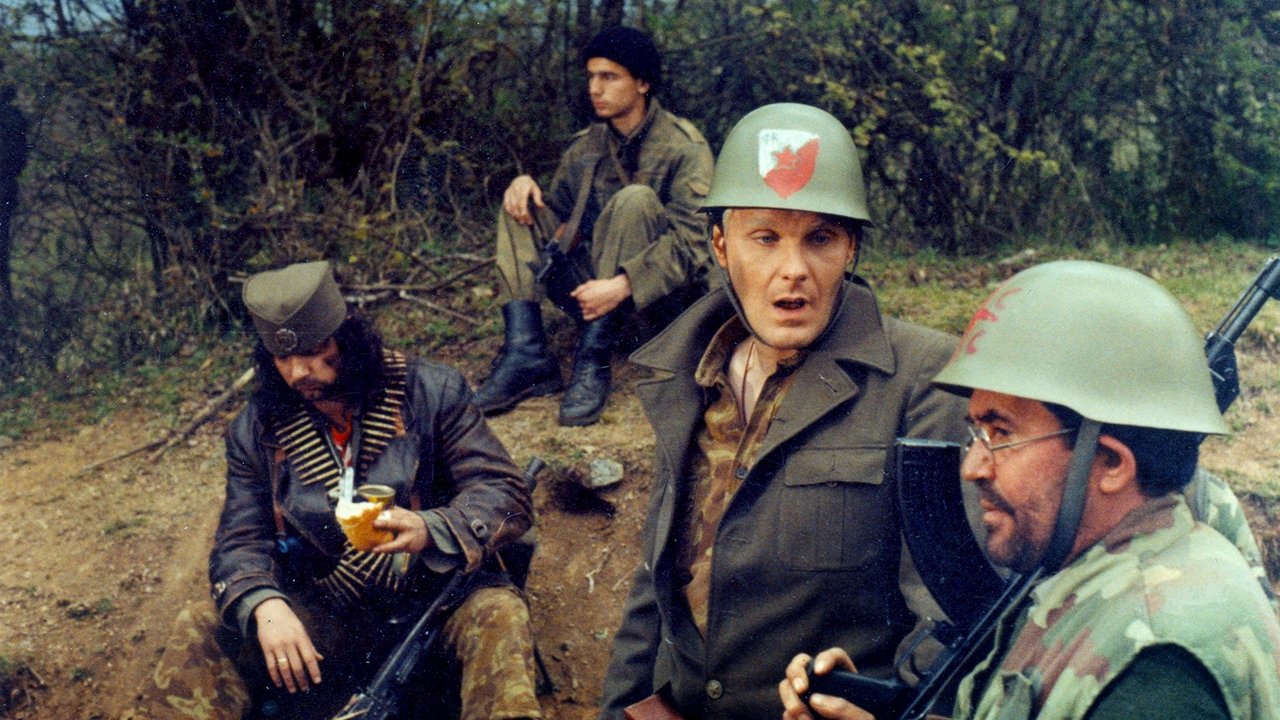
The central image lingers long after the static fades: a tunnel, dark and claustrophobic, trapping a small unit of Bosnian Serb soldiers. This becomes their purgatory, a crucible where memories, fears, and the raw, ugly truths of the conflict boil to the surface. What makes Pretty Village, Pretty Flame so potent, and frankly, so difficult to watch at times, is its grounding in reality. It was inspired by a real event, reported by journalist Vanja Bulić (who co-wrote the screenplay), where soldiers were indeed trapped in a tunnel during the fighting.
Into the Inferno
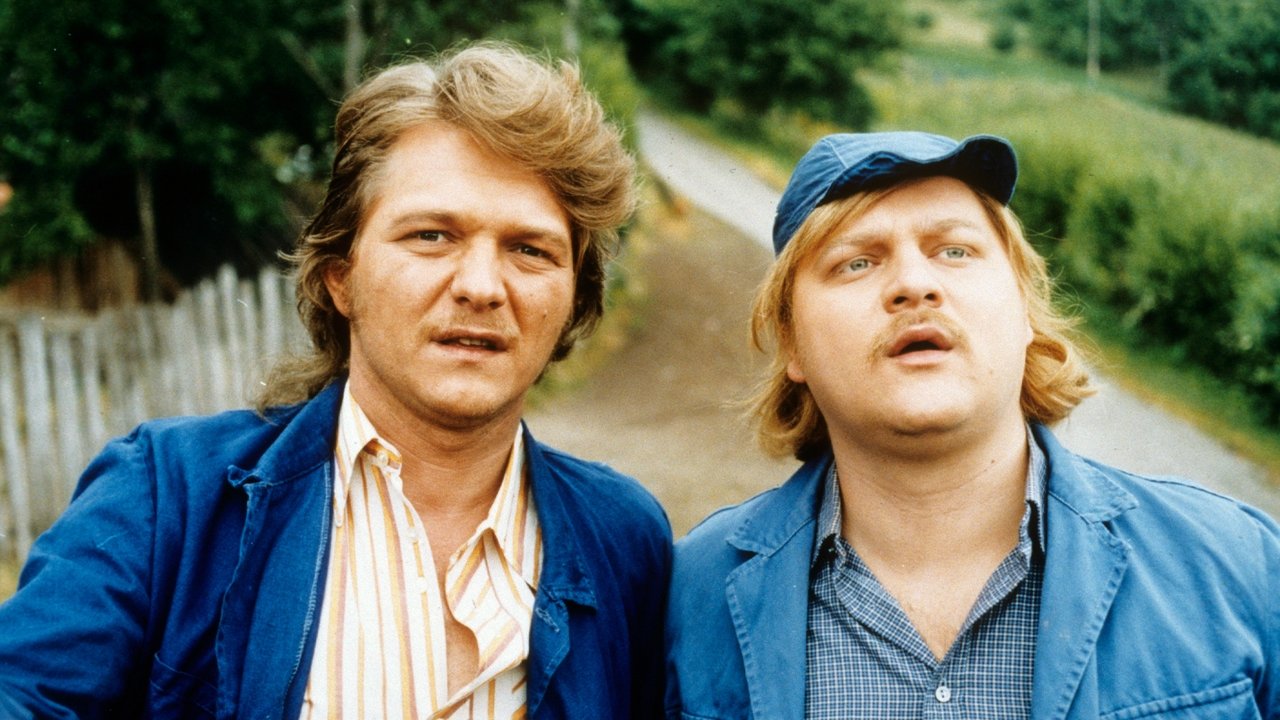
The film cleverly weaves between the suffocating present inside the tunnel and sun-drenched flashbacks to the soldiers' pre-war lives in their idyllic Bosnian village. We see Milan (Dragan Bjelogrlić, a standout) and Halil (Nikola Pejaković, also a co-writer), Serb and Bosniak respectively, as childhood best friends, sharing secrets and dreams. These flashbacks aren't just exposition; they are the aching heart of the tragedy. They show us what was lost, the shared humanity that dissolves under the corrosive acid of nationalism and war. Director Dragojević, who would later give us the very different but equally pointed satire The Parade (2011), masterfully juxtaposes these moments. The warmth of the past makes the brutality of the present almost unbearable. How did friends become mortal enemies? The film doesn't offer easy answers, only the horrifying reality of the transformation.

Faces in the Dark
The performances are utterly raw and convincing. Bjelogrlić as Milan carries the weight of this shattered brotherhood, his face a canvas of confusion, rage, and lingering affection warring within him. Nikola Kojo as Velja, the hardened cynic of the group, provides a counterpoint, seemingly embracing the nihilism of their situation. And the late, great Dragan Maksimović, as Professor Petar, brings a tragic intellectual detachment, observing the descent into madness while trapped within it. It's a testament to the actors and director that these characters feel terrifyingly real, stripped of heroic pretence and laid bare in their fear and desperation.
One of the most staggering pieces of trivia surrounding this film, something that elevates it beyond mere cinema, is when and where it was filmed. Principal photography took place in Republika Srpska, Bosnia and Herzegovina, in 1995, mere months after the actual events depicted and while the war was still raging nearby. Imagine the sheer audacity, the danger, the immediacy of creating art under such conditions. This context adds an almost unbearable layer of authenticity. The shell-shocked landscapes aren't set dressing; they are the very recent scars of the conflict the film dissects. Reportedly, the production even utilized actual military equipment and personnel provided by the Bosnian Serb army – a fact that fueled much of the controversy surrounding the film's perspective upon release.
A Controversial Catharsis?
Pretty Village, Pretty Flame was, and remains, controversial. Accused by some of presenting a Serb-centric view of the conflict, it was lauded by others for its powerful anti-war message and its brave portrayal of the human cost on all sides. It doesn't shy away from the brutality perpetrated by its protagonists, nor does it sanitize the complexities. The film's notorious dark humour – moments of grim absurdity that puncture the tension – feels less like a joke and more like a defense mechanism, a final, desperate gasp of sanity in the face of the unthinkable. Does it offer a balanced historical account? That's a debate for historians. What it offers cinematically is a visceral, deeply unsettling experience that forces viewers to confront the madness of fratricidal war. It arrived like a thunderclap in Serbian cinema, becoming a massive, albeit controversial, success domestically.
For those of us encountering it on VHS in the late 90s, perhaps through a specialty video store or an import catalogue, it felt worlds away from the slick productions dominating the multiplexes. It was rough, immediate, and vital. It didn't offer escape; it demanded engagement. There was no comforting resolution, no easy moral takeaway, just the lingering chill of that tunnel and the ghosts of friendships consumed by flames.

Rating: 9/10
This high score isn't for "enjoyment" in the conventional sense. Pretty Village, Pretty Flame is a demanding, often gut-wrenching watch. The rating reflects its sheer power, the bravery of its production, the unforgettable performances, and its unflinching gaze into the human catastrophe of the Bosnian War. It's a film that achieves a terrible beauty in its depiction of ugliness, using the intimacy of personal stories to illustrate a national tragedy. It justifies its existence through its raw honesty and refusal to look away.
It leaves you pondering not just the specific horrors of that conflict, but the terrifying fragility of peace and friendship everywhere. How thin is the veneer of civilization when hatred is stoked? That question echoes long after the tape runs out.