It starts with the sea, doesn't it? That impossibly blue Aegean, stretching out under a sun that seems to have forgotten the rest of the world exists. 1991's Mediterraneo isn't just set on a Greek island during World War II; it feels like that island – sun-drenched, languid, beautiful, and adrift from time itself. It arrived quietly, a gentle Italian film amidst the louder offerings often crowding the shelves of my local video store, but finding it felt like uncovering a small, perfectly formed seashell, holding the echo of a distant, simpler world. It poses a quiet question from the outset: what happens when war sends you not into battle, but into paradise?
Adrift in Arcadia
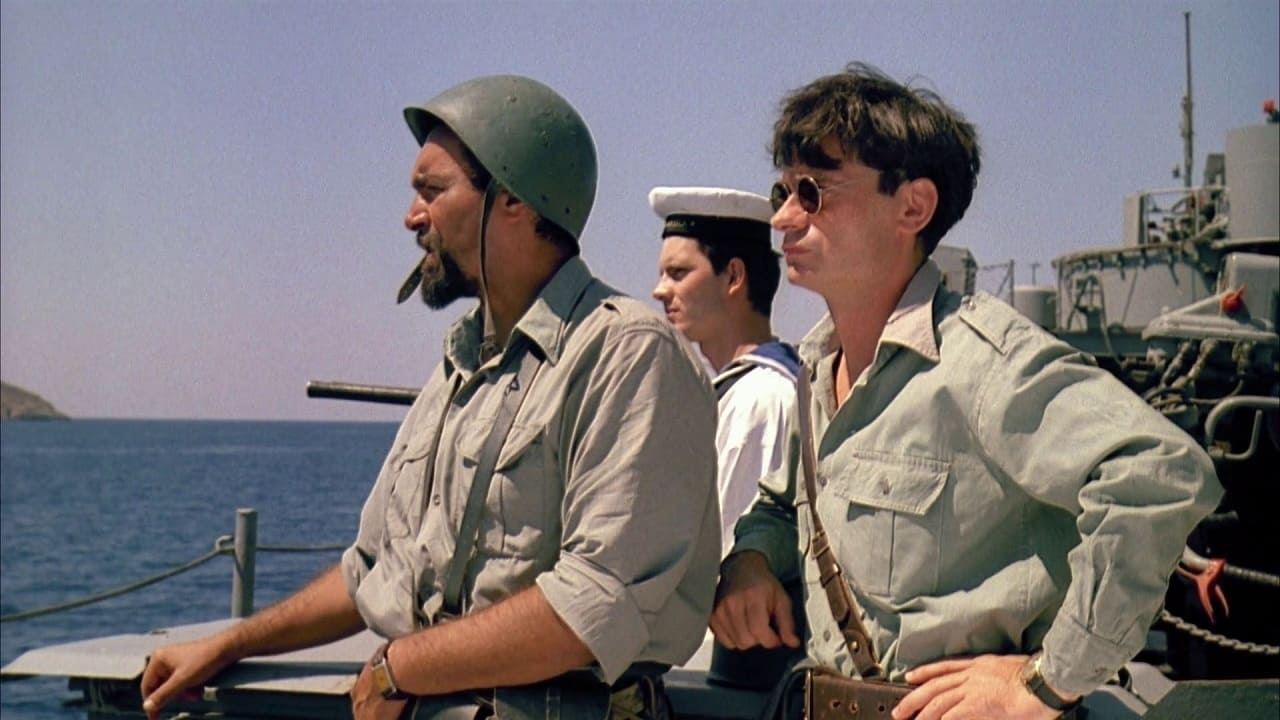
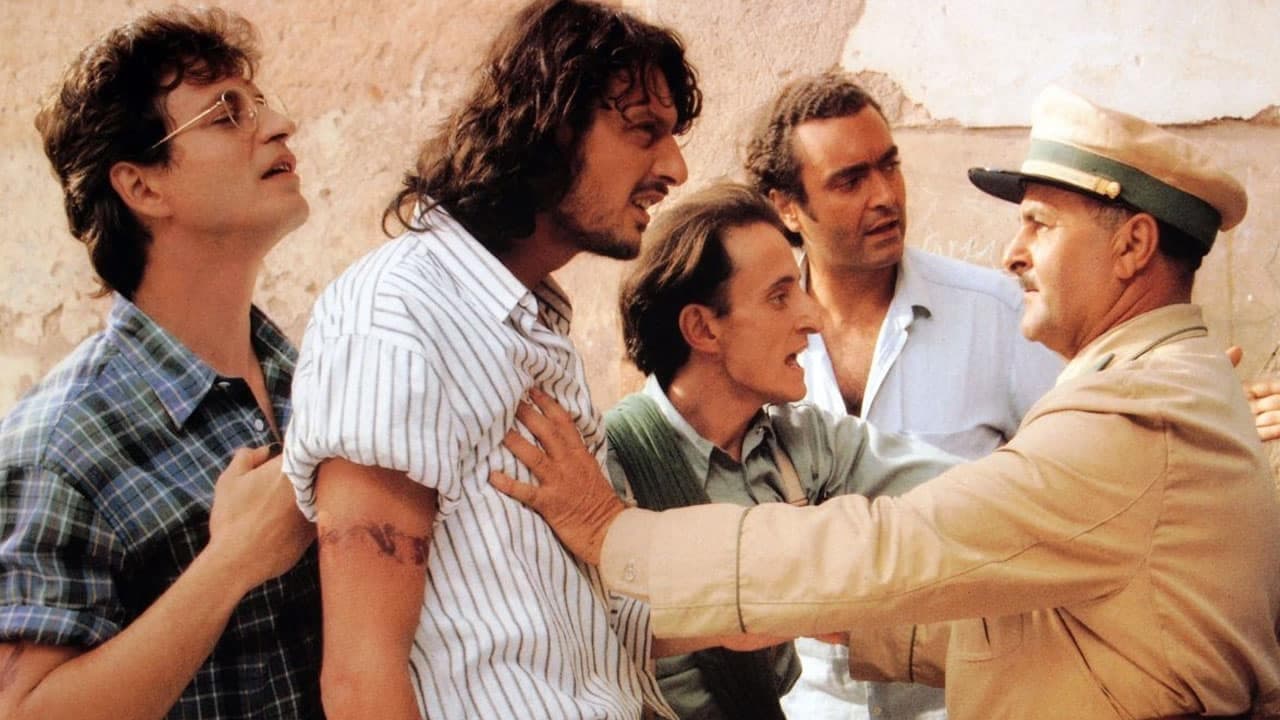
The premise is simple, almost fable-like. A small detachment of mismatched Italian soldiers, led by the poetry-reciting Lieutenant Montini (Claudio Bigagli) and the perpetually exasperated Sergeant Lo Russo (Diego Abatantuono), lands on a remote Greek island during the war. Their mission? Observation. Their reality? Utter isolation. The radio is broken, their ship sails away, and the war, for them, effectively ceases to exist. What unfolds isn't a war story, but a story of accidental escape, of finding an unexpected sanctuary where the rhythms of life slow to the pace of the tides and the ripening of figs. Director Gabriele Salvatores, who would later give us films like I'm Not Scared (2003), crafts an atmosphere here that is utterly transportive. You can almost feel the warm stone underfoot, smell the wild herbs, hear the distant bleating of goats.
Finding Humanity Far from Home
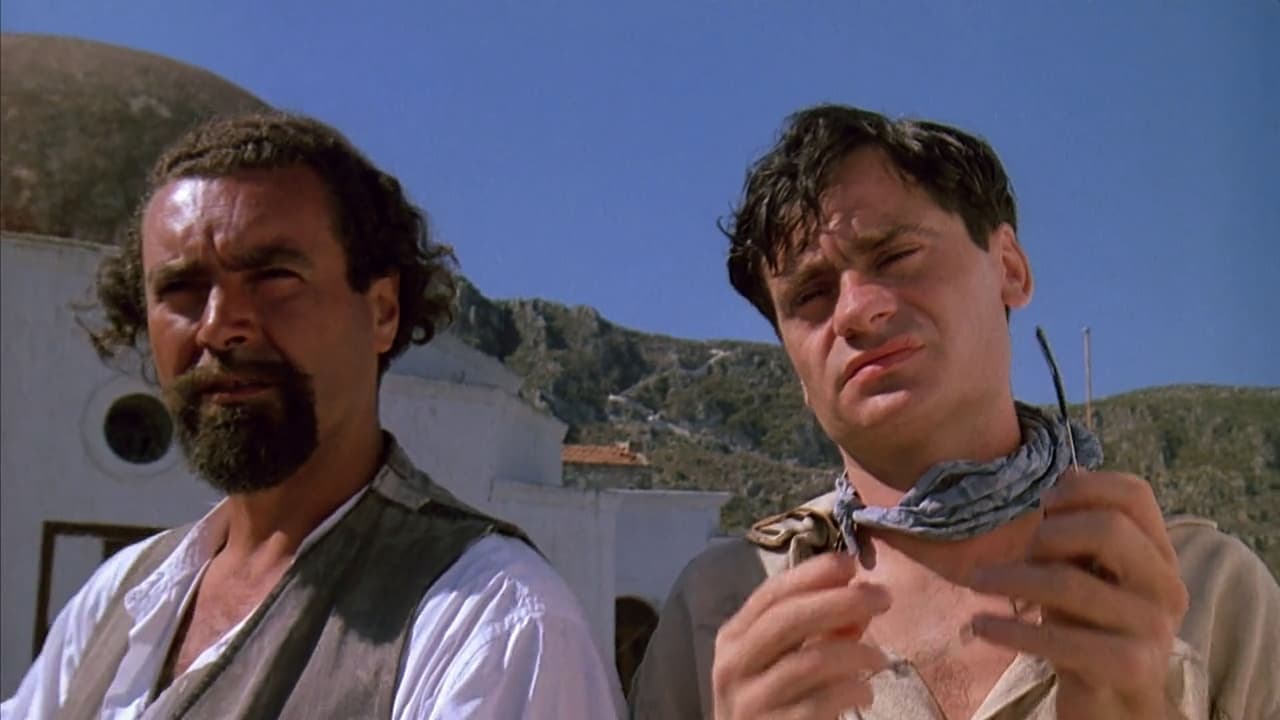
Initially wary, the soldiers slowly, inevitably, shed their military identities and melt into the island's fabric. They help restore the local church's frescoes, form bonds with the inhabitants (mostly women, children, and the elderly, the men having been taken by the Germans), and rediscover simpler pleasures. Lo Russo, played with wonderful comedic timing and underlying warmth by Abatantuono (a familiar face from many Italian comedies), finds himself organising dances. The shy, sensitive Farina (Giuseppe Cederna) falls deeply in love with the beautiful island prostitute, Vassilissa (Vanna Barba), in a relationship depicted with surprising tenderness and lack of judgment. Montini, the intellectual core of the group, translates Greek poetry and reflects on the absurdity of their situation. The ensemble cast is key here; their interactions feel authentic, capturing the easy camaraderie and occasional friction of men thrown together by fate, far from the rigid structures they once knew. Their performances aren't showy; they are lived-in, believable, allowing the gentle humour and quiet pathos of the situation to emerge naturally.
Sunlight and Shadow
But Mediterraneo isn't pure, naive escapism. There's an undercurrent of melancholy that runs beneath the idyllic surface. The war is still happening, somewhere beyond the horizon. This sun-bleached paradise is temporary, a fragile bubble destined to burst. The film beautifully captures that bittersweet feeling – the joy of the present moment tinged with the knowledge of its impermanence. It explores themes of belonging, the absurdity of conflict, and the universal human need for connection, all without resorting to heavy-handed messages. It simply observes, allowing the characters and the stunning landscape to tell the story. It’s a film about finding yourself when you are, quite literally, lost.
From Remote Island to Oscar Gold
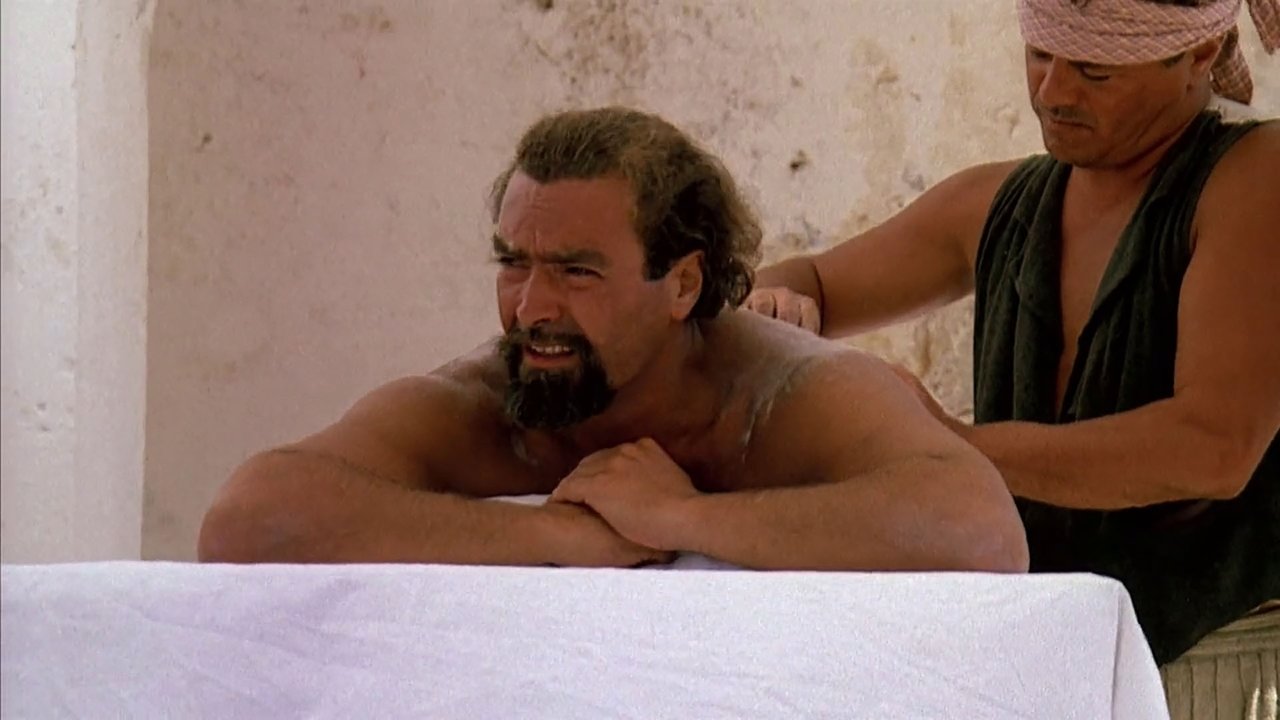
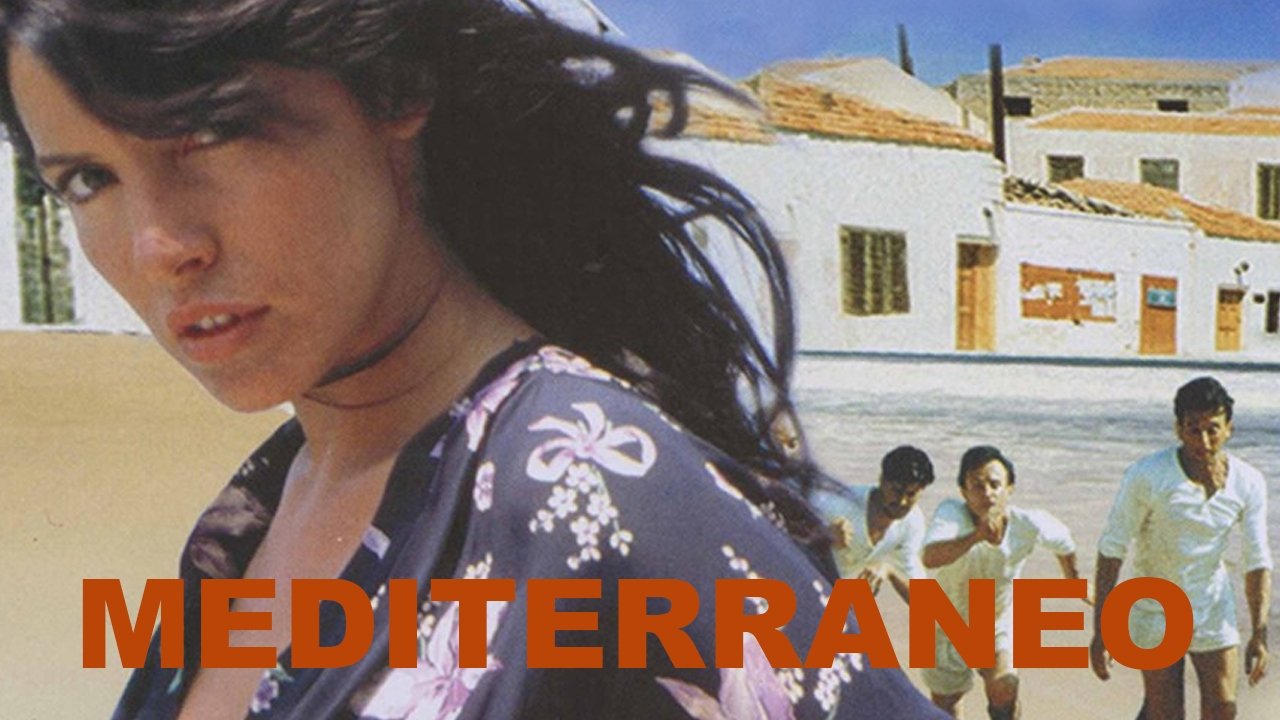
Filming took place on the breathtakingly beautiful and remarkably remote Greek island of Kastellorizo in the Dodecanese archipelago. This choice wasn't merely aesthetic; the island's genuine isolation mirrored the characters' plight and, reportedly, fostered a strong bond among the cast and crew, contributing to the film's authentic feel. Few expected this relatively low-budget Italian film, part of what Salvatores considered an informal "escape trilogy" alongside Marrakech Express (1989) and Turné (1990), to make waves internationally. Its subsequent win for Best Foreign Language Film at the 64th Academy Awards in 1992 was a genuine surprise, triumphing over higher-profile contenders. Perhaps Academy voters, like so many viewers who discovered it later on VHS, were simply charmed by its gentle humanism and its heartfelt depiction of peace found in the unlikeliest of circumstances. It certainly felt like that kind of discovery back then – a word-of-mouth gem passed between friends, a tape you'd recommend with a quiet insistence.
Lasting Resonance
Mediterraneo lingers long after the credits roll. It doesn't offer grand pronouncements, but quiet truths. It reminds us of the absurdity of borders and conflicts when faced with shared humanity, sunshine, and a good meal. It speaks to that universal longing for a simpler existence, a place to escape the noise and chaos of the modern world. Watching it again now, it feels like a postcard from a different time – not just the 1940s setting, but the early 90s era of filmmaking, where a film this gentle, this observational, could find its audience and even achieve major recognition. It lacks the cynicism that would permeate much of the decade's later cinema, offering instead a warm, hopeful, albeit tinged-with-sadness, view of the human spirit.
Rating: 9/10
This near-perfect score reflects the film's masterful blend of humour, pathos, and stunning atmosphere. The performances are universally strong and understated, the direction is assured and patient, and the core message of finding peace and connection resonates deeply. It avoids cliché and sentimentality, earning its emotional impact through quiet observation and genuine warmth. It’s a film that feels both specific to its time and place, yet timeless in its exploration of human nature.
Mediterraneo remains a beautiful reminder that sometimes, the greatest discoveries are made when we are completely lost, and that paradise might just be a state of mind, found unexpectedly on a forgotten shore. A true gem from the VHS era worth seeking out.