Okay, rewind your minds with me. Picture this: it’s 1998. You’re flipping through channels, maybe checking the premium cable guide you circled earlier, and you stumble upon an HBO movie. The title? The Pentagon Wars. Sounds serious, right? Maybe some kind of Tom Clancy knock-off? What you got instead was one of the sharpest, funniest, and most infuriating satires of military bureaucracy ever put to film – a hidden gem that felt like a revelation compared to the usual network fare. This wasn't a blockbuster rental you hunted down at Blockbuster; this was more like that surprise discovery late at night, the kind you immediately called your buddy about the next day.
### Not Your Average War Movie
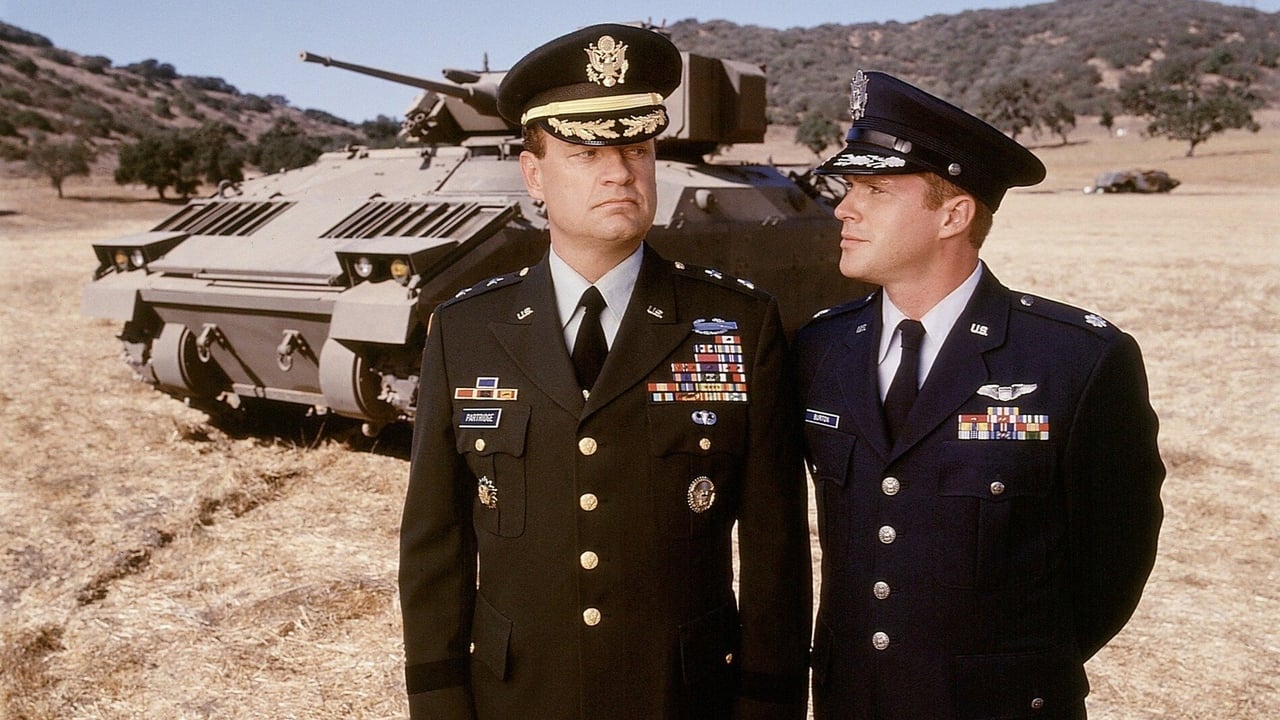
Forget explosions and firefights (well, mostly). The real battleground in The Pentagon Wars isn't some far-flung desert; it's the beige conference rooms, the testing grounds rigged for success, and the endless paper trails of the Department of Defense. The film, directed with a wickedly observant eye by Richard Benjamin (who knew his way around comedy, having given us delights like My Favorite Year (1982)), tackles the absolutely bonkers development saga of the Bradley Fighting Vehicle. If you thought building a shed involved frustrating compromises, wait until you see how the Army tried to create a troop carrier that somehow also needed to be a scout vehicle, an anti-tank weapon, amphibious, and probably capable of making decent coffee.
Our guide through this maze of military-industrial absurdity is Air Force Lieutenant Colonel James Burton, played with earnest, straight-arrow determination by Cary Elwes. Fresh off roles like Robin Hood in Men in Tights (1993), Elwes perfectly embodies the outsider tasked by Congress to oversee the Bradley's live-fire testing. He’s the audience surrogate, his jaw dropping lower and lower as he uncovers just how convoluted and compromised the $14 billion (yes, billion, over 17 years!) project has become. You feel his frustration mounting with every nonsensical requirement and dodged question.
### The General vs. The Truth-Seeker
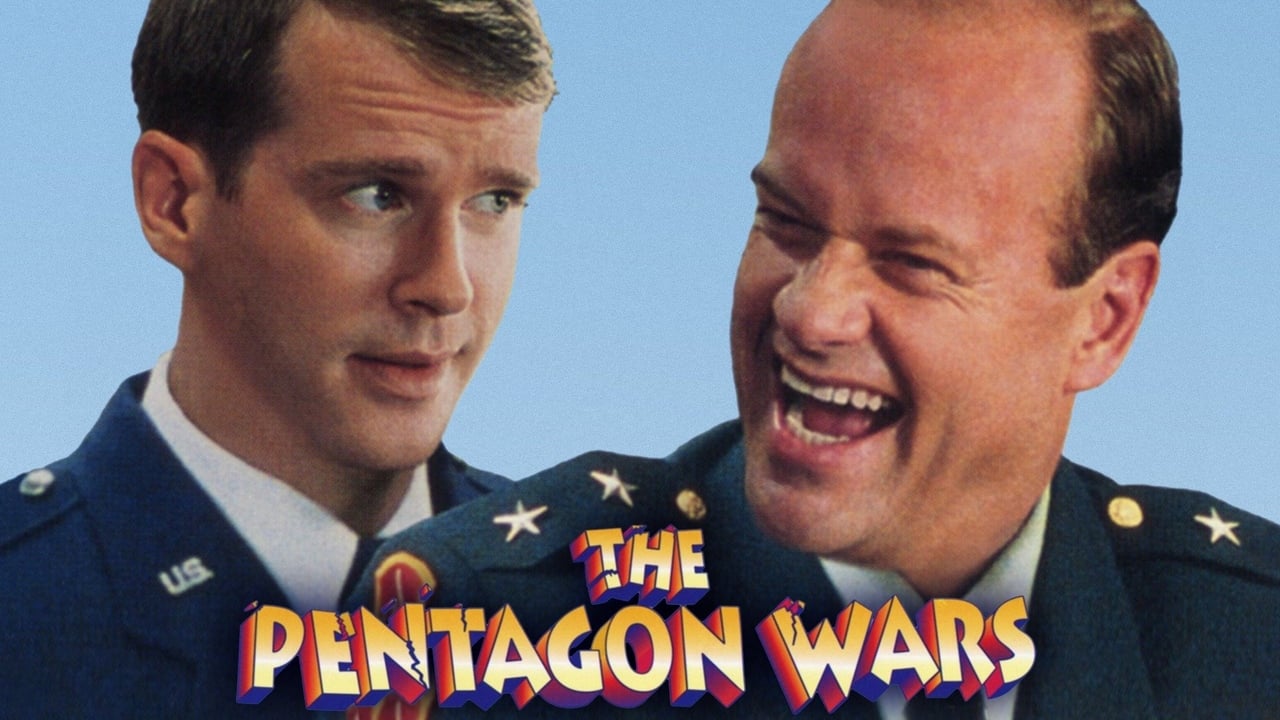
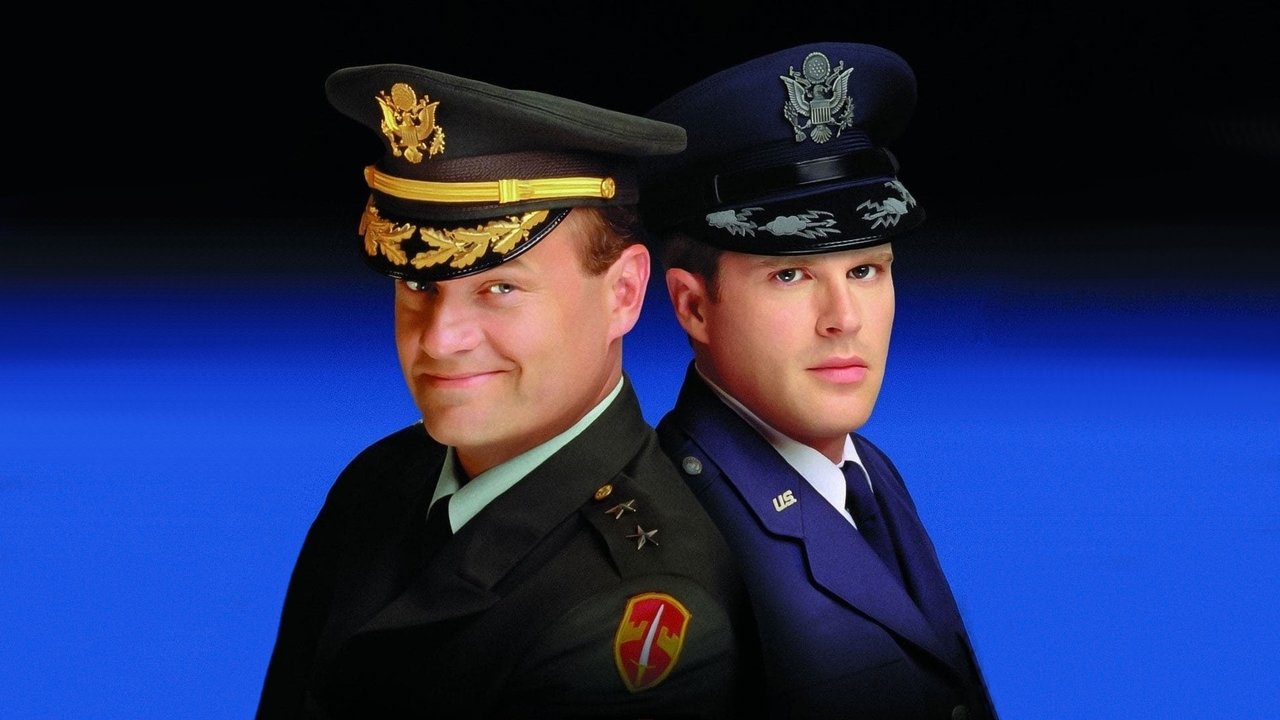
Facing off against Elwes's Burton is the magnificent Kelsey Grammer as Major General Partridge. Oh, Fraiser Crane this is not. Grammer absolutely nails the role of the smooth-talking, politically savvy general who sees Burton's insistence on actual testing as a direct threat to his career and the Army's carefully constructed image. He’s not overtly villainous, more like the embodiment of systemic inertia and self-preservation. Their verbal sparring matches are the film’s real action sequences – tense, darkly funny, and utterly believable. Watching these two actors, both masters of dialogue, go head-to-head is a true pleasure. It’s a bureaucratic cage match, and the stakes feel surprisingly high.
The film itself is based on the non-fiction book The Pentagon Wars: Reformers Challenge the Old Guard by the real Colonel James G. Burton. While it definitely simplifies and dramatizes events for comedic and narrative effect (as any adaptation must), the core absurdity? Apparently, depressingly accurate. The sheer insanity of designing by committee, where adding one feature compromises another until the vehicle is a master of none, is laid bare. Remember that infamous scene involving the sheep during the live-fire test? It's darkly hilarious on screen, but speaks volumes about the lengths gone to avoid facing inconvenient truths. A retro fun fact: The film even manages to snag a very early, brief appearance from Viola Davis as a sergeant, a cool glimpse of a future superstar!
### Why It Still Hits Home
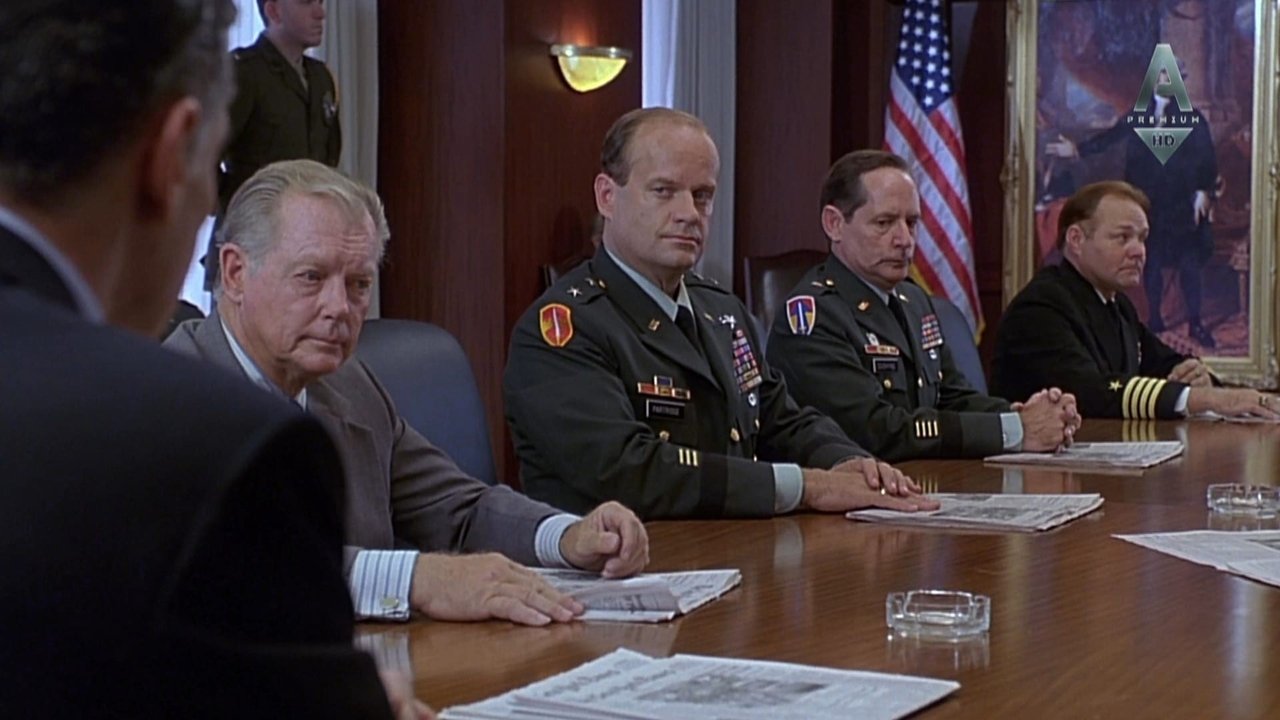
What made The Pentagon Wars feel so potent back in '98, and why it still resonates, is its focus on a different kind of battlefield. Forget the pyrotechnics; the explosions here are metaphorical – budgets detonating, careers imploding, common sense getting fragged. The film brilliantly captures the often-maddening logic of large institutions, where protecting the program becomes more important than ensuring the program actually works. The dialogue is razor-sharp, packed with military jargon that somehow becomes understandable through the sheer force of the actors' performances and the escalating ridiculousness of the situations.
Sure, it has that distinct late-90s HBO movie look – competent, clean, but maybe lacking the cinematic flair of a theatrical release. But who cared? We weren't watching this for sweeping vistas; we were watching it for the trench warfare fought with memos and PowerPoint (okay, maybe overhead projectors back then) charts. It smartly avoids taking cheap shots at the soldiers who would eventually use the Bradley; its target is firmly the byzantine procurement process itself. Critics at the time recognized its bite, earning it positive reviews unusual for a TV movie, highlighting its clever script and standout performances. It quickly became a cult favorite, especially among military personnel and policy wonks who saw more than a little truth in its satirical portrayal.
***
VHS Heaven Rating: 8.5/10
Justification: The Pentagon Wars earns this high score for its brilliant satirical script, perfectly pitched performances (especially from Grammer and Elwes), and its audacious skewering of military bureaucracy. It takes a potentially dry subject and makes it genuinely funny, tense, and thought-provoking. It might lack visual spectacle, but its intellectual fireworks more than compensate. It's a prime example of HBO's knack for producing smart, adult-oriented films that punched above their weight class back in the day.
Final Take: This is bureaucratic warfare elevated to high art, proving that sometimes the most explosive conflicts happen entirely on paper. A must-watch for fans of sharp satire and anyone who’s ever suspected a committee couldn’t design a paper bag correctly. It’s aged remarkably well, feeling just as relevant – and funny – today.