It’s a peculiar kind of deception, isn't it? Not the malicious kind born of greed or cruelty, but the sort spun from emptiness, from a desperate yearning to simply be someone. That’s the strange, compelling territory Jacques Audiard explores in his 1996 film A Self-Made Hero (Un héros très discret), a film that landed on discerning video store shelves like a quiet challenge to the louder narratives surrounding it. Watching it again now, decades later, its central question feels even more potent: in the chaos of history, who gets to write their own story, and what does that say about the stories we collectively accept?
The Blank Page of Albert Dehousse
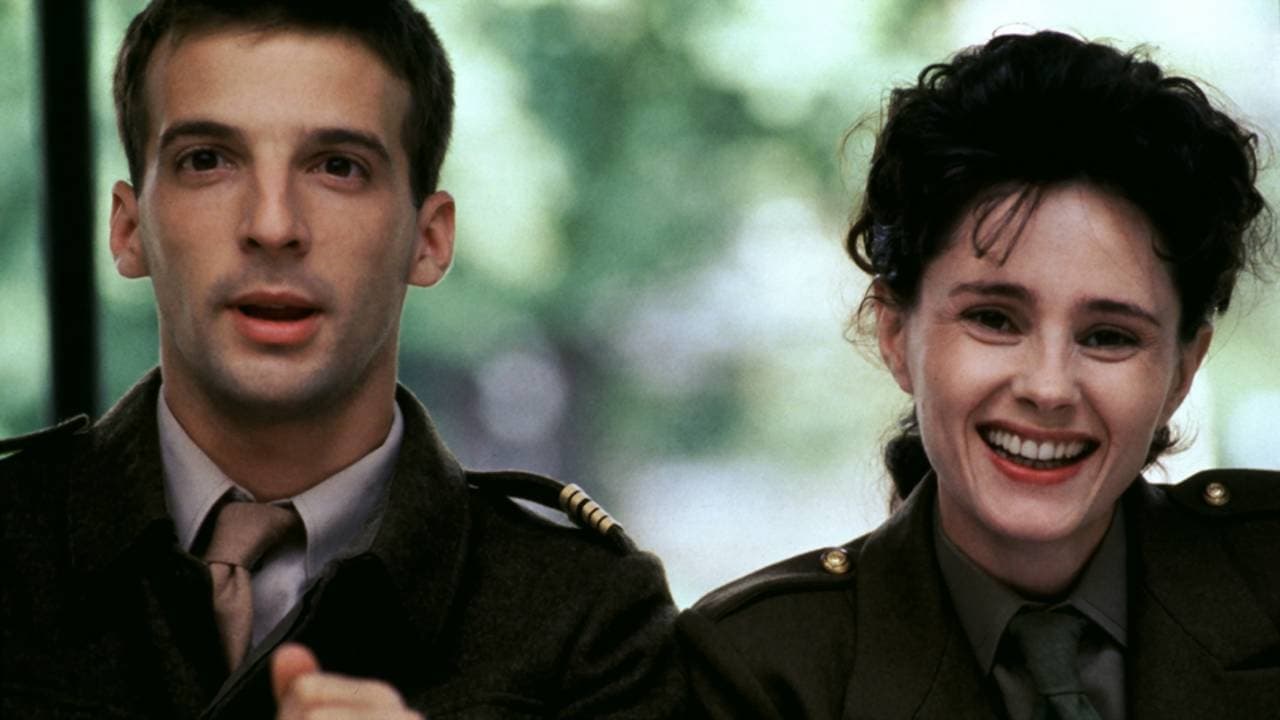
Our guide into this maze of identity is Albert Dehousse, played with unnerving subtlety by Mathieu Kassovitz. Fresh off his explosive turn directing and starring in La Haine (1995), Kassovitz here embodies a character who is almost the inverse – not raging against the system, but desperately trying to insert himself into its narrative. Albert missed the war, the defining event of his generation in occupied France. He wasn't a collaborator, nor was he a Resistance fighter. He was simply... absent. This absence gnaws at him, leaving a void he feels compelled to fill, not with truth, but with a meticulously crafted fiction.
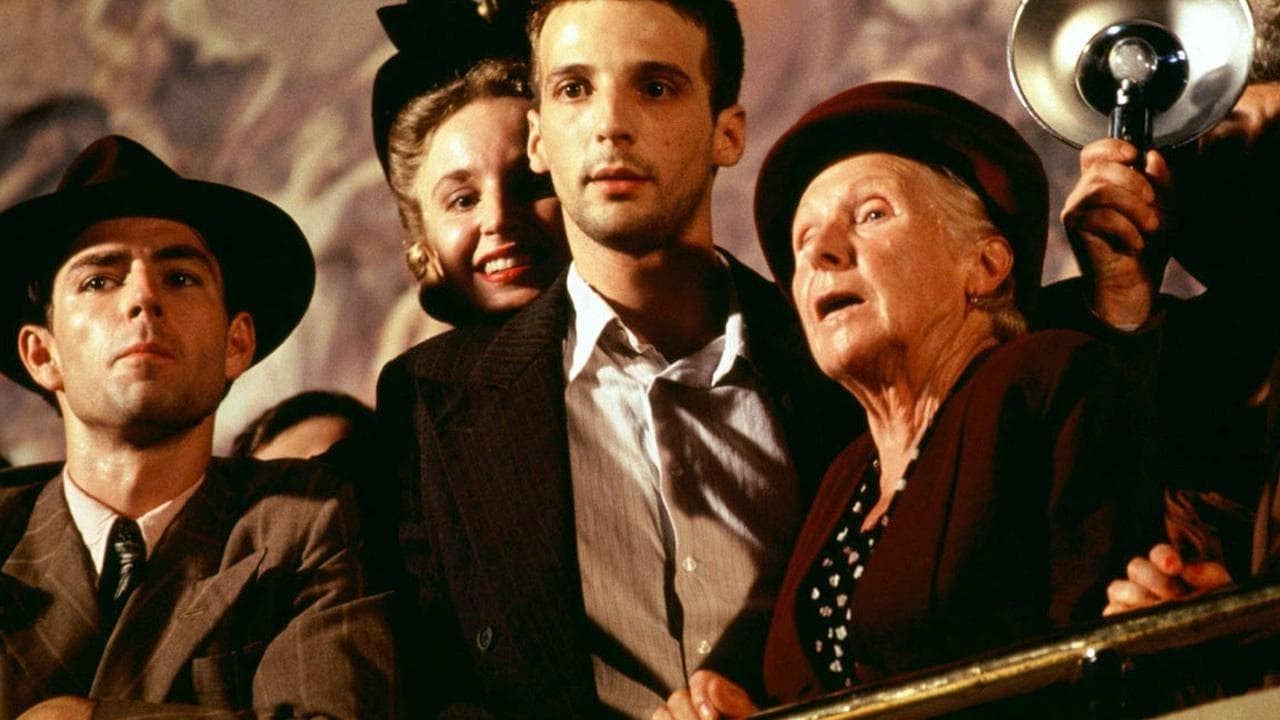
The film follows Albert as he moves to Paris post-liberation and begins the audacious task of inventing a heroic wartime past. He studies Resistance memoirs, mimics gestures, absorbs jargon, and gradually, expertly, weaves himself into the fabric of the newly forming post-war society. Audiard, who also co-wrote the screenplay with Alain Le Henry (adapting loosely from Jean-François Deniau's novel), presents this not as a straightforward drama, but through a fascinating mock-documentary lens. We get talking-head interviews with older versions of the characters, conflicting accounts, and cleverly integrated (sometimes fabricated) archival footage, constantly forcing us to question what’s real and what’s part of Albert’s elaborate performance.
Crafting a Counterfeit History
This structural choice is brilliant. It mirrors Albert’s own process of constructing a believable past from disparate fragments. It also implicates us, the viewers. How readily do we accept the narratives presented to us, especially when they confirm a desired image – in this case, the image of unified, heroic resistance? Audiard isn't necessarily condemning Albert, but rather using him as a lens to examine the collective myth-making that often follows national trauma. It’s a theme Audiard would return to in later acclaimed works like A Prophet (2009) and Rust and Bone (2012), exploring characters navigating morally grey areas and constructing identities against the odds.
The journey itself is captivating. We watch Albert infiltrate veterans' networks, charm his way into positions of influence, and even win the affection of women like the pragmatic Yvette (a wonderfully grounded Sandrine Kiberlain) and the more emotionally entangled Servane (played with soulful depth by Anouk Grinberg), who represent different facets of the world he’s trying to conquer. His audacity is breathtaking, his methods meticulous. There's a scene where he carefully rehearses a story, checking details against a map – it’s the portrait of an artist whose medium is his own life story.

The Performance of a Lifetime
Mathieu Kassovitz is the absolute anchor. He portrays Albert not as a cynical mastermind, but as someone driven by a profound insecurity, a deep-seated need for validation. There’s a hollowness in his eyes even when he succeeds, a constant fear of exposure lurking beneath the surface. He makes Albert’s pathological lying feel almost sympathetic, a desperate act of self-creation rather than pure deception. It’s a performance built on nuance – the slight hesitation, the quick calculation behind the eyes, the way he observes others to better mimic them. It’s a testament to his skill that we remain invested in this quiet imposter.
Winning Best Screenplay at the 1996 Cannes Film Festival was no fluke; the script is sharp, witty, and deeply intelligent. It understands that the lines between memory, fabrication, and history are often blurred. One fascinating tidbit is how Audiard consciously deviated from the source novel, making Albert a more ambiguous and less conventionally "heroic" figure even in his deception, deepening the film’s commentary on the nature of heroism itself. The film doesn't offer easy answers. Is Albert a con man? A product of his time? Or simply a reflection of the human desire to belong, taken to an extreme?
Why It Still Lingers
A Self-Made Hero might not have been the tape flying off the shelves every Friday night back in the day. It requires patience, a willingness to engage with ambiguity. It lacks the immediate visceral thrills of other 90s fare. But its power lies in its quiet intelligence, its unsettling exploration of how easily truth can be manipulated, and how readily societies embrace comforting lies over complex realities. Doesn't that feel particularly relevant today? The film uses its period setting to ask timeless questions about identity and the stories we tell ourselves.
The slightly grainy, textured look of the film, even beyond the faux-archival footage, feels perfectly suited to its themes – like uncovering a slightly faded, perhaps unreliable, document from the past. It’s a reminder that sometimes the most compelling stories aren't the loudest ones, but the ones whispered in the margins, blurring the edges of history.
Rating: 8/10
This score reflects the film's intelligent script, Jacques Audiard's assured direction, the masterful central performance by Mathieu Kassovitz, and its clever use of the mock-documentary format to explore profound themes. It successfully executes its ambitious concept, creating a viewing experience that is both intellectually stimulating and strangely moving. While perhaps a touch dry or deliberately paced for some viewers seeking conventional drama, its craft and thematic depth are undeniable.
A Self-Made Hero is a fascinating outlier from the 90s, a thoughtful French gem that reminds us that sometimes the most unbelievable stories are the ones people desperately need to believe – especially the ones they tell about themselves. What lingers most is the quiet audacity of its premise and the unsettling truth it reveals about the shaky foundations of identity.