Okay, slide that tape into the VCR, maybe adjust the tracking just a hair… ah, there it is. The stark, sun-bleached title card for 1995’s The Quick and the Dead. If ever a film felt like a glorious, hyper-stylized fever dream cooked up specifically for the discerning connoisseur of 90s video store coolness, it’s this one. It’s a Western, sure, but filtered through a lens so distinct, so energetic, it practically bursts off the screen – even a fuzzy CRT one.
### Welcome to Redemption. Population: Decreasing.
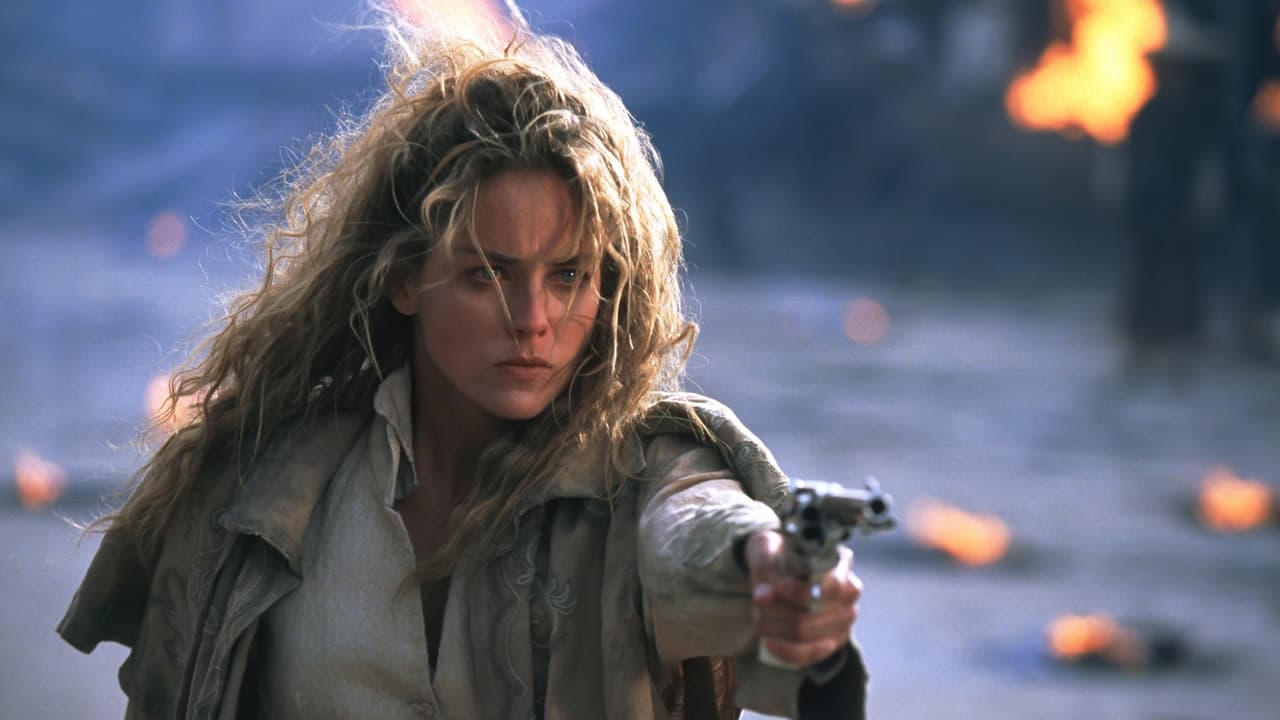
Right from the dusty opening shots, you know you're not in John Ford territory. This is Redemption, a hellhole town lorded over by the sneering, utterly ruthless John Herod, played with menacing glee by the legendary Gene Hackman. Herod runs a deadly quick-draw tournament, attracting a motley crew of gunslingers all vying for a hefty cash prize and survival. Into this deadly carnival steps a mysterious woman known only as Ellen (Sharon Stone), her motives as veiled as her past. The setup is pure pulp brilliance, a simple, elegant framework for showcasing what this movie does best: outrageously stylish gunfights.
### Raimi Unleashes Kinetic Carnage
Forget stately standoffs at high noon. Director Sam Raimi, fresh off Army of Darkness and bringing all his kinetic, horror-infused energy, turns every duel into a visual spectacle. The camera whips, zooms, crashes, and tilts with manic energy, making each draw feel like a life-or-death ballet choreographed by a caffeine-fueled madman. Remember those Evil Dead POV shots? You get echoes of that here, weaponized for the Wild West. It’s a far cry from the gritty realism some Westerns aim for; this is pure cinematic adrenaline, embracing the absurdity and cranking it to eleven.
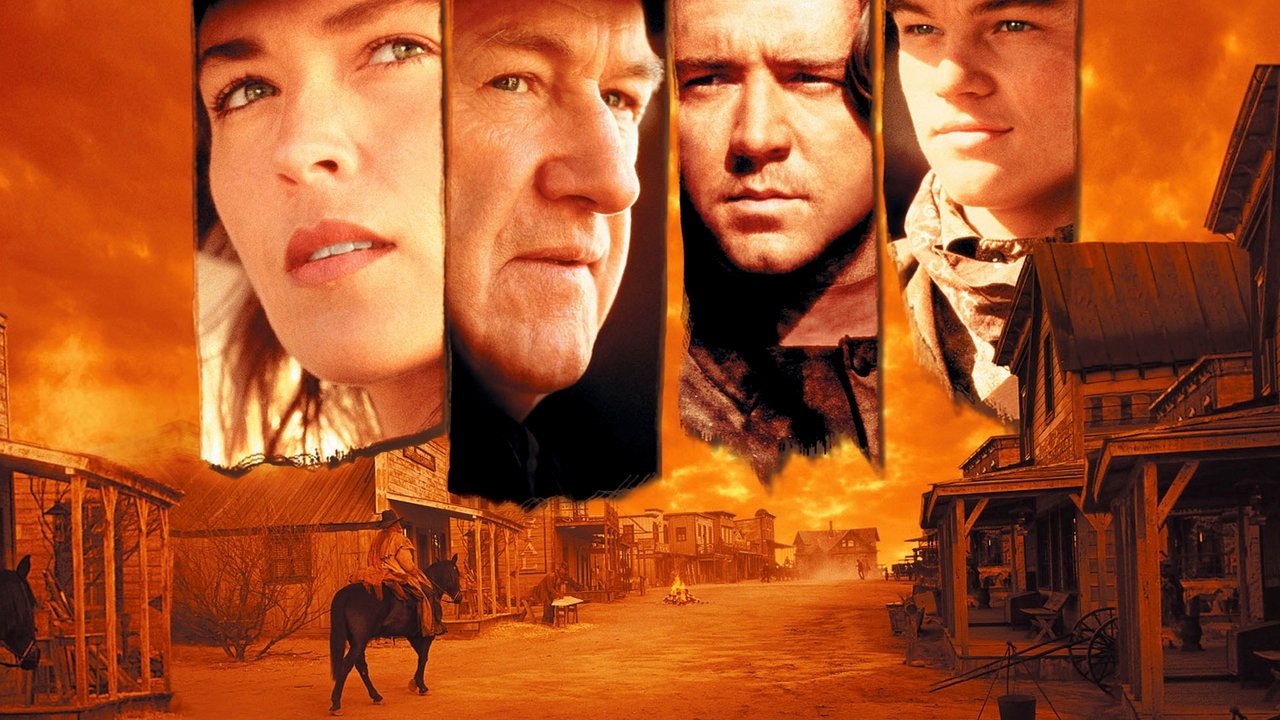
It’s worth noting that Sharon Stone, riding high on her Basic Instinct fame, was instrumental in getting this film made, acting as producer. She fought hard for Sam Raimi to direct, a choice that initially seemed odd but proved inspired. She also championed a relatively unknown Aussie actor for the role of Cort, a former associate of Herod turned preacher, forced back into the killing game. That actor? A young, smoldering Russell Crowe, years before Gladiator made him a global superstar. Stone even reportedly paid Leonardo DiCaprio's salary herself when the studio, TriStar Pictures, was hesitant about casting him as Herod's cocky son, "The Kid." Talk about having an eye for talent!
### Guns, Grit, and Glorious Practical Effects

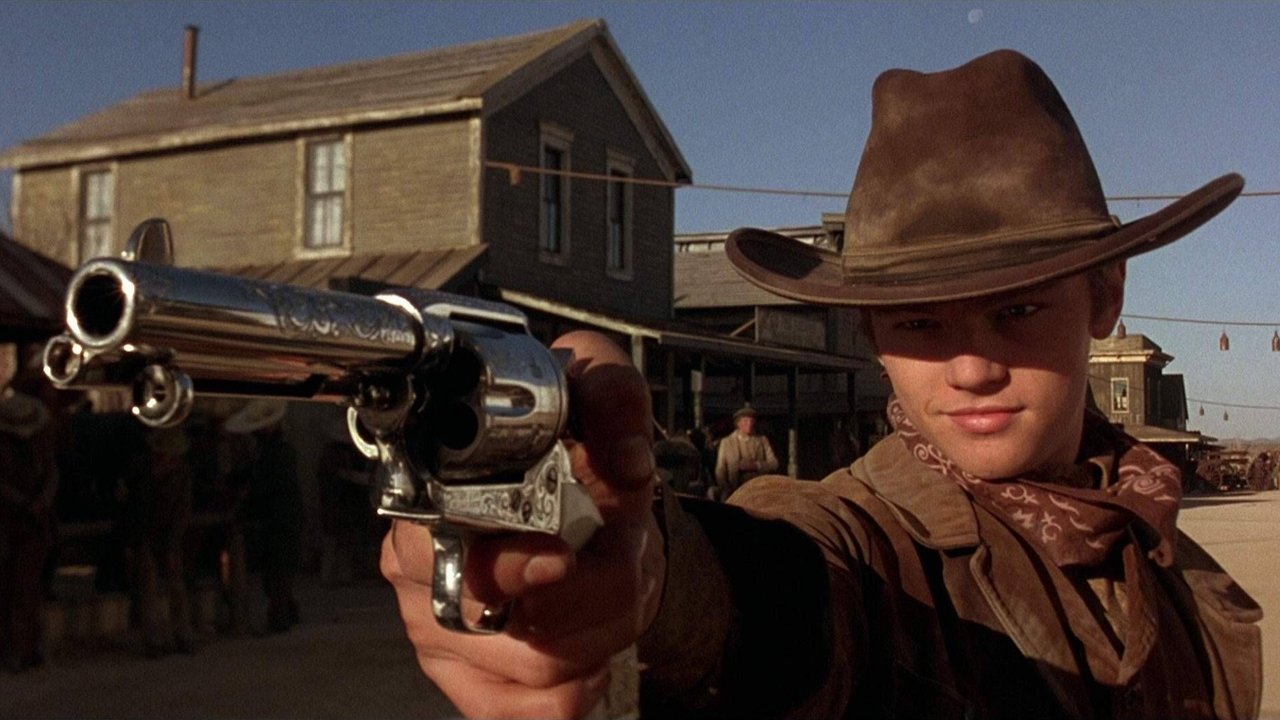
Let's talk about those gunfights, because they are the heart and soul of The Quick and the Dead. This was the era before CGI smoothed everything over, and you feel it. When a bullet hits, you see the squib detonate, the dust kick up, the physical impact. Raimi lingers on the details – the spin of a cylinder, the sweat on a brow, the glint of sun on steel. These moments felt incredibly visceral back on VHS. There's a raw, tactile quality to the action; the explosions are real fireballs, the stunts feel genuinely dangerous because, well, they often were. Remember seeing those almost comically large bullet holes appear in victims? It was stylized violence, sure, but it had a weight that purely digital effects sometimes lack. The meticulous sound design, emphasizing every click, cock, and blast, further heightened the tension.
The film boasts a fantastic rogues' gallery of supporting players, including Lance Henriksen as the flashy Ace Hanlon and Keith David as the stoic Sgt. Cantrell, each bringing their own unique flair to the tournament. Filmed largely at the famous Old Tucson Studios in Arizona (a location steeped in Western film history), the movie looks fantastic, with rich, almost exaggerated period detail in the costumes by Judianna Makovsky and the dusty, desperate atmosphere of the town. Alan Silvestri's score perfectly captures the mood, blending classic Western themes with a driving, modern pulse.
### More Style Than Story? Maybe. Who Cares?
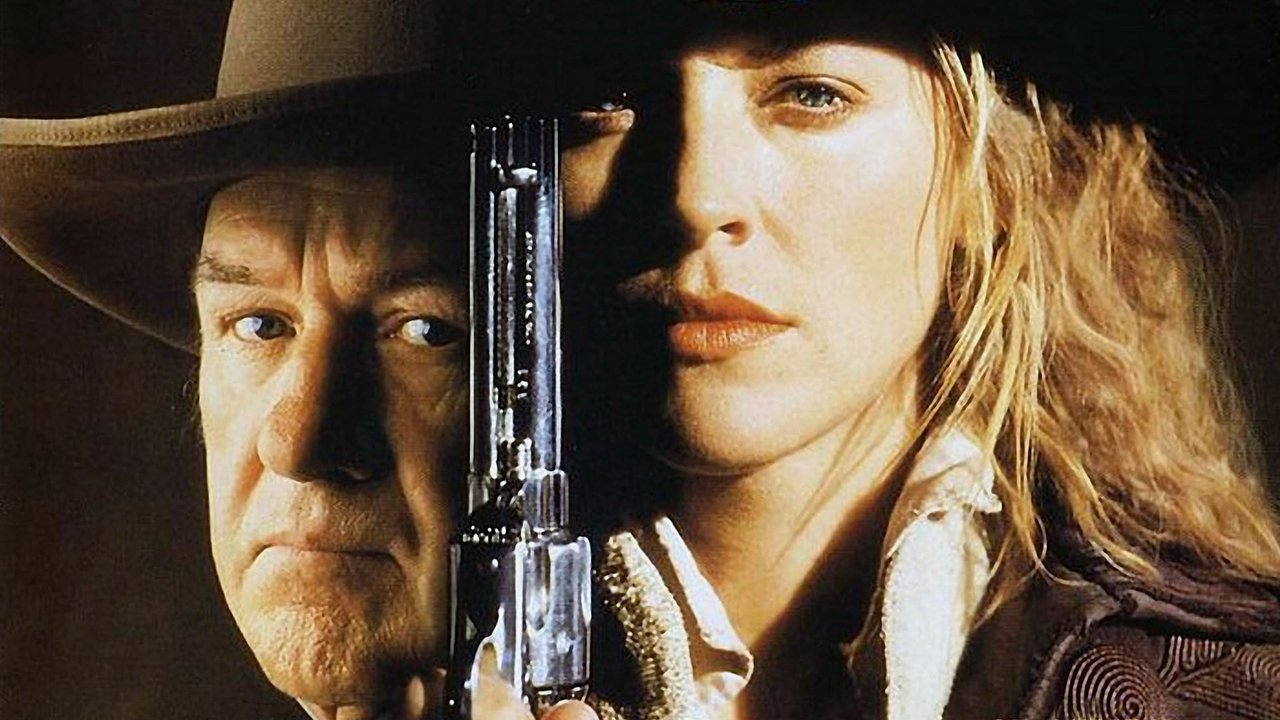
Was The Quick and the Dead a box office smash? Nope. It cost around $35 million and barely clawed back $19 million domestically upon its 1995 release. Critics were divided, praising the visuals but sometimes finding the story, penned by Simon Moore from a buzzy spec script, a bit thin. But oh, how it found its audience on home video. This was prime Friday night rental material – cool, violent, visually stunning, and packed with stars doing what they do best. Gene Hackman is magnetic as the charming psychopath Herod, Stone brings an icy resolve to Ellen, and the dynamic between Crowe's conflicted Cort and DiCaprio's arrogant Kid adds sparks.
It's not aiming for deep thematic resonance; it's aiming for maximum impact, maximum style, and maximum gun-slinging cool. And on those terms, it absolutely succeeds. Watching it today takes me right back to discovering this gem on a Blockbuster shelf, drawn in by the cover art and rewarded with something far more inventive and exciting than I expected.
Rating: 8/10
Why this score? The Quick and the Dead earns its points for sheer audacity and visual flair. Raimi's direction is electrifying, the cast is superb (especially Hackman and the emerging Crowe/DiCaprio), and the stylized, practical-effects-driven action is a joy to behold. It might be lighter on narrative depth than some genre classics, but its commitment to its unique aesthetic and pulse-pounding duels makes it immensely rewatchable. It’s a near-perfect execution of its specific, high-concept goal.
Final Thought: In an era before digital trickery became the norm, The Quick and the Dead stands as a glorious testament to how inventive direction and practical effects could make a simple premise feel utterly exhilarating – a true standout from the 90s action VHS shelf that still feels fresh and wonderfully over-the-top today. Pew pew!