"Seventy thousand dollars." It’s not the world, not power, not even respect. Just a number. Yet, in the bruised and rain-slicked cityscapes of Payback (1999), that specific sum fuels a revenge engine as cold, relentless, and brutally single-minded as anything the 90s spat out. Forget heroes. Forget redemption. Porter is here to collect, and the collateral damage is just the cost of doing business. Watching it again now, that stripped-down premise hits with the same blunt force it did pulling that tape from its clamshell case late one Friday night.
A World Washed in Bruise-Blue
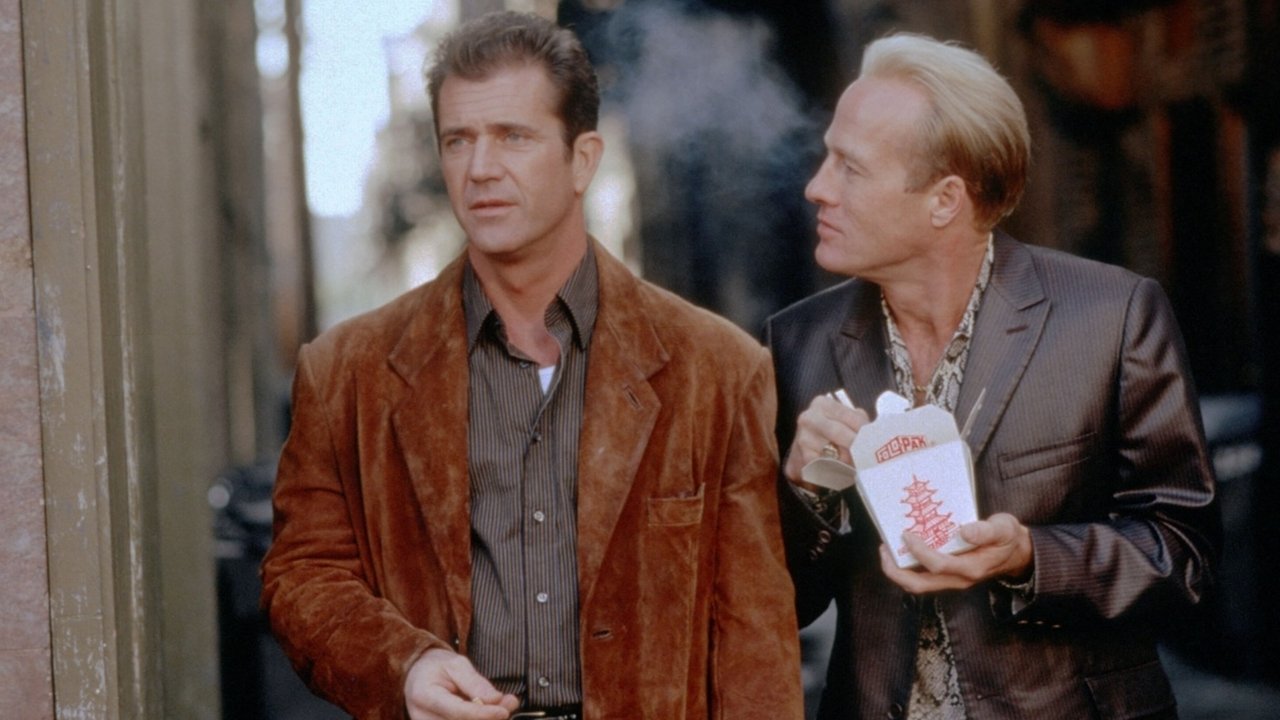
This isn't the neon-drenched excess of earlier 80s crime flicks or the hyper-stylized action that would follow in the 2000s. Payback exists in a perpetual state of urban decay, bathed in a distinctive, chilly blue-grey filter. It’s a look that feels less like a choice and more like the film stock itself caught a terminal case of the city’s malaise. This wasn't just a digital grade applied later; achieving that desaturated, metallic sheen involved a specific bleach bypass process on the actual film prints back in the day, sucking the warmth out and leaving everything feeling damp, cold, and vaguely threatening. Directed (mostly) by Brian Helgeland, fresh off his Academy Award for penning the intricate script for L.A. Confidential (1997), the film’s visual language is stark and efficient, much like its protagonist. The camera doesn't linger lovingly; it observes, often uncomfortably closely, as Porter (Mel Gibson) punches, shoots, and intimidates his way back up the ladder towards the partner who double-crossed him, Val Resnick (Gregg Henry, oozing sleaze).
Just the Facts, Ma'am (And Maybe Your Fingers)
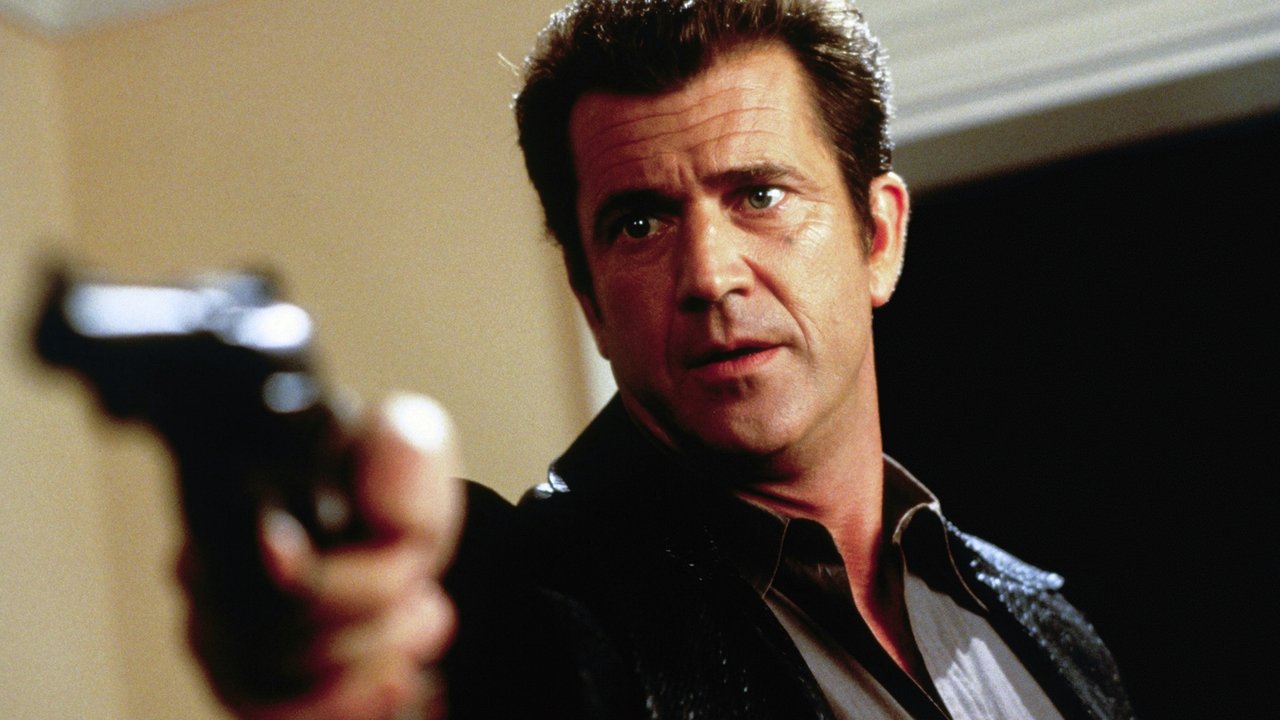
Mel Gibson, then at the height of his star power, sheds the charisma of Riggs or Wallace for something harder, more contained. Porter isn’t witty; he’s brutally pragmatic. His dialogue is sparse, functional. When he asks for his money, it's not a request. It's a statement of inevitable fact. This wasn't just Gibson playing tough guy; it felt like a deliberate pivot into anti-hero territory, embodying the spirit of the source material – Donald E. Westlake's (writing as Richard Stark) lean, mean novel "The Hunter." That book, a cornerstone of hardboiled fiction, had already seen a classic adaptation in Point Blank (1967) with Lee Marvin, and Porter carries that same ghost of implacability.
Supporting players orbit Porter's violent gravity. Maria Bello as Rosie, the call girl with a complicated past with Porter, brings a weary toughness that grounds the film slightly, while familiar faces like David Paymer, Bill Duke, William Devane, and a particularly slimy John Glover populate the underworld ranks Porter systematically dismantles. Each interaction is less a conversation and more a transaction, often ending badly for the other party. Remember that scene with the car phone and the fingers? It still makes you wince, doesn’t it?
The Story Behind the Scowl
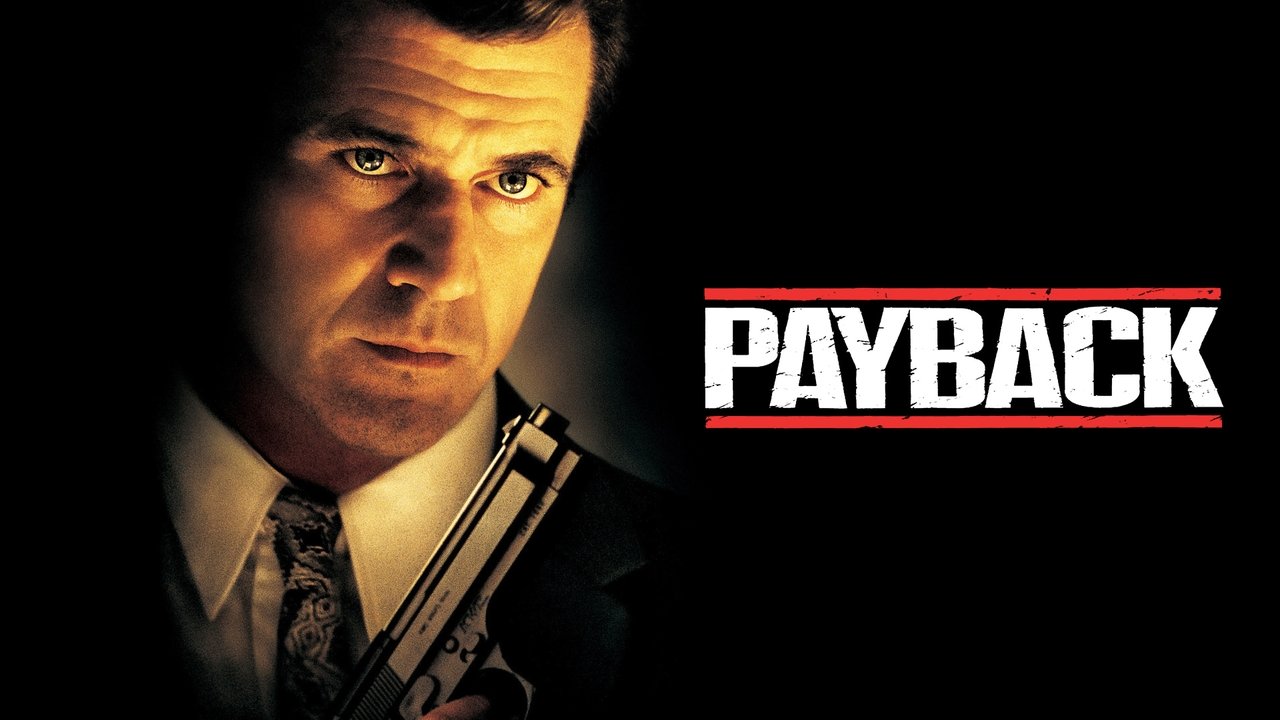
But the straightforward vengeance narrative we saw unfold on our flickering CRT screens hides a notoriously troubled production story, a piece of retro trivia that casts the film in a different light. Helgeland’s original cut was reportedly even darker, bleaker, and truer to the novel's stark ending. Test audiences balked, the studio got cold feet, and Helgeland was ultimately removed from his own directorial debut during post-production. Nearly a third of the film was reshot – reportedly helmed by production designer John Myhre – dramatically altering the third act. This is where the character of Bronson, the top boss played by Kris Kristofferson, was introduced, along with a more explosive, arguably more "audience-friendly" climax and a voice-over narration that softened Porter's edges ever so slightly. Even the dog seen in promotional materials vanished in the theatrical cut! The version that hit theaters and landed on VHS shelves, pulling in a respectable $161 million worldwide against its hefty $90 million budget, was a compromise. It wasn't until 2006 that Helgeland's intended version, Payback: Straight Up, was released on DVD, offering a fascinating look at what might have been – leaner, meaner, and without that voice-over telling us how to feel.
Does it Still Collect?
Watching the theatrical cut today, the seams occasionally show if you know where to look. The Kristofferson scenes, while adding another layer of imposing threat, feel tonally distinct from the preceding grit. Yet, the film largely works despite the interference. Its relentless pace, Gibson’s committed performance, the punchy, often brutal violence, and that pervasive, chilling atmosphere remain potent. It captures a specific late-90s cynicism, a weariness with traditional heroics perfectly encapsulated by its blunt tagline: "Get Ready to Root for the Bad Guy."
The score by Chris Boardman pulses with a low-key menace, complementing the visuals without overwhelming them. The action, when it comes, is grounded and impactful – no wire-fu here, just close-quarters brawls and sudden gunfire echoing in concrete stairwells. It’s a film built from concrete, cheap suits, and simmering resentment.
### Final Reckoning
Payback (theatrical cut) is a solid piece of late-90s neo-noir crime action. It’s stylishly grim, brutally efficient, and anchored by a compellingly cold central performance. The knowledge of its troubled production and the existence of the darker Director's Cut adds a layer of intrigue, but even as released, it delivered a satisfyingly hard-edged slice of vengeance cinema that felt right at home on the shelves of Blockbuster. It lacks the existential depth of Point Blank or the intricate plotting of L.A. Confidential, but its straightforward, bone-crunching narrative and distinctive mood make it a memorable entry in the genre.

Rating: 7/10
Justification: The film scores highly for its pervasive atmosphere, Gibson's effective anti-hero turn, its lean narrative drive, and memorable supporting villains. The points are deducted primarily for the somewhat compromised and reshot ending of the theatrical version, which feels slightly tacked-on compared to the preceding grit, and a certain one-note feel to Porter's character, even if intentional.
Final Thought: For all the behind-the-scenes drama, Payback still feels like a definitive slice of late-90s cynicism – a movie where everyone's dirty, and the 'good' guy is just the one you dislike slightly less... or maybe the one who's just better at getting what he's owed. And sometimes, that's exactly the kind of straightforward, brutal satisfaction you wanted from a weekend rental.