There was just something electric about seeing Wesley Snipes and Woody Harrelson together on a VHS box cover again in 1995. After their knockout chemistry in White Men Can't Jump (1992), the promise of them reteaming as foster brother transit cops in New York City felt like a guaranteed good time. Money Train rolled into video stores aiming for that same buddy-action magic, adding a heist element and a burgeoning star named Jennifer Lopez into the mix. Did it fully deliver? Well, grab your MetroCard, let's take a ride back.
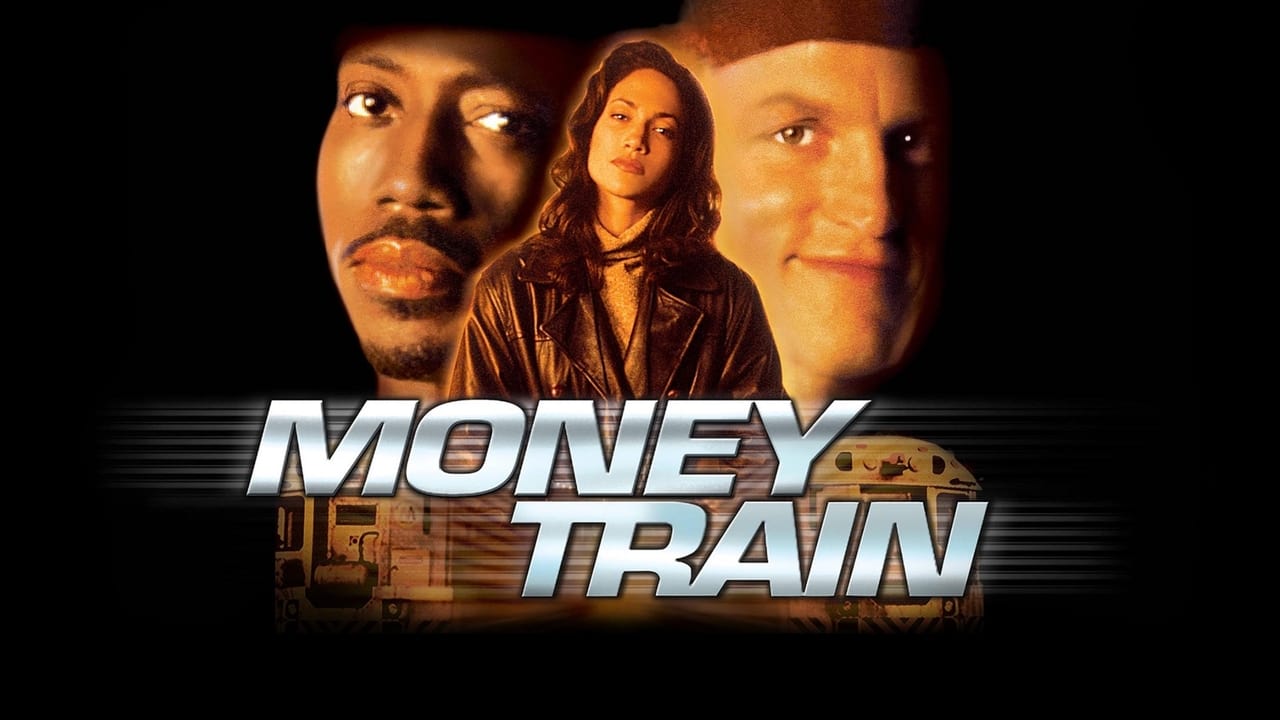
Sibling Rivalry on the Rails
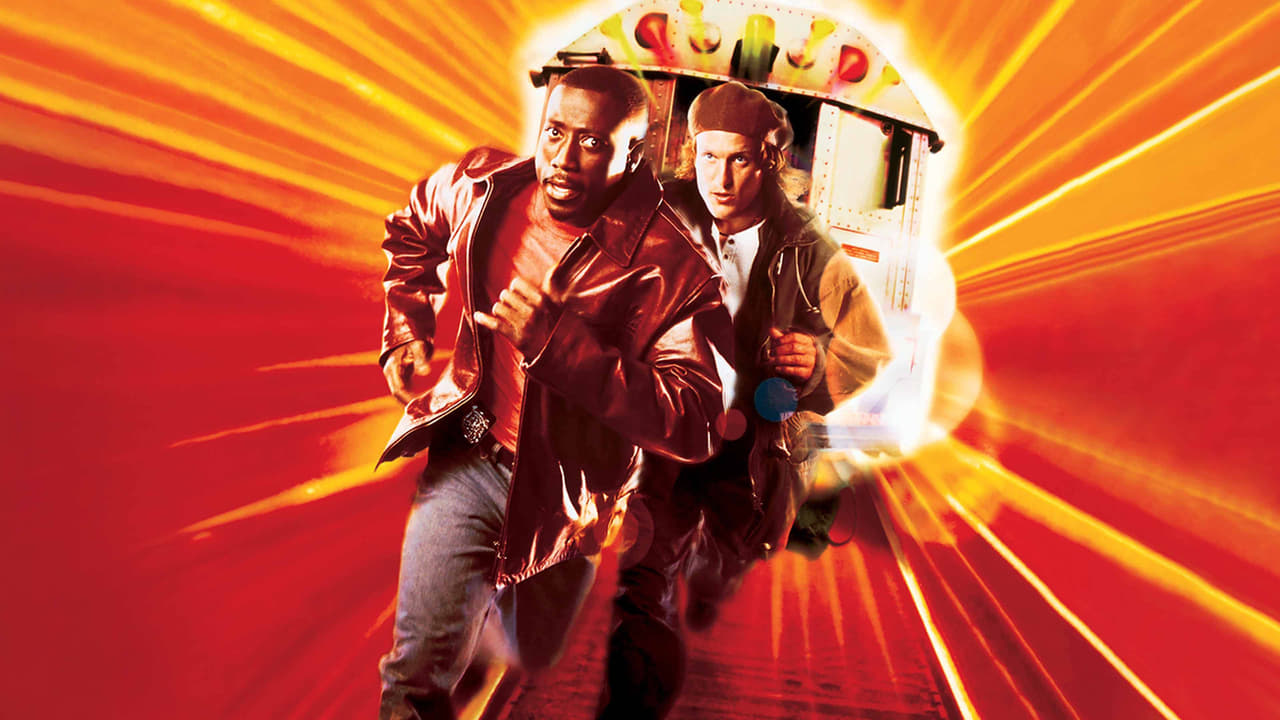
The core concept is pure 90s high-concept: John (Snipes) is the relatively responsible transit cop, while Charlie (Harrelson) is his lovable screw-up partner/brother, drowning in gambling debts. They both work undercover busting criminals on the NYC subway, and they both fall for their new colleague, the tough and capable Grace Santiago (Lopez). Hovering over everything is the mythical "money train" – an armored subway car hauling millions in daily fares – and the increasingly desperate idea that maybe, just maybe, it's the solution to Charlie's problems. Director Joseph Ruben, who previously gave us the chilling tension of Sleeping with the Enemy (1991), tries to blend wise-cracking banter with gritty urban action and a heist thriller.
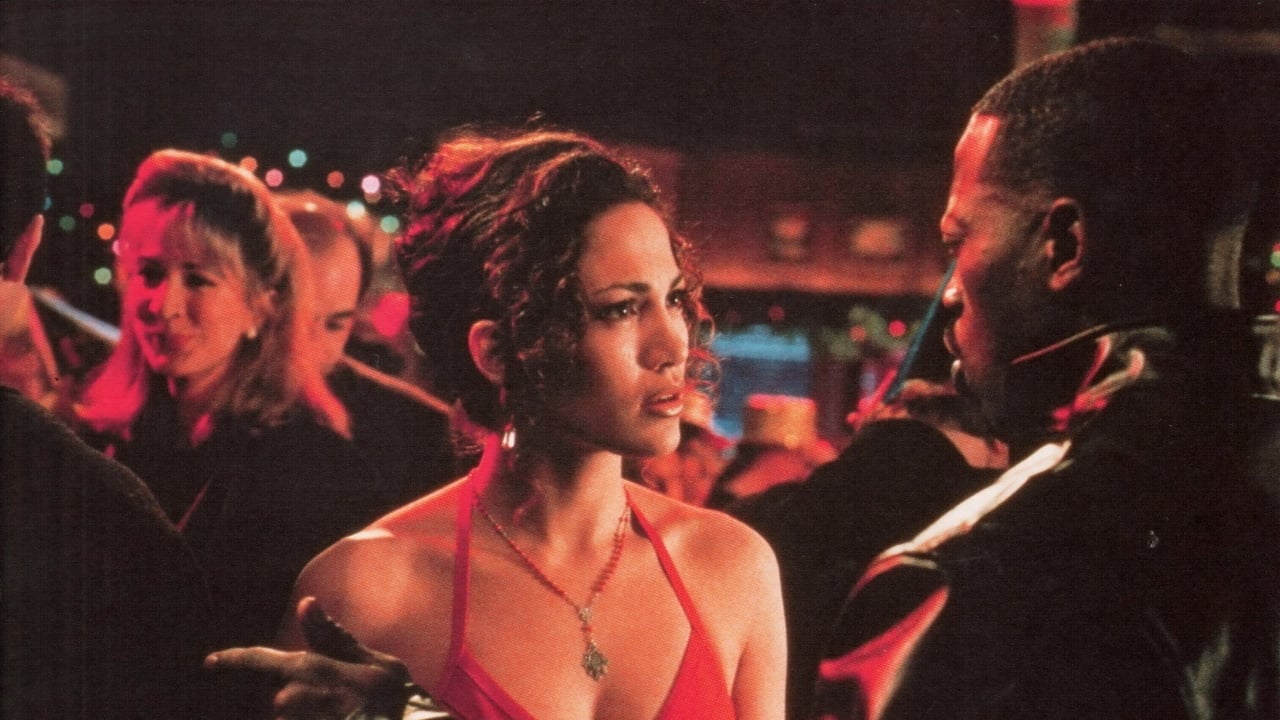
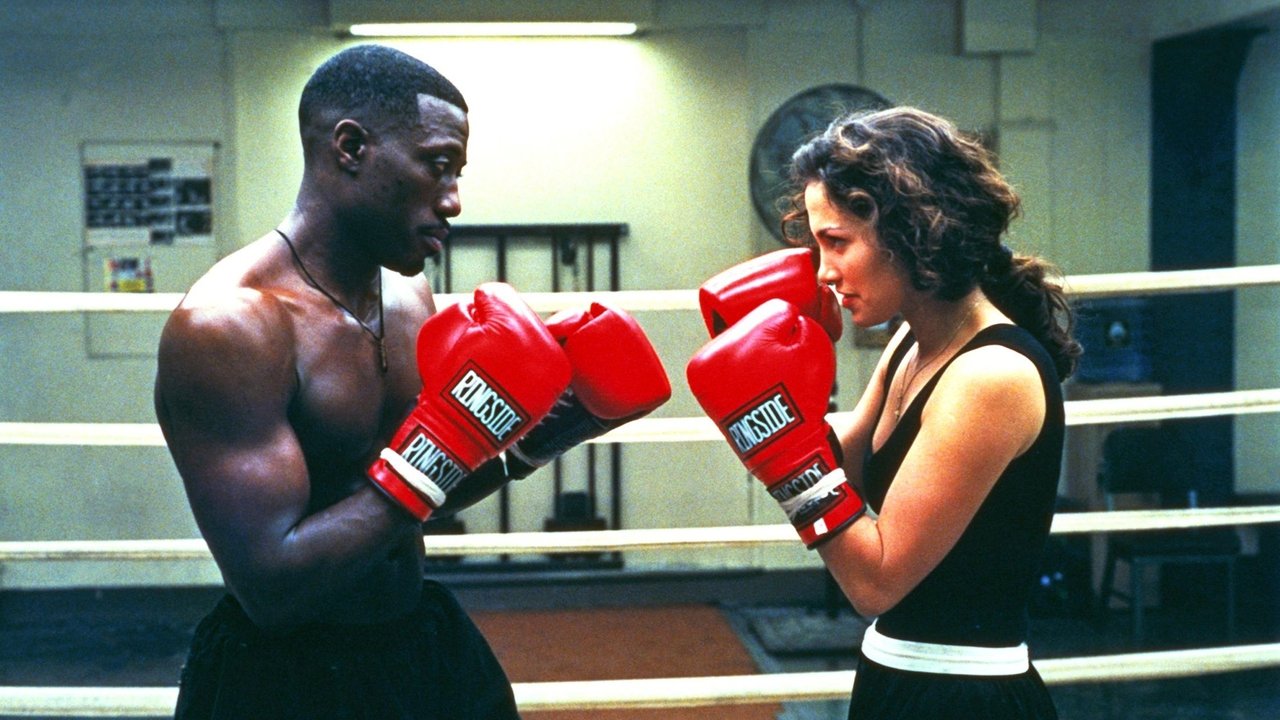
It's the dynamic between Snipes and Harrelson that truly powers the film, even when the script occasionally stumbles. Their real-life friendship translates effortlessly into believable brotherly affection and frustration. Snipes, effortlessly cool and showcasing his martial arts prowess in several crunchy fight scenes, plays the perfect straight man to Harrelson's manic, often exasperating energy. You buy their history, their loyalty, and the underlying tension caused by Charlie's self-destructive streak. And let's talk about Jennifer Lopez in one of her first major film roles. Even then, you could see the charisma and screen presence that would soon make her a global superstar. She holds her own completely between the two established leads, making Grace more than just a damsel or a love interest; she's competent and central to the action.
Practical Mayhem Underground
Where Money Train really shines for fans of the VHS era is its commitment to tangible, real-world action. Forget floaty CGI – this was the era of sparks, squibs, and stunt performers earning their paychecks. The fights feel impactful, often taking place in the grimy, confined spaces of subway cars and stations. Remember how real those bullet hits looked back then? That's the magic of well-placed squibs and practical effects. There's a visceral quality to the foot chases through crowded platforms and the hand-to-hand combat that feels distinctly pre-millennium.
One particularly nasty element involves a pyromaniac antagonist known as "The Torch," leading to scenes involving immolation. These scenes were achieved with daring stunt work and controlled fire effects that felt genuinely dangerous on screen. (Retro Fun Fact: Tragically, the film's release was overshadowed by a real-life copycat crime where a token booth clerk was set on fire in Brooklyn. While the filmmakers maintained the plot point was based on earlier real incidents, the proximity of the crime deeply impacted the film's reception and likely contributed to its somewhat muted box office performance. It reportedly cost around $68 million and pulled in about $77 million worldwide, making it far less successful than the studio hoped.)

Navigating the Tunnels
Filming extensively within the actual New York City subway system adds an incredible layer of authenticity. (Retro Fun Fact: Securing permission and managing logistics to film within the active MTA system was a massive undertaking. Reports suggest the MTA wasn't entirely pleased with the depiction of their security vulnerabilities, which, let's be honest, the film highlights rather spectacularly.) This dedication to location shooting gives the film a gritty, lived-in feel that green screens just can't replicate. You feel the rumble of the trains, the close quarters, the specific atmosphere of the NYC underground.
The supporting cast is solid, too, with Robert Blake chewing scenery as the tyrannical transit authority chief, Donald Patterson. His antagonistic relationship with the foster brothers provides much of the plot's driving conflict beyond Charlie's debts. The score, a blend of orchestral tension and 90s hip-hop/R&B tracks, firmly roots the film in its time, adding energy to the chase sequences.
The End of the Line?
Is Money Train a perfect film? Absolutely not. The plot relies heavily on Charlie making increasingly boneheaded decisions, and the tonal shifts between light comedy, serious crime, and high-octane action can sometimes feel jarring. The central heist itself, while providing a spectacular climax, requires a significant suspension of disbelief regarding transit security (even for the 90s!). Yet, watching it again evokes those Money Train VHS memories – the thrill of the practical stunts, the undeniable star power of its leads, and that specific brand of 90s action filmmaking that felt grounded, even when the premise was wild.
It wasn't the runaway hit many expected, perhaps due to the unfortunate controversy and a script that couldn't quite juggle all its elements as smoothly as White Men Can't Jump. But for fans of the leads, practical effects showcases, and 90s action comedies, it remains a thoroughly entertaining ride.
VHS Heaven Rating: 7/10
Justification: The core appeal lies in the fantastic chemistry between Snipes and Harrelson, Lopez's breakout energy, and the impressive practical action sequences filmed on location. It delivers solid 90s action thrills and buddy-cop dynamics. Points are deducted for a somewhat uneven tone, a plot reliant on convenient idiocy, and the unfortunate real-world shadow that hangs over it. However, the commitment to practical effects and the sheer star power make it a worthy revisit.
Final Thought: Like finding a surprisingly intact tape at the back of the shelf, Money Train might have a few tracking issues, but its raw, practically-fueled locomotive energy still provides a genuinely thrilling ride straight out of the 90s action playbook.