Alright, pull up a worn armchair, maybe crack open a lukewarm soda that’s been sitting beside you for an hour – we’re digging into a tape that absolutely blew my mind back in the day, a Danish export that landed like a darkly comic hand grenade: 1999’s In China They Eat Dogs (I Kina spiser de hunde). This wasn't your typical Hollywood blockbuster fare filling the shelves at Blockbuster; finding this felt like uncovering a secret handshake into a world of pitch-black humour and surprisingly explosive action. It’s the kind of film that makes you wonder, "How did they even think of this?"
### From Bank Teller to Bank Robber (Kind Of)
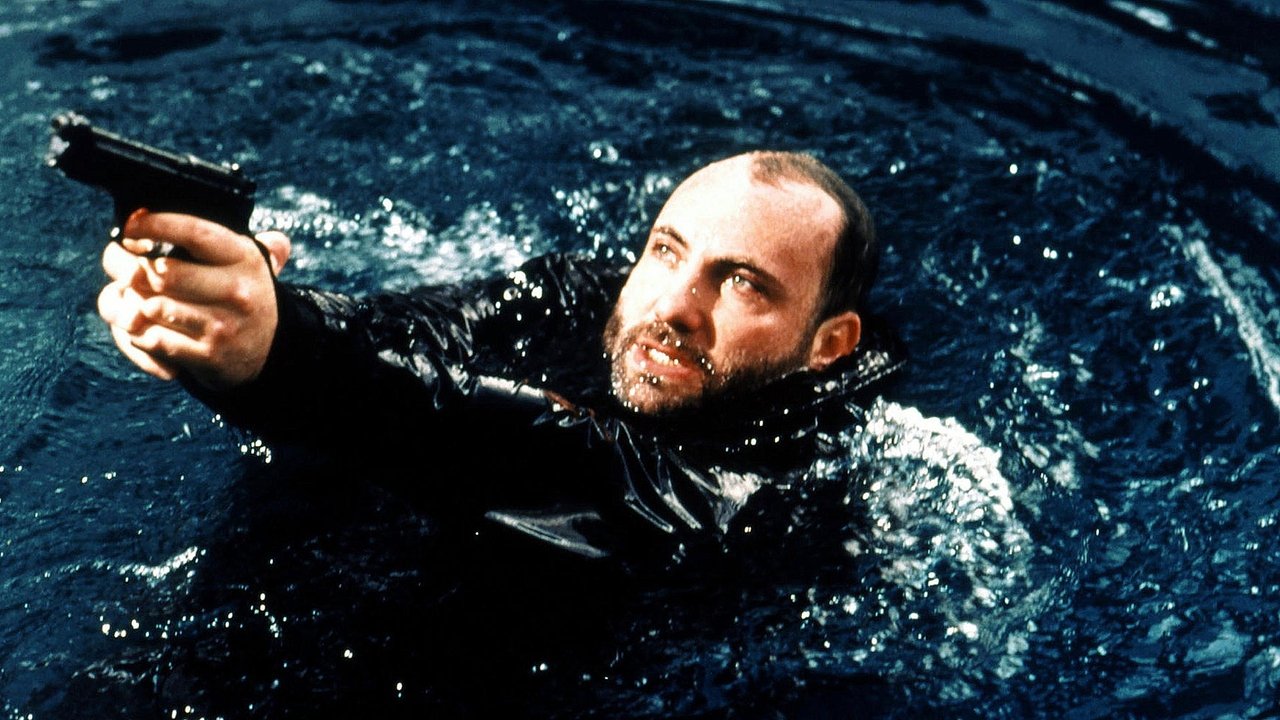
The premise kicks off with quintessential Scandinavian awkwardness. We meet Arvid (Nikolaj Lie Kaas, who consistently nails these nuanced, slightly off-kilter roles), a gentle soul working a painfully dull bank teller job. His life unravels spectacularly when his girlfriend dumps him for being too passive – specifically, for failing to intervene during a bank robbery happening right in front of him. Stung and desperate, Arvid decides the only way to win her back is through... well, misguided heroism. This leads him to seek out his estranged brother, Harald (Kim Bodnia), a man who operates on a completely different, far more criminal frequency. If you knew Bodnia from his chilling turn in Pusher (1996), seeing him here as the pragmatic, casually violent Harald feels like meeting an old, dangerous friend.
### When Worlds Collide (Violently)

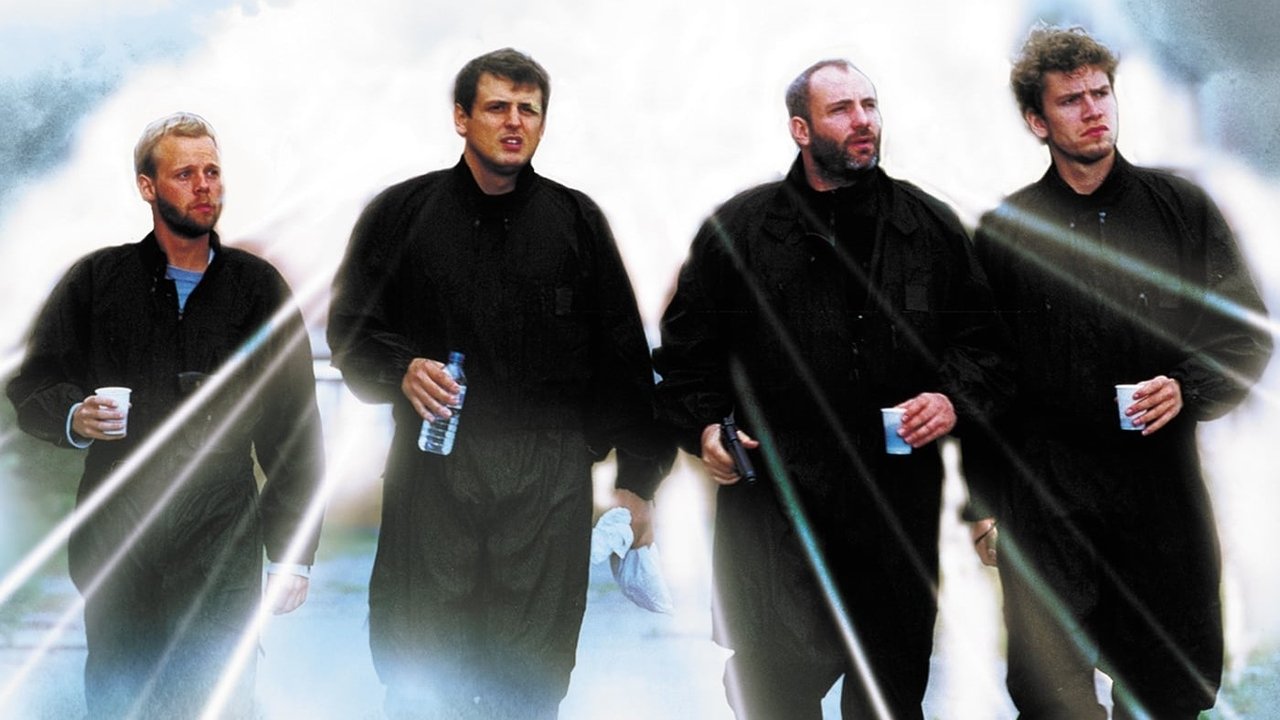
What follows is a masterclass in controlled chaos, penned by the brilliant Anders Thomas Jensen. This is a writer who practically defined a certain brand of modern Danish cinema – think dark, violent, unexpectedly funny, and populated by characters who are simultaneously deplorable and weirdly sympathetic. (Jensen, of course, later directed classics like Adam's Apples (2005) and Riders of Justice (2020), refining this unique blend). Harald, with his motley crew of casually dangerous associates – including the hilariously deadpan Vuk (Dejan Čukić) – agrees to help Arvid, but their methods involve, shall we say, less talk and a lot more action. Their plan to "compensate" the victim of the original robbery spirals wildly, leading them down a path paved with botched heists, accidental (and not-so-accidental) shootings, and a body count that climbs with alarming, almost slapstick regularity.
### Grit, Gunpowder, and Genuine Stunts
Let's talk action, because In China They Eat Dogs delivers in spades, especially for its era and relatively modest means. Director Lasse Spang Olsen wasn't just calling the shots; he came from a background as a highly respected stunt coordinator and performer, working on international productions before stepping behind the camera for features. You can feel that expertise baked into the movie. The shootouts feel messy and impactful, the explosions have that satisfying thump of real materials meeting forceful detonations, not the clean digital poof we often see today. Remember how real those bullet hits looked back then, often achieved with squibs that felt genuinely startling? This film has that raw energy. There's a visceral quality to the violence – it's often played for laughs, yes, but the impact feels grounded in a way that much modern, CGI-heavy action struggles to replicate. They weren't afraid to get their hands dirty, orchestrating car chases and gunfights with a tangible sense of weight and danger. It's rumoured Jensen cranked out the script relatively quickly, capturing that edgy, post-Tarantino vibe of the late 90s but infusing it with a distinctly bleak Danish wit.
### More Than Just Mayhem
Beneath the gunfire and gallows humour, though, there's a surprisingly effective (if twisted) story about brotherhood and consequence. Arvid's journey from passive observer to active (though incompetent) participant in chaos is strangely compelling, thanks largely to Lie Kaas’s perfectly pitched performance. The contrast between his naive attempts at doing good and Harald’s pragmatic criminality fuels much of the film's dark energy. The supporting cast, particularly Harald's crew, are all memorable oddballs, adding layers to the absurdity. It’s a film that constantly wrong-foots you – you laugh at something horrific, then question why you laughed, then laugh again.
The film was a hit in Denmark and gradually found its audience internationally, becoming a true cult favourite. It perfectly captured a moment where European cinema was offering edgier, funnier, and often more daring alternatives to mainstream Hollywood. Its success even spawned a prequel/spin-off, Old Men in New Cars (Gamle mænd i nye biler) in 2002, which brought back Olsen, Jensen, Bodnia, and the surviving crew members for another round of mayhem, proving the formula had legs (and firepower).
***
VHS Heaven Rating: 8/10
Justification: This earns a strong 8 for its sheer audacity, masterful blend of black comedy and impactful practical action, and unforgettable characters. It’s a near-perfect execution of Anders Thomas Jensen's signature style, brought to life with gritty energy by Lasse Spang Olsen. It loses a couple of points perhaps for the extremely dark humour which won't land with everyone, and some elements might feel a tad dated, but its core appeal remains potent.
Final Word: A gloriously unhinged slice of late-90s Danish grit that proves sometimes the best way to deal with life's problems involves your criminal brother and a trunk full of automatic weapons. Still hilariously sharp and surprisingly explosive.