The ductwork. That’s what lingers. Not just the gleaming, menacing pipes snaking through every cramped apartment and sterile office, but the idea of them – invasive, systemic, inescapable. Terry Gilliam's Brazil isn't a film you simply watch; it's an environment you inhabit, a bureaucratic nightmare rendered with such meticulous, suffocating detail that the chill crawls under your skin and stays there. Released in 1985, amidst the neon glow and synthesizer beats of the era, it felt like a transmission from a different, grimmer timeline – one perhaps uncomfortably close to our own.
Somewhere, Sometime
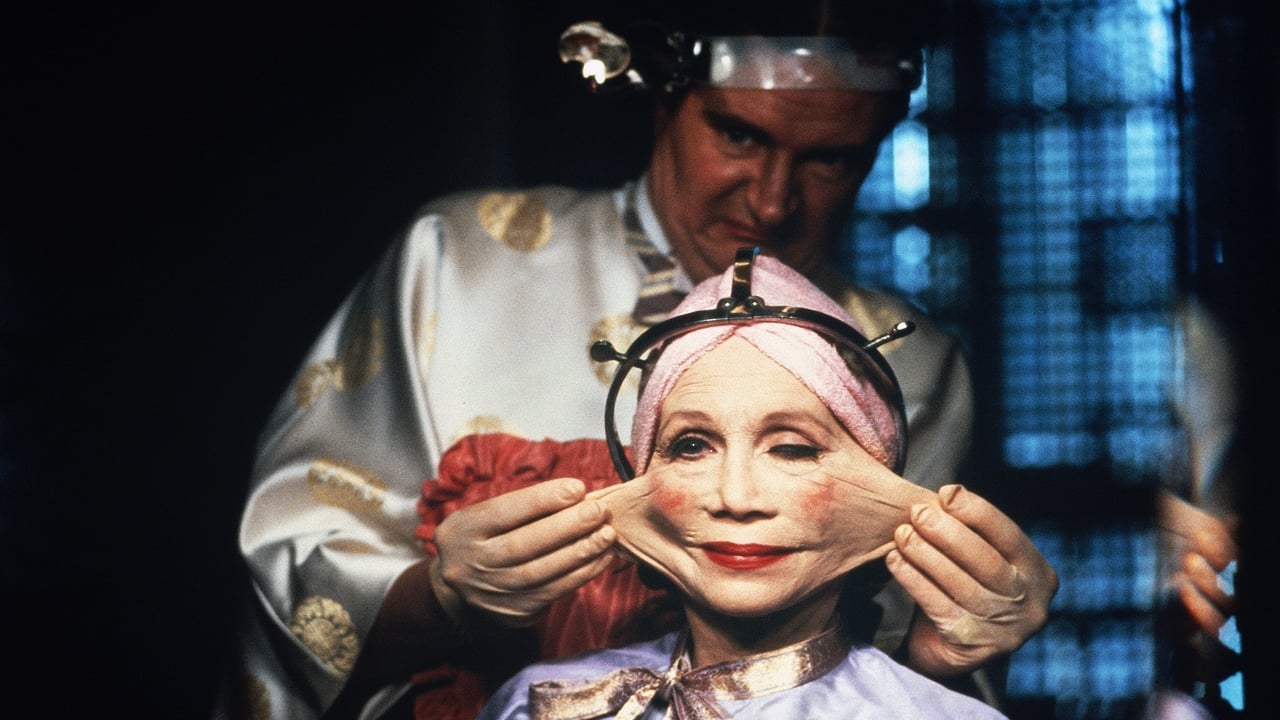
Forget specific dates; the film exists in a perpetual "somewhere, sometime," a retro-futuristic dystopia powered by malfunctioning technology and suffocated by paperwork. This is the genius of its design: a world cobbled together from bits of the 40s, 50s, and a terrifyingly inefficient future. Tiny screens display distorted faces, pneumatic tubes deliver endless forms, and repairmen are either rogue heroes or state-sanctioned thugs. It’s a vision masterminded by director Terry Gilliam, flexing the imaginative muscles honed in Monty Python but channeled into something far darker and more complex. His vision, alongside writers Tom Stoppard and Charles McKeown, crafts a world both absurdly funny and deeply unsettling. Remember those intrusive advertisements plastered everywhere, even during intimate moments? It felt less like satire and more like prophecy back then.
A Fly in the Ointment
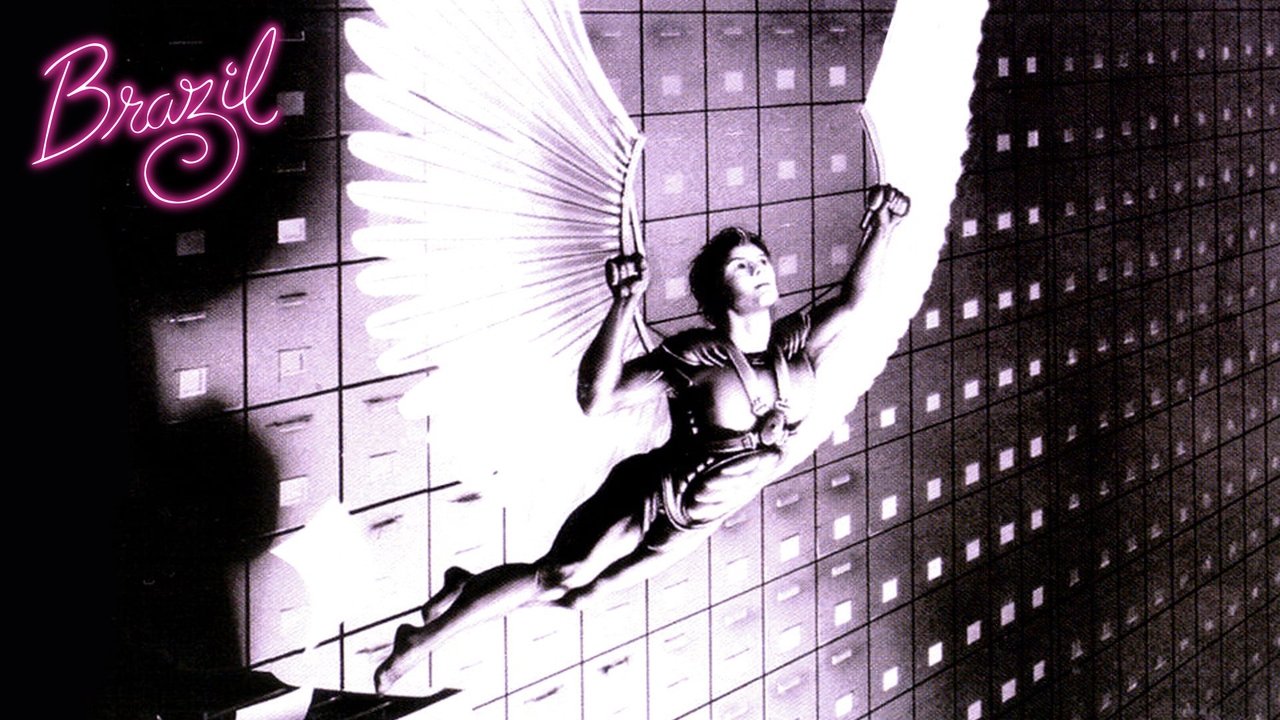
At the heart of this oppressive state is Sam Lowry, played with pitch-perfect anxiety and longing by Jonathan Pryce. Lowry is a low-level clerk, content (or perhaps resigned) to his mediocrity, finding solace only in elaborate daydreams where he’s a winged warrior soaring above the smog-choked city, rescuing a mysterious damsel. Pryce embodies the everyman trapped in the machine, his quiet desperation a palpable counterpoint to the surrounding chaos. It’s a performance that anchors the film’s wilder flights of fancy. Gilliam reportedly fought hard for Pryce, an actor relatively unknown in film at the time, against studio pressure for a bigger name – a decision that proved absolutely vital to the film’s soul.
The plot, such as it is, kicks off with a literal bug in the system – a fly causing a typo that leads to the wrongful arrest and death of Archibald Buttle instead of the suspected terrorist Archibald Tuttle. This single, absurd error spirals outwards, pulling Sam into the orbit of the woman from his dreams, Jill Layton (Kim Greist), and the actual Tuttle, a renegade heating engineer played with charismatic swagger by Robert De Niro. De Niro, reportedly fascinated by Gilliam's vision after Time Bandits (1981), initially expressed interest in playing Sam Lowry himself, but ultimately took the smaller, yet instantly iconic, role of Tuttle, the ultimate symbol of freedom against the state's crushing conformity. His scenes, though few, crackle with rebellious energy.
Building the Nightmare
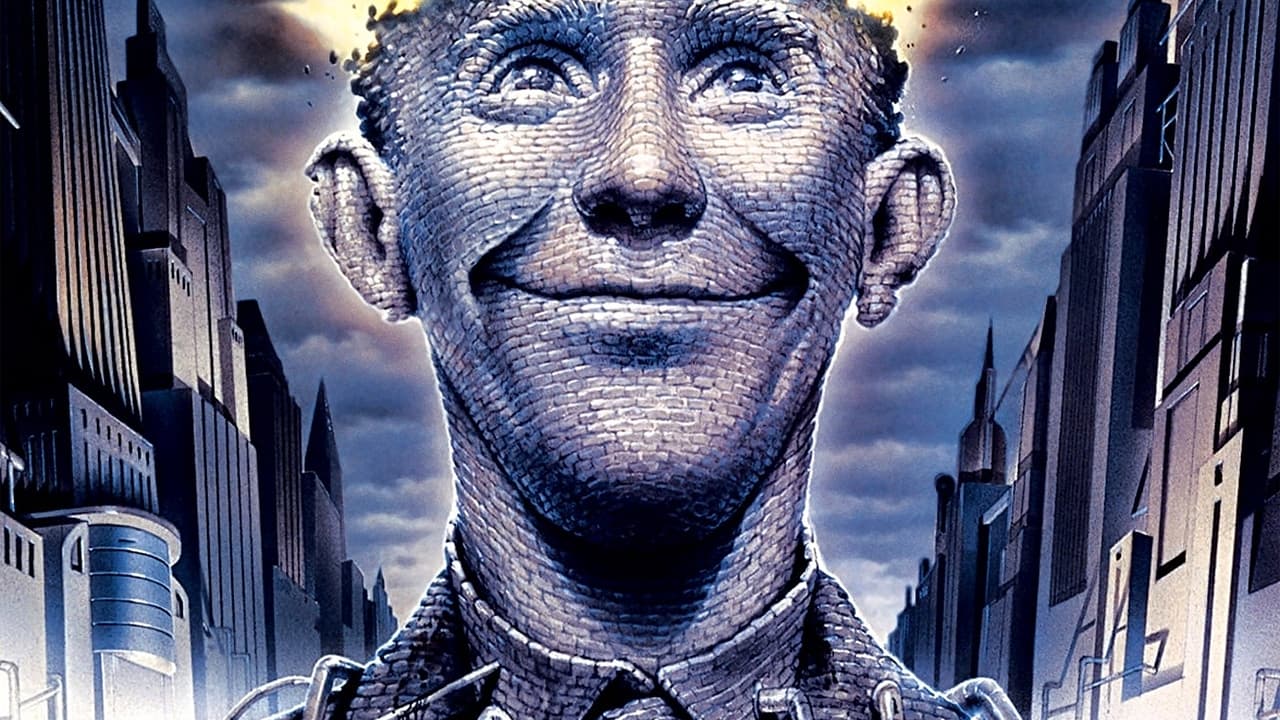
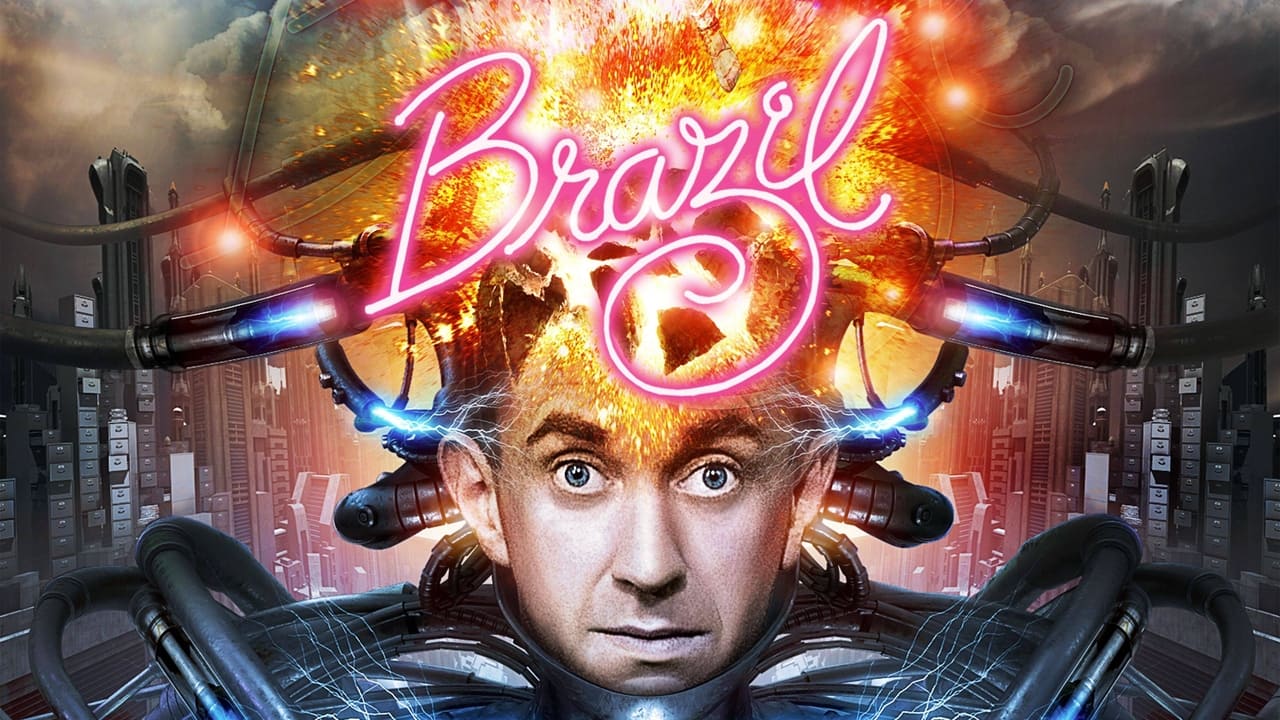
The production design by Norman Garwood is legendary. The sheer scale and detail of the sets – from the vast, intimidating Ministry of Information lobby to Ida Lowry's (Katherine Helmond, delightfully grotesque) surgically-enhanced apartment – are staggering. It’s a world built on practical effects, intricate models, and palpable texture that feels leagues away from today's CGI gloss. You can almost smell the decay, the stale air, the burnt circuits. Creating this vision wasn't easy; stories abound of complex, breakdown-prone sets and Gilliam pushing the boundaries of what was possible on a $15 million budget (around $43 million today). The effort pays off on screen, contributing immensely to the film's oppressive, immersive atmosphere. The score by Michael Kamen, weaving in the titular song "Aquarela do Brasil" in various distorted forms, perfectly complements the visuals, shifting from romantic longing to ominous dread.
The Battle for Brazil
No discussion of Brazil is complete without mentioning its infamous post-production struggle. Universal Pictures, particularly studio head Sid Sheinberg, balked at Gilliam's bleak, ambiguous ending. They demanded a happier resolution, leading to the creation of the heavily truncated, studio-recut "Love Conquers All" version, which barely saw the light of day thanks to Gilliam’s fierce resistance. He famously took out a full-page ad in Variety asking Sheinberg, "When are you going to release my film 'BRAZIL'?" and even arranged secret screenings for critics. This battle became a landmark case of artistic integrity versus commercial interests. Finding the director's cut on VHS back in the day felt like uncovering a hidden truth, a defiant statement against the system the film itself satirized. Doesn't that struggle somehow make the film's themes resonate even more deeply?
Enduring Resonance
Brazil is not an easy watch. It's dense, demanding, and its humor is as black as burnt toast. Yet, its power hasn't diminished. If anything, its portrait of technologically-aided bureaucracy, state surveillance, the quest for escapism in an oppressive world, and the dehumanizing nature of unchecked systems feels terrifyingly relevant today. It’s a film that burrows into your mind, prompting questions long after the static fills the screen. It may have bewildered some audiences and studio execs in 1985, contributing to a modest initial box office return (around $10 million in the US), but its reputation as a visionary cult classic, a true retro sci-fi gem, is undeniable.
---

Rating: 9/10
This score reflects Brazil's sheer artistic audacity, its unforgettable world-building, its thematic depth, and its enduring power. While its bleakness and narrative complexity might not be for everyone, the flawless execution of Gilliam's singular vision, the stunning practical craft, and Pryce's central performance make it a landmark of dystopian cinema. The points deducted are less flaws and more acknowledgements of its challenging nature, which is intrinsic to its identity. The infamous production battles only add to its legendary status, proving art can sometimes triumph, even against the machine.
Brazil remains a haunting masterpiece, a cautionary tale wrapped in absurdist humor and breathtaking visuals. It’s the kind of film that defined late-night VHS discoveries – strange, profound, and utterly unforgettable.