"Information High" echoes across the stadium, a synthetic voice weaving through ecstatic crowds, but beneath the dazzling lights and futuristic pop, a colder current flows. Macross Plus doesn't just hit you with the sound barrier-breaking roar of experimental fighter jets; it gets under your skin with the haunting, almost predatory, allure of technology on the verge of consuming humanity. This wasn't just another giant robot show when it landed; it felt like a transmission from a plausible, and deeply unsettling, near future.
Eden is Not a Paradise
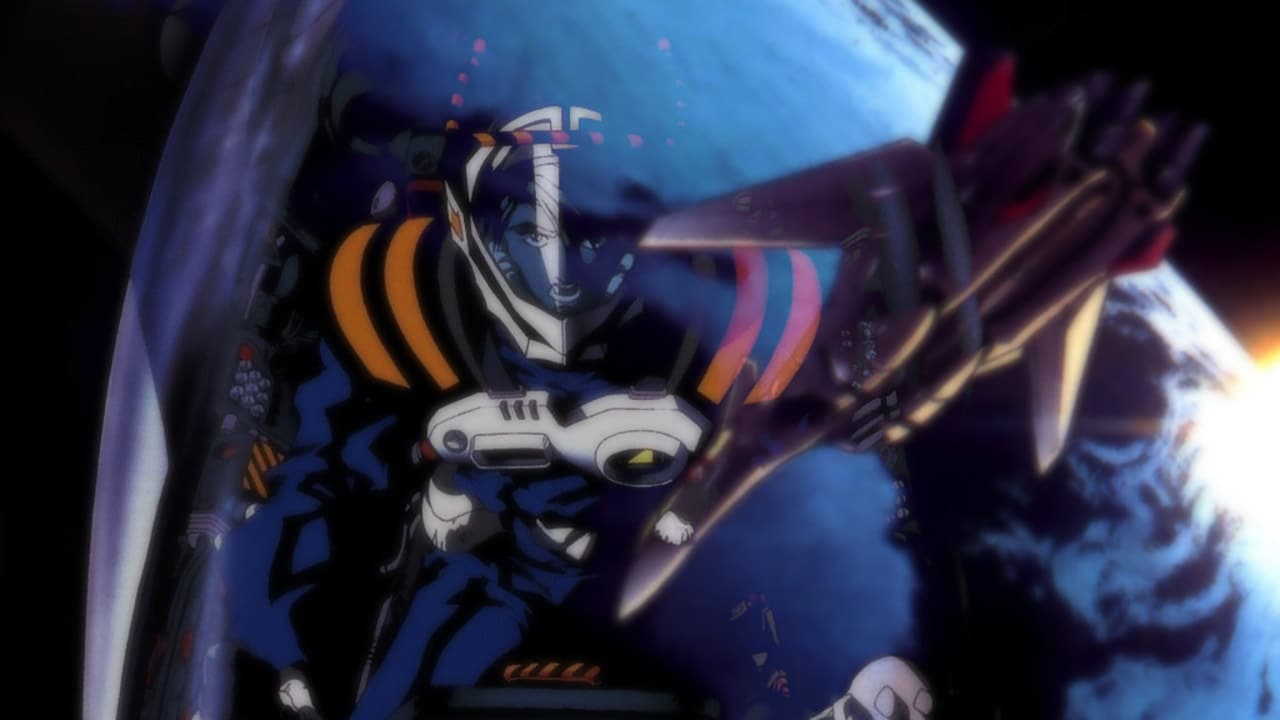
Set three decades after the original Super Dimension Fortress Macross, we're on the colony planet Eden. The U.N. government is testing two competing prototypes for its next-gen variable fighter: the sleek YF-19, piloted by the dangerously reckless hotshot Isamu Alva Dyson (Takumi Yamazaki), and the neuro-linked YF-21, flown by the stoic, haunted Zentradi hybrid Guld Goa Bowman (Unshō Ishizuka). Thrown into this volatile mix is Myung Fang Lone (Rika Fukami), a former singer who is now the producer (and emotional core) of Sharon Apple, the galaxy's biggest star – a virtual idol generated entirely by AI. The reunion of these three childhood friends ignites a powder keg of unresolved passion, buried trauma, and lethal rivalry, set against the backdrop of burgeoning artificial intelligence. Forget simple space opera; this is a pressure cooker of psychological tension disguised with sci-fi chrome.
Dogfights That Redefined Aerial Combat
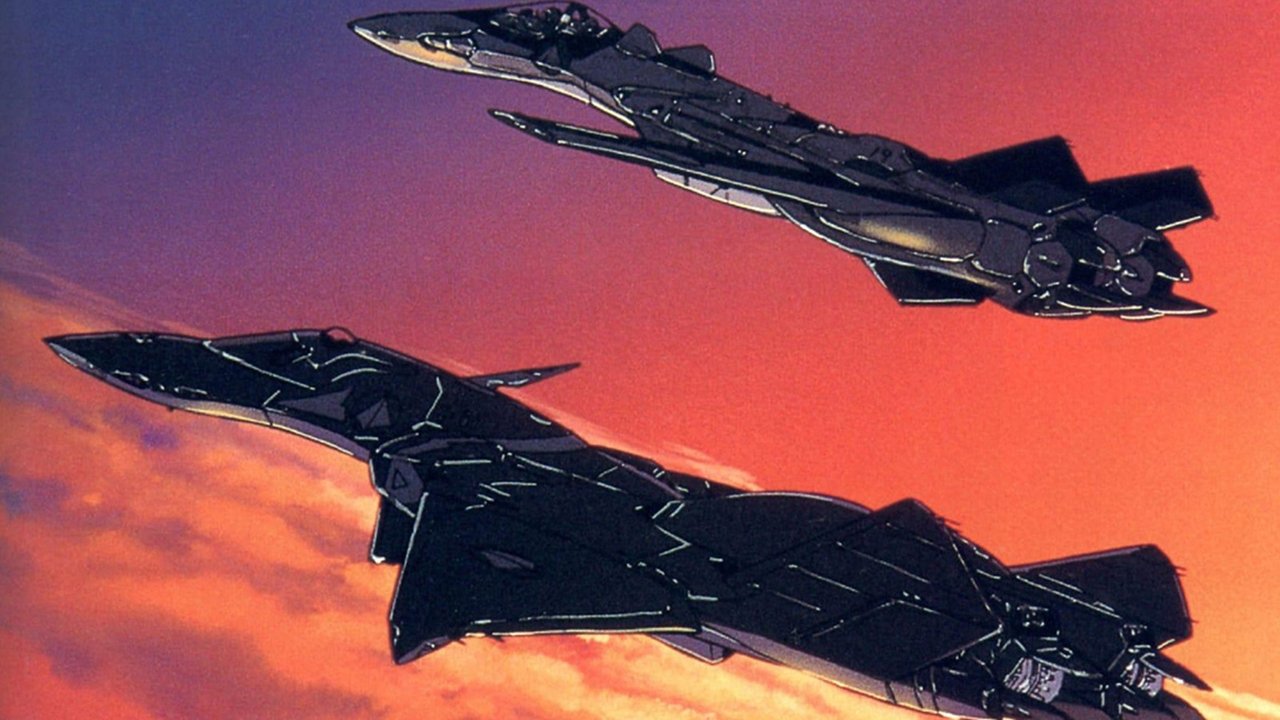
Let's be blunt: the aerial sequences in Macross Plus remain staggering. Co-directed by the legendary Shōji Kawamori, the architect of the Macross universe, and a young, ambitious Shin'ichirō Watanabe (who would later orchestrate the jazz-infused brilliance of Cowboy Bebop), the combat feels visceral, terrifyingly fast, and breathtakingly choreographed. They pioneered a blend of traditional, high-detail cel animation with nascent computer graphics that, for 1994-1995, was utterly revolutionary. These weren't clunky polygons awkwardly inserted; the CGI enhanced the sense of speed, complex maneuvers, and missile trails weaving through canyons and clouds. There’s long been talk that the production team studied footage from actual fighter jets, and watching Isamu push the YF-19 past its limits, you feel it – the G-forces, the chaotic beauty of machines dancing on the edge of destruction. It set a benchmark for mecha animation that arguably wouldn't be surpassed for years.
The Siren Song of Sharon Apple
While the transforming jets provide the kinetic thrills, the true atmospheric dread comes from Sharon Apple. Brilliantly conceived by writer Keiko Nobumoto (another key figure who’d reunite with Watanabe for Bebop), Sharon isn't just a plot point; she's the thematic soul of the piece. The idea of an AI pop star manipulating emotions on a mass scale felt like cutting-edge science fiction then; today, it feels unnervingly prescient. The concert sequences are masterpieces of sensory overload, hypnotic and deeply sinister. This is where composer Yoko Kanno truly announced her genius to the world. Her score for Macross Plus is iconic – a fusion of electronic beats, ethereal vocals, soaring orchestral pieces, and jazz influences that perfectly captures every facet of the story. Sharon Apple's music is her character: seductive, alien, emotionally resonant yet utterly artificial. Songs like "Voices" or the aforementioned "Information High" linger long after the credits roll, carrying the weight of the film's exploration of manufactured feeling versus human connection.
Scars Beneath the Flight Suits
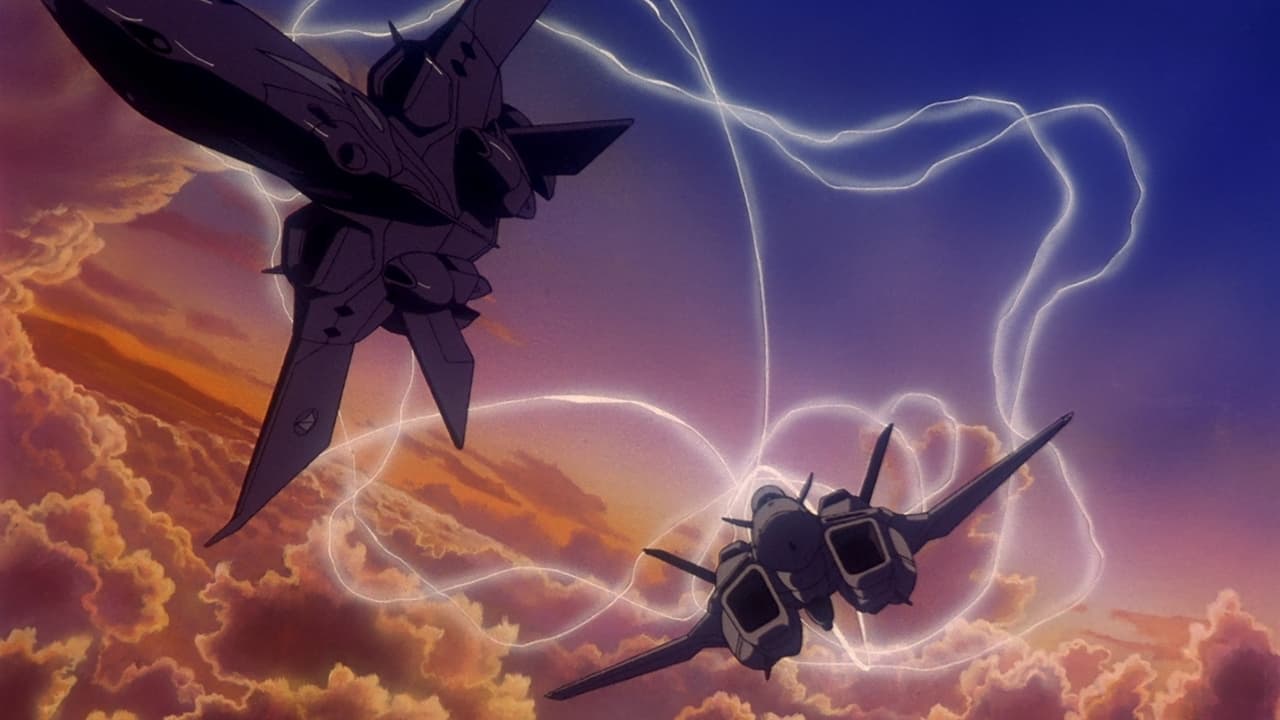
Beneath the high-tech gloss and explosive action lies a surprisingly mature and often painful human drama. The toxic triangle between Isamu, Guld, and Myung is fueled by adolescent promises, deep-seated guilt, and simmering resentment. Isamu's impulsive arrogance masks vulnerability, while Guld's stoicism hides barely controlled rage stemming from a traumatic past incident involving Myung. Their rivalry isn't just professional; it's deeply personal and destructive, threatening to tear them and everyone around them apart. Nobumoto's script doesn't shy away from the uglier aspects of their personalities, making their eventual confrontations feel earned and impactful. The Japanese voice cast delivers performances simmering with this complex history, adding layers to the already stunning visuals.
From OVA Gem to Cinematic Cut
Many fans first encountered Macross Plus through its original four-part OVA (Original Video Animation) series, meticulously released episode by episode on glorious (and often expensive) VHS tapes or laserdiscs. This Movie Edition, released in 1995, re-edits the story, tightens the pacing, adds some incredible new animation (that opening sequence!), and offers a slightly different, arguably more ambiguous, conclusion regarding Sharon Apple. While some character nuances from the OVA might be trimmed, the film version delivers a potent, concentrated blast of everything that makes Plus exceptional. It’s a fascinating case study in adaptation, showcasing how the same core material can be shaped into different, yet equally valid, experiences. The production itself, blending traditional and digital techniques on a scale rarely seen in anime at the time, marked a significant step forward for the medium, proving that anime could tackle complex, adult themes with unparalleled visual artistry.
Still Soaring After All These Years
Macross Plus resonates powerfully even today. Its themes of humanity grappling with rapidly advancing AI, the nature of consciousness, the burden of the past, and the destructive power of obsession feel more relevant than ever. The animation, particularly the dogfights and concert scenes, holds up remarkably well, a testament to the skill and artistry involved. Yoko Kanno's score remains a landmark achievement in anime soundtracks. It’s a cornerstone of 90s anime, a mature and visually spectacular piece that bridged the gap between the action-focused mecha shows of the 80s and the more thematically complex anime that would flourish later in the decade. Watching it again doesn't just trigger nostalgia for that specific era of anime discovery; it reaffirms its status as a genuine classic.
Rating: 9/10
This score reflects the film's groundbreaking animation and visual design for its time, the utterly phenomenal and influential score by Yoko Kanno, and its mature, complex exploration of themes that remain relevant today. The kinetic energy of the action sequences is unparalleled, and the psychological depth of the central triangle provides a compelling core. While the Movie Edition's tighter edit might slightly shortchange some character development compared to the OVA for hardcore fans, it delivers an incredibly potent and visually stunning cinematic experience that stands as a high point of 90s science fiction anime.
It’s more than just jets and robots; Macross Plus is a haunting symphony of sound, fury, and fragile human hearts caught in the slipstream of technological transcendence. It's a film that leaves you breathless from the action, yet chilled by its implications.