Alright, fellow tape travelers, let's rewind to that glorious feeling. Picture this: the video store shelves, maybe a slightly worn cardboard sleeve featuring Goku looking unusually menacing, or perhaps you caught it during one of those marathon anime airings late at night. I'm talking about Dragon Ball Z: The Tree of Might (released in Japan as Dragon Ball Z: The Decisive Battle for the Entire Earth, 1990), a concentrated blast of early DBZ energy that felt like pure gold on fuzzy CRT screens. It wasn't just another episode; this felt like an event.
### A Shadow Falls Over Earth
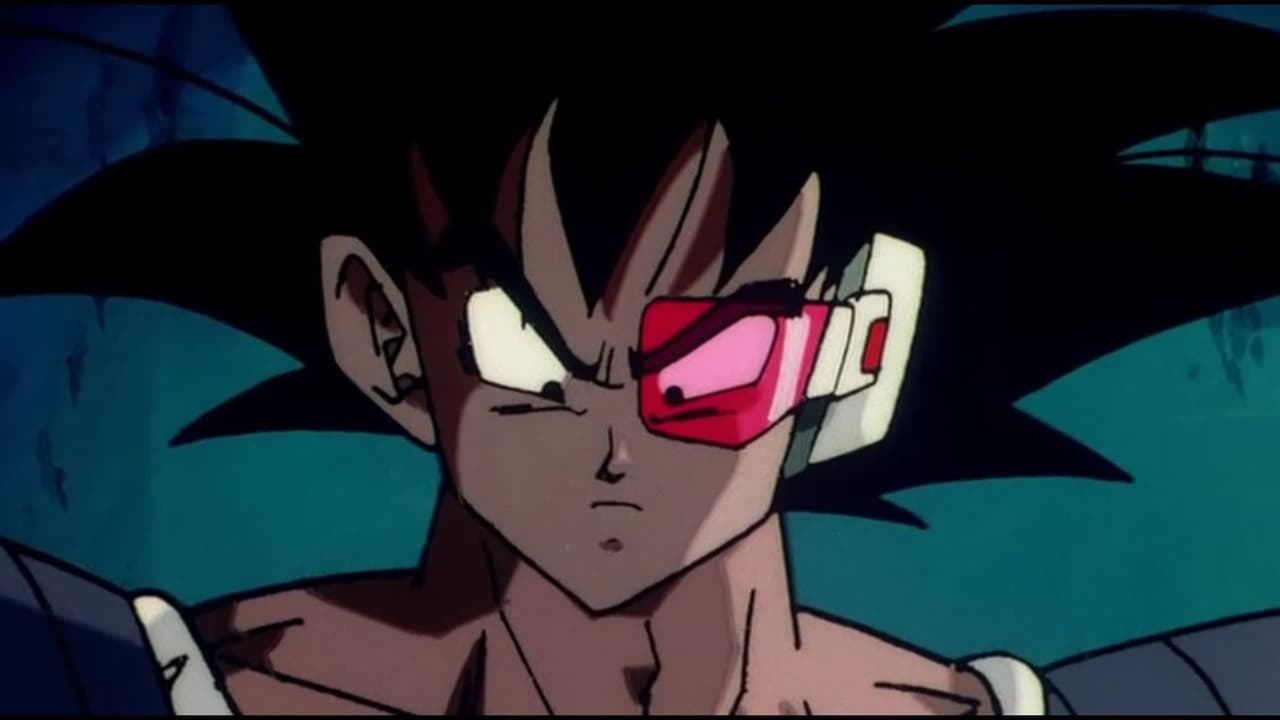
This third DBZ movie crash-lands right into that sweet spot of the early series aesthetic. Forget convoluted multiverses for a moment; the premise here is beautifully, almost brutally simple. A mysterious group of alien mercenaries, led by the chillingly familiar-looking Saiyan Turles, arrives on Earth with a devastating plan: plant the titular Tree of Might. This cosmic horror drains all life energy from a planet to grow immensely powerful fruit, granting unimaginable strength to whoever eats it. It’s an environmental catastrophe wrapped in a classic DBZ beatdown scenario, hitting that perfect 90s anime blend of sci-fi and explosive martial arts.
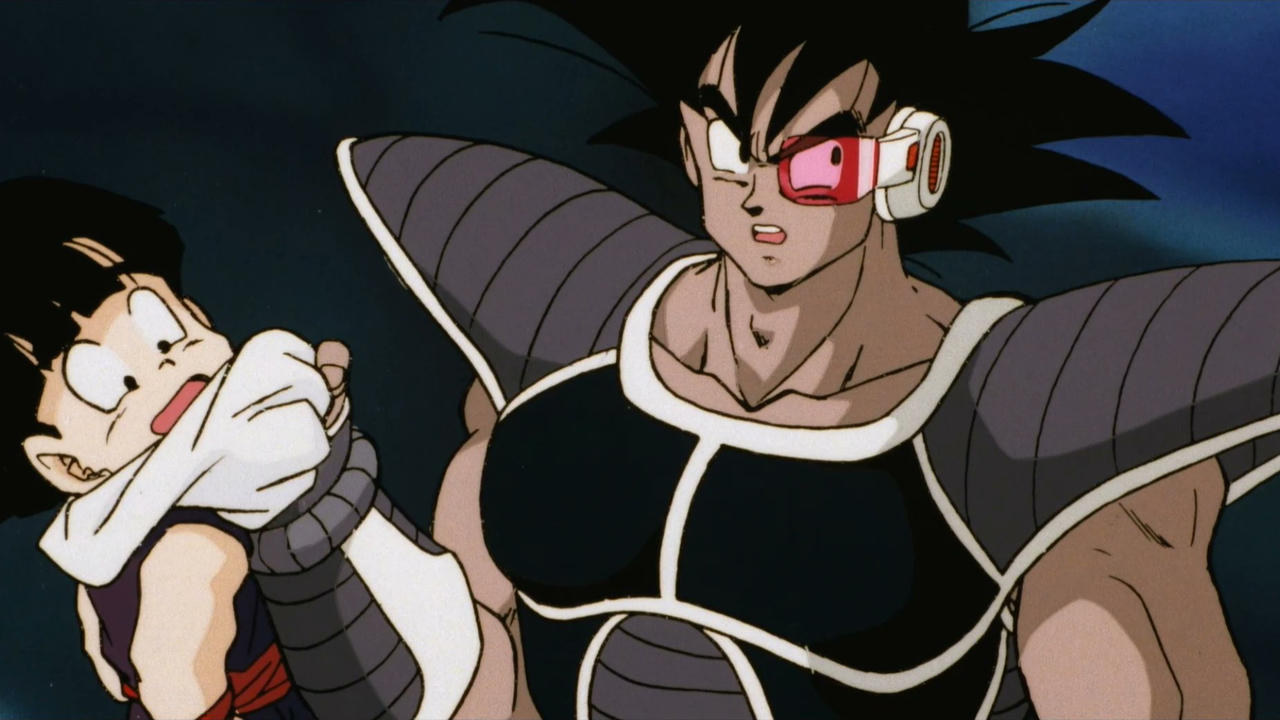
The setup feels classic camping trip gone wrong, with Gohan, Krillin, Bulma and Oolong enjoying some peace before disaster inevitably strikes. It’s a comfortable trope, easing us in before Turles and his 'Crusher Corps' (gotta love those 90s villain group names!) show up. Seeing Turles for the first time was genuinely unsettling back then. He looked just like Goku, voiced in Japanese by the legendary Masako Nozawa using a slightly deeper, crueler tone that instantly set him apart. This wasn't just some random alien; this was a dark reflection, a Saiyan who embraced destruction, making the inevitable confrontation feel personal. This "evil twin" concept, while maybe a bit cliché now, felt potent and dangerous in the early DBZ landscape.
### Hand-Drawn Havoc
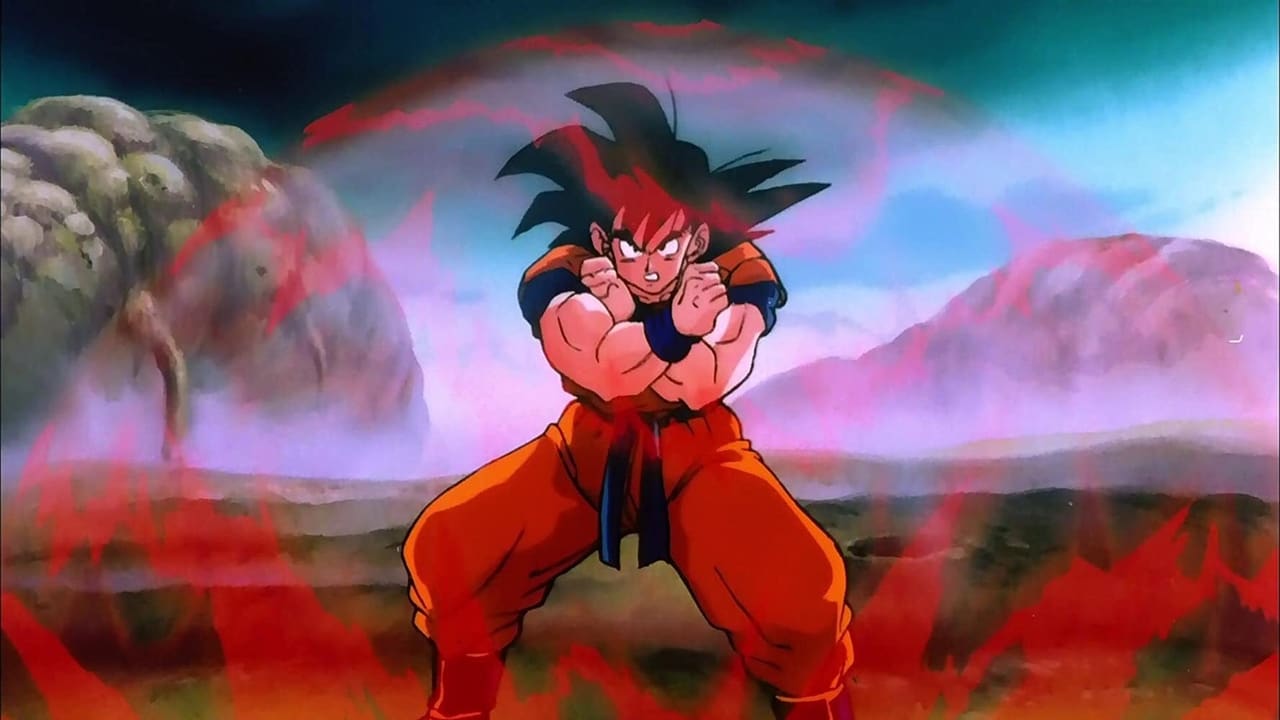
Let's talk action, because that's the pulsing core of Tree of Might. This hails from the era of pure, hand-drawn cell animation, and you can feel the effort in every frame. Directed by Daisuke Nishio, who helmed a huge chunk of the original Dragon Ball and DBZ TV series along with the first movie (Dead Zone), the film crackles with that signature kinetic energy. The fights might lack the hyper-smooth digital sheen of modern anime, but they possess a raw physicality. Remember how visceral those energy blasts felt? The way characters slammed into mountains, leaving actual, tangible craters? That wasn't CGI trickery; that was meticulous frame-by-frame artwork conveying sheer force.
The battles against Turles' henchmen – Amond, Cacao, Daiz, Rasin, and Lakasei – give the supporting Z-Fighters (Yamcha, Tien, Chiaotzu, Piccolo voiced by Toshio Furukawa) their moments to shine, or often, to get brutally taken down, raising the stakes for Goku's arrival. These sequences showcase the distinct fighting styles and the desperation setting in as the Tree visibly saps the planet's life force. One fascinating tidbit: series creator Akira Toriyama provided the character designs for Turles and the Crusher Corps, ensuring they fit seamlessly into the DBZ universe, even if the story itself sits outside the main canon timeline (landing roughly between the Saiyan and Namek sagas).
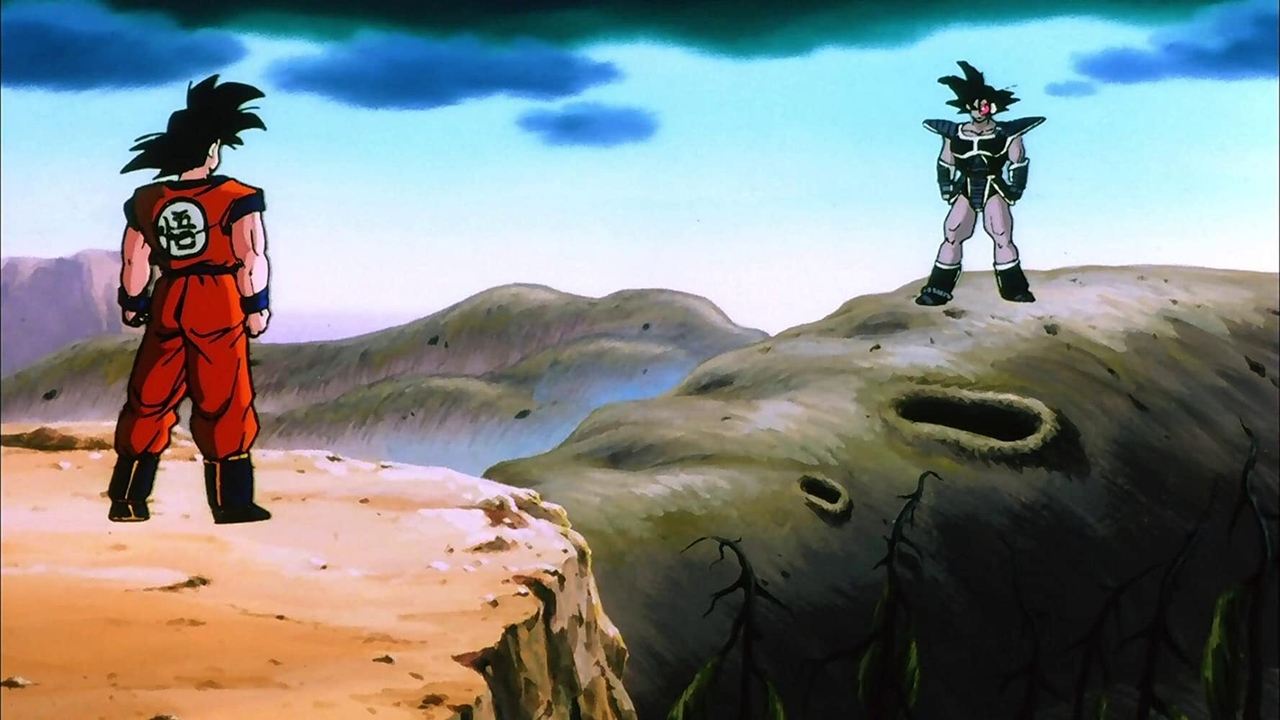
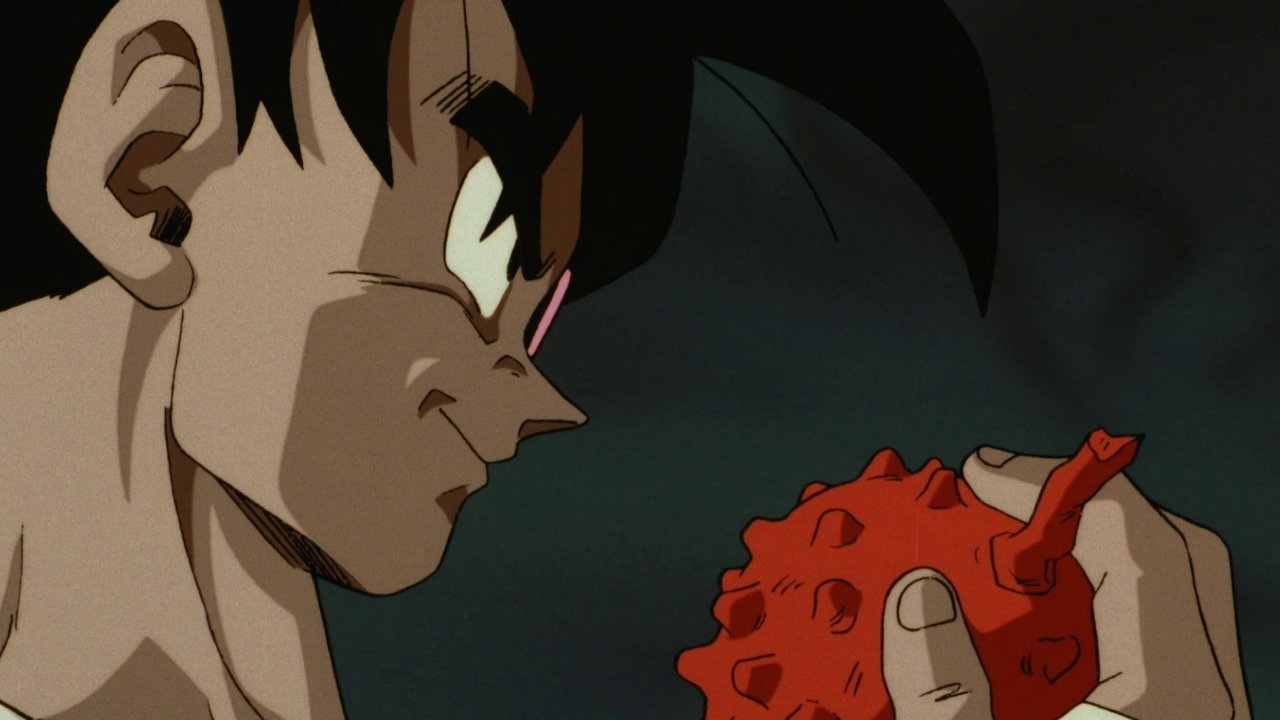
The main event, Goku vs. Turles, is pure distilled DBZ. The choreography is fast, impactful, full of those iconic speed lines and power-up sequences. When Turles eats the fruit and powers up, the sense of dread is palpable. It’s a classic struggle, culminating in Goku needing to gather energy from the very planet the Tree is killing for a final Spirit Bomb (Genki Dama). Watching that massive energy sphere form, imbued with the faint life force remaining, felt genuinely epic on VHS. There's a certain weight and impact to the animation here that feels almost physical compared to some later, more digitally polished productions.
### That Early DBZ Vibe
Beyond the fights, Tree of Might captures that specific early 90s DBZ atmosphere. The slightly darker tone, the environmental threat that felt quite prescient, and Shunsuke Kikuchi's unforgettable score – blending heroic trumpets with eerie, suspenseful cues – all contribute. It wasn't a massive theatrical hit in the West initially, often discovered through those early FUNimation or Pioneer VHS releases, but it quickly became a fan favorite. It delivered exactly what we craved: high stakes, a cool new villain intrinsically linked to our hero, and non-stop, planet-shaking action. It might lack the complex character arcs of the main series, a common trait of these non-canon films designed for quick, explosive thrills, but it excels at its core mission.
There's a definite charm to its straightforwardness. Plant tree, drain planet, eat fruit, get strong, fight Goku. Simple. Effective. Maybe a little goofy? Sure, looking back, some dialogue might induce a chuckle (especially depending on which dub version you first encountered!), but the core intensity holds up remarkably well. It's a perfect time capsule of what made DBZ explode in popularity worldwide.
Rating: 7.5/10
Justification: The Tree of Might delivers exactly what it promises: a lean, mean, action-packed DBZ side story. The villain concept is strong (if familiar), the stakes feel high, and the hand-drawn animation showcases the raw energy of early 90s anime action beautifully. It loses minor points for the somewhat standard plot structure typical of the era's anime films and the quick dispatch of some supporting characters, but it nails the core DBZ appeal.
Final Thought: For a concentrated dose of that classic, pre-digital DBZ power fantasy, where every punch felt like it could crack the screen and the fate of the world hung on one desperate energy attack, The Tree of Might remains a potent, nostalgic knockout. It’s the kind of pure, unadulterated animated mayhem that made hunting for anime tapes an adventure.