It begins not with barricades or stolen bread, but with the turning of a page. That image, of an unlettered man discovering the power contained within Victor Hugo’s masterpiece amidst the turmoil of Nazi-occupied France, is the audacious heart of Claude Lelouch’s 1995 epic, Les Misérables. Forget the musical, forget even faithful period adaptations for a moment. This film, a staple of the foreign film section in discerning video stores back in the day, wasn't just another retelling; it was a profound meditation on how stories shape us, console us, and echo through the darkest corridors of history. Finding this gem on a VHS shelf, perhaps drawn by the familiar intensity of Jean-Paul Belmondo’s face on the cover, felt like unearthing something truly special.

A Story Within a Story
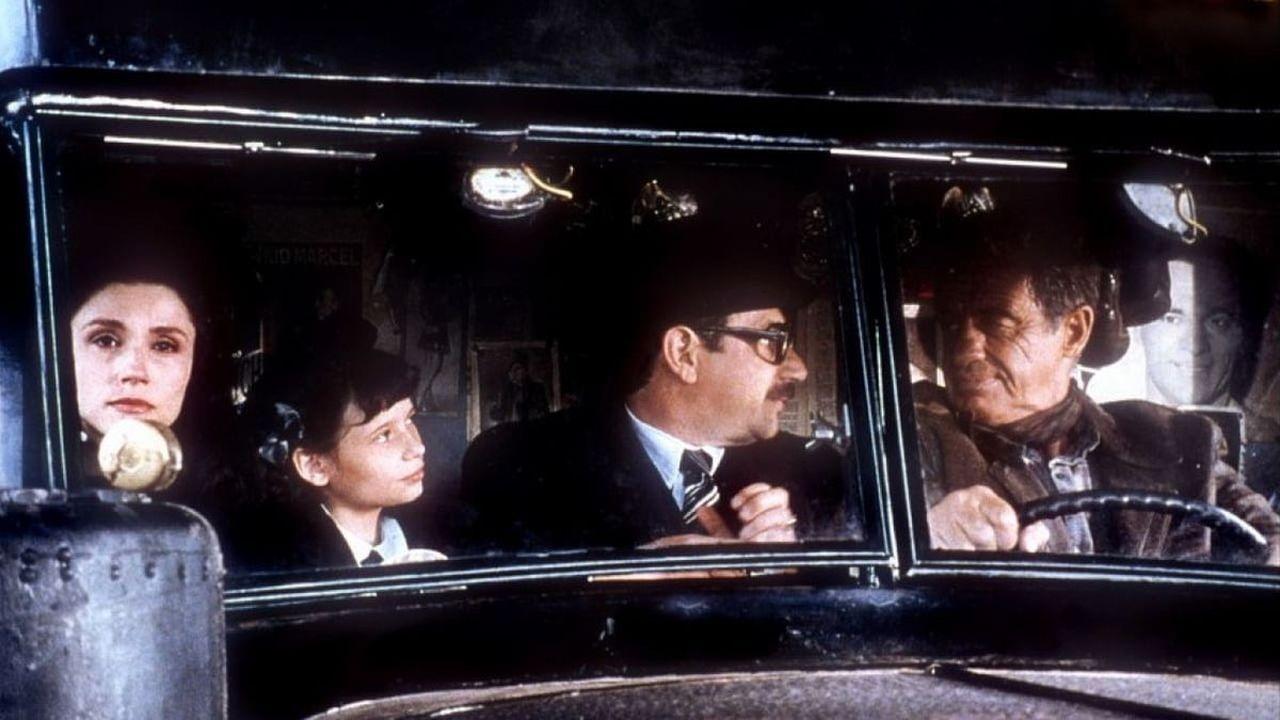
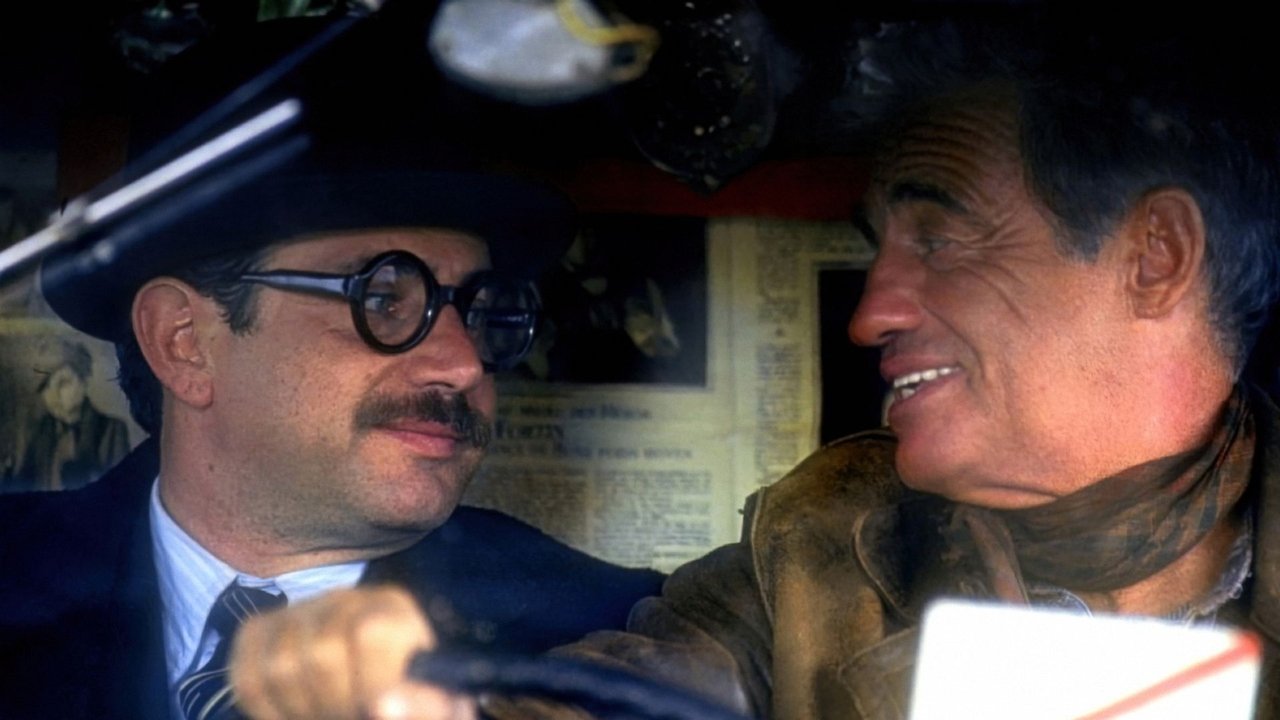
Lelouch, never one for straightforward narrative (think of his intricate work in A Man and a Woman), takes a daring leap. Instead of adapting Hugo directly, he introduces us to Henri Fortin (Jean-Paul Belmondo), an illiterate former boxer moving furniture in the 1930s and later navigating the dangers of the Occupation. His path intertwines with the Zimans, a Jewish family fleeing persecution. André Ziman (Michel Boujenah), an intellectual lawyer, entrusts his wife Élise (Alessandra Martines) and daughter Salomé to Henri's care, offering him Hugo's novel as a guide and a source of strength. As Henri slowly learns to read, or has the story read to him, the parallels between his own struggles for survival and justice and those of Jean Valjean become luminous, transformative. The film doesn’t just tell Les Misérables; it shows Les Misérables actively changing a life in a different, yet tragically similar, era of upheaval.
Belmondo's Enduring Might
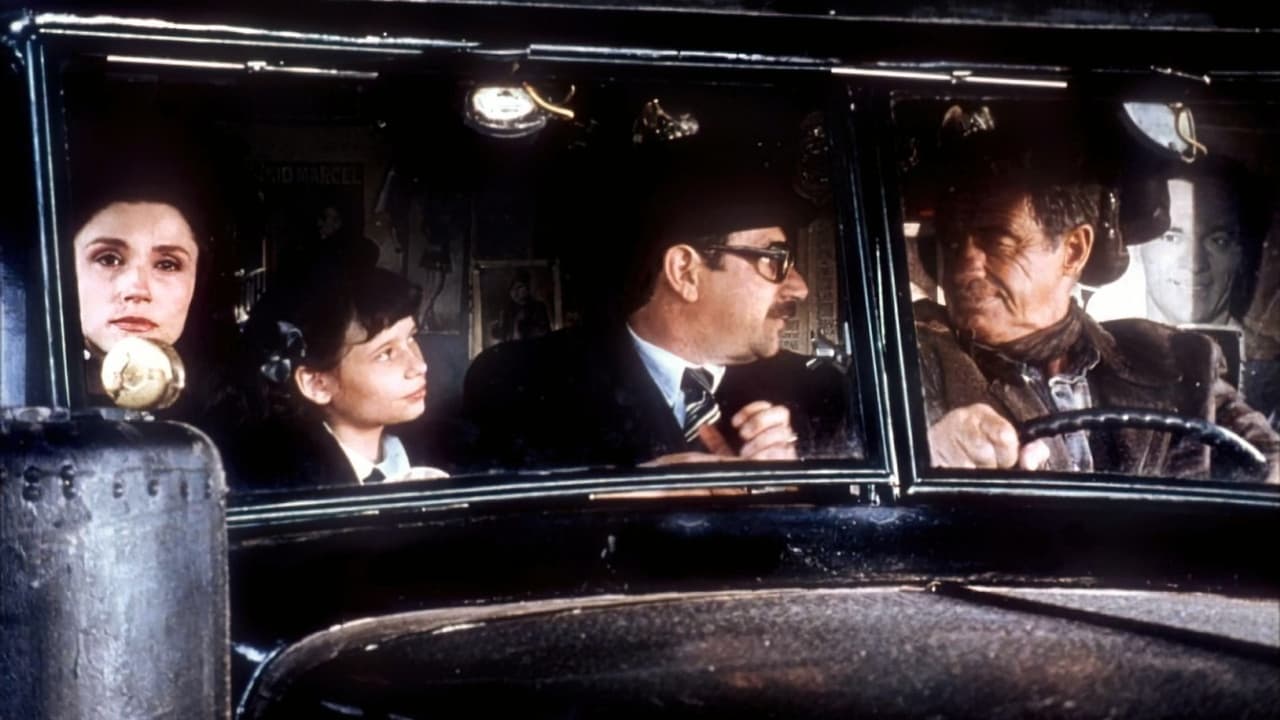
At the centre of this sprawling tapestry is Jean-Paul Belmondo. By 1995, "Bébel" was already a legend, the charismatic star of French New Wave classics like Breathless and countless action-packed adventures (Le Professionnel, The Burglars). Seeing him here, in his early sixties, tackling such a demanding, multi-layered role felt like witnessing a master return to his dramatic roots with renewed force. He embodies not only the simple, physically imposing Fortin, whose gruff exterior hides a growing moral conscience, but also Fortin’s father and, crucially, Jean Valjean himself in imagined sequences drawn directly from the novel. Belmondo navigates these shifts with remarkable grace. His Fortin is a man discovering empathy and the weight of responsibility, his eyes reflecting the dawning understanding ignited by Hugo’s words. It’s a performance stripped of vanity, full of raw physicality and quiet vulnerability. Reportedly, Belmondo considered this one of his most significant roles, and it’s easy to see why – it’s a towering achievement in a storied career.
Lelouch's Grand Canvas
Claude Lelouch directs with his characteristic ambition and visual flair. The film spans decades, weaving together Fortin's journey, the Zimans' plight, flashbacks, and the Valjean narrative with sweeping camera movements and a keen sense of place. The recreation of wartime France feels authentic, capturing both the danger and the small acts of resistance and humanity. Lelouch isn't afraid of sentiment, but he earns it through the sheer scale of his storytelling and the genuine emotion anchored by his actors. He reportedly struggled for years to find a unique angle for adapting Hugo’s work, eventually hitting upon this inspired WWII parallel, a concept that allowed him to explore the timelessness of the novel's themes without being merely reverent.
Retro Fun Facts: Weaving History and Fiction
- A Personal Project: Lelouch partially self-financed the film, underscoring his personal commitment to this ambitious vision. It was clearly a passion project, not just another assignment.
- Golden Globe Glory: While it was France's submission for the Best Foreign Language Film Oscar (though ultimately not nominated), it did win the Golden Globe in that category, a testament to its international impact.
- The Power of the Page: The film masterfully uses the act of reading and storytelling as a central motif. Fortin's gradual literacy becomes symbolic of his moral awakening. It’s a powerful argument for literature's enduring relevance.
- Epic Runtime: Clocking in at nearly three hours (around 175 minutes), this isn't a casual watch. Like the novel it draws from, it demands attention but rewards it with richness and depth – something that felt like a real commitment back when you popped that hefty VHS tape into the VCR.
- Beyond Belmondo: While Belmondo dominates, the supporting cast is strong. Michel Boujenah brings poignant dignity to André Ziman, and Alessandra Martines conveys Élise's fear and resilience effectively. Annie Girardot also appears memorably as the formidable Thénardier figure in this timeline.
Enduring Echoes
What makes Lelouch’s Les Misérables resonate so deeply, especially watching it again years later, is its understanding that history doesn't just repeat itself; it rhymes. The injustices faced by Valjean find chilling echoes in the persecution of the Zimans. The struggle for basic human dignity, the corrupting nature of absolute power (personified here by the collaborating police and informants, mirroring Javert's rigid ideology), the redemptive potential of compassion – these themes feel as urgent in the context of WWII as they did in post-revolutionary France. Does placing Hugo's narrative against the backdrop of the Holocaust amplify its power? I believe it does, forcing us to confront the enduring human capacity for both cruelty and extraordinary kindness.
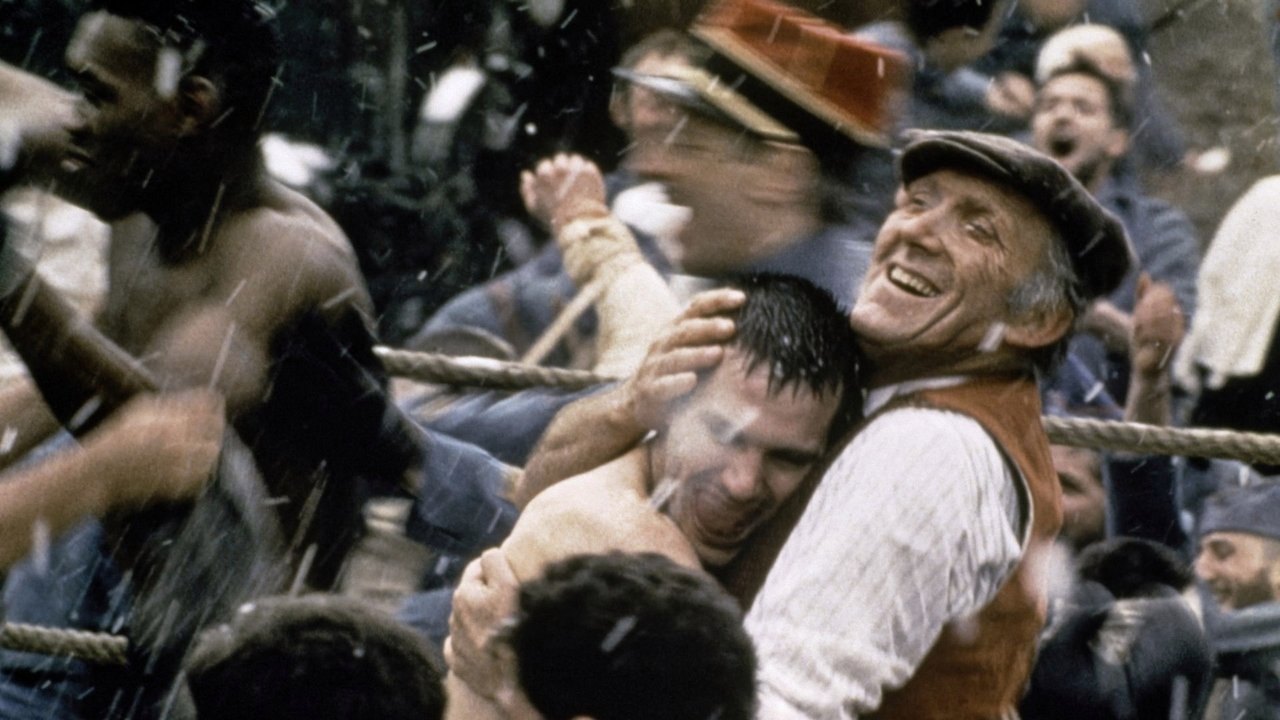
This isn't just a film about Les Misérables; it’s a film about why Les Misérables matters. It’s about how art can provide a moral compass, how stories can illuminate the darkest times and connect us across generations. It’s the kind of film that lingers long after the credits roll, prompting reflection on the struggles depicted and the courage required to navigate them. It felt important back then, discovered on a video store shelf, and it feels even more resonant now.
Rating: 9/10
This is an audacious, profoundly moving, and intelligently crafted film. Its unique structure, blending Hugo's classic with a compelling WWII narrative, is brilliantly executed. Jean-Paul Belmondo delivers a career-defining performance, anchoring the epic scope with raw humanity. Minor quibbles about runtime length fade against the sheer power and ambition of Claude Lelouch's vision. It doesn't just adapt a masterpiece; it engages in a powerful dialogue with it, making it essential viewing for anyone who believes in the enduring strength of storytelling. It stands as a testament to the idea that some stories are so fundamental, they belong to every era.