Okay, fellow travelers through time and tape, let's dust off a different kind of VHS gem today. Forget the explosions and synth scores for a moment. Cast your mind back to browsing those slightly musty video store aisles, perhaps stumbling upon a cover that promised not action, but intrigue of a deeply human sort. I'm thinking of 1982's The Return of Martin Guerre (Le Retour de Martin Guerre), a French historical drama that managed the rare feat of feeling both epic in its implications and startlingly intimate. It doesn't shout; it whispers questions about identity, community, and the nature of truth itself, lingering long after the tracking adjusts and the credits fade.
### A Village Holds Its Breath
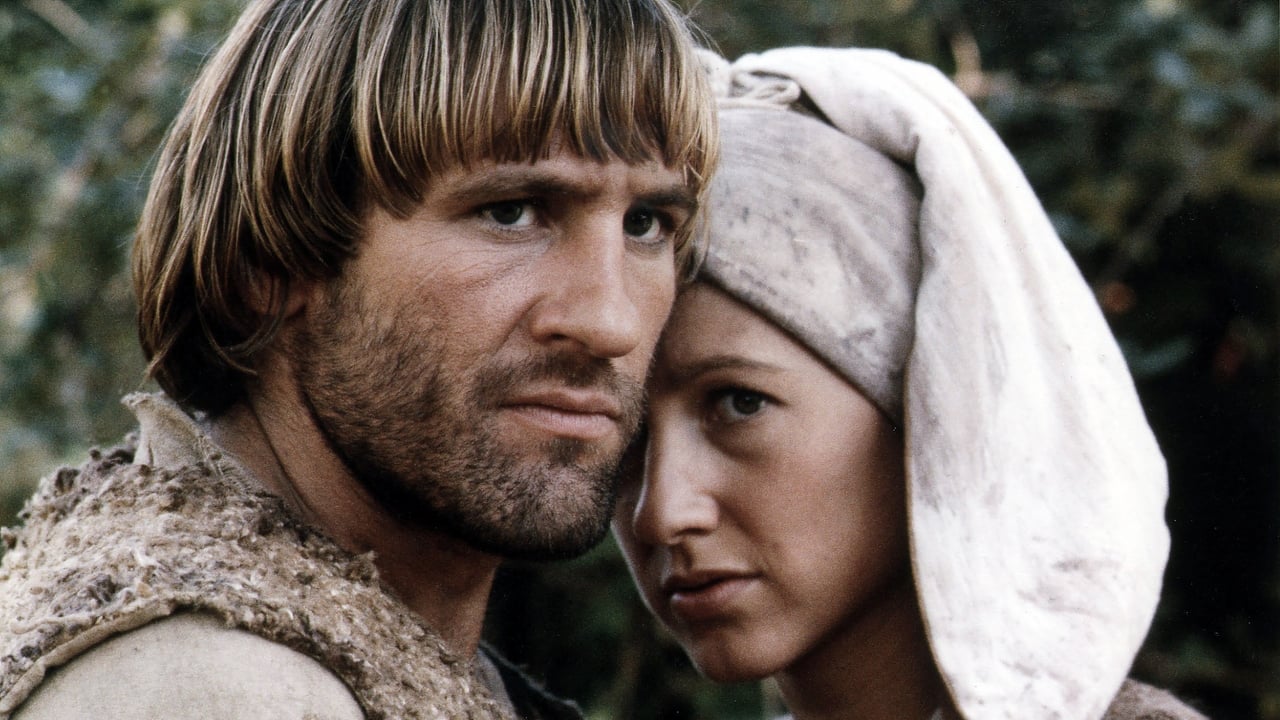
Director Daniel Vigne, working closely with the legendary screenwriter Jean-Claude Carrière (known for his collaborations with Luis Buñuel), transports us utterly to the small village of Artigat in 16th century France. This isn't a romanticized, Merrie Olde England version of history. You can almost smell the damp earth, feel the rough texture of the wool tunics, and sense the tightly-knit, often suspicious, nature of rural life. The film is based on a documented true story, a baffling court case that captured imaginations centuries ago and clearly resonated with Vigne and Carrière. When Martin Guerre (Gérard Depardieu) returns home after nearly a decade away fighting wars, leaner, more worldly, and significantly more considerate than the sullen youth who left, his wife Bertrande (Nathalie Baye) and the village initially welcome him with relief. But doubts soon begin to fester. Is this truly Martin, or an incredibly convincing imposter?
### The Weight of Identity
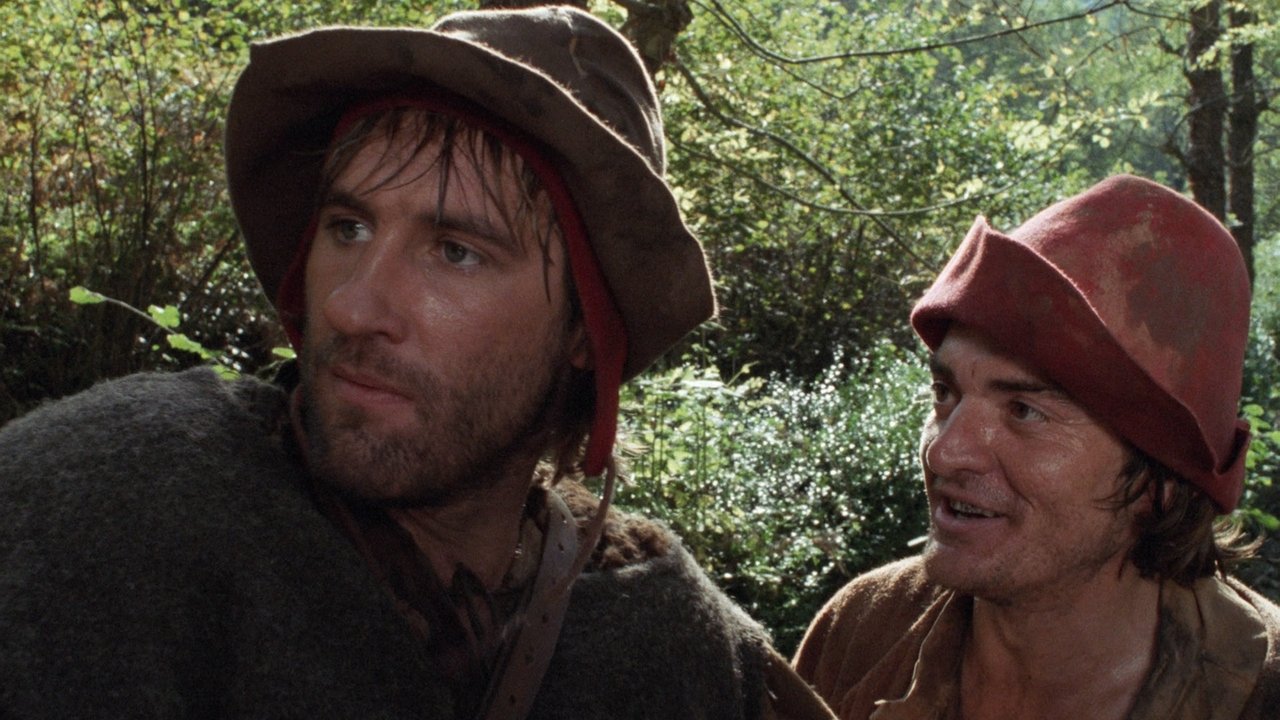
What elevates The Return of Martin Guerre beyond a simple "whodunit" is its profound exploration of identity. The film doesn't just ask if this man is Martin Guerre, but probes what it means to be Martin Guerre. Is identity fixed, defined solely by birth and memory? Or can it be shaped by action, by fulfilling a role, by earning love and respect? Gérard Depardieu, even then radiating star power but grounding it in earthy authenticity, is magnificent. He embodies both the possibility of the changed man and the potential cunning of the imposter. You see why Bertrande, initially hesitant, might want this kinder, more attentive man to be her husband, regardless of the objective truth. It’s a performance built on subtle shifts in expression, a confident physicality that could be either genuine or expertly feigned.
Opposite him, Nathalie Baye delivers a performance of quiet, devastating power. Bertrande is trapped – by societal expectations, by her own desires, and by the impossible ambiguity of her situation. Baye conveys entire volumes of internal conflict with just a glance or a tremor in her voice. Her journey, caught between loyalty to the past and the allure of a potentially better present, forms the emotional core of the film. Does she know? Does she allow herself to know? The film wisely leaves room for interpretation, making her predicament all the more resonant.
### Crafting Authenticity in the Archives and Fields
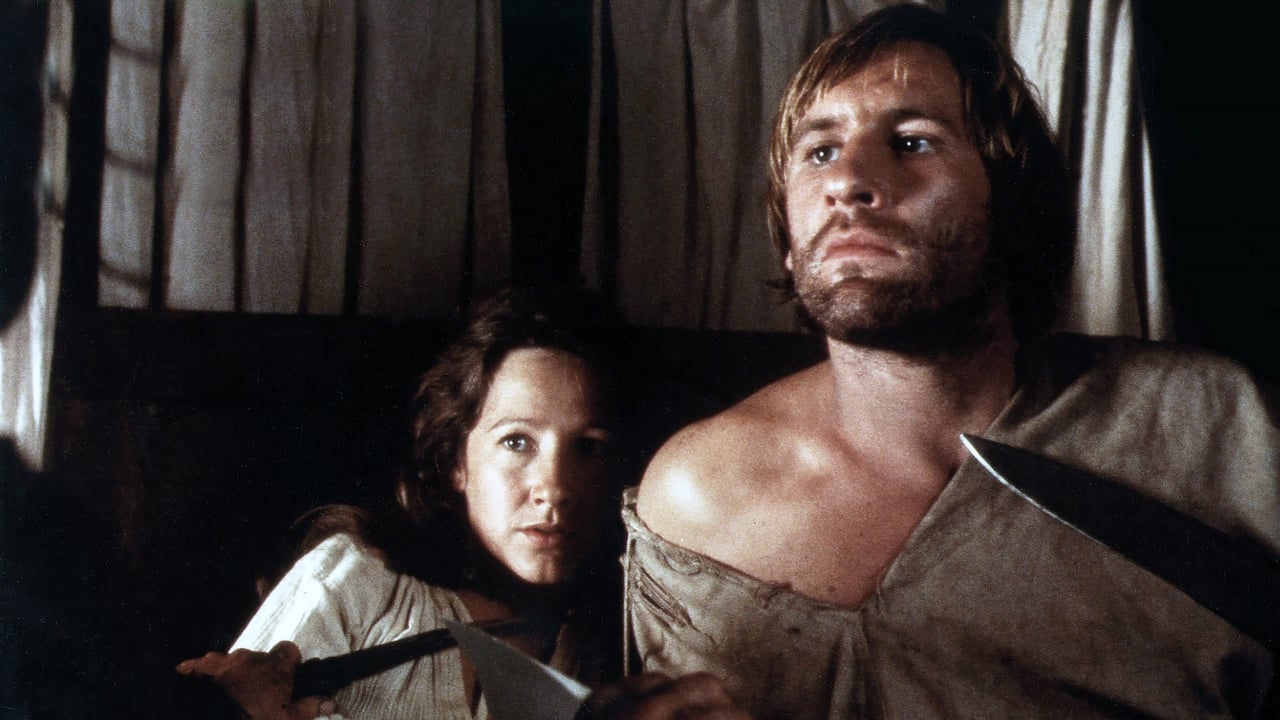
The commitment to historical authenticity is palpable. Vigne and his team didn't just rely on dusty archives; they immersed themselves in the period. Natalie Zemon Davis, a prominent historian specializing in the era, served as a consultant, ensuring details from farming techniques to social customs felt right (though she later published her own book offering slightly different interpretations of the events, sparking some academic debate – a fascinating trivia point in itself!). Filming took place in rural southwestern France, adding immeasurably to the sense of place. This dedication grounds the central mystery, making the human drama feel utterly real. The reported budget was modest, even for the time (around $3-4 million USD equivalent), yet the film achieves a richness and texture many bigger productions lack, proving that careful craft can triumph over spectacle. Interestingly, the film's success wasn't just critical; it performed well internationally, tapping into a universal fascination with this perplexing tale. It even scooped up several César Awards (the French equivalent of the Oscars), including Best Original Screenplay.
It’s impossible to discuss The Return of Martin Guerre without mentioning its 1993 American remake, Sommersby, starring Richard Gere and Jodie Foster, which shifted the setting to post-Civil War America. While Sommersby is a decent film in its own right, it arguably smooths some of the original's rougher, more ambiguous edges. The French version feels less concerned with Hollywood narrative tidiness and more invested in the murky complexities of its historical source. Renting Martin Guerre back in the day often felt like discovering a secret window into a different world, a far cry from the usual blockbuster fare lining the shelves.
### The Verdict on Artigat
The Return of Martin Guerre is a masterful piece of historical filmmaking. It's patient, intelligent, and deeply moving, anchored by superb central performances and an unwavering commitment to its unique atmosphere. It uses a fascinating historical footnote to explore timeless questions about who we are and how we are perceived by others. It avoids easy answers, trusting the audience to grapple with the ambiguities alongside the characters. Watching it again now, decades after first sliding that tape into the VCR, its power hasn't diminished one bit. It remains a compelling, thought-provoking experience.
Rating: 9/10
Justification: The near-perfect score reflects the film's exceptional acting (particularly from Depardieu and Baye), its meticulous historical recreation, the intelligent and layered script by Carrière and Vigne, and its success in turning a historical event into a profound meditation on identity and truth. It avoids melodrama, trusting in the inherent power of its story and characters. It only falls shy of a perfect 10 perhaps because its deliberate pacing might test the patience of some viewers accustomed to faster narratives, but for those willing to invest, the rewards are immense.
Final Thought: What truly defines a person – the papers they carry, the memories others hold, or the life they choose to live? The Return of Martin Guerre leaves you pondering that question long after the screen goes dark, a testament to its quiet, enduring power.