It’s funny how certain movie boxes practically glowed on the shelves of the video store, promising something comforting and familiar. Curly Sue always had that aura – a brightly colored box, a smiling kid, and the name John Hughes emblazoned across it. But popping this tape into the VCR in 1991 revealed something a little different from the Hughes we knew from the hallowed halls of Shermer High. This wasn't angst-ridden teens or suburban chaos; this was something glossier, sweeter, and perhaps a sign of the legendary writer-director winding down his time behind the camera.

A Different Kind of Hughesian Heart
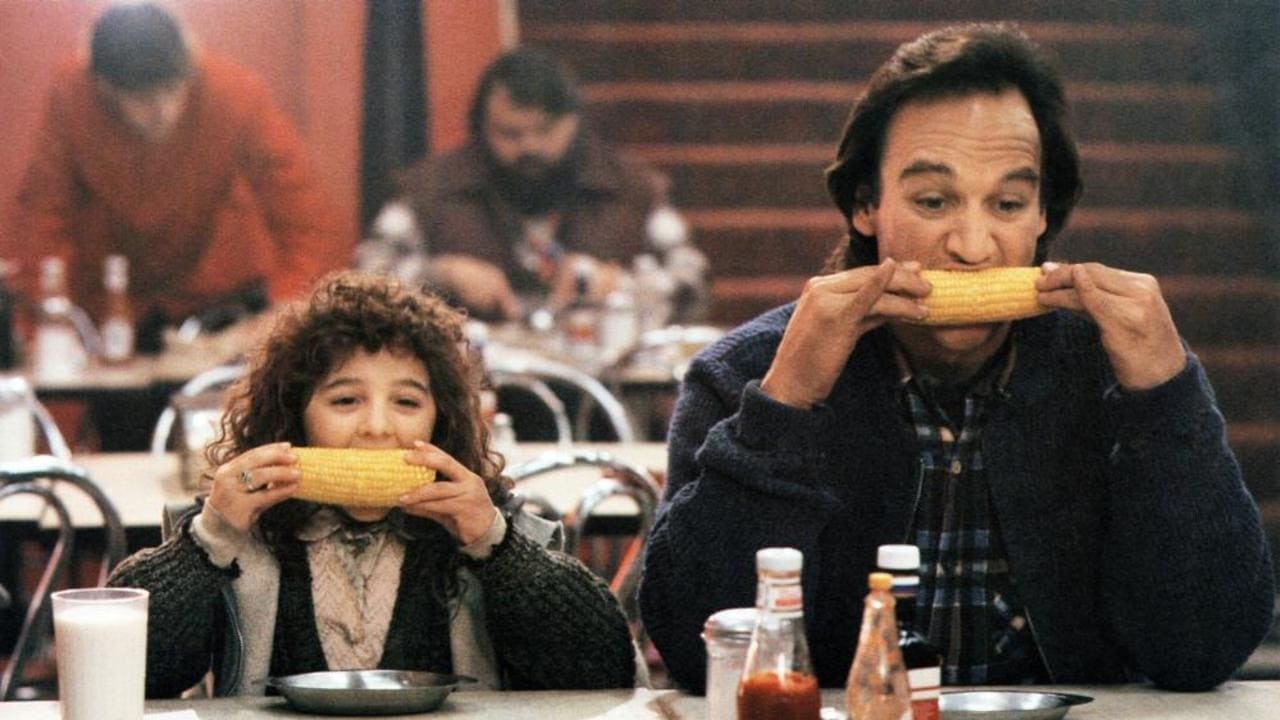
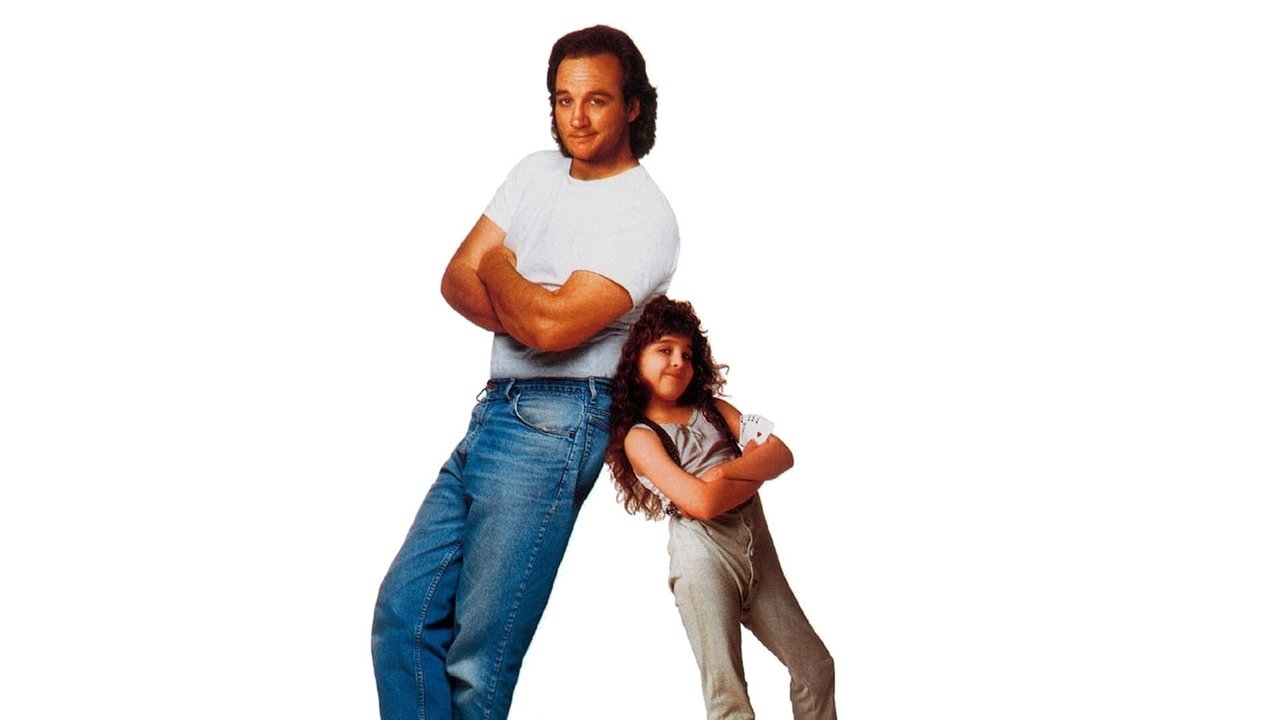
The setup feels classic fairytale, albeit with a distinctly early 90s Chicago backdrop. We meet Bill Dancer (James Belushi) and the whip-smart, utterly adorable nine-year-old Curly Sue (Alisan Porter), a pair of drifters running small-time cons to get by. Their latest mark? Successful, albeit slightly chilly, divorce lawyer Grey Ellison (Kelly Lynch). Through a series of engineered "accidents," Bill and Sue charm (or perhaps guilt) their way into Grey's luxurious life, and predictably, hearts begin to melt all around.
If you went into Curly Sue expecting the sharp wit of Ferris Bueller's Day Off (1986) or the resonant teen drama of The Breakfast Club (1985), you might have felt a bit bewildered. This was John Hughes operating in a different mode. The trademark empathy is still there, buried beneath layers of sentimentality that sometimes border on saccharine. It feels less like the authentic slice-of-life observations of his 80s peak and more like a deliberate attempt at crafting a heartwarming, slightly old-fashioned family film. And you know what? Sometimes, that’s exactly what you needed on a Friday night with a bowl of popcorn.

That Kid Had Star Power
Let's be honest, the movie rests almost entirely on the tiny shoulders of Alisan Porter. Fresh off winning Star Search as a vocalist, Porter is undeniably captivating as Curly Sue. She’s got impeccable comic timing, handles the emotional beats like a pro, and possesses a screen presence that punches well above her age. You completely believe her as this street-smart kid who’s seen too much but hasn't lost her sparkle. It's a performance that truly anchors the film and makes you forgive some of the plot's more convenient turns.
James Belushi, for whom Hughes reportedly wrote the role, brings his reliable charm to Bill Dancer. It's a softer, more paternal Belushi than we often saw, navigating the comedic moments with ease while also hinting at the desperation beneath the surface. His chemistry with Porter feels genuine, selling their unconventional father-daughter bond. Kelly Lynch, tasked with the somewhat thankless role of the initially icy career woman, does a commendable job thawing believably as she falls under the duo's spell. Her transformation is perhaps the most predictable arc, but Lynch handles it with grace.
Retro Fun Facts: Hughes' Swan Song and Mixed Fortunes
- This film marks the end of an era, as Curly Sue was the last movie John Hughes would ever direct. He continued writing and producing (famously under pseudonyms sometimes), but stepped away from the director's chair after this.
- While Hughes penned it specifically for Belushi, it was Alisan Porter who stole the show. Her casting felt like capturing lightning in a bottle.
- Despite its family-friendly intentions, Curly Sue didn't exactly charm the critics upon release. It currently holds a rather frosty 14% on Rotten Tomatoes, with many finding it overly schmaltzy and formulaic compared to Hughes' earlier, beloved works.
- Financially, it wasn't a runaway smash either. Made on a budget of around $25 million, it pulled in approximately $33.7 million domestically. A modest return, certainly not the kind of cultural phenomenon Hughes had generated previously. Perhaps audiences, like critics, were expecting something different.
- The film's score by Georges Delerue, a legendary French composer known for his work with directors like François Truffaut, lends a surprisingly lush, almost classical feel to the proceedings, further enhancing the movie's fairytale quality.
Does It Hold Up? A Warm VHS Hug
Watching Curly Sue today is an interesting experience. Yes, the plot is predictable, hitting familiar beats of mismatched worlds colliding and finding common ground. Yes, the sentimentality is laid on thick – sometimes with a trowel. There's a scene involving Curly Sue singing the national anthem that pushes the cuteness meter into the red zone. And yet... there's an undeniable warmth to it. It’s like a cinematic comfort blanket.
Maybe it’s the nostalgia talking, that feeling of simpler times when a movie just needed heart and a charming kid to win you over. Maybe it's seeing Hughes try something different, even if it wasn't entirely successful by his own high standards. Or perhaps it’s just Alisan Porter’s genuinely brilliant performance that elevates the material. It's not a film that challenges or surprises in the way Hughes' best work does, but it aims squarely for the heart, and often hits the mark, even if a little clumsily. It's the kind of movie that probably played constantly on Saturday afternoon TV, easy to dip in and out of, always leaving you with a slightly fuzzy feeling.

VHS Heaven Rating: 6/10
This score reflects a film that is undeniably flawed – overly sentimental, predictable, and lacking the sharp edge of Hughes' iconic 80s output. However, Alisan Porter's knockout performance, James Belushi's easy charm, and the sheer, unadulterated earnestness of its heart elevate it beyond mere mediocrity. It's a film powered by nostalgia and a genuine, if slightly syrupy, warmth that earns it affectionate remembrance, particularly as the final directorial bow from a true cinematic legend.
Curly Sue might not be peak John Hughes, but it's a sweet, harmless piece of early 90s nostalgia that wears its heart proudly on its sleeve – a final, gentle wave goodbye from the man who understood youth better than almost anyone.