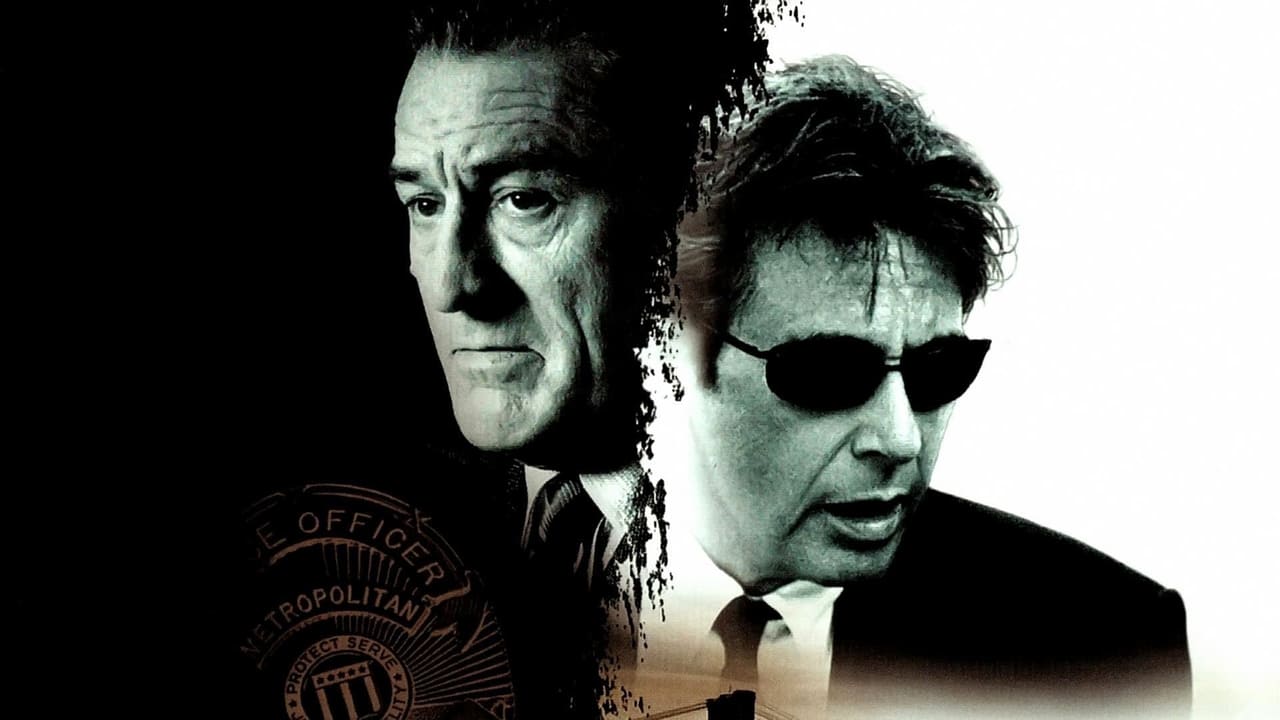
The air hangs heavy, thick with the metallic tang of cordite and the low hum of a city that never truly sleeps. There are films that merely entertain, and then there are those that burrow under your skin, leaving an imprint like the ghostly burn-in on an old CRT screen. Michael Mann's 1995 crime epic, Heat, isn't just a movie; it's an experience, a sprawling, meticulously crafted mural of obsession, professionalism, and the yawning void of loneliness painted against the cool, indifferent backdrop of Los Angeles. For many of us clutching that hefty double VHS back in the day, the promise was almost mythical: Al Pacino and Robert De Niro, titans finally sharing the screen not just in sequence, but face-to-face. The anticipation was electric.
Blue Steel and Concrete Canyons
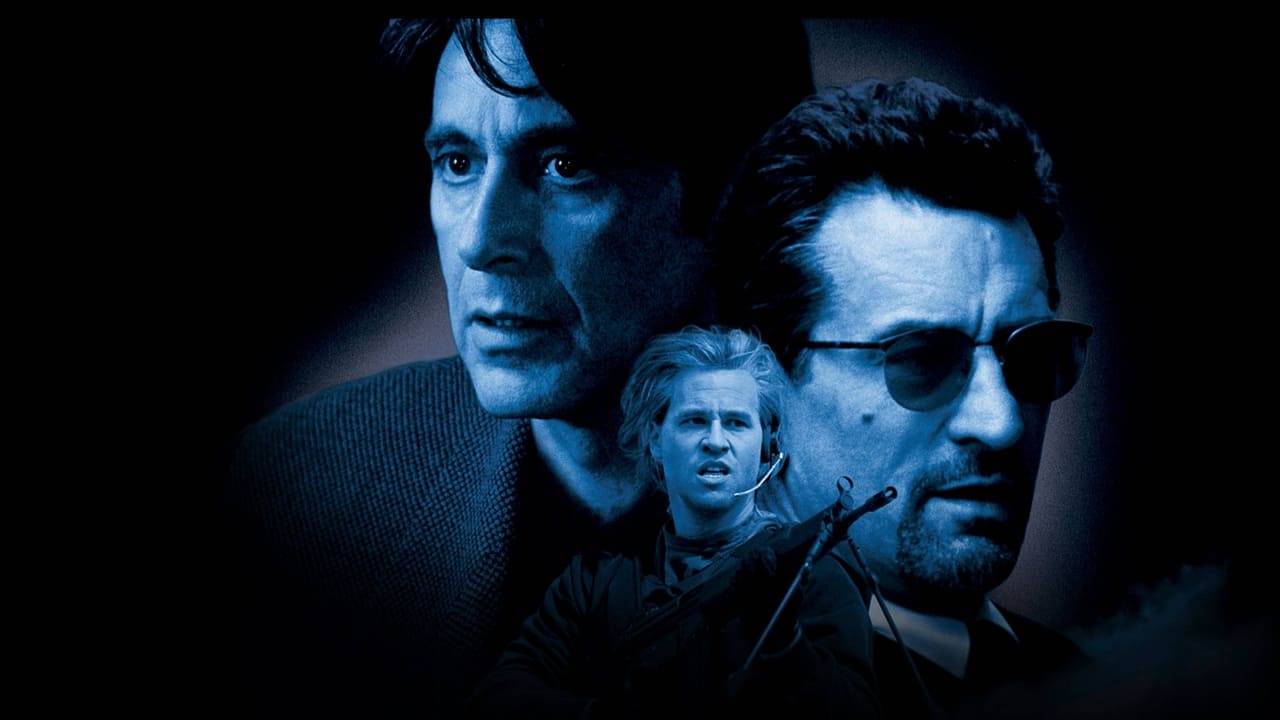
From its opening frames, Heat establishes a distinct mood – Mann's signature visual palette of steely blues and nocturnal sodium-vapor yellows transforms Los Angeles into a character itself. This isn't the sun-drenched LA of postcards; it's a world of shadows, reflective surfaces, and wide, empty spaces that dwarf the figures moving within them. We're introduced to two men operating at the absolute peak of their respective crafts: Neil McCauley (Robert De Niro), the ruthlessly efficient master thief leading a disciplined crew (Val Kilmer, Tom Sizemore, Danny Trejo), and Vincent Hanna (Al Pacino), the equally driven, almost pathologically obsessive LAPD Robbery-Homicide detective determined to take them down. Their lives are mirror images, consumed by their work to the detriment of everything else. Remember the chilling precision of that opening armored car robbery? It sets the stage perfectly – calculated, brutal, and utterly professional.
The Weight of Two Worlds
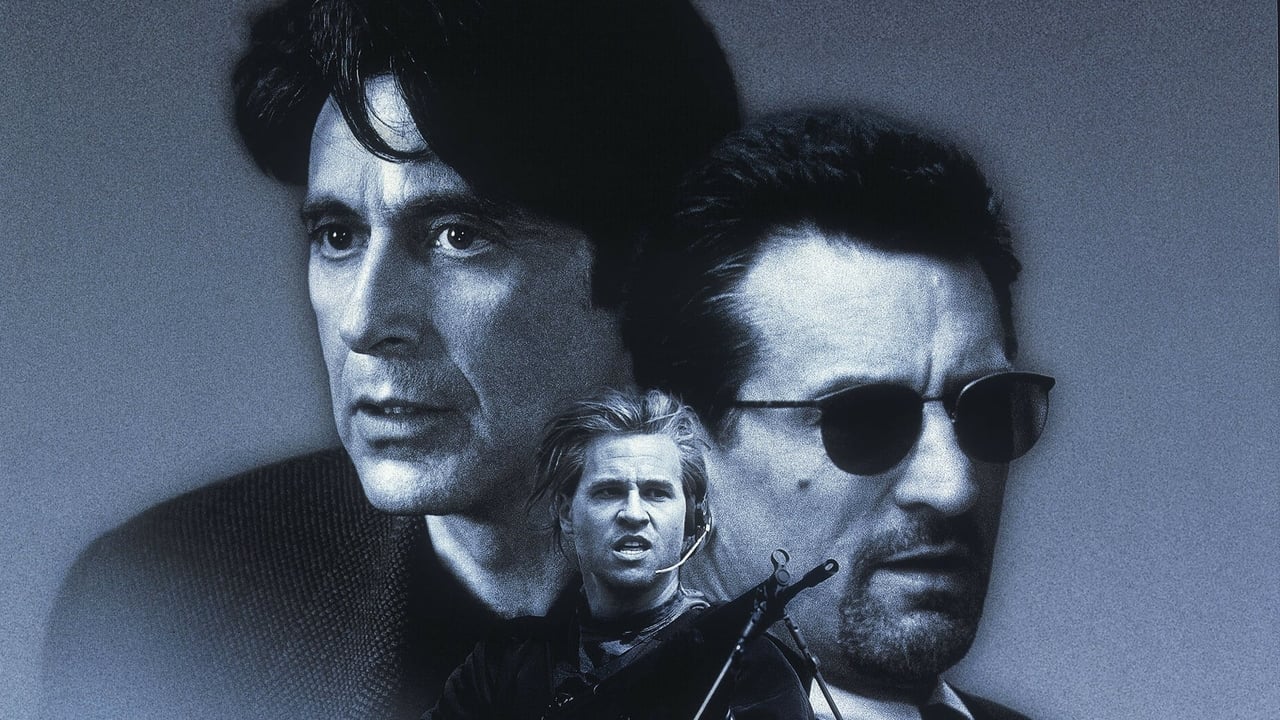
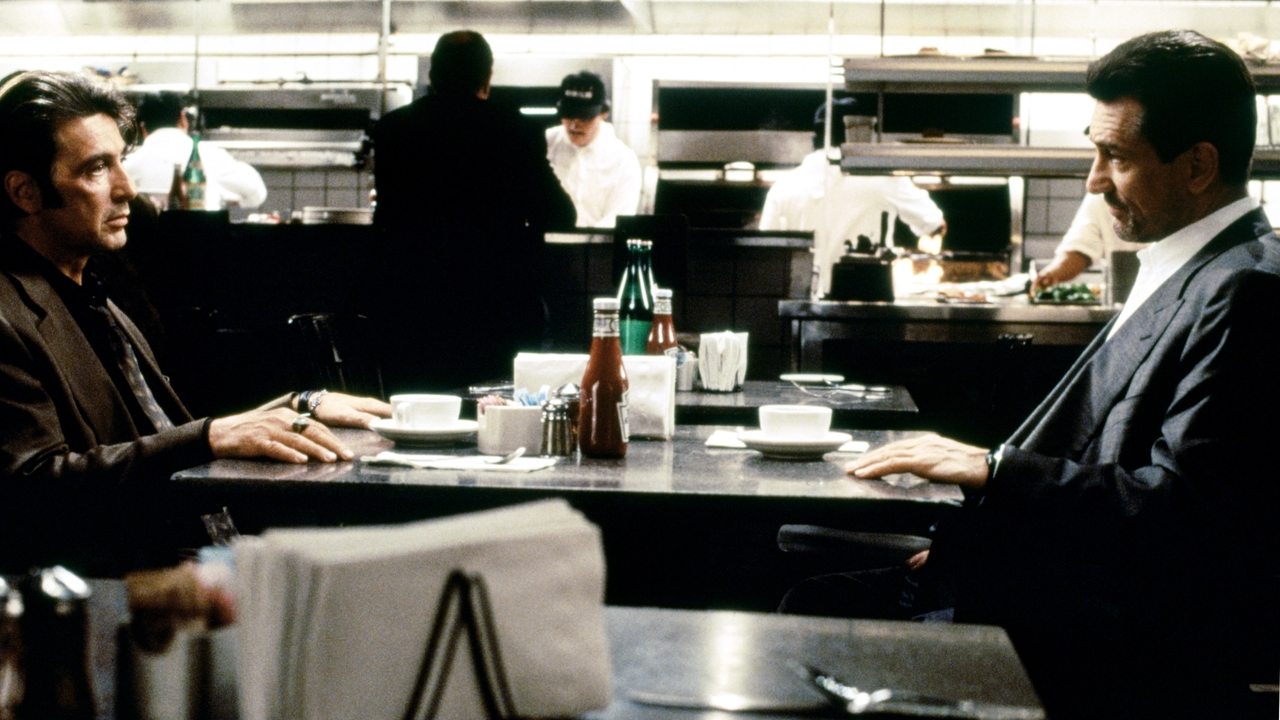
What elevates Heat beyond a standard cops-and-robbers flick is its profound exploration of these parallel lives. Mann, who had been developing this story for years (it originated as his 1989 TV movie L.A. Takedown), imbues both McCauley and Hanna with a weary gravity. McCauley lives by a strict code – "Allow nothing to be in your life that you cannot walk out on in 30 seconds flat if you spot the heat around the corner" – a philosophy born of necessity that bleeds into existential isolation. De Niro's performance is a masterclass in contained intensity; his stillness speaks volumes. Pacino’s Hanna, conversely, is explosive, channeling his ferocious energy into his job because his personal life is imploding. It's one of Pacino's most iconic 'big' performances, yet grounded in a tangible desperation. The legendary coffee shop scene, their first proper on-screen dialogue after decades in the industry (they never shared a frame in The Godfather Part II), crackles not with overt threats, but with mutual respect and a stark understanding of their inevitable collision course. Mann famously shot this scene with minimal rehearsal, capturing the raw, almost hesitant energy between the two actors meeting as these characters for the first time.
Echoes in the Streets
And then there's that shootout. Has any cinematic firefight before or since felt so visceral, so terrifyingly real? Forget stylized slow-motion; Mann opted for brutal authenticity. The sheer volume and chaos of the downtown LA gun battle, erupting after a bank heist goes sideways, is breathtaking. Mann employed technical advisors (including former British SAS soldiers) to train the actors rigorously in weapons handling and movement. Val Kilmer, despite dealing with personal issues off-set, delivers some incredibly slick, practiced magazine changes that still impress. The sound design is overwhelming – the distinct reports of different automatic weapons echoing off the concrete, captured live on location using carefully placed microphones, created an acoustic nightmare that felt utterly unprecedented on home video systems. It's rumored the sequence is still studied by military and police training academies. It wasn't just loud; it felt dangerous, a feeling amplified by the knowledge that much of it was filmed practically on the actual streets of LA, a logistical feat requiring months of planning.
A Crew Like No Other
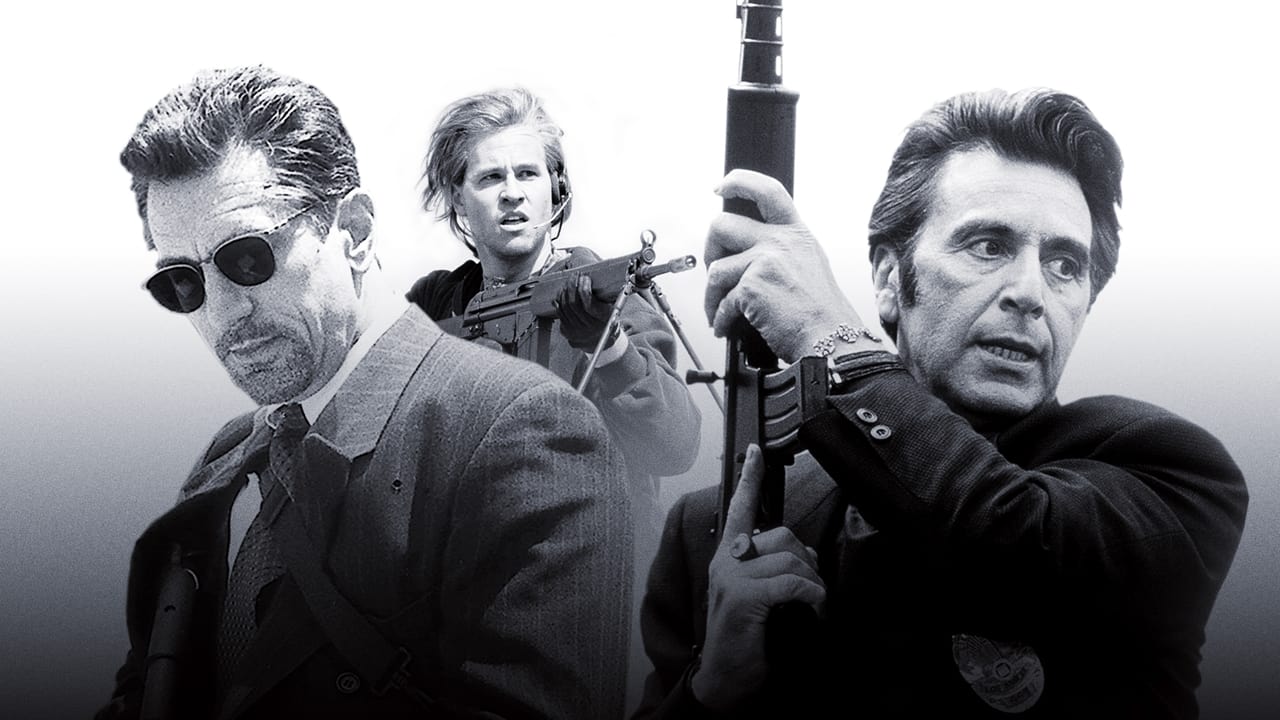
While Pacino and De Niro are the undeniable centerpiece, the ensemble cast is uniformly excellent. Val Kilmer as Chris Shiherlis, McCauley's right-hand man grappling with a gambling addiction and a collapsing marriage (to a brilliantly frayed Ashley Judd), brings a tragic swagger to the role. Tom Sizemore as the dependable Michael Cheritto and Diane Venora as Hanna's long-suffering wife Justine add crucial layers to the narrative tapestry. Even smaller roles, like Danny Trejo's brief but memorable turn as part of the crew, feel lived-in. Mann's dedication to realism extended to the supporting players; he drew heavily on the experiences of real-life figures like Chicago detective Charlie Adamson (a consultant on the film and friend of Mann's, who inspired Hanna) and the actual Neal McCauley, a professional robber killed in 1964.
Lasting Resonance
Heat wasn't just a box office success (grossing over $187 million worldwide against a $60 million budget); it redefined the modern crime thriller. Its influence can be seen in everything from The Dark Knight (2008) to countless heist films and video games. Its themes of professional dedication bordering on obsession, the loneliness inherent in certain paths, and the thin line between hunter and hunted remain potent. Watching it today, the meticulous pacing (it is nearly three hours long, after all) feels deliberate, allowing the tension and character studies to breathe in a way few contemporary thrillers attempt. Did the near three-hour runtime feel epic or excessive on that first watch?
This is a film that demands your attention, rewarding it with intricate plotting, unforgettable set pieces, powerhouse performances, and a pervasive mood that lingers. It’s a high-water mark for Michael Mann and a cornerstone of 90s crime cinema.
Rating: 9.5/10
This score reflects the film's masterful direction, iconic performances, groundbreaking action sequences, and thematic depth. It's near-perfect execution of a modern crime epic, only slightly held back by its deliberate (some might say slow) pacing in parts for those seeking non-stop action.
Heat remains a monumental piece of filmmaking – cool, complex, and utterly captivating, a true heavyweight champion from the golden age of VHS rentals that still packs an incredible punch.