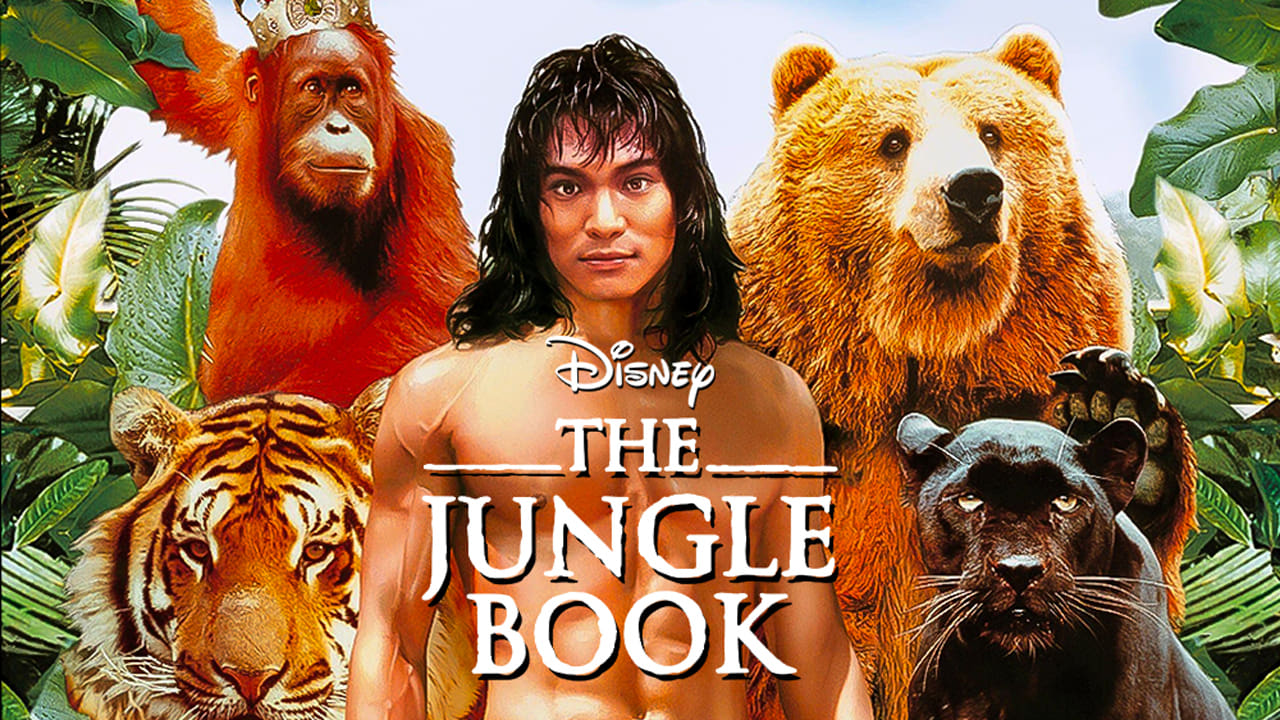
Forget the bare necessities and the sweet, swinging tunes for a moment. Cast your mind back to 1994, a time when Disney was dipping its toes into grander live-action adventures, and you might recall retrieving a VHS tape promising something quite different from the beloved 1967 animation. Director Stephen Sommers, years before he'd unleash The Mummy (1999) upon us, took Rudyard Kipling's tales and spun them into a lavish, romantic, and surprisingly mature jungle epic simply titled The Jungle Book. This wasn't merely Mowgli learning the law of the jungle; this was Mowgli navigating the treacherous landscape of British Colonial India, lost cities, and the complexities of the human heart.
### A Different Kind of Jungle Law
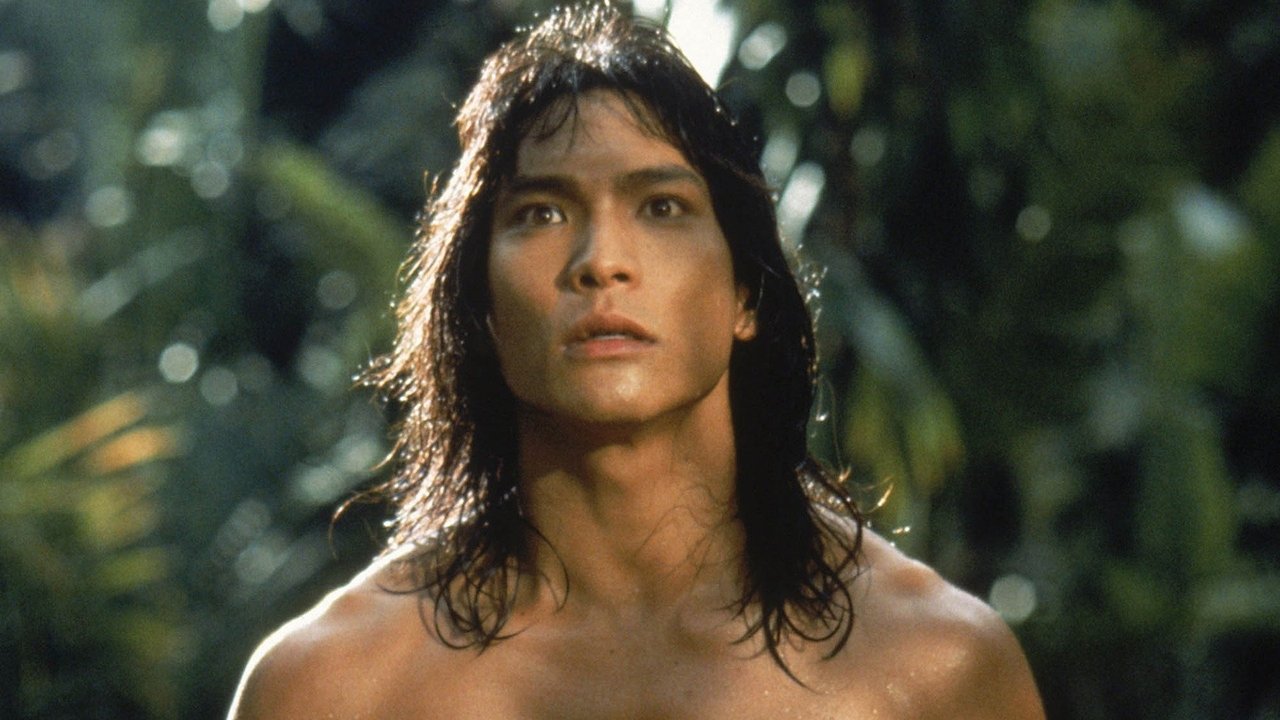
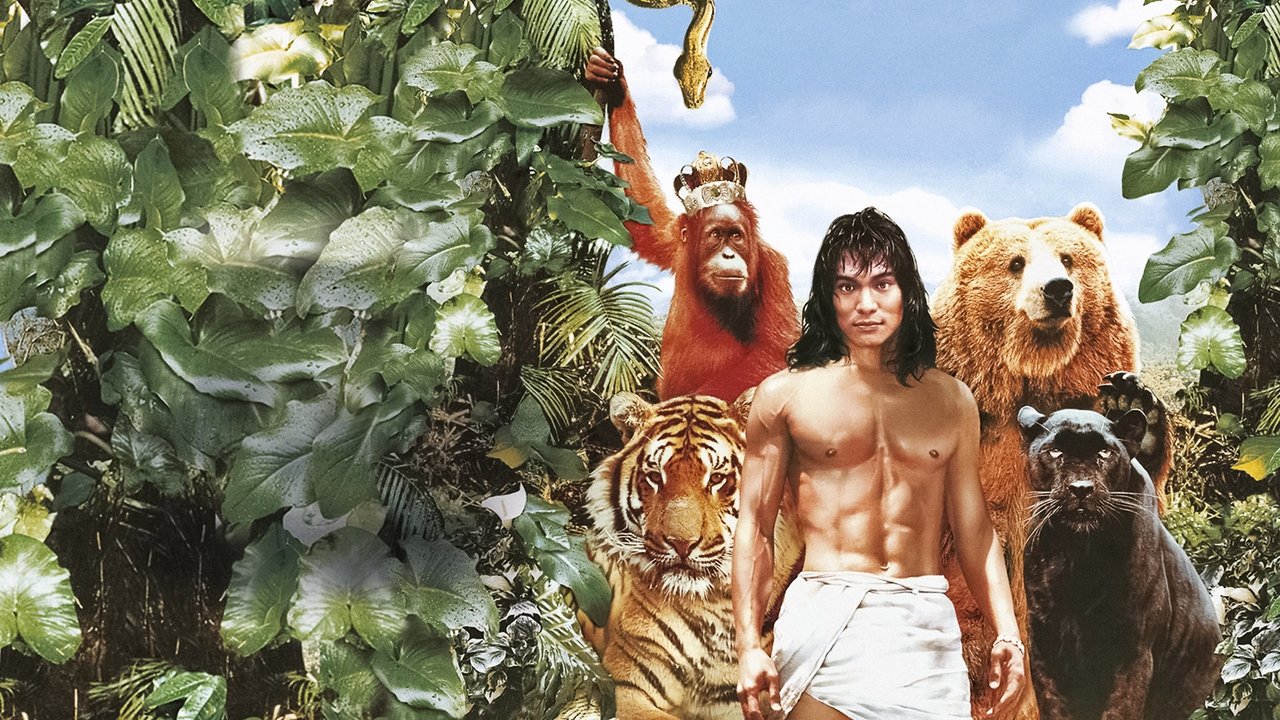
Right from the opening, set amidst the Sepoy Mutiny, Sommers signals his intent. This version, co-written by Sommers, Ronald Yanover, and Mark Geldman, ages Mowgli up considerably. We meet him as a young boy tragically separated from his father and his childhood friend, Kitty Brydon, during an attack. Raised by wolves, Baloo (an actual bear, thankfully not singing!), and Bagheera (a sleek panther), he grows into a man perfectly attuned to the wild, played with impressive physicality and wide-eyed wonder by Jason Scott Lee. Fresh off playing Bruce Lee in Dragon: The Bruce Lee Story (1993), Lee throws himself into the role, mastering a unique, almost simian movement style that sells the "wild man" concept convincingly. He’s less the naive man-cub, more a jungle-savvy Tarzan figure dropped into an Indiana Jones adventure.
The plot truly kicks in when Mowgli re-encounters civilization and, inevitably, Kitty, now a proper English lady played by a young Lena Headey (long before her iconic Cersei Lannister in Game of Thrones). Their childhood connection sparks anew, much to the chagrin of Kitty's arrogant suitor, Captain William Boone, portrayed with delightfully dastardly relish by Cary Elwes. Elwes, forever beloved as Westley from The Princess Bride (1987), clearly enjoys playing the sneering villain, seeking not only Kitty's hand but also the legendary lost treasure of Monkey City, which Mowgli unknowingly holds the key to.
### Adventure Through Lush Vistas (and Some Trivia)
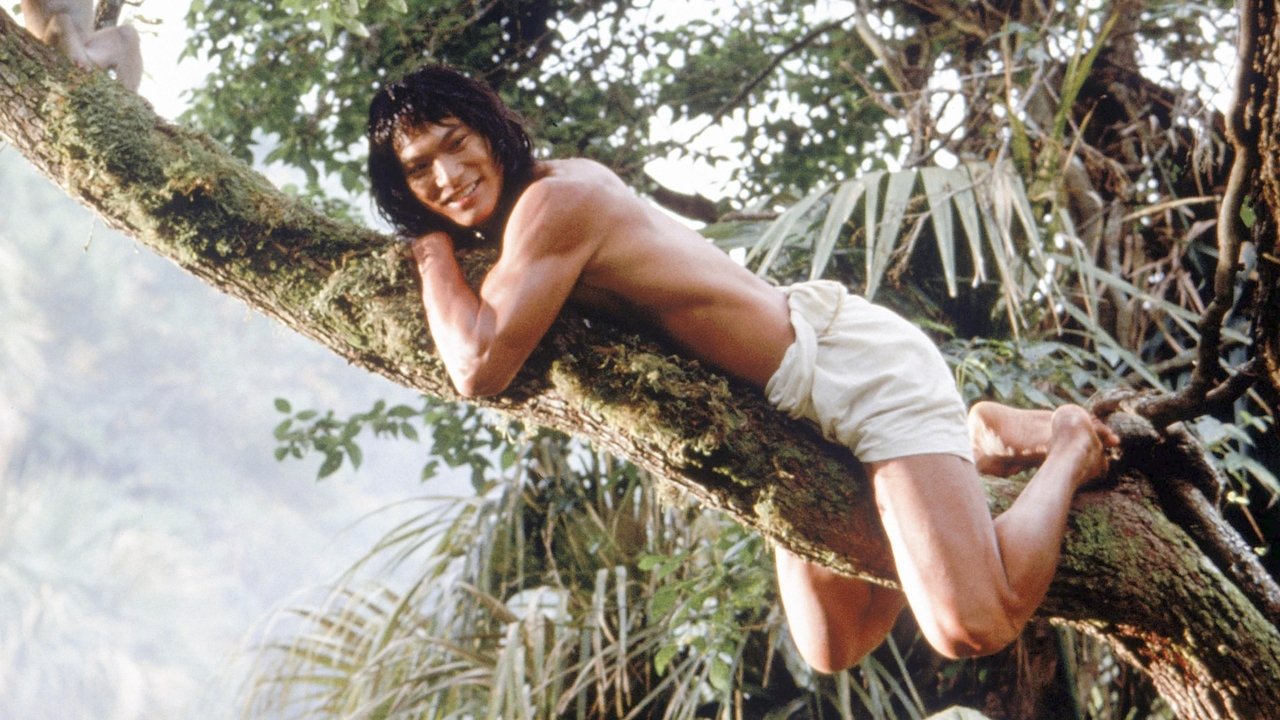
What truly elevates this Jungle Book beyond just another adaptation is its sheer visual scope and adventurous spirit. Sommers makes fantastic use of real locations, whisking us from the imposing Mehrangarh Fort in Jodhpur, India, to the lush greenery of Fripp Island, South Carolina, and Fall Creek Falls State Park, Tennessee (standing in for Indian jungles). Cinematographer Juan Ruiz Anchía crafts some genuinely beautiful shots, capturing both the majesty and danger of the wilderness. You can almost feel the humidity clinging to the air, a far cry from the animated cels of its predecessor. It's the kind of tactile world-building that looked particularly impressive on a decent-sized CRT back in the day.
Of course, working with live animals presents its own challenges. Birds & Animals Unlimited provided the animal stars, and while the training is impressive for the era, modern eyes might (rightly) scrutinize the ethics more closely. Still, seeing a real Baloo lumber alongside Mowgli, or Shere Khan presented as a genuinely menacing tiger rather than a suave villain, gave the film a sense of tangible reality. One fascinating tidbit is how Jason Scott Lee reportedly spent significant time observing primates to develop Mowgli’s distinct physicality – a commitment that really shines through on screen.
The supporting cast adds considerable weight. Sam Neill, just a year after facing dinosaurs in Jurassic Park (1993), brings his reliable gravitas as Kitty's principled father, Colonel Brydon. And in a stroke of genius casting, John Cleese appears as Dr. Plumford, Brydon’s slightly befuddled friend who attempts to “civilize” Mowgli, providing moments of gentle comedy amidst the swashbuckling. It's the kind of role Cleese could do in his sleep, but he injects it with his signature charm.
### More Romance Than Rudyard?
It's fair to say this film takes significant liberties with Kipling's source material, leaning heavily into the romance between Mowgli and Kitty and the treasure-hunting plot driven by Boone. Some purists might balk, but taken on its own terms as a 90s romantic adventure, it largely succeeds. The chemistry between Lee and Headey is sweet, and the action sequences, particularly the finale in the booby-trapped lost city, are classic Sommers – energetic and filled with practical stunts and effects that were the bread and butter of the VHS era. The score by the late, great Basil Poledouris (Conan the Barbarian, RoboCop) adds a layer of epic grandeur that perfectly complements the visuals.
Made on a respectable budget of around $30 million, the film pulled in about $43.2 million worldwide – a decent return, but perhaps not the blockbuster Disney might have hoped for. It found a solid life on home video, though, becoming one of those reliable rentals many of us probably picked up, perhaps surprised by its scope and tone. It certainly feels like a precursor to the more ambitious live-action adaptations Disney would pursue decades later, like Jon Favreau's 2016 version, albeit with a distinctly 90s flavor. Its IMDb score currently sits at 6.1/10, with Rotten Tomatoes showing a more generous 80% critic score, perhaps reflecting an appreciation for its adventurous heart over strict fidelity.
### The Verdict
This isn't the definitive Jungle Book, nor is it trying to be. It's a product of its time – a sweeping, often thrilling, and unashamedly romantic adventure film that uses the Kipling framework as a launchpad for something different. Jason Scott Lee is a compelling lead, the villains are suitably hissable, and the production values deliver a visual feast that aimed to impress. It has flaws – the script sometimes prioritizes spectacle over nuance, and its connection to the source material is tenuous at best. But there's an earnestness and energy to it that's hard to dislike. It captures that 90s desire for big-screen escapism, filled with exotic locales, daring escapes, and a love story against the odds.

Rating: 7/10
Justification: The film gets high marks for its visual ambition, Jason Scott Lee's committed performance, Cary Elwes' enjoyable villainy, the lush score, and its overall sense of grand adventure typical of 90s blockbusters. It loses points for deviating significantly from the source material in ways that sometimes feel generic, and a script that occasionally falters. However, its entertainment value and nostalgic charm as a distinct take on the tale earn it a solid score.
For a trip back to a time when live-action family adventures felt genuinely expansive and weren't afraid to be a little more grown-up, this Jungle Book is a rewarding watch, a treasure perhaps half-buried in the video store memories of the past.