Alright, settle back into that comfy spot on the couch, maybe imagine the satisfying thunk of a freshly rented tape sliding into the VCR. Today, we're digging deep into the rental store archives for a title that might trigger a flicker of recognition, perhaps followed by a bewildered smile: 1991's canine curiosity, Bingo. This wasn't your average heartwarming Lassie fare; oh no, this was something... else entirely. A film that somehow managed to be both a family adventure and possess a backstory wilder than its on-screen antics.
More Than Just Man's Best Friend
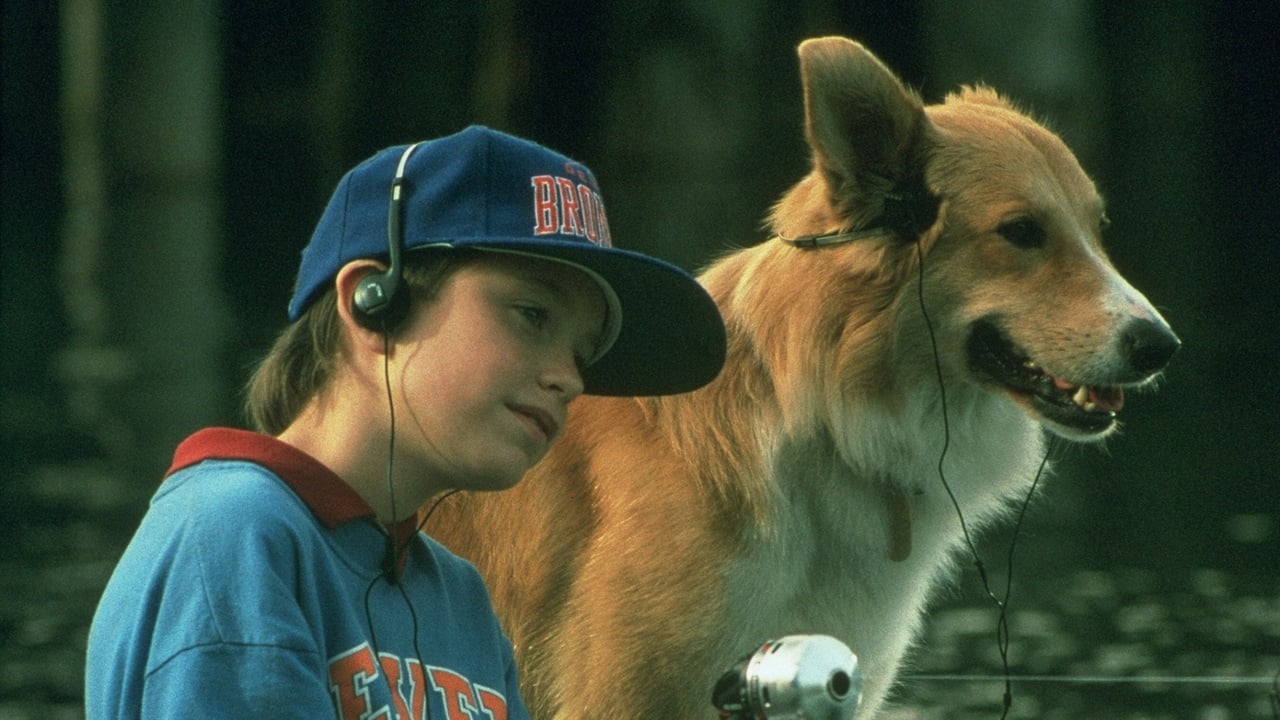
The premise starts simply enough: Chuckie Devlin (Robert J. Steinmiller Jr.), a lonely kid often ignored by his football-obsessed father (played with characteristic bluster by David Rasche, forever etched in our minds as TV's Sledge Hammer!) and well-meaning but slightly frazzled mother (Cindy Williams, bringing that familiar warmth we loved from Laverne & Shirley), befriends a clever stray collie mix named Bingo. They bond, Bingo saves Chuckie’s life (naturally), and all seems well until the family has to move cross-country. Dad forbids bringing the dog, leading to a tearful goodbye. Standard stuff, right? Wrong.
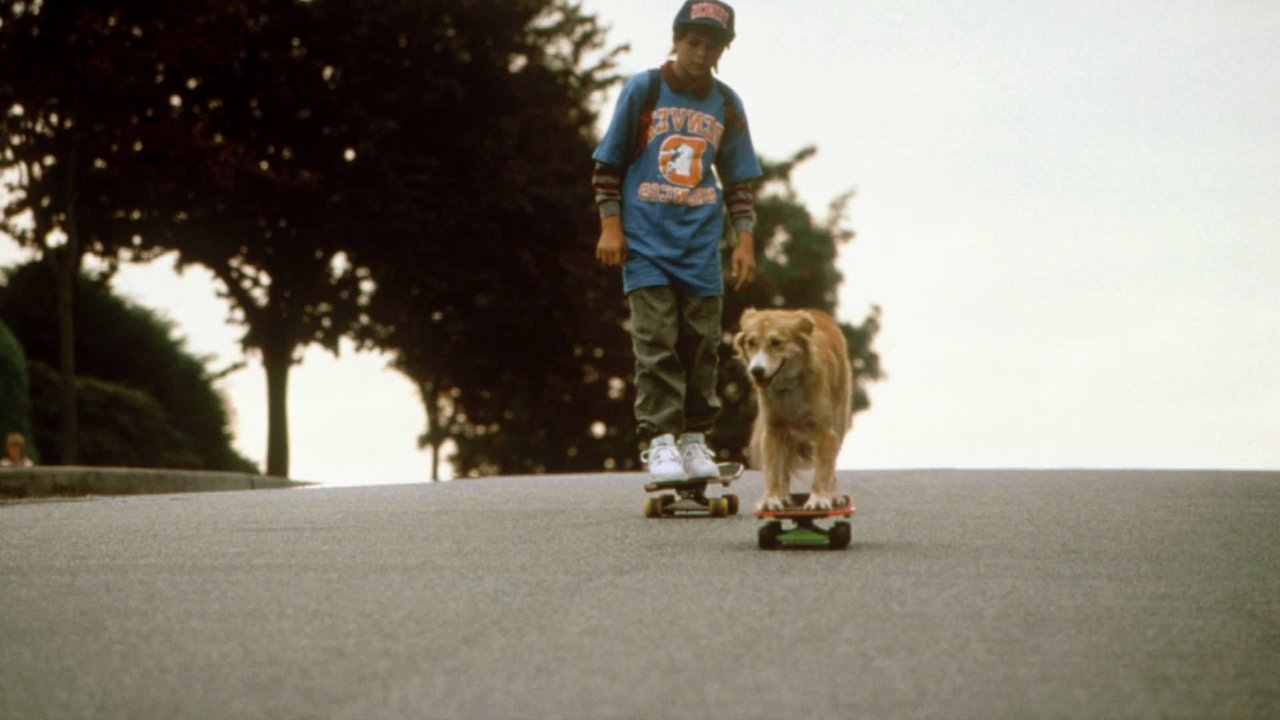
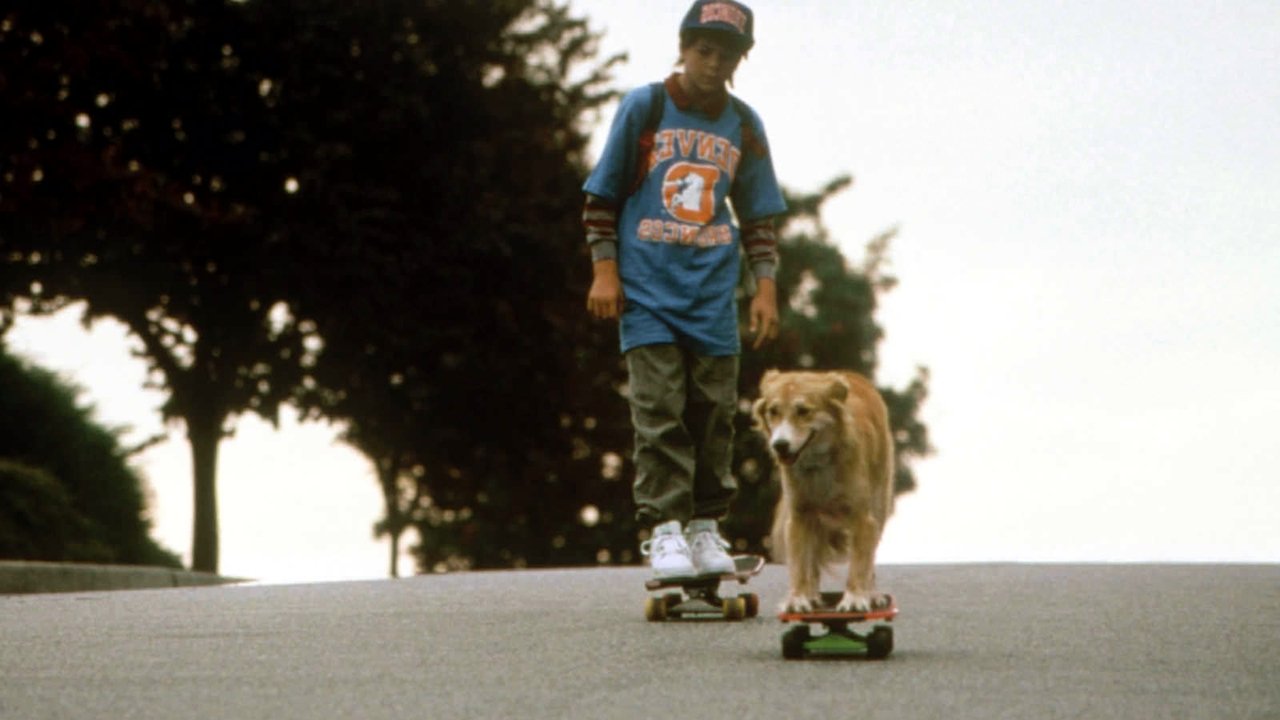
This is where Bingo veers off the beaten path and drives a stolen vehicle straight into Absurdityville. Our titular hero isn't content with just waiting patiently. He embarks on an epic solo journey across America to reunite with his boy. And folks, this dog doesn't just trot along scenic highways. Bingo hitches rides, evades capture, finds himself entangled with incompetent kidnappers, lands in prison (yes, dog prison), performs canine CPR, testifies in court, and even, at one point, appears to operate heavy machinery. It's a relentless barrage of increasingly unbelievable situations, played with a strange earnestness that defined so many early 90s family comedies trying desperately to be edgy and wholesome simultaneously.
A Pedigree of Peculiarity
Part of what makes Bingo such a fascinating VHS relic is understanding its bizarre origins. Believe it or not, the screenplay by Jim Strain (who later penned Jumanji) apparently started life as an R-rated black comedy, focusing more cynically on the dog's destructive path across the country. Director Matthew Robbins, no stranger to blending fantasy and family themes with films like the charming *batteries not included (1987) and the darker fantasy Dragonslayer (1981) under his belt, clearly oversaw a significant tonal shift to aim for the PG crowd. Yet, traces of that darker, weirder energy seem to linger beneath the surface, bubbling up in moments like the slightly menacing villains or the sheer improbable chaos Bingo leaves in his wake. It gives the film a unique, if disjointed, flavour.
You have to hand it to the animal trainers and the canine performer(s) playing Bingo. They achieved some genuinely impressive feats getting the dog to perform such complex actions in an era before CGI could easily paint over the seams. There’s a tactile reality to Bingo’s stunts, even when they defy all logic, that feels distinctly of its time. The human cast does their best with the material; Williams and Rasche are reliable pros, grounding the escalating silliness as much as possible, while Steinmiller Jr. provides the necessary emotional anchor as the kid devoted to his incredible dog.
Retro Fun Facts Unearthed
- The R-Rated Rumour Confirmed: Yes, writer Jim Strain confirmed the initial script was far darker and intended for an adult audience before being heavily rewritten for family appeal. Imagine that version!
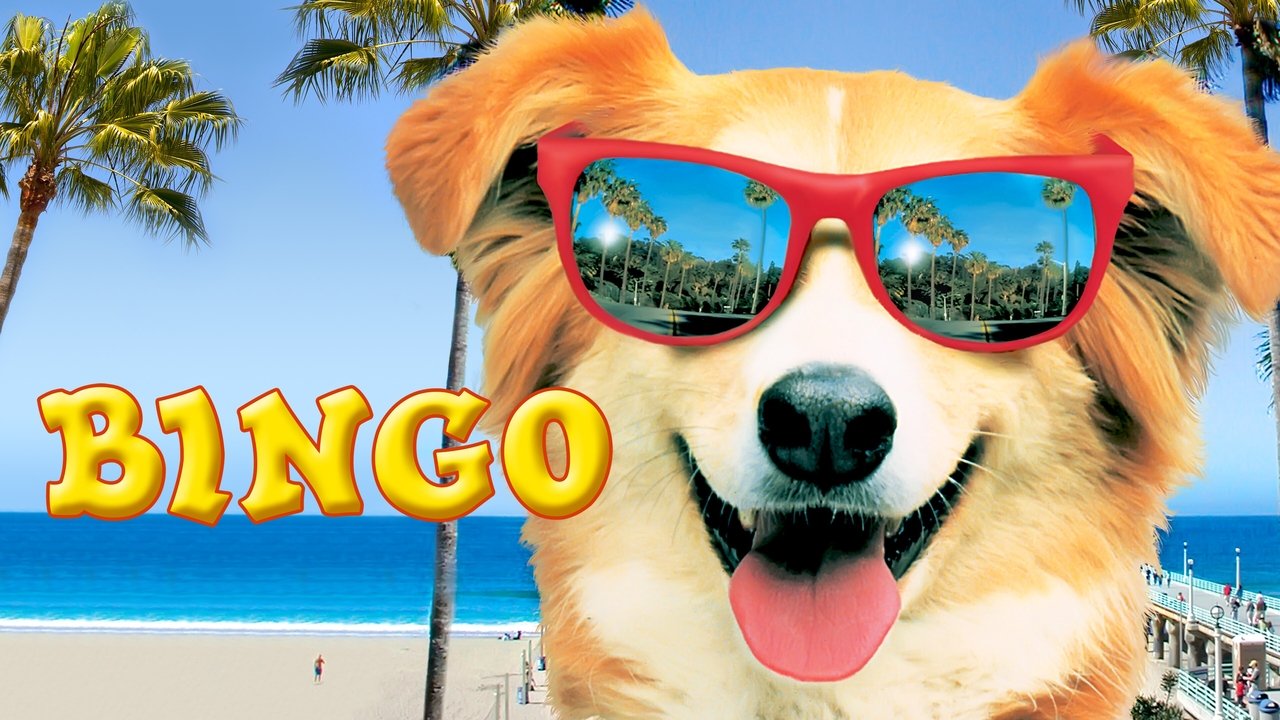
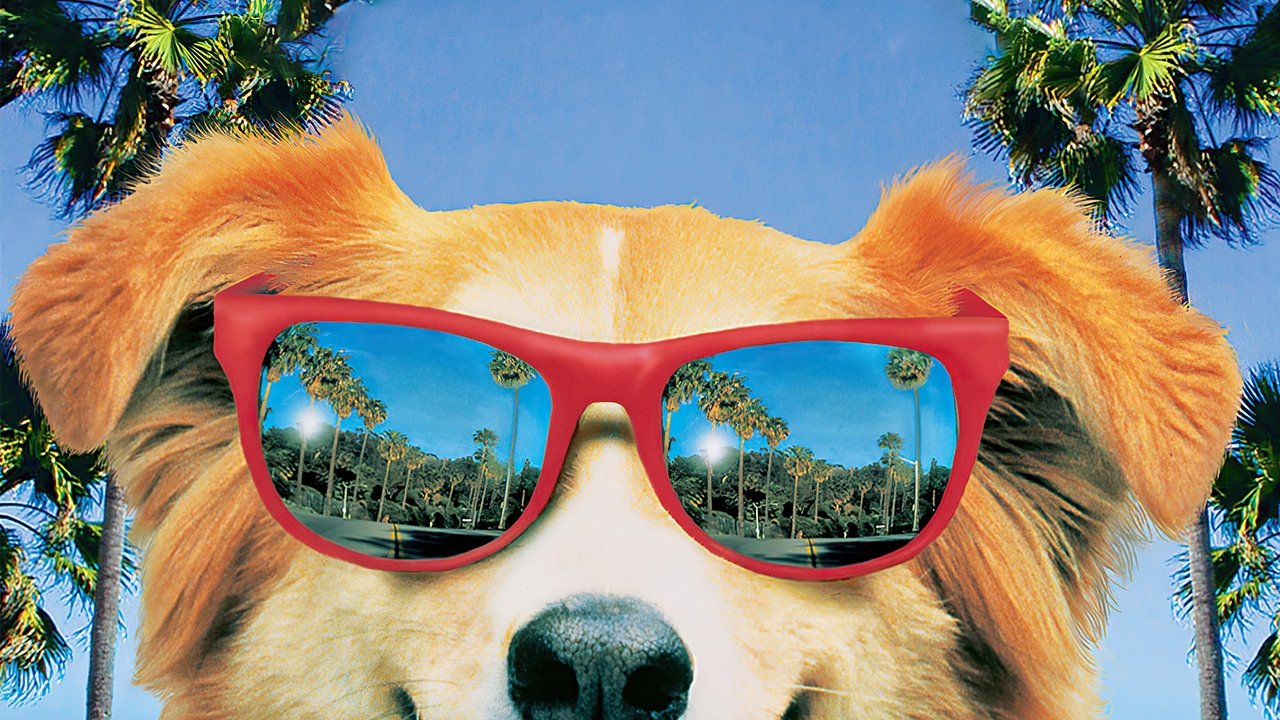
- Marketing Mayhem: The film’s taglines tried hard to sell the dog's extreme capabilities: "He makes Lassie look like a wimp!" and "The CIA, the FBI, the IRS... are no match for B-I-N-G-O!" It certainly set expectations for something extraordinary.
- Box Office Bark: Despite the family-friendly push and a decent budget (around $8.9 million), Bingo didn't quite catch fire at the box office, pulling in roughly $8.7 million domestically. It became more of a staple on home video and cable, finding its peculiar niche there.
- Critical Kibble: Reviews at the time were, shall we say, not kind. It currently sits at a chilly 20% on Rotten Tomatoes. But critical reception rarely stopped a film from becoming a beloved (or bemusing) memory for those who discovered it on tape!
A Shaggy Dog Story Worth Revisiting?
Watching Bingo today is an exercise in nostalgic whiplash. It’s goofy, often nonsensical, and stretches credibility past the breaking point multiple times within its 90-minute runtime. The pacing can feel uneven, and some of the humour definitely lands with a thud. Yet... there’s an undeniable, strange charm to it. It’s a testament to that specific early 90s era of family filmmaking where studios seemed willing to throw increasingly wild concepts at the wall, hoping something would stick.
It captures a certain naive ambition – the belief that audiences would absolutely buy into a dog capable of outsmarting federal agents and performing complex medical procedures. It’s the kind of film that likely wouldn't get made today, at least not without layers of irony or a complete CGI overhaul. And maybe that’s why it holds a weird little spot in the hearts of those who remember renting it. It's unashamedly itself, flaws and all. Did any of us really believe a dog could do all that? Probably not, but wasn't it kind of fun to imagine?
### VHS Heaven Rating: 4/10
Justification: Bingo earns points for its sheer audacity, some genuinely impressive animal stunt work for the era, and its status as a unique and memorable slice of early 90s family film oddity. The fascinating R-rated origin story adds another layer of intrigue. However, it loses significant points for a frequently nonsensical plot, tonal inconsistencies bleeding through from its darker origins, often weak humour, and moments that feel more baffling than entertaining. It’s far from a "good" movie in the traditional sense.
Final Thought: Bingo is less a timeless classic and more like that weird, colourful toy you vaguely remember from childhood – slightly broken, fundamentally silly, but guaranteed to spark a conversation and maybe a chuckle about just how bizarre mainstream family movies could get back in the VHS days. It’s a shaggy dog story in every sense of the phrase.