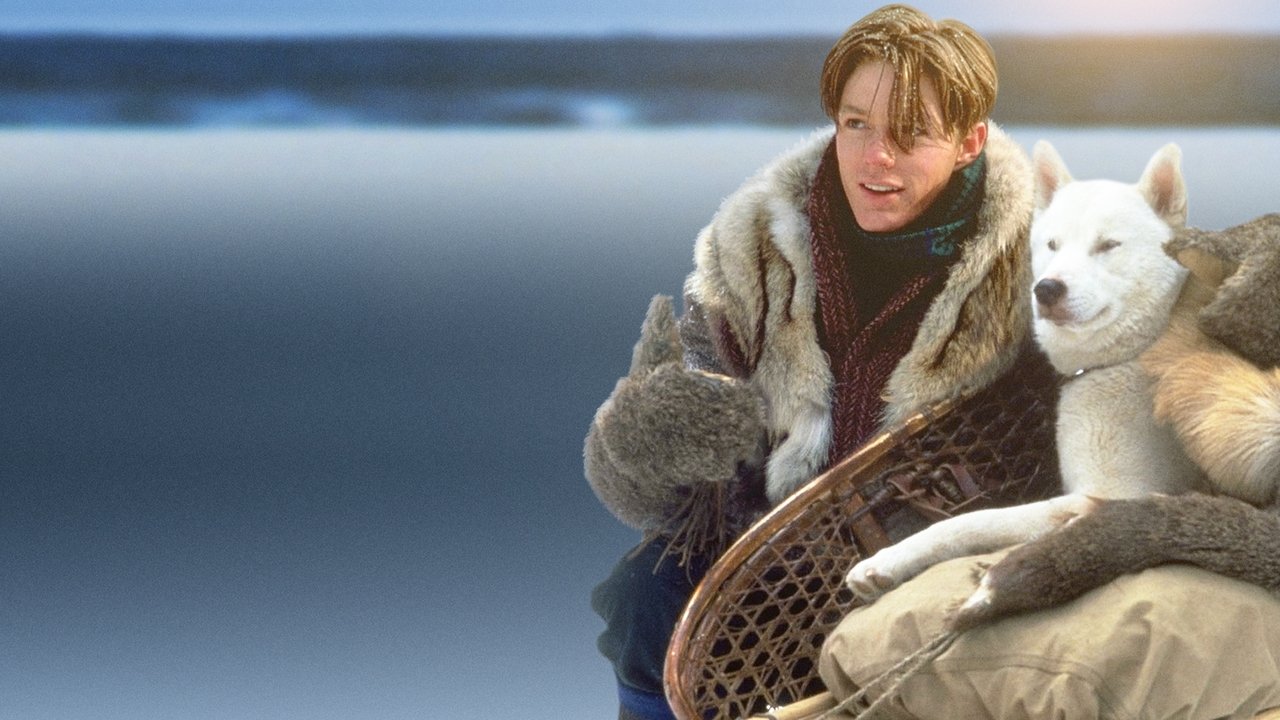
The biting wind whips across a vast, unforgiving landscape of snow and ice. A lone figure, barely more than a boy, stands resolute behind a team of loyal sled dogs, their breath pluming in the frigid air. This stark, powerful image is often the first thing that springs to mind when recalling Iron Will, Disney's 1994 tale of endurance and determination that warmed many a living room via a well-loved VHS tape. It wasn't just a movie; for many young viewers, it felt like stepping into a grand, frost-covered adventure against impossible odds.
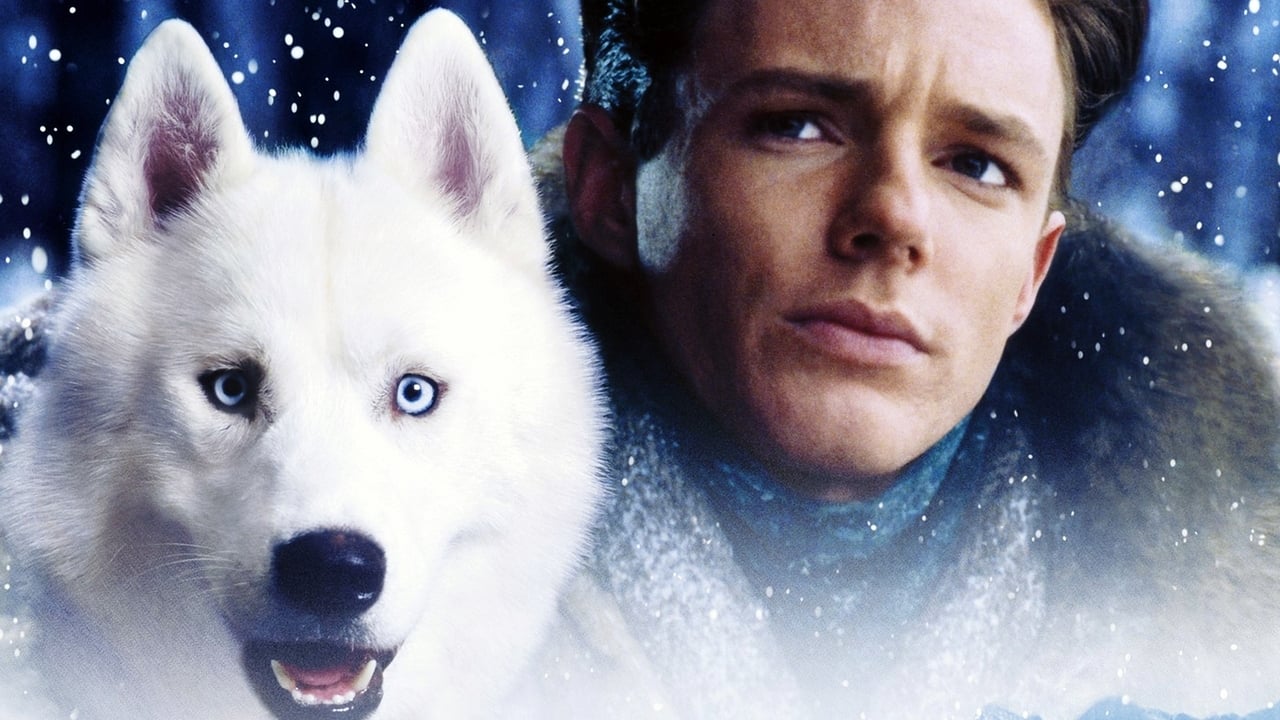
Based loosely (very loosely, truth be told) on the real-life cross-country treks of mushers like Albert Campbell and Fred Hartman, the film spins the tale of Will Stoneman (Mackenzie Astin). After tragedy strikes his family, young Will pins his hopes on winning a grueling 500-mile dogsled race from Winnipeg, Canada, to Saint Paul, Minnesota, chasing a $10,000 prize that could save the family farm. It’s a classic underdog story, the kind Disney often excelled at presenting in the 90s, pitting youthful spirit against nature's fury and human cynicism.
A Race Against More Than Just Miles
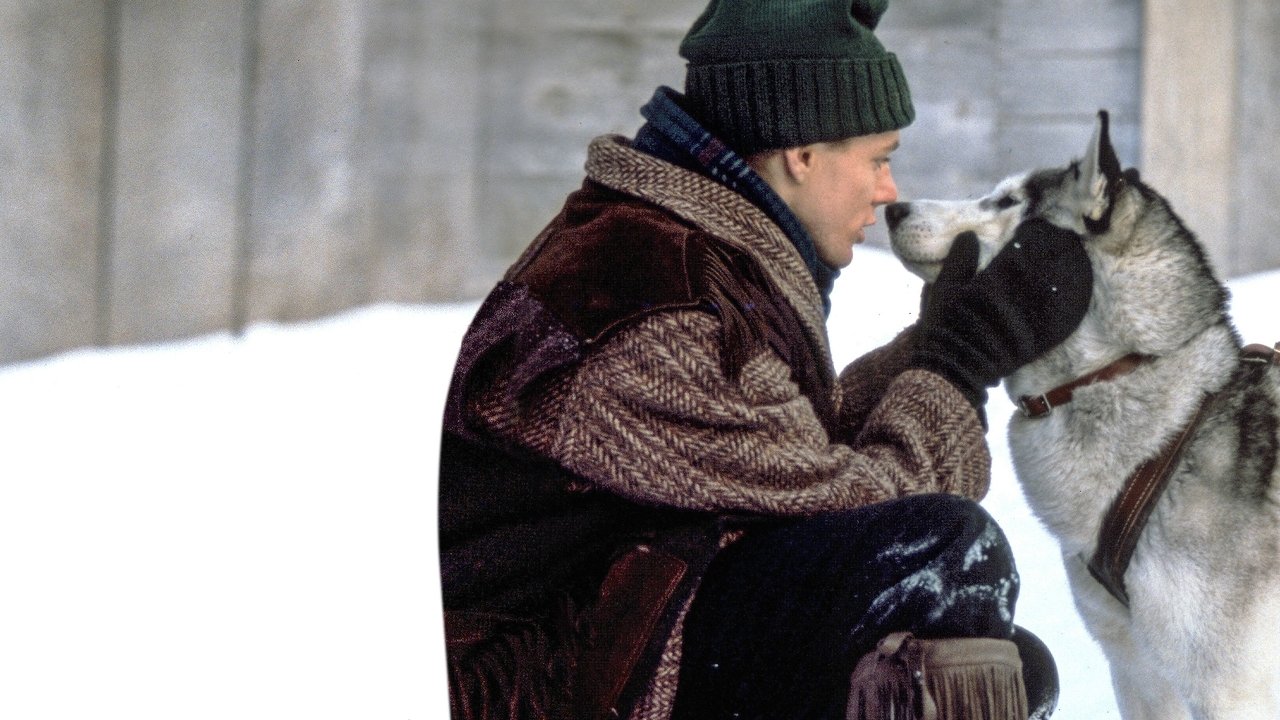
The heart of Iron Will lies, naturally, in the race itself. Director Charles Haid, perhaps better known then for his acting work as Officer Andy Renko on the acclaimed series Hill Street Blues, proved adept at capturing the sheer physicality and danger of the event. You feel the crunch of the sled runners on the snow, the straining muscles of the dogs, and the bone-deep chill Will endures. Filmed across stunning, snow-drenched locations in Minnesota, Montana, and Wisconsin, the cinematography effectively conveys both the beauty and the brutality of the winter wilderness. The race sequences are genuinely thrilling, particularly for the era before CGI took over such spectacles. It's a testament to practical filmmaking, utilizing skilled mushers, well-trained dogs (led by the charismatic lead dog, Gus), and clever camera work often mounted on snowmobiles to keep pace with the action. Remember feeling the tension rise each time Will faced a treacherous shortcut or a moment of exhaustion? That visceral connection was key to the film's appeal.
Faces in the Crowd
While Mackenzie Astin (yes, son of John and brother of Sean) carries the film with earnest likeability, portraying Will's transformation from determined boy to weathered young man, the supporting cast adds welcome texture. Kevin Spacey, just before his career exploded with The Usual Suspects and Se7en the following year, plays Harry Kingsley, a cynical newspaper reporter initially just looking for a sensational story. Kingsley’s gradual warming to Will’s incredible spirit forms one of the film's more engaging character arcs. And who could forget the ever-reliable David Ogden Stiers (forever Charles Emerson Winchester III in MASH* to many, or the voice of Cogsworth) as J.W. Harper, the wealthy race sponsor? He brings his characteristic blend of authority and subtle warmth to the role. The villains, rival racers who resort to dirty tricks, feel a bit like mustache-twirling caricatures, but they serve their purpose in raising the stakes.
Behind the Snowdrift: Retro Fun Facts
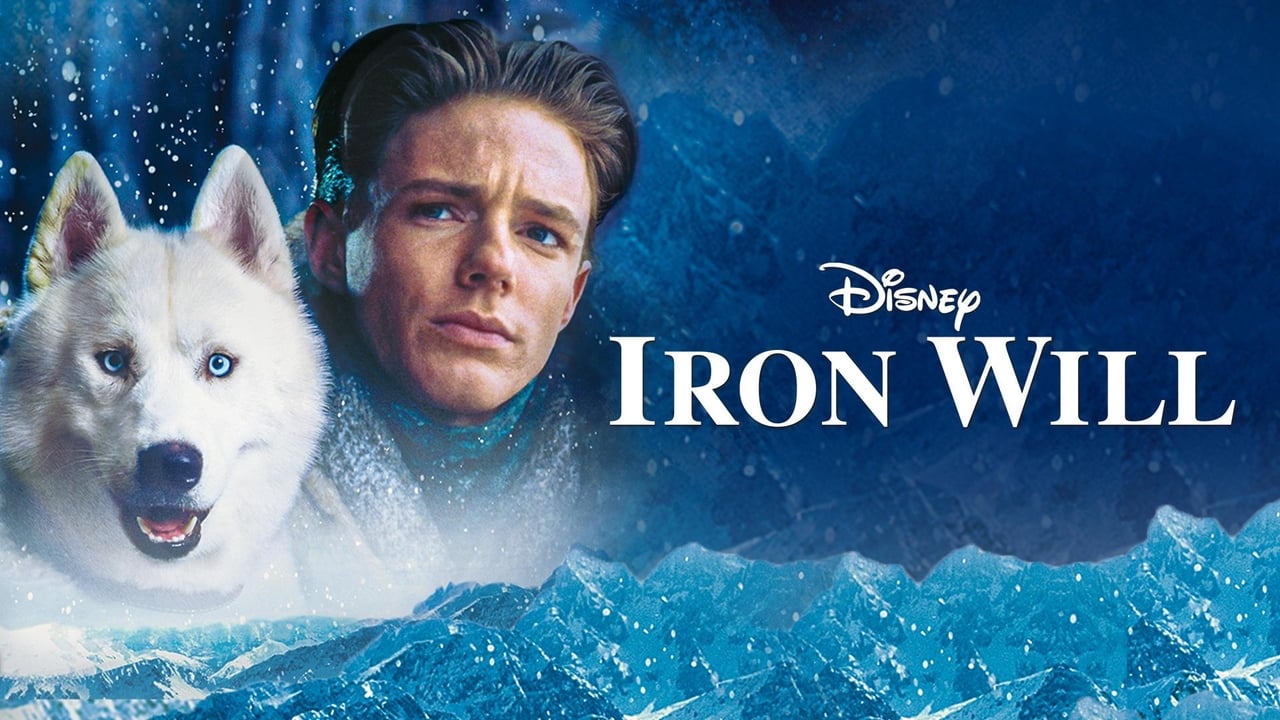
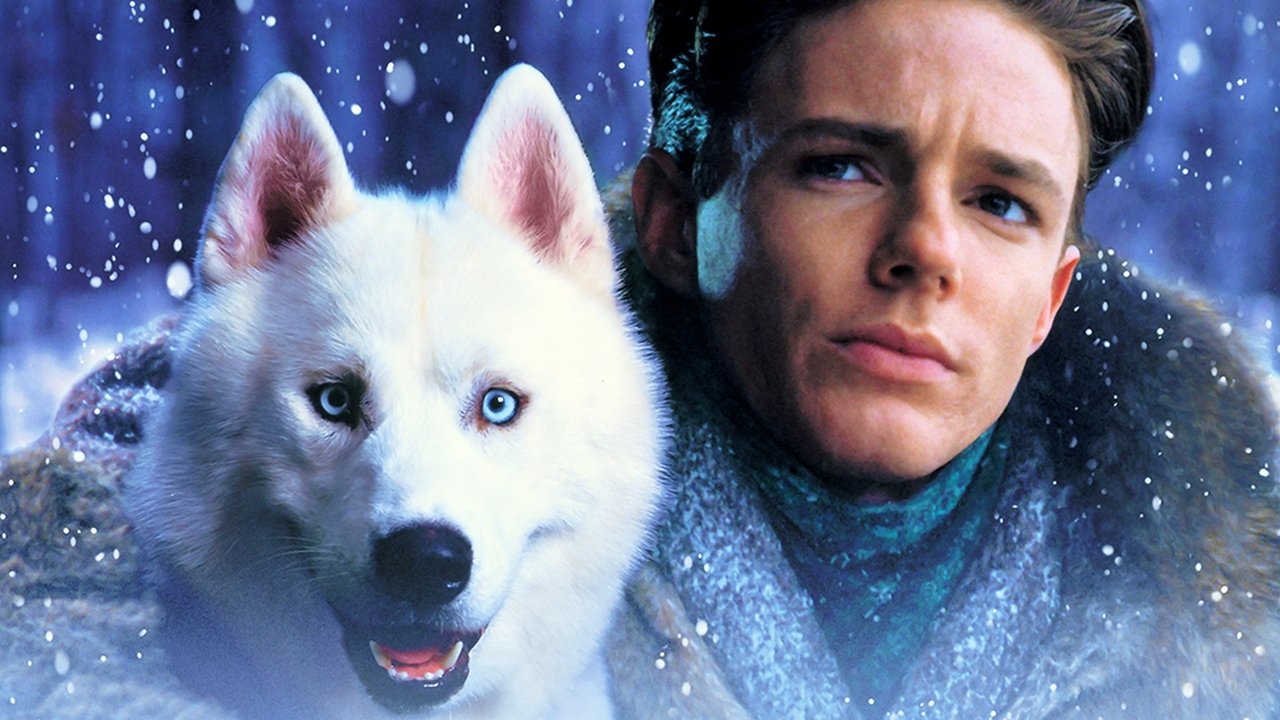
Iron Will represents a specific brand of live-action Disney adventure prominent in the early 90s. While it aimed for inspiration, it wasn't a runaway box office success, grossing around $21 million against a reported $25 million budget. Perhaps its straightforward, earnest tone felt slightly old-fashioned even then, or maybe it just got lost in the shuffle. However, like many films of its kind, it found a strong second life on home video, becoming a rental store staple and a reliable pick for family movie night. The script itself went through several hands, credited to John Michael Hayes (a veteran known for Hitchcock classics like Rear Window!), Djordje Milicevic, and Jeff Arch (who, interestingly, co-wrote the smash hit rom-com Sleepless in Seattle the year before). This mix of talents might hint at the film's blend of classic adventure structure and heartfelt character moments.
One charmingly "90s Disney" element is the score by Joel McNeely, which swells with appropriately inspiring orchestral themes, perfectly cuing the emotional beats – maybe a tad obviously at times, but effectively nonetheless. It hits all the right notes for triumph and peril, exactly as you'd expect.
Enduring Spirit or Dated Trail?
Watching Iron Will today, its charms are still evident. The practical stunt work and the sheer beauty of the natural landscapes hold up remarkably well. The story, while predictable by modern standards, possesses a sincerity that’s hard to dislike. It champions perseverance, courage, and the powerful bond between humans and animals. Sure, the plot follows a fairly well-trodden path, and some characterizations feel thin, but the core adventure remains compelling. It taps into that timeless desire to see the underdog overcome adversity, a theme that resonates regardless of the decade. It's the kind of movie that might make you wistfully remember simpler times, when a tale of pure grit against the elements felt like the grandest spectacle imaginable on your CRT TV screen.
VHS Heaven Rating: 7/10
Iron Will might not be the most complex or groundbreaking adventure film from the 90s, but it delivers exactly what it promises: a thrilling, heartwarming journey with stunning visuals and a core message of unwavering determination. Its earnestness, strong central performance from Mackenzie Astin, and exciting race sequences overcome its narrative predictability. The 7 out of 10 reflects a solid, enjoyable family adventure that captures a specific type of Disney magic, even if it didn't quite set the box office ablaze. It earns its place on the shelf as a fond memory of 90s cinematic resilience.
It’s a reminder that sometimes, the greatest adventures aren't about complex plots, but about the simple, powerful drive to push forward, no matter how cold the wind blows.