Here we go, another spin in the VCR time machine at "VHS Heaven". Tonight, we're settling in with a film that might not have been a blockbuster rental dominating the 'New Releases' wall, but instead represents the kind of gem you might discover tucked away in the 'Foreign Films' section, its cover art promising a slice of life distinct from Hollywood fare. I'm talking about the 1995 Italian comedy-drama "Camerieri" (Waiters). There's a certain quiet dignity and simmering tension in this film that lingers, much like the aroma of strong espresso after a bustling dinner service.
Behind the Swinging Doors
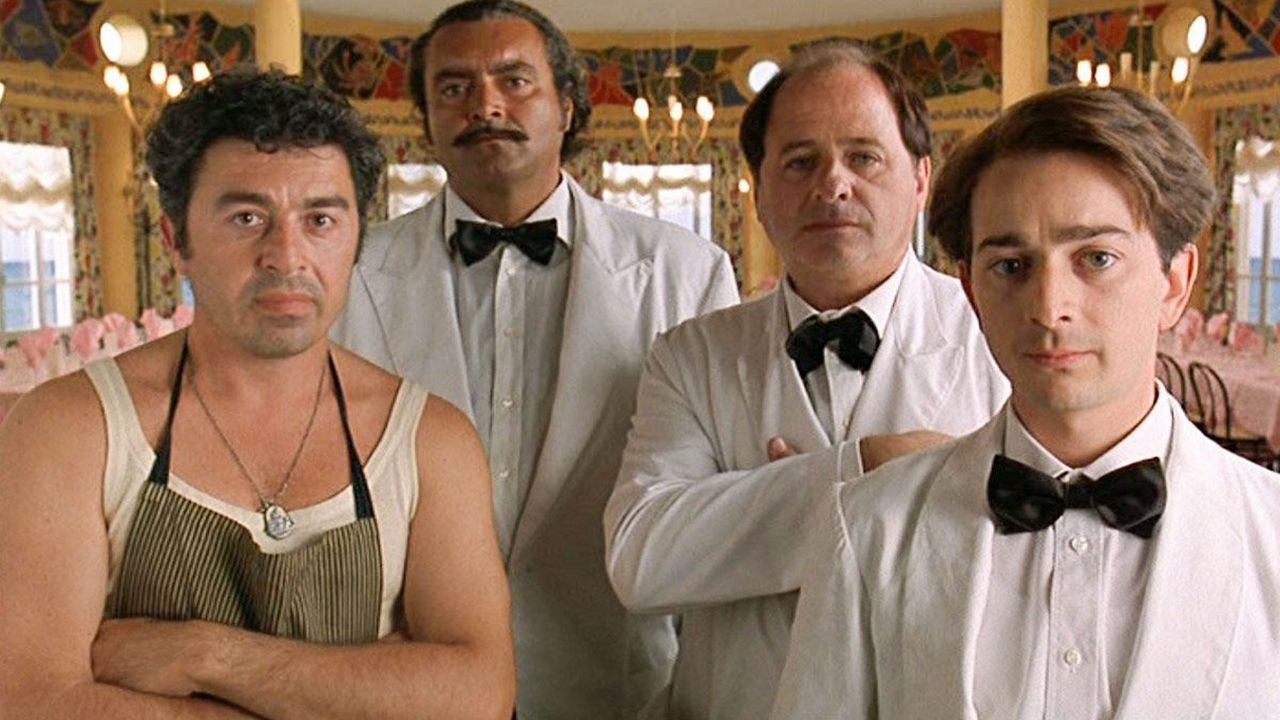
Directed by Leone Pompucci, who had recently impressed Italian critics winning Best New Director at the David di Donatello awards for Mille bolle blu (1993), "Camerieri" transports us to the 'Eden', a once-glamorous restaurant perched on the Tuscan coast. We spend a single, pressure-cooker day with its staff, primarily the waiters, as they navigate demanding customers, simmering personal dramas, and the looming threat of the restaurant's sale, which could render them all jobless. The setting itself, filmed beautifully at the historic Villa Parisi in Castiglioncello, becomes a character – elegant yet fraying at the edges, much like the hopes and dreams of the men who serve within its walls.
Masters of Service, Masters of Suffering
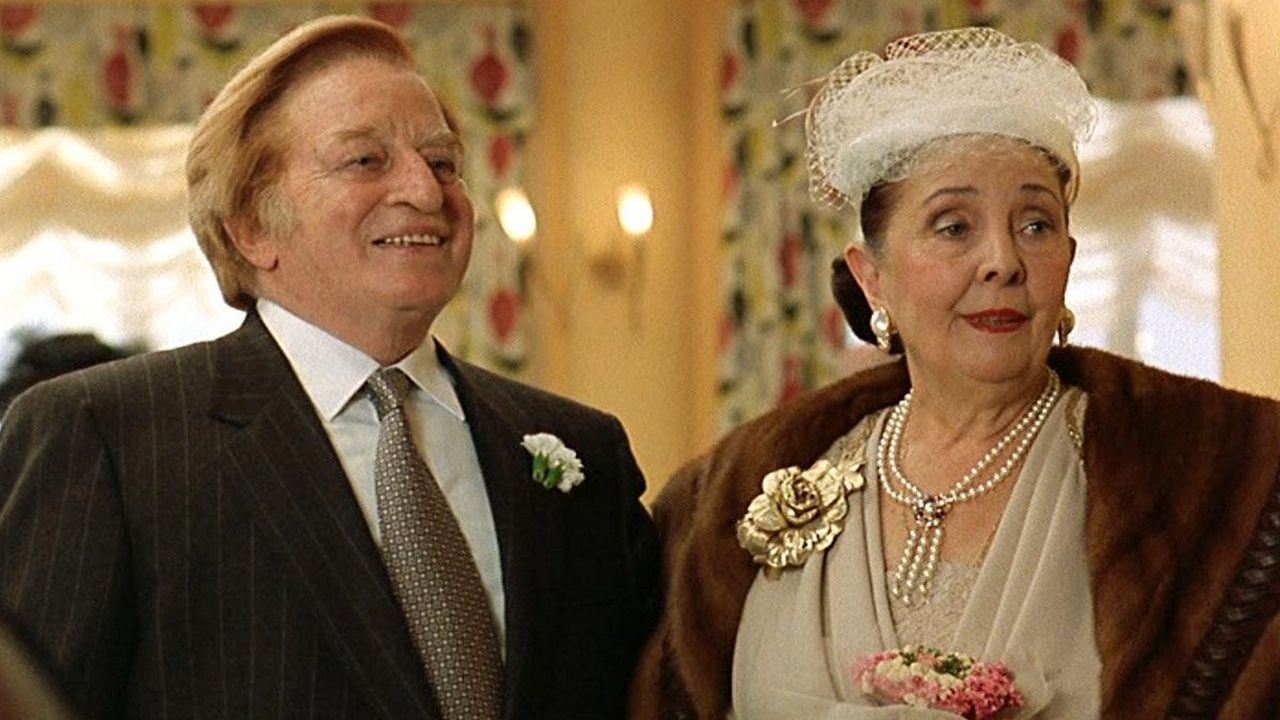
The film hinges on its ensemble cast, led by two titans of Italian comedy, albeit representing different ends of the spectrum. Paolo Villaggio, forever etched in Italian pop culture as the hilariously downtrodden accountant Fantozzi, brings a palpable weariness to Loris, the eldest waiter. You see the decades of forced smiles, swallowed pride, and aching feet etched onto his face. It's a performance steeped in pathos, reminding us that beneath Villaggio's iconic comedic mask lay a truly gifted dramatic actor.
Playing counterpoint is the magnetic Diego Abatantuono as Mario, the head waiter. Abatantuono, known for his charismatic swagger and distinctive Milanese accent often employed in more boisterous comedies (think Mediterraneo (1991)), here channels that energy into a portrayal of simmering resentment and fragile authority. Mario tries to maintain order, both in the dining room and in his own chaotic life, but the cracks are showing. The dynamic between Villaggio's resigned melancholy and Abatantuono's barely concealed frustration forms the film's emotional core.
But it’s not just a two-man show. Marco Messeri absolutely shines as Agostino, a waiter whose quiet desperation and awkward attempts at connection provide some of the film's most poignant, and sometimes uncomfortably funny, moments. It’s a beautifully nuanced performance, recognised at the time with a prestigious Nastro d'Argento (Silver Ribbon) award for Best Supporting Actor. The entire ensemble feels authentic – their banter, their rivalries, their shared anxieties create a believable microcosm of a workplace under immense stress.
More Than Just Taking Orders
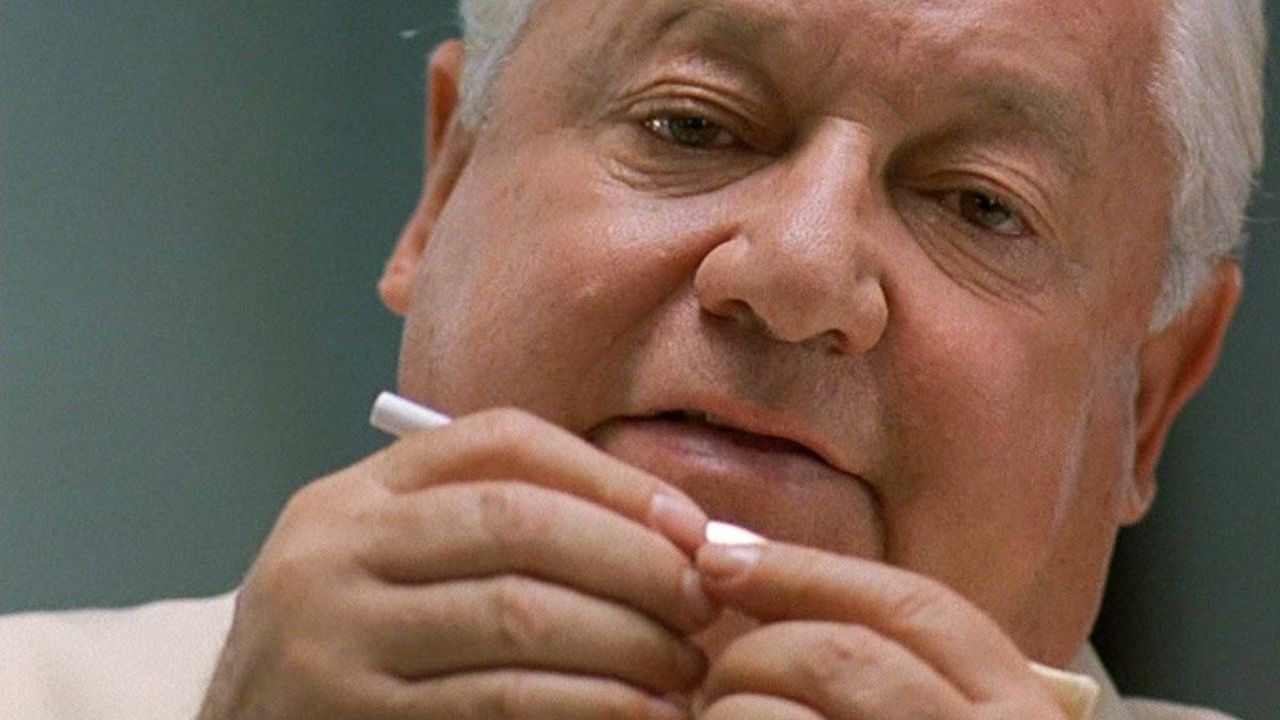
What elevates "Camerieri" beyond a simple workplace comedy is its sharp screenplay, penned by Filippo Pichi and Pompucci himself (which also snagged a Nastro d'Argento). The film uses the restaurant setting to explore broader themes: the erosion of worker dignity, the anxieties of aging in a precarious economy, the stark class divides subtly reinforced with every demanding customer, and the bittersweet camaraderie forged in shared struggle. It captures that specific feeling of being trapped in a service role, where personal identity is often subsumed by professional subservience. Does the smile ever reach the eyes when your livelihood depends on appeasing the often unreasonable? It’s a question the film implicitly asks throughout.
The comedy here isn't slapstick; it arises from the absurdity of the situations, the clash of personalities, and the often-bleak irony of the waiters' lives compared to the wealthy patrons they serve. It’s a distinctly European sensibility, blending humour with a melancholic understanding of human frailty. I remember finding films like this on VHS felt like a small act of discovery – a window into a different pace of life and style of storytelling, far removed from the high-octane gloss of many American releases of the era.
A Quietly Resonant Slice of Life
"Camerieri" isn't a film driven by explosive plot twists or grand pronouncements. Its power lies in observation, in the accumulation of small moments: a stolen cigarette break, a shared glance of exasperation, a forced pleasantry masking deep resentment. Pompucci directs with a steady hand, allowing the performances and the inherent drama of the situation to breathe. There are no easy answers or neat resolutions offered here, reflecting the often messy reality of life itself.
This might not be the tape you'd grab for a raucous movie night, but for those evenings when you crave something more thoughtful, a character study wrapped in gentle comedy and sharp social observation, "Camerieri" delivers. It’s a reminder that sometimes the most compelling stories are found not in extraordinary circumstances, but in the everyday struggles and quiet dignity of ordinary people trying to make it through another shift.
Rating: 7.5 / 10
Justification: The film earns its score through stellar ensemble performances, particularly from Villaggio, Abatantuono, and the award-winning Messeri, who bring genuine humanity to their roles. The award-winning screenplay offers a sharp, poignant, and often funny look at workplace dynamics and social commentary, while Pompucci’s direction creates a convincing, lived-in atmosphere. It avoids easy sentimentality, offering a mature and observant slice of life. While perhaps lacking the broad appeal or memorable set pieces of some other 90s comedies, its quiet power and thematic depth make it a rewarding watch, especially for those who appreciate character-driven European cinema.
Final Thought: "Camerieri" is a bittersweet ode to the unseen struggles behind the service smile, a film that lingers like the memory of a particularly complex, yet satisfying, meal. It reminds us to look beyond the uniform, doesn't it?