It starts not with a bang, but with a bureaucratic blunder. A misplaced assignment sends Professor Marco Tullio Sperelli, a man of meticulous Northern Italian sensibilities, not to the refined environment he anticipates, but spiraling down into the vibrant, impoverished chaos of Corzano, a fictional stand-in for the gritty outskirts of Naples. This geographical mix-up is the deceptively simple premise of Lina Wertmüller's 1992 film Io speriamo che me la cavo, released to English-speaking audiences as Ciao, Professore!. Watching it again now, decades after perhaps first encountering its unassuming VHS box at the local rental place, the film resonates with a quiet power that transcends its fish-out-of-water setup.
From North to South, Order to Chaos
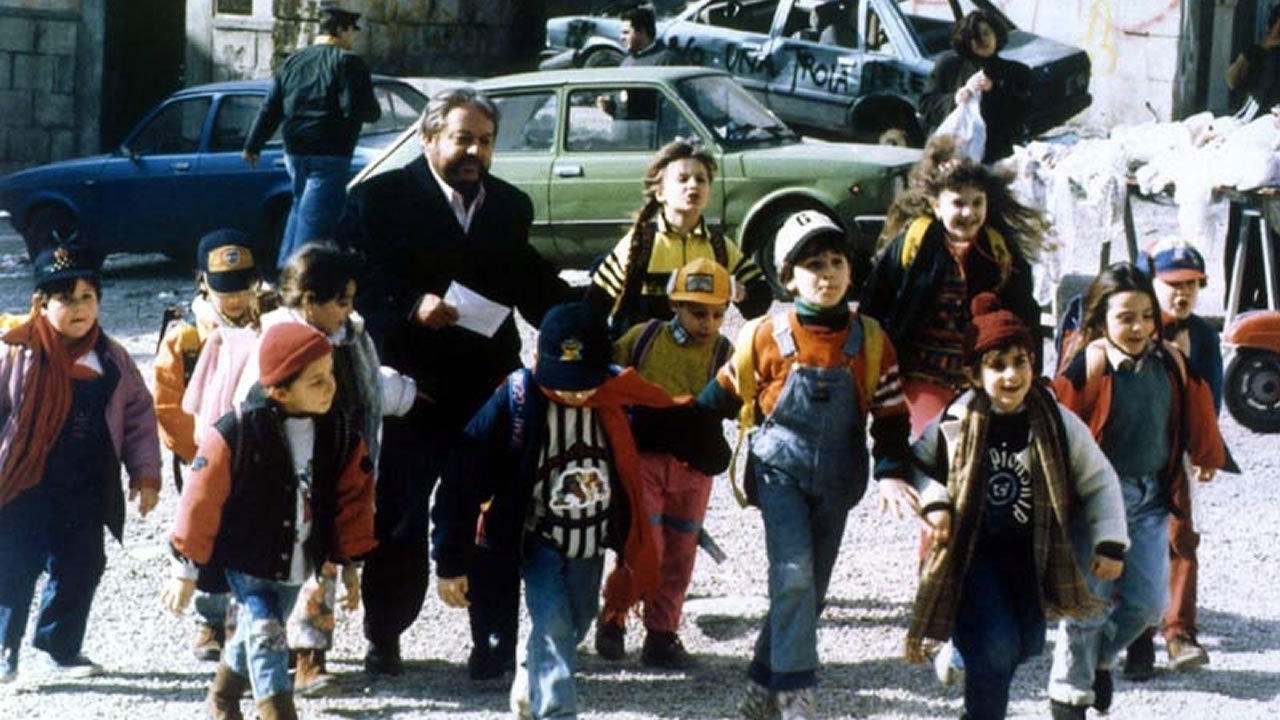
The initial culture shock is played with a gentle humour, but it's underpinned by something far more profound. Sperelli, portrayed with surprising depth by the legendary Italian comedian Paolo Villaggio, arrives expecting order and finds… life. Raw, unfiltered, often heartbreaking life. The school is dilapidated, the children are street-smart, frequently absent due to work or family issues, and their grasp of standard Italian is tenuous at best, often slipping into thick Neapolitan dialect. Wertmüller, never one to shy away from Italy's sharp social contrasts (remember, she was the first woman ever nominated for a Best Director Oscar for Seven Beauties back in 1975), uses Sperelli’s initial bewilderment to paint a vivid picture of the systemic neglect and entrenched poverty plaguing parts of Southern Italy. His prim suits and precise grammar are hilariously, poignantly out of place amidst the boisterous energy of Corzano.
The Heart of the Matter: Real Voices
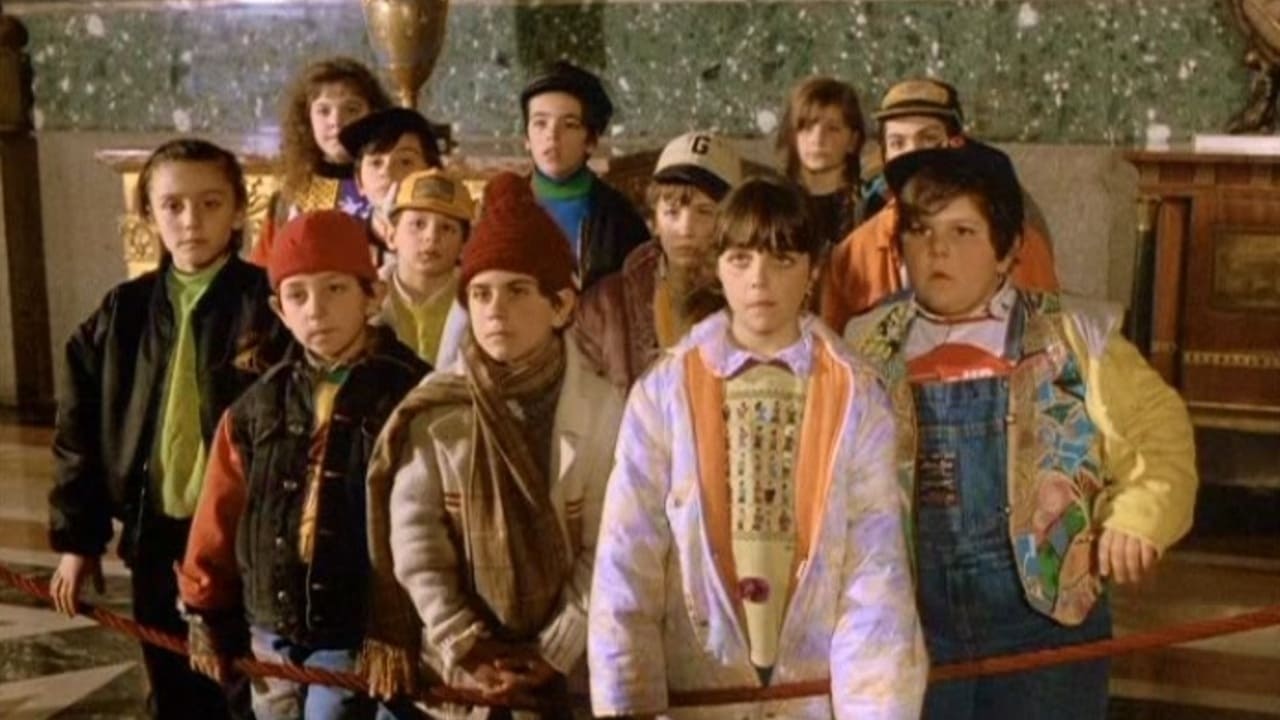
What elevates Ciao, Professore! beyond a standard inspirational teacher narrative is its source material. The film is based on the 1990 book Io speriamo che me la cavo ("Me, Let's Hope I Make It"), a collection of poignant, often unintentionally funny, and grammatically creative essays written by actual primary school children from Arzano, Naples, compiled by their teacher Marcello D'Orta. This foundation of authenticity anchors the film. The children in Wertmüller’s depiction aren't just plot devices; they feel like real kids grappling with situations far beyond their years – worrying about incarcerated parents, contributing to family income through illicit means, dreaming of escape. Their malapropisms and unique perspectives, lifted directly or inspired by the book, provide moments of levity but also underscore the difficult realities they navigate. There's a scene where Sperelli asks a child what hope is, and the answer involves winning the lottery – it’s funny, yes, but also deeply revealing about the perceived limitations of their world.
Villaggio's Unexpected Gravitas
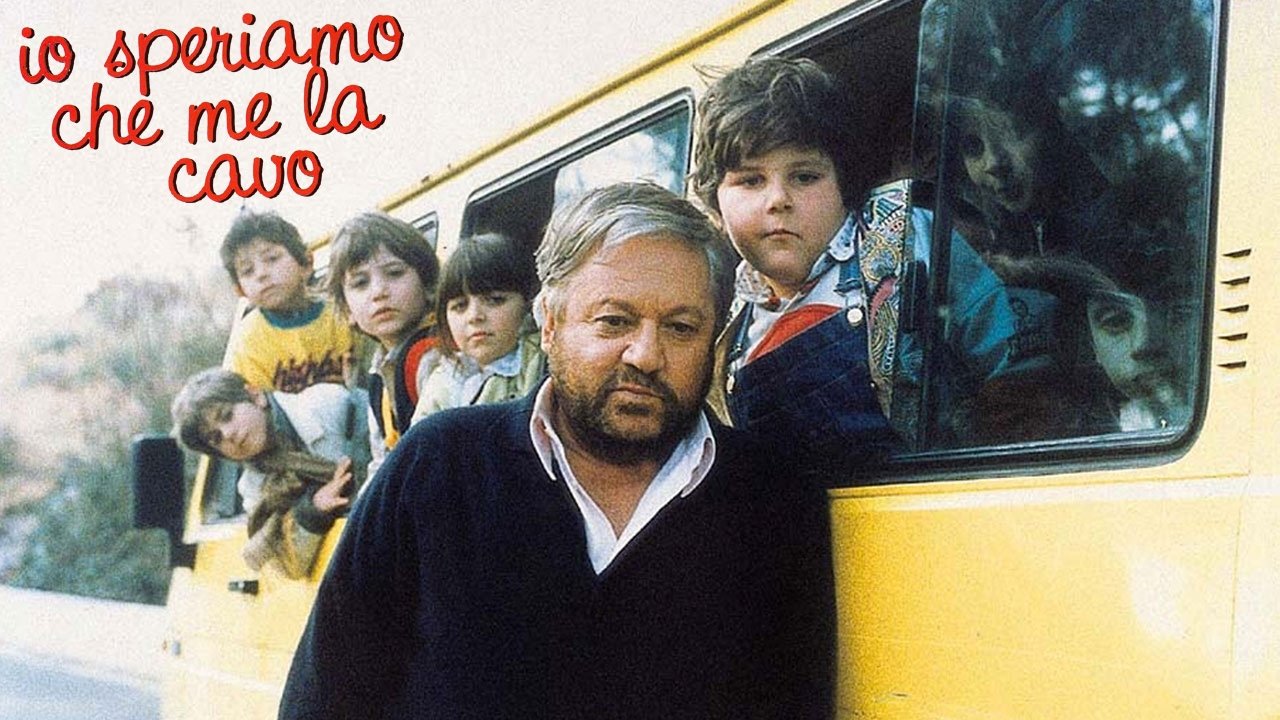
For Italian audiences, seeing Paolo Villaggio in this role was likely a significant departure. He was, and remains, inextricably linked to his creation Ugo Fantozzi, a comically inept and perpetually unfortunate everyman who starred in a massively popular series of slapstick films. Fantozzi was broad, almost cartoonish. Sperelli, however, requires nuance. Villaggio delivers beautifully, capturing the teacher's initial rigidity, his mounting frustration, his moments of despair, but crucially, his slow, dawning empathy. We see the transformation not through grand pronouncements, but through subtle shifts in his expression, his posture, his willingness to bend his own rules and truly see the children in front of him. His performance is the film's sturdy, humane core. Supporting turns, like that of Isa Danieli as the beleaguered but pragmatic Principal, add further texture to this world.
Wertmüller's Eye
Visually, Wertmüller captures the energy and the hardship of Corzano without romanticizing or exoticizing it. The colours are often bright, reflecting the vibrancy of the South, but the settings – the crumbling school, the crowded streets – speak for themselves. She uses close-ups effectively, forcing us to confront the emotions flickering across the faces of both Sperelli and his young charges. While perhaps lacking the biting satirical edge of some of her earlier work, Ciao, Professore! showcases her enduring skill at blending social commentary with deeply human stories. It’s a film that asks quiet but persistent questions: What constitutes an education? How do we bridge cultural divides? And what responsibility do we have to those society seems determined to forget? Doesn't the struggle for basic dignity and opportunity in places like Corzano echo challenges still faced in underserved communities worldwide?
A Rewarding Rediscovery
Perhaps Ciao, Professore! wasn't the flashiest tape on the rental shelf back in the day. It lacks the high-octane thrills or laugh-a-minute gags of many 90s staples. I recall picking it up almost randomly, drawn perhaps by the intriguing title or the promise of a foreign film experience. What I found, and what holds true today, is a film with immense heart. It’s a story about the unexpected connections that can bloom in the unlikeliest of circumstances, a testament to resilience, and a showcase for a beloved comedic actor stretching into poignant dramatic territory. It avoids easy answers and saccharine resolutions, leaving you with a lingering sense of warmth mixed with melancholy.
Rating: 8/10
This score reflects the film's powerful emotional core, Villaggio's superb performance, its authentic grounding in the children's real experiences via D'Orta's book, and Wertmüller's sensitive direction. It successfully blends humour and drama to deliver meaningful social commentary without feeling preachy. It might feel a touch sentimental at moments, but its fundamental sincerity shines through.
Ciao, Professore! is more than just a teacher film; it's a small, affecting window into a specific time and place, yet its themes of empathy and understanding remain timeless. It's one of those quieter VHS gems that rewards rediscovery, leaving you thinking long after the final, hopeful-yet-uncertain frames fade to black.