### A Happy Accident Called Brooklyn
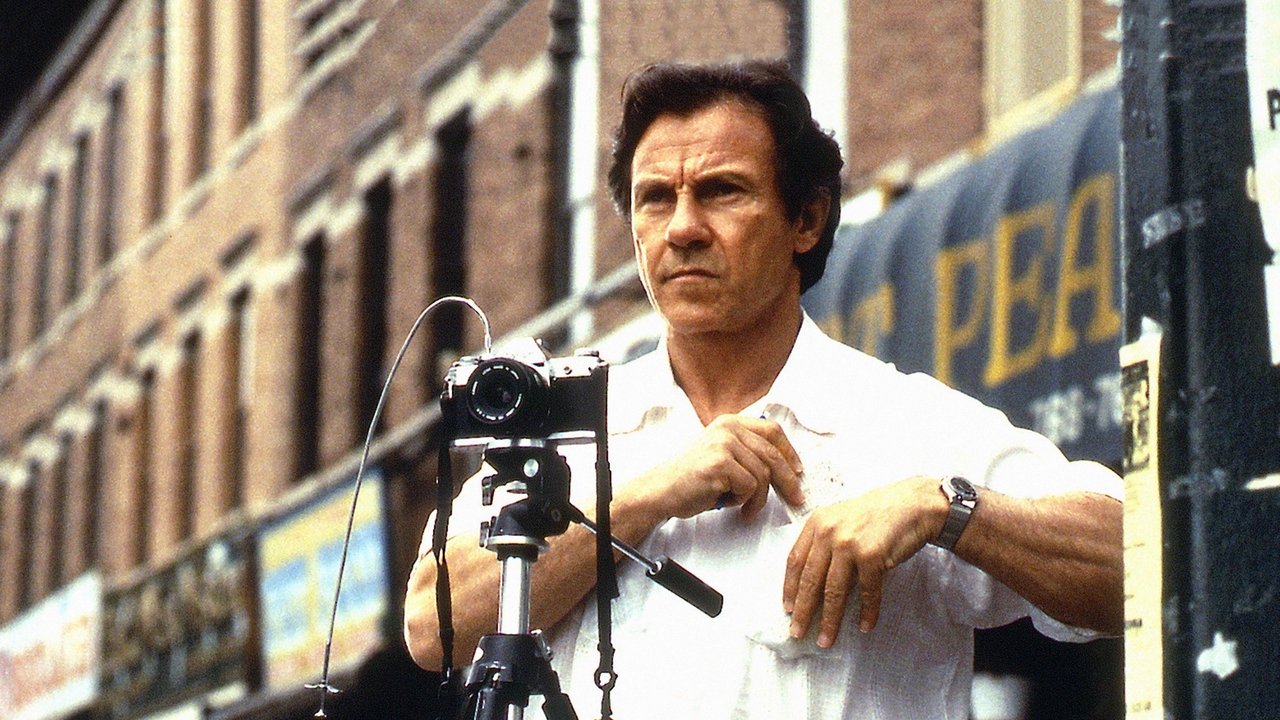
Some films arrive fully formed, meticulously planned from script to screen. Others… well, others feel like they just happened. Blue in the Face (1995) falls squarely into that latter category, a glorious, chaotic, and utterly charming cinematic accident born from the smoke rings of another film entirely. I remember pulling this tape off the shelf at the local video store, probably expecting a straightforward follow-up to Wayne Wang and Paul Auster’s more structured indie hit, Smoke, released the same year. What I got instead was something looser, stranger, and perhaps even more reflective of the unpredictable energy of the city it celebrated. It wasn't a sequel; it felt more like an impromptu encore, filmed in a whirlwind few days using leftover film stock and fueled by improvisation.
Where Everybody Knows Your Name (If You Smoke Cigars)
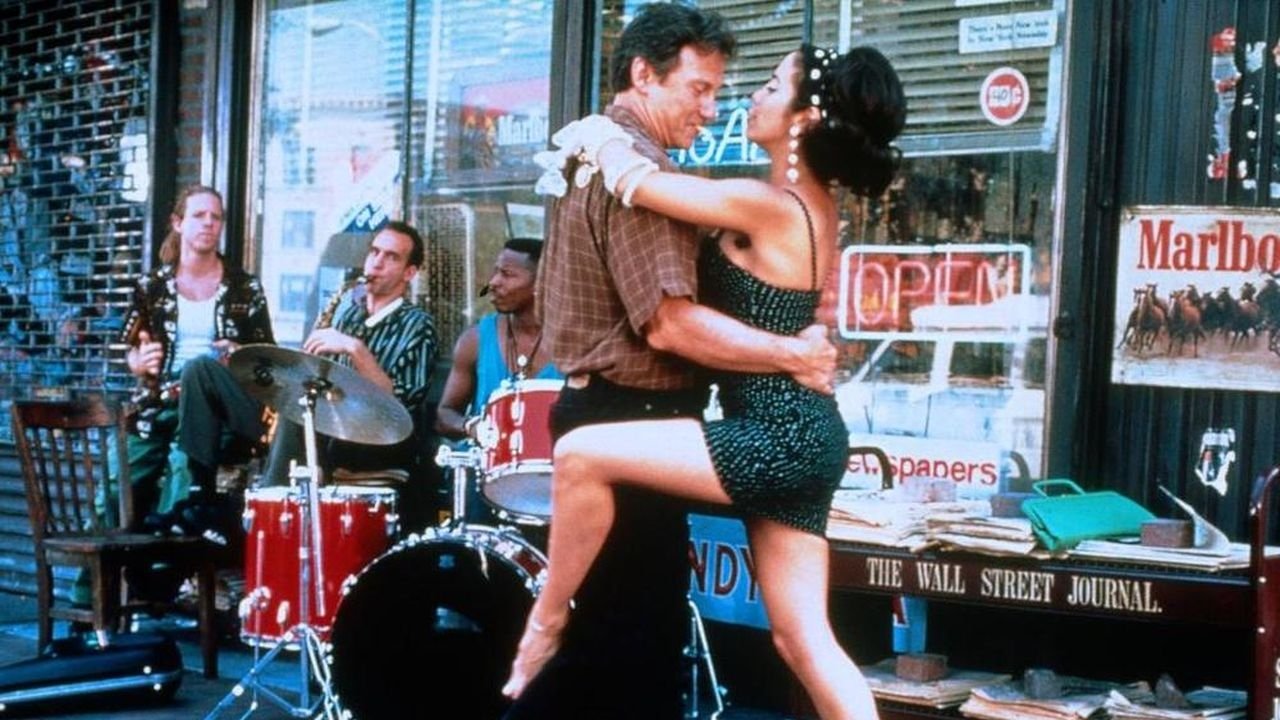
The film barely has a plot in the traditional sense. It orbits, often hilariously, around the Brooklyn Cigar Co. managed by the thoughtful Auggie Wren, reprised with effortless cool by Harvey Keitel. Auggie’s shop isn't just a place to buy tobacco; it's a crucible of neighbourhood life, a stage where the borough's eccentrics, philosophers, blowhards, and lost souls converge. Wang and Auster essentially pointed their cameras at this fictional hub (and its real-life Park Slope surroundings) and let the conversations flow. The result is a series of vignettes, monologues, arguments, and unexpected encounters that paint a vibrant, messy portrait of a community. It feels less like watching a movie and more like eavesdropping on a particularly interesting day on one specific Brooklyn corner, sometime around the mid-nineties.
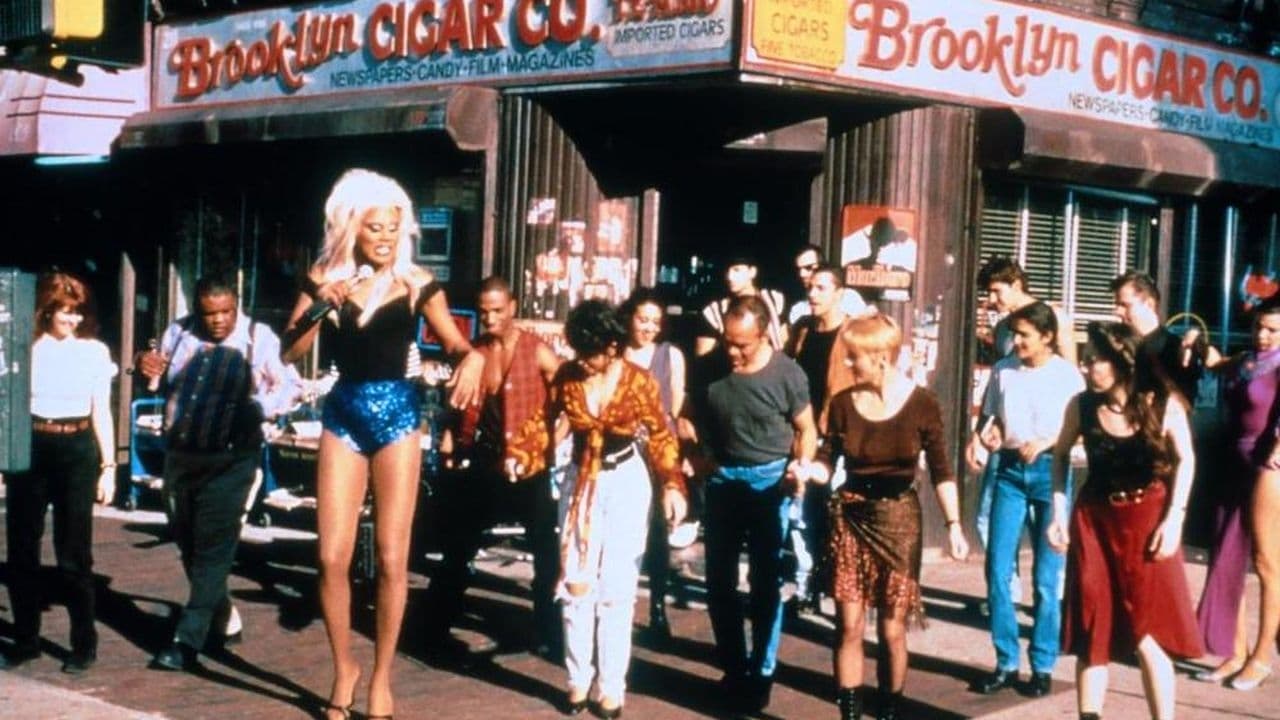
An All-Star Block Party
What truly elevates Blue in the Face beyond a mere curiosity is the astonishing collection of faces that wander in and out of Auggie’s shop. Keitel, reprising his role from Smoke, is the calm center of the storm, his watchful presence grounding the surrounding chaos. But around him orbits a galaxy of talent, clearly relishing the chance to play. Lou Reed, in perhaps his most Lou Reed-ian screen appearance, delivers deadpan monologues about the transcendent horrors of smoking (and just about everything else) that are worth the rental price alone. Michael J. Fox, shedding his usual persona, turns up as a frantic yuppie pollster conducting a nonsensical survey about Brooklynites' satisfaction – his tightly wound energy provides a jolt of pure comedy.
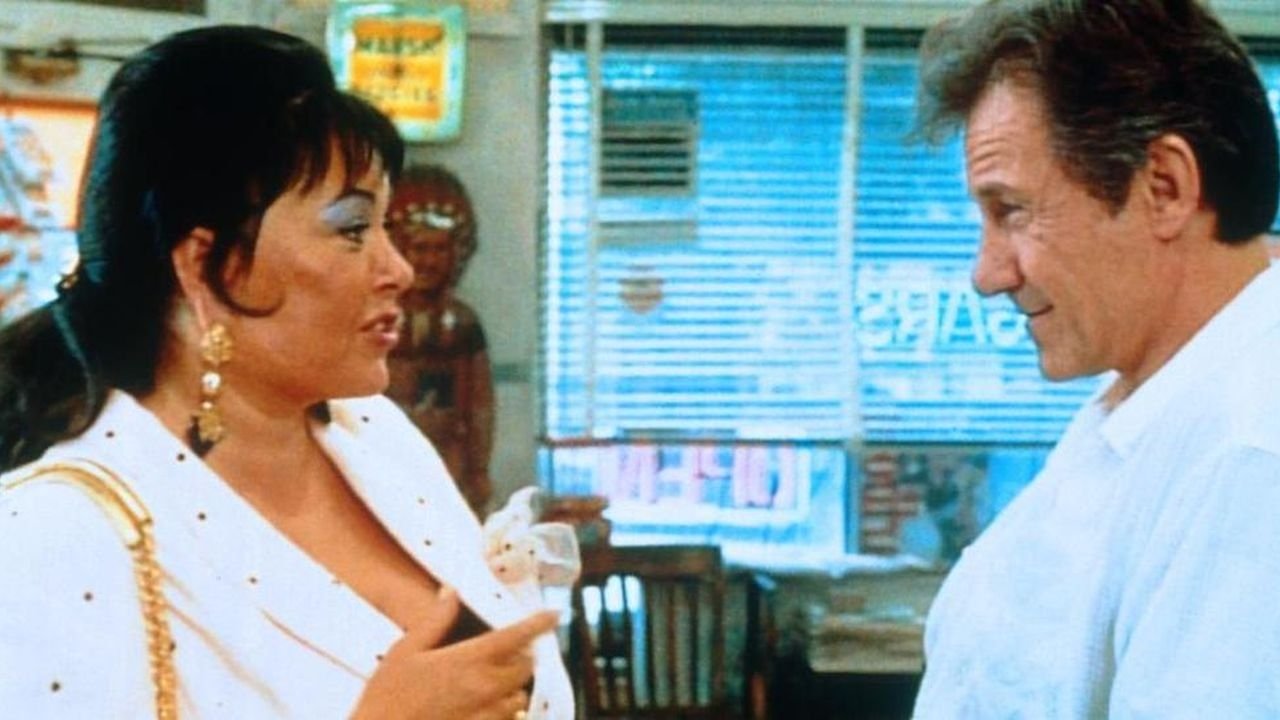
And then there are the cameos, popping up like neighbours dropping by for a chat: Jim Jarmusch (director of Stranger Than Paradise (1984)) waxing poetic about the dangers of quitting smoking, Madonna delivering a singing telegram with sultry absurdity, Mira Sorvino radiating bewildered charm, Roseanne Barr unleashing a torrent of marital advice, and many, many more. It's not just stunt casting; it feels like Wang and Auster invited their friends over for a few days and just happened to film it. There's a palpable sense of fun, a looseness born from the largely improvised dialogue that allows these personalities to shine through, unfiltered. You get the sense that the five-day shooting schedule, reportedly born out of needing to spend unallocated funds from Smoke's production, fostered this exact kind of spontaneous combustion.
Finding Truth in the Haze
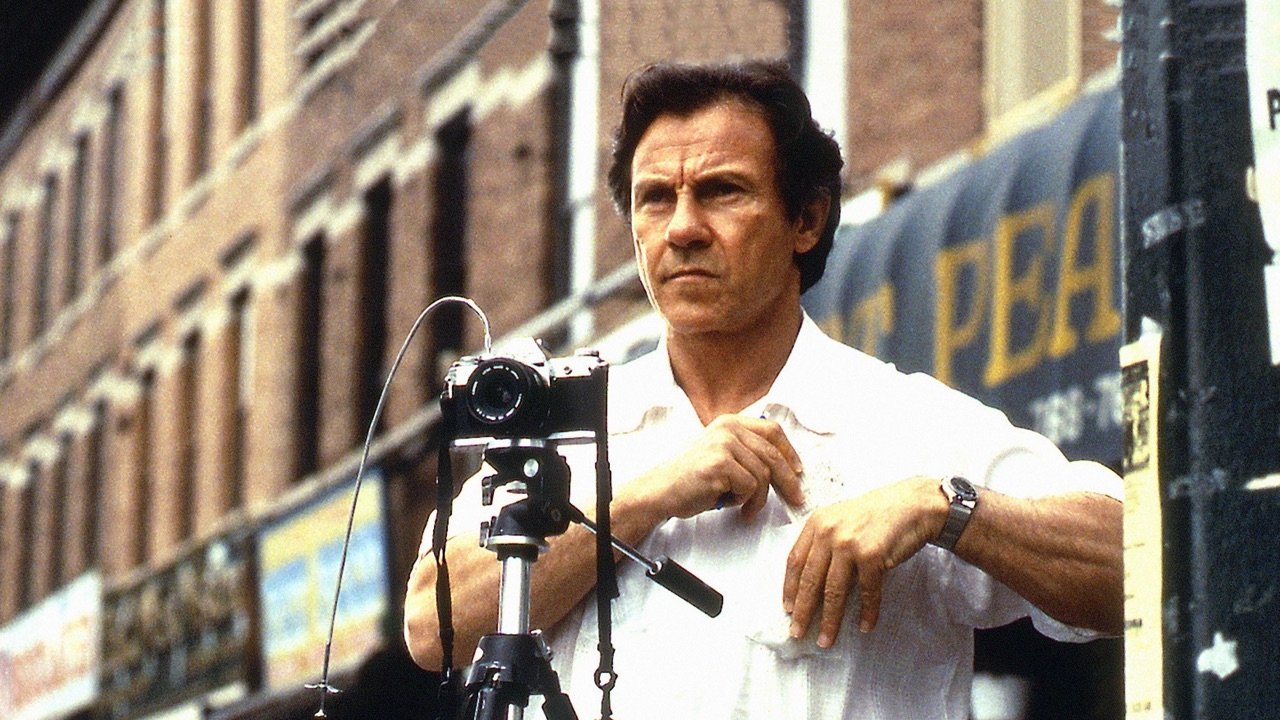
Beneath the humour and the celebrity walk-ons, Blue in the Face touches on something genuine about storytelling and community. Auggie, with his project of photographing the same street corner every day, understands that life is found in the accumulation of small moments, the repeated patterns, and the unexpected interruptions. The film itself mirrors this philosophy. Its fragmented structure, its reliance on anecdotal tangents, reflects how we actually experience life – not as a neat three-act narrative, but as a series of overlapping stories, half-heard jokes, and fleeting connections. Does every bit land? Not quite. Some segments meander, and the overall effect can feel slightly uneven. But isn't that true of any good, long conversation with friends?
The directors captured something specific here – a snapshot of mid-90s Brooklyn before widespread gentrification shifted its character, a moment when indie filmmaking felt particularly vital and experimental. It's a time capsule filled with genuine affection for its subjects and their environment. Seeing it again on a fuzzy VHS transfer (because how else should you really watch it?) feels less like watching a movie and more like revisiting a place you vaguely remember, populated by faces both famous and familiar.
Rating: 8/10
This score reflects the film's infectious energy, its unique improvisational spirit, and the sheer joy of its ensemble cast. It might lack the narrative cohesion of Smoke, but Blue in the Face compensates with a freewheeling charm and a palpable love for its setting and characters. It’s a testament to collaborative creativity and a reminder that sometimes, the best things happen when you don't overthink them.
What lingers most isn't a plot point, but a feeling – the warmth of a shared space, the rhythm of city life, and the simple pleasure of hearing a good story, even if it doesn't seem to be going anywhere in particular. It’s a cinematic hangout, and sometimes, isn't that exactly what you need?