Alright, fellow travellers down the magnetic tape memory lane, let's dim the lights, maybe crack open a Tab or a Zima if you've got one stashed away (we won't judge), and rewind to a particularly unique corner of the 90s video store shelf. Remember those slightly mysterious, often vividly coloured boxes hinting at European sensibilities and perhaps… something a bit more adult? Tucked away, you might have stumbled upon a film with a title that was both baffling and intriguing: P.O. Box Tinto Brass (or Fermo posta Tinto Brass), released in 1995.
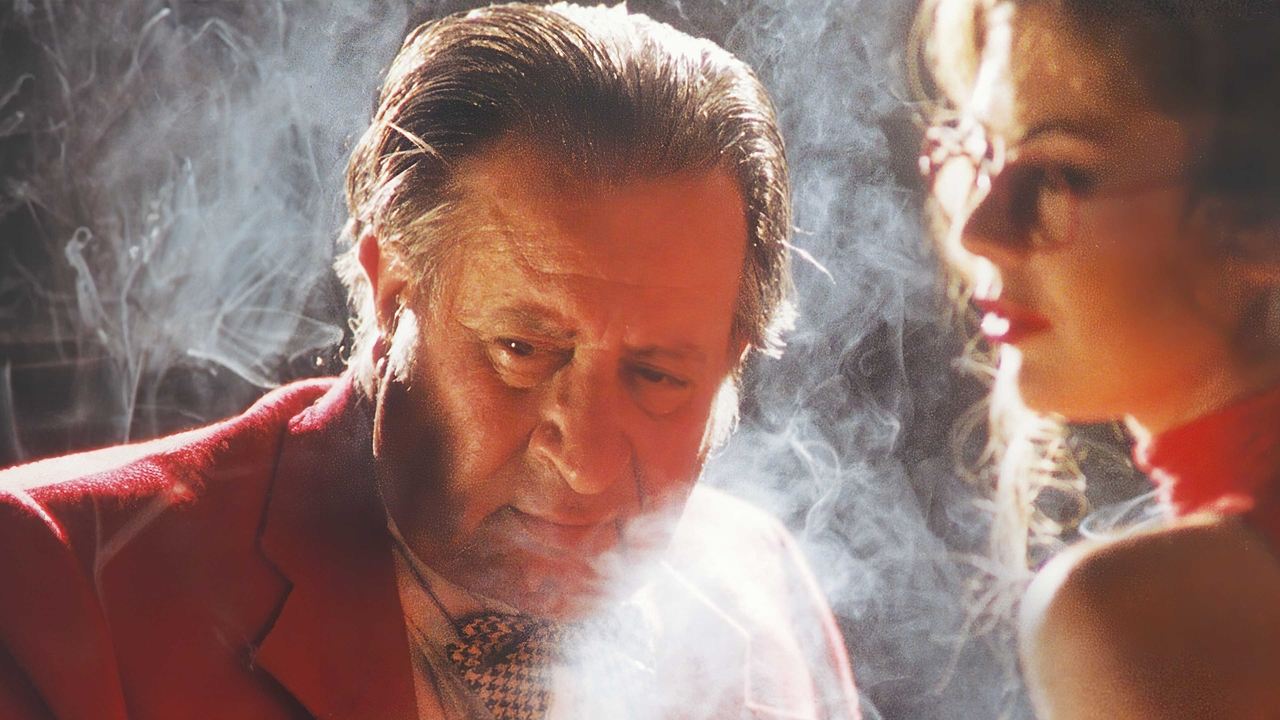
This wasn't your standard Hollywood fare, not by a long shot. This was pure, unfiltered Tinto Brass, the Italian maestro of cinematic sensuality, doing something only he could probably get away with: making a whole movie based on the real-life fan mail he received. Yes, you read that right. Imagine a director so renowned in his niche that people sent him their deepest, wildest fantasies, and he thought, "Hey, there's a movie in this!"
Letters from the Edge (of the Envelope)
The setup is delightfully simple and utterly Brass. The man himself, Tinto Brass – looking every bit the mischievous uncle you maybe shouldn't leave the kids with – sits in his opulent, vaguely artistic office, surrounded by stacks of letters. He reads selections from his P.O. Box, each letter sparking a vignette that brings a fan's fantasy to life on screen. It’s an anthology film, but instead of horror tales or sci-fi snippets, we get explorations of desire, exhibitionism, and voyeurism, all filtered through Brass's unmistakable lens.
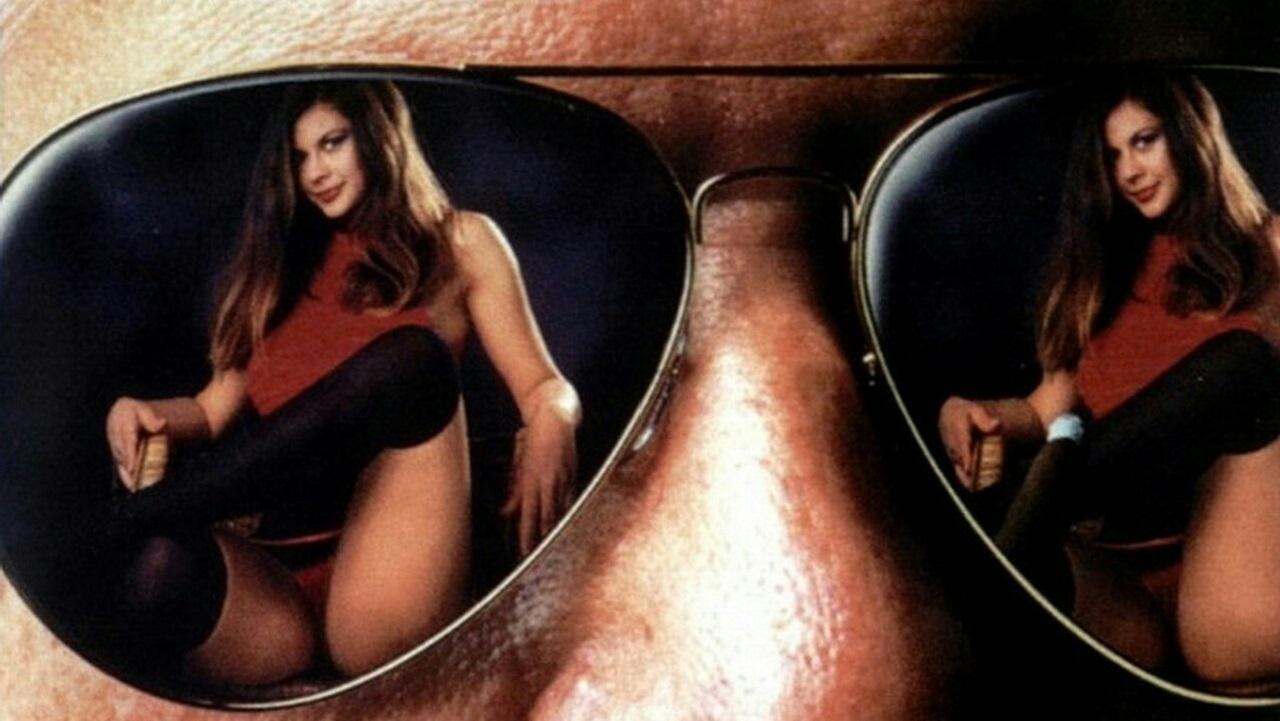
It's crucial to understand that Tinto Brass wasn't just making "adult films" in the way many might think. He carved out a very specific cinematic territory. His films, especially from this era – think Paprika (1991) or The Voyeur (1994) – were often characterized by a playful, almost sunny approach to eroticism, vibrant colours, a focus on female pleasure (often from a distinctly male gaze, it must be said), and his trademark close-ups, particularly of… well, let's just say he appreciated the female form from all angles. This film is no different. It lacks a traditional plot, instead offering a series of colourful, often cheeky scenarios.
Brass Tacks: Style and Substance (Such As It Is)
Watching P.O. Box Tinto Brass today, especially if you sourced a slightly fuzzy VHS dub back in the day, is an exercise in appreciating a bygone era of filmmaking. There's no CGI smoothing things over here. The lighting is bright, almost garish sometimes, typical of Brass's style. The scenarios range from the slightly absurd (a woman fantasizing about being watched while changing a tyre) to the more elaborate, involving multiple partners or public encounters. Leading the vignettes are actresses familiar to fans of the genre, like the effervescent Cinzia Roccaforte and Cristina Rinaldi, who embrace the playful, exhibitionist spirit required.
Brass himself acts as the connective tissue, his narration and on-screen presence lending a personal, almost confessional touch. It's a fascinatingly meta concept – the director literally becoming the conduit for his audience's desires. A key "Retro Fun Fact" here is just how central this concept was: Brass genuinely received thousands of letters, and the film became a way to directly engage with that dedicated fanbase, turning their private thoughts into public spectacle. It speaks volumes about the cult following he commanded, allowing him to often finance his films independently, preserving his unique, often censor-baiting, vision. Was this approach narcissistic? Perhaps. Was it uniquely cinematic? Absolutely.
The "action," such as it is, isn't about explosions or car chases, but about the choreography of bodies and the transgression of social norms, presented with a wink rather than a scowl. It feels distinctly European, unburdened by American puritanism, for better or worse. It’s the kind of film that likely caused a few raised eyebrows at the local Blockbuster, assuming it even made it past the buyers. I distinctly remember seeing Brass's film covers in the "foreign" or "arthouse" section (often a euphemism!) of more adventurous rental stores, instantly recognizable by their bold visuals.
The Verdict in the Mailbag
So, is P.O. Box Tinto Brass a lost masterpiece? Let's be realistic. It's a niche film for a niche audience, even back in 1995. It’s repetitive by nature, and its appeal hinges entirely on whether you connect with Brass's specific brand of cinematic voyeurism. The production values are adequate for what it is, but it’s not trying to be high art cinema. It’s trying to be Tinto Brass cinema, and in that, it succeeds entirely.
It wasn't a mainstream hit, naturally, but within the world of European erotic filmmaking and the Brass fanbase, it was another successful entry, further cementing his reputation. Critics were likely dismissive, but audiences seeking his particular style knew what they were getting.
***
VHS Heaven Rating: 6/10
Justification: The rating reflects the film's success within its specific, limited goals and its unique status as a direct artifact of director-fan interaction. It fully delivers the expected Tinto Brass experience – playful eroticism, vibrant visuals, his signature preoccupations. It loses points for its inherent repetitiveness and extremely niche appeal, which prevents it from being essential viewing for those not already attuned to Brass's frequency. However, as a time capsule of a certain type of European filmmaking and a fascinatingly meta concept, it holds undeniable curiosity value.
Final Thought: P.O. Box Tinto Brass is like finding a postcard from a strange, sunny, and slightly scandalous holiday someone else took – intriguing, definitely of its time, and a potent reminder that cinema on VHS offered far more peculiar detours than just the main blockbusters. Handle with care, and perhaps a knowing grin.