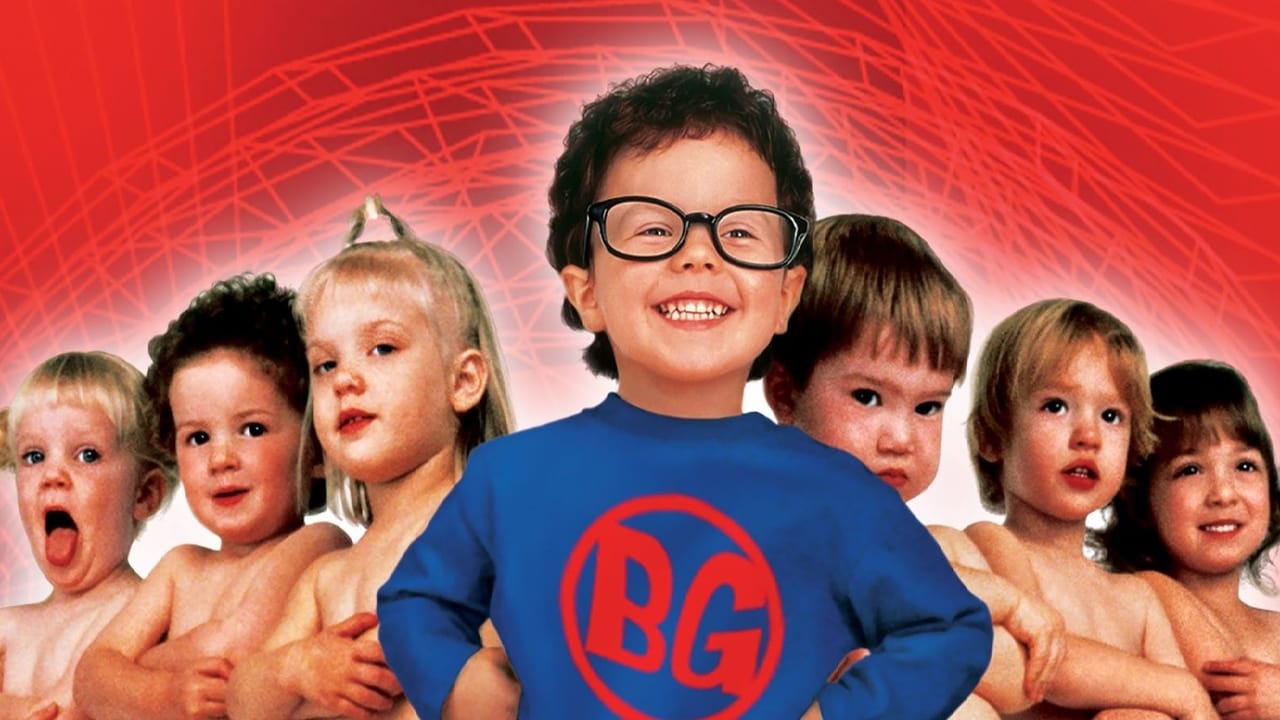
Prepare yourself, fellow tape travelers, because we’re diving deep into the uncanny valley section of the late-90s video store shelf. Remember that weird, slightly unnerving glow emanating from a certain VHS box, promising talking babies with adult intellects? Yes, we're dusting off the baffling, bewildering, yet somehow unforgettable 1999 oddity, Baby Geniuses. This wasn't your typical blockbuster rental; finding this tape often felt like discovering a strange, glitchy secret hidden amongst the action heroes and romantic comedies.
### Beyond the Playpen: A Premise Most Peculiar
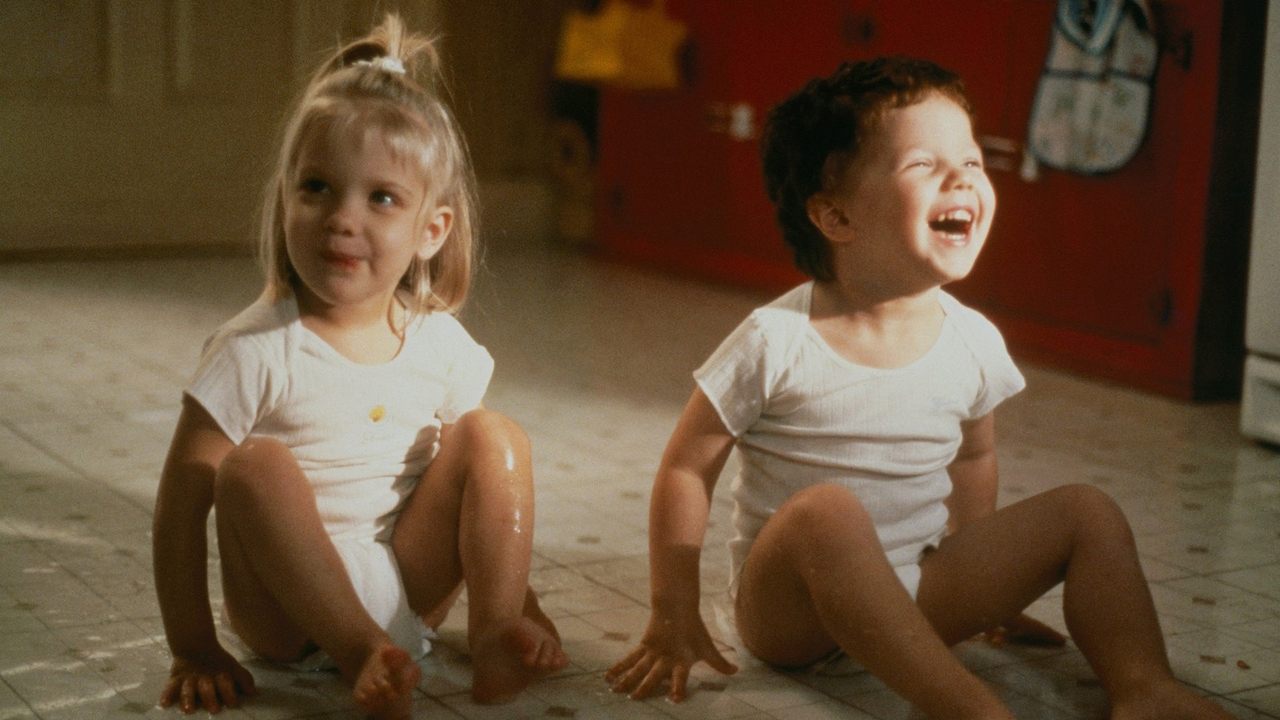
Let’s be honest, the concept alone is a head-scratcher worthy of its own late-night cable special. Baby Geniuses posits that infants are born possessing vast universal knowledge but lose it as they learn to communicate in human language (a theory apparently known as "Baby Talk"). Evil scientist Dr. Elena Kinder (Kathleen Turner, yes, that Kathleen Turner!) runs BabyCo, a research firm trying to crack this baby code for nefarious purposes, presumably world domination via superior diaper technology. Her foil is Dr. Heep (a delightfully unhinged Christopher Lloyd, dialing his eccentric genius persona up to eleven), who believes babies should be free. Caught in the middle are twin toddlers, Sly and Whit, who possess advanced intelligence and lead a daring escape from BabyCo's high-tech nursery, aided by other surprisingly articulate infants.
It's a plot that feels like it was brainstormed during a fever dream, blending corporate espionage with toddler shenanigans. Directed by Bob Clark, the very same filmmaker who gave us the timeless warmth of A Christmas Story (1983) and the raunchy laughs of Porky's (1981), Baby Geniuses feels like a cinematic left turn into uncharted, and frankly bizarre, territory. One has to wonder what drew the seasoned director to this particular project, penned by a committee including Clark himself and producer Steven Paul, who was apparently inspired by watching his own nieces and nephews.
### Welcome to the Uncanny Crib
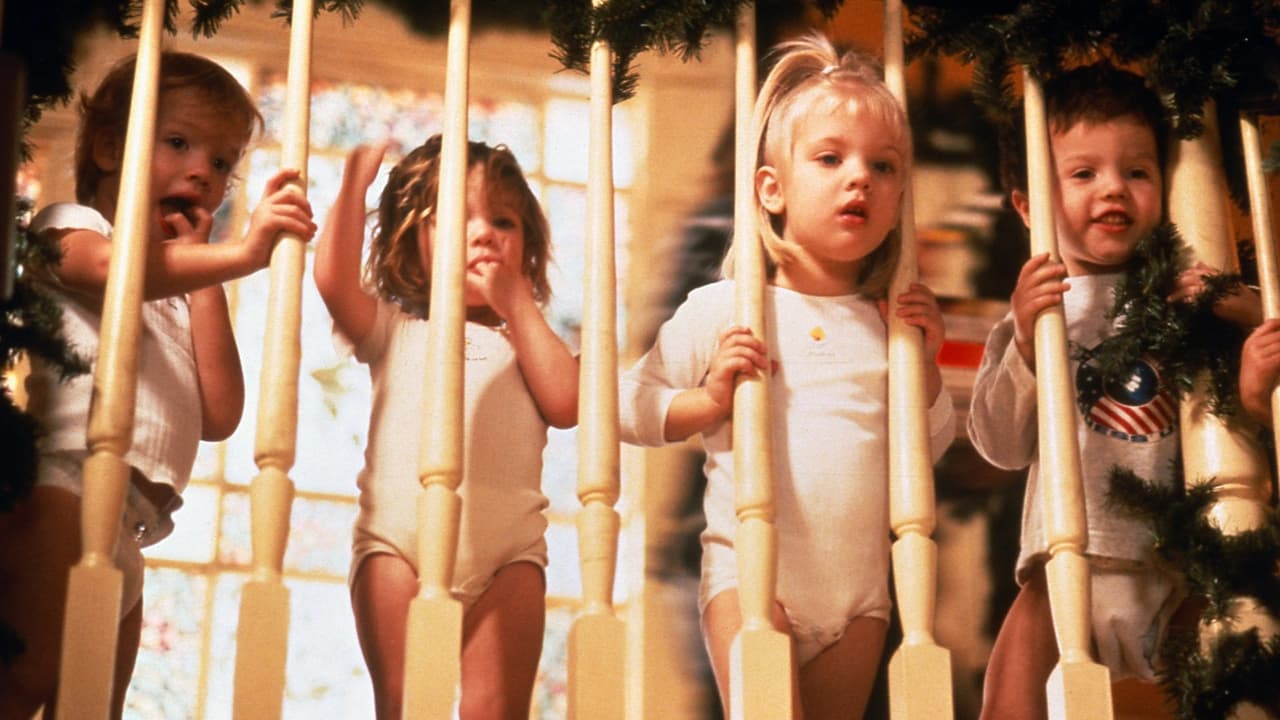
Now, let's talk about the elephant—or rather, the digitally-mouthed baby—in the room: the special effects. In 1999, the attempt to make babies appear to talk using CGI mouth movements and animatronics was ambitious. Watching it today, however, is an exercise in navigating the deepest trenches of the uncanny valley. The disconnect between the real babies and their digitally flapping lips is often jarring, sometimes venturing into downright creepy territory. You have to admire the technical effort for its time, perhaps, but the effect hasn't aged gracefully. It’s one of those glorious examples of late-90s digital ambition slightly outstripping the available technology, resulting in something truly... unique. I distinctly remember renting this, drawn in by the goofy premise, and spending half the runtime mesmerized (and slightly disturbed) by those uncanny talking tots.
It wasn't just CGI; the film employed sophisticated animatronics for certain shots, requiring immense patience working with actual babies on set alongside the complex puppetry. These practical hurdles, while maybe not resulting in seamless realism, certainly speak to the production's commitment to its wild concept.

### A Cast Along for the Ride?
What truly elevates Baby Geniuses into the realm of must-see curiosities is its cast. Seeing powerhouse actors like Kathleen Turner (an Oscar nominee!) and Christopher Lloyd (Back to the Future series, Who Framed Roger Rabbit) chew the scenery as cartoonish villains is a sight to behold. Turner, as the sharp-suited, ruthless CEO, seems to relish the camp, while Lloyd leans fully into his trademark manic energy. Add in Kim Cattrall (Sex and the City) as Sly and Whit's reporter mom and the legendary Dom DeLuise voicing one of the babies, and you have a roster that feels almost surreal for this kind of film. Were they aware of the film's inherent silliness? One hopes they had fun, at least.
### Box Office Babble and Critical Crawling
Despite its $27 million budget and the surprising star power, Baby Geniuses wasn't exactly a critical darling upon release. It famously garnered scathing reviews and currently sits at a painful 2% on Rotten Tomatoes. IMDb users are only slightly kinder, hovering around 2.6/10. Yet, it somehow managed to pull in around $36.5 million worldwide, enough to eventually spawn a sequel, Superbabies: Baby Geniuses 2 (2004), which fared even worse critically.
But critical scores don't always tell the whole story for films dwelling in VHS Heaven, do they? For many of us browsing the video store aisles, Baby Geniuses wasn't about finding the best movie, but perhaps the weirdest. It was the kind of tape you might grab when The Matrix was checked out, purely out of morbid curiosity or because the box art was just too strange to ignore. It became a sleepover staple for some kids, generating baffled giggles rather than genuine laughs, lodging itself in memory precisely because it was so odd.
### The Verdict: A Glorious 90s Oddity
Baby Geniuses is undeniably a "bad" movie by conventional standards. The plot is nonsensical, the humor often falls flat, and those visual effects are the stuff of digital nightmares (or dreams, depending on your perspective). Yet, there's an undeniable charm to its sheer audacity and its status as a time capsule of late-90s technological ambition meeting B-movie execution. It features respected actors giving their all to utterly bizarre material, helmed by a director known for far better work. It’s a fascinating artifact.
Rating: 3/10
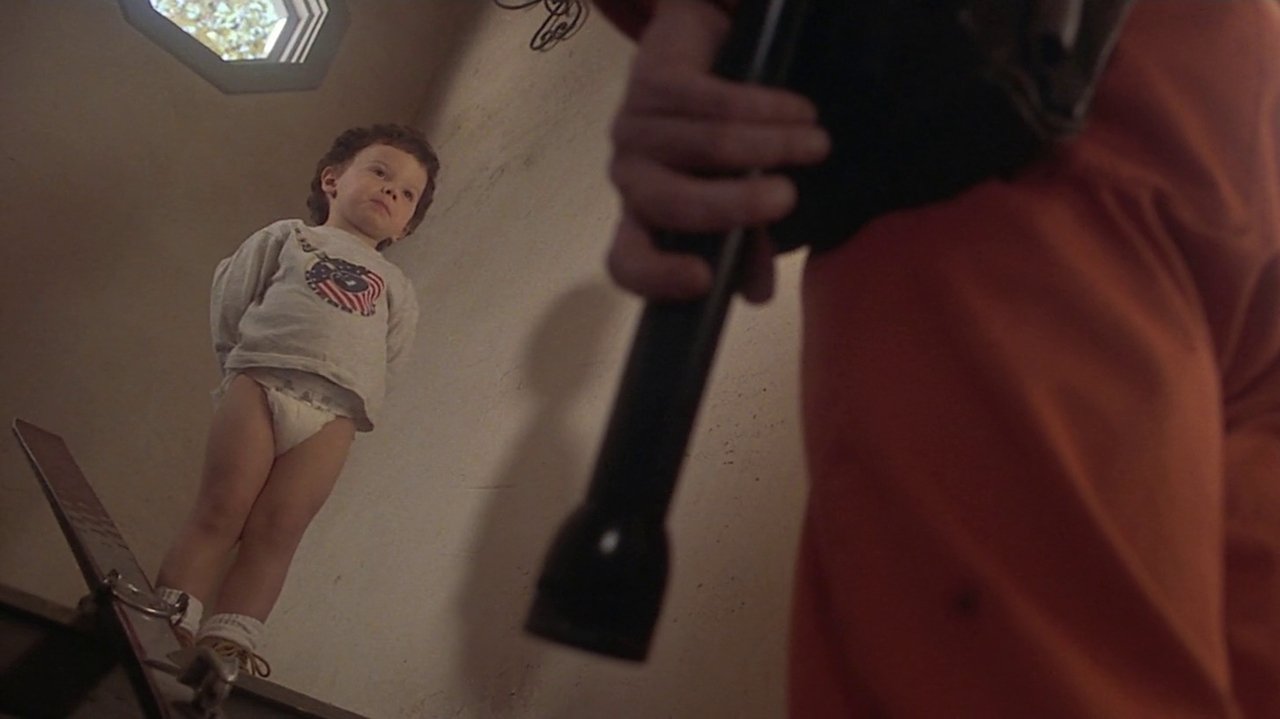
The rating reflects the film's objective shortcomings – the awkward effects, nonsensical plot, and generally poor execution. However, that score comes with a huge asterisk shaped like a VHS tape: the sheer nostalgic weirdness and "what were they thinking?!" factor grant it a peculiar rewatchability. It’s not good, but boy, is it memorable.
So, if you ever stumble across this relic, perhaps approach it not as cinema, but as a bizarre anthropological study of late-millennium family filmmaking. It’s a reminder that sometimes, the strangest journeys down the video store aisle lead to the most unforgettable destinations.