Here's a review for Bad Company (1995), crafted for "VHS Heaven":

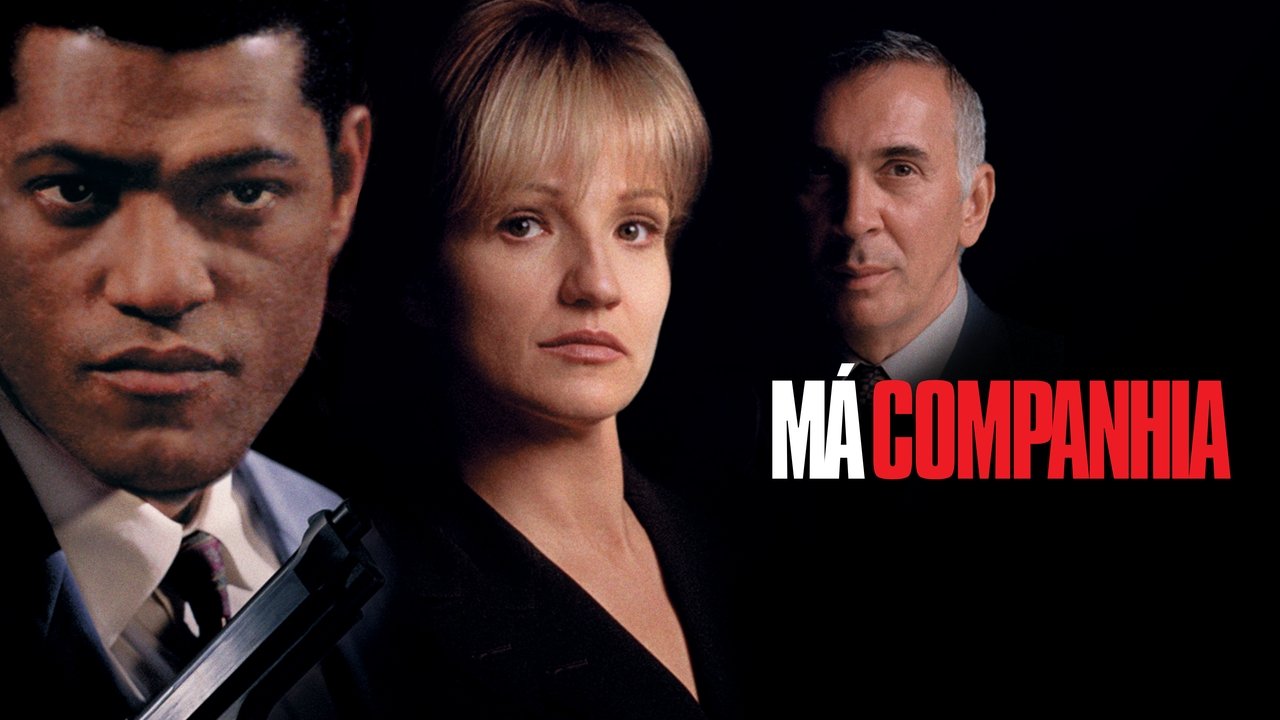
There’s a particular kind of chill that permeates certain mid-90s thrillers, a coolness that goes beyond the often-rainy Seattle backdrop where this one unfolds. Bad Company (1995) plunges you headfirst into that world – a landscape of polished surfaces, whispered deals in minimalist boardrooms, and the unsettling feeling that every smile hides a motive. It’s a film less about explosive action and more about the quiet, ruthless machinations of corporate espionage, a territory where loyalty is a commodity and identity is dangerously fluid. Remember plucking this kind of tape off the "New Releases" wall? The stark cover art, the promise of intrigue headlined by compelling stars – it felt like a sophisticated night in was guaranteed.
Shadow Operations and Moral Mazes
The setup introduces us to Nelson Crowe (Laurence Fishburne), a former CIA analyst seemingly adrift, who gets recruited by the enigmatic Grimes (Frank Langella) for a highly specialized, ethically dubious firm known only as "The Toolshed". Their business? Industrial espionage, conducted with lethal precision. Crowe's target is Margaret Wells (Ellen Barkin), the seductive and fiercely intelligent second-in-command at a rival corporation. His mission is to infiltrate, seduce, and ultimately betray. It's a classic noir premise given a distinctly '90s corporate sheen, trading smoky back alleys for sterile office parks and gun molls for power-suited executives.
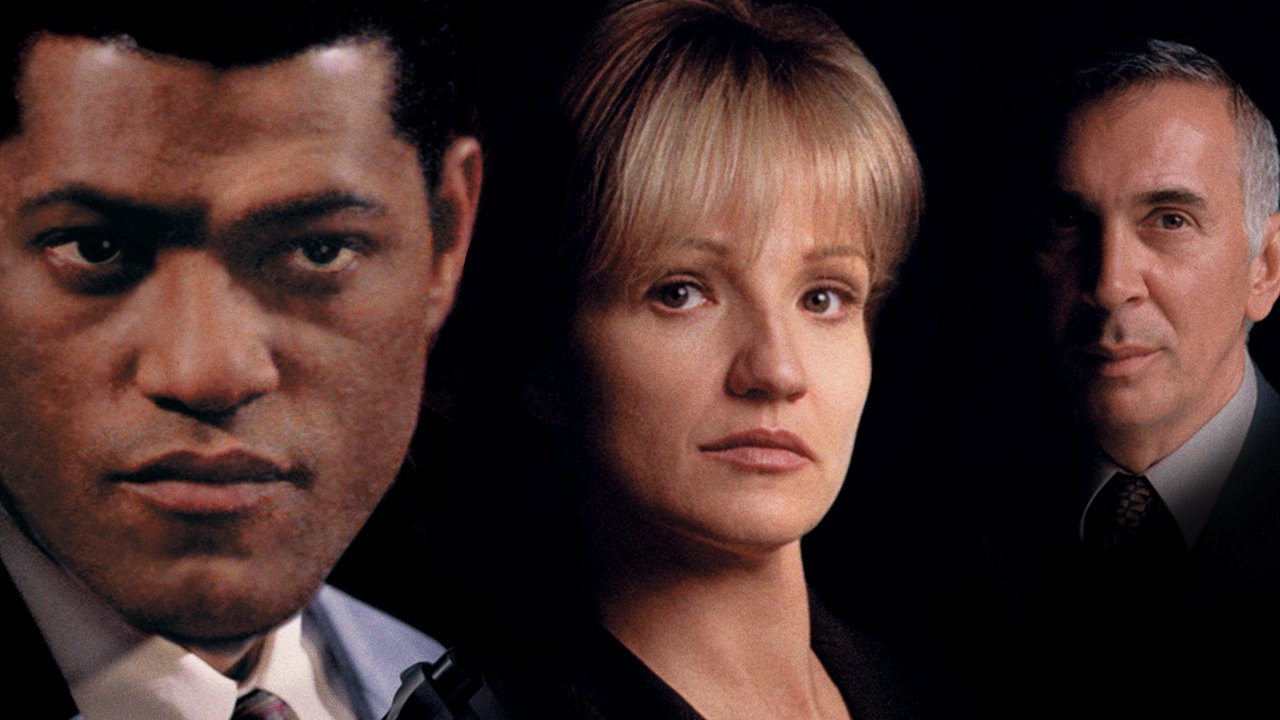
What unfolds isn't so much a straightforward thriller as it is a complex dance of manipulation. Director Damian Harris (son of the legendary Richard Harris, and who previously gave us the Goldie Hawn thriller Deceived in 1991) crafts a film that feels deliberately opaque. He lets the plot, adapted by acclaimed crime novelist Ross Thomas from his own novel of the same name, twist and turn, sometimes to the point of confusion. But isn't that the point? In this world of high-stakes secrets and disposable assets, clarity is a luxury no one can afford. The Seattle setting is used effectively, its frequent overcast skies mirroring the moral ambiguity that hangs heavy over every character.
Ice and Fire: The Central Performances
The real engine driving Bad Company lies in its central performances. Laurence Fishburne, riding high after his Oscar nomination for What's Love Got to Do with It (1993) and bringing that same intense presence he'd showcase in Othello (released the same year as this film), is magnetic as Crowe. He conveys a simmering intelligence and a watchful calculation, even when ostensibly playing the pawn. You see the gears turning behind his eyes, constantly assessing, questioning. Is he truly seduced by the power and danger, or is there a deeper game afoot? Fishburne makes you believe both are possible.
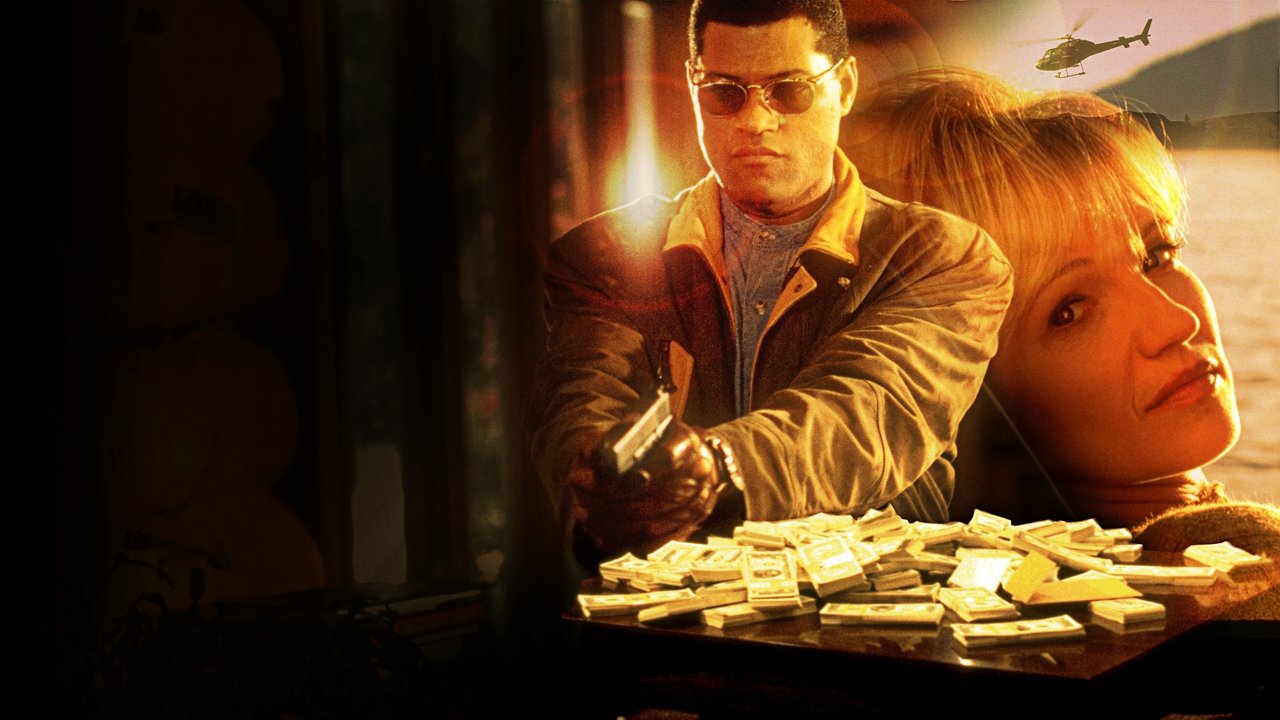
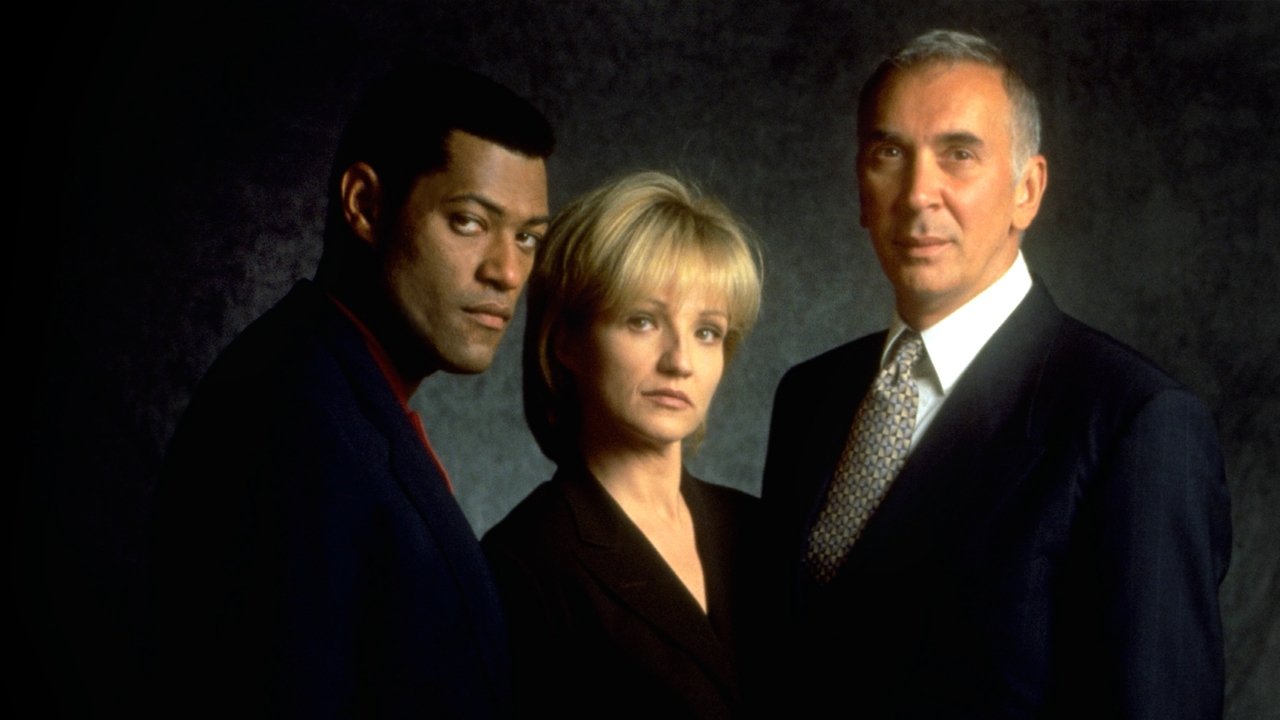
Opposite him, Ellen Barkin is perfectly cast. Known for playing women who were both dangerous and alluring, like her memorable turn in Sea of Love (1989), she embodies Margaret Wells with a captivating blend of sharp intellect and calculated vulnerability. Her chemistry with Fishburne is less about overt passion and more about a shared understanding of the perilous world they inhabit. It's a cautious, transactional intimacy, charged with the constant threat of betrayal. And then there’s Frank Langella, radiating effortless menace as Grimes. He doesn't need to raise his voice; his calm, authoritative delivery speaks volumes about the ruthless efficiency of his organization.
Beneath the Surface: Retro Realities
Watching Bad Company today is an interesting exercise. Released by Hollywood Pictures, Disney's arm for more adult fare at the time, it feels like a studio trying to capture the zeitgeist of slick, intelligent thrillers that were popular then. Digging into its history reveals it was a commercial disappointment, reportedly costing around $18 million but only managing to claw back about $3.7 million at the domestic box office. Perhaps its intricate plotting and cool detachment kept wider audiences at arm's length. You couldn't always easily summarize the plot to a friend after renting it, could you?
Yet, there’s an undeniable craft here. Ross Thomas was a master of intricate plotting and cynical observation in his novels, and much of that translates to the screen, even if it sometimes feels dense. The world of "The Toolshed," where agents specialize in blackmail, seduction, and psychological warfare feels disturbingly plausible, perhaps even more so in today's hyper-competitive, data-driven corporate landscape. The film doesn’t offer easy answers or clear-cut heroes. It forces you to question who is manipulating whom, right up until the final frames. What does it say about the allure of power when someone like Crowe, initially presented as principled, gets drawn so deep into the darkness?
Final Reflections
Bad Company isn't a perfect thriller. Its plot can feel overly convoluted, and its emotional core remains deliberately chilled. It demands attention and rewards it with atmosphere and strong performances rather than adrenaline-pumping set pieces. It lacks the visceral punch of some contemporary action films but offers a more cerebral, unsettling experience. It’s the kind of film that might have initially underwhelmed if you were expecting pyrotechnics but lingers in the mind precisely because of its ambiguities and its cold portrayal of corporate amorality.
Rating: 6.5/10
Justification: The score reflects the film's strengths – primarily the compelling performances from Fishburne, Barkin, and Langella, and its effectively moody, noir-ish atmosphere. However, it's docked points for a narrative that occasionally becomes too tangled for its own good and an emotional distance that can make it hard to fully invest. It’s a well-crafted but somewhat cold viewing experience.
Final Thought: A fascinating, if flawed, slice of 90s corporate noir that perhaps plays better now as a reflection on the era's anxieties than it did as pure entertainment upon release. It’s a reminder that sometimes, the most dangerous games aren’t played with guns, but with secrets and whispers in glass towers.