The reflection staring back isn't his own anymore. That's the cold dread simmering beneath the surface of Deep Cover, a feeling that clings long after the tape hiss fades. It’s not just the neon glow bleeding onto rain-slicked Los Angeles streets, nor the pulsing paranoia of the early 90s West Coast hip-hop soundtrack. It’s the chilling erosion of a soul, witnessed frame by painstaking frame, that lodges this 1992 neo-noir thriller firmly in the psyche. Forget standard undercover cop fare; this film plunges you into the moral twilight zone and dares you to find the line, let alone walk it.
Into the Abyss
We meet Russell Stevens Jr. (Laurence Fishburne) as a child, witnessing his father's desperate, drug-fueled demise. It’s a primal scene that supposedly fuels his unwavering commitment to the law. Recruited by the self-righteous DEA agent Gerald Carver (Charles Martin Smith), Stevens is tasked with infiltrating a major L.A. drug ring, targeting the sophisticated upper echelons, not just street-level players. His alias: John Q. Hull, a dealer ready to climb the ladder by any means necessary. The objective is clear, but the path is anything but. Director Bill Duke, perhaps better known then for his imposing screen presence in films like Predator (1987), crafts a world dripping with menace and style. The L.A. here isn’t sun-drenched beaches; it's nocturnal, shadowy, a labyrinth of warehouses, exclusive clubs, and sterile lawyer's offices where morality is just another commodity.
A Study in Contrasts
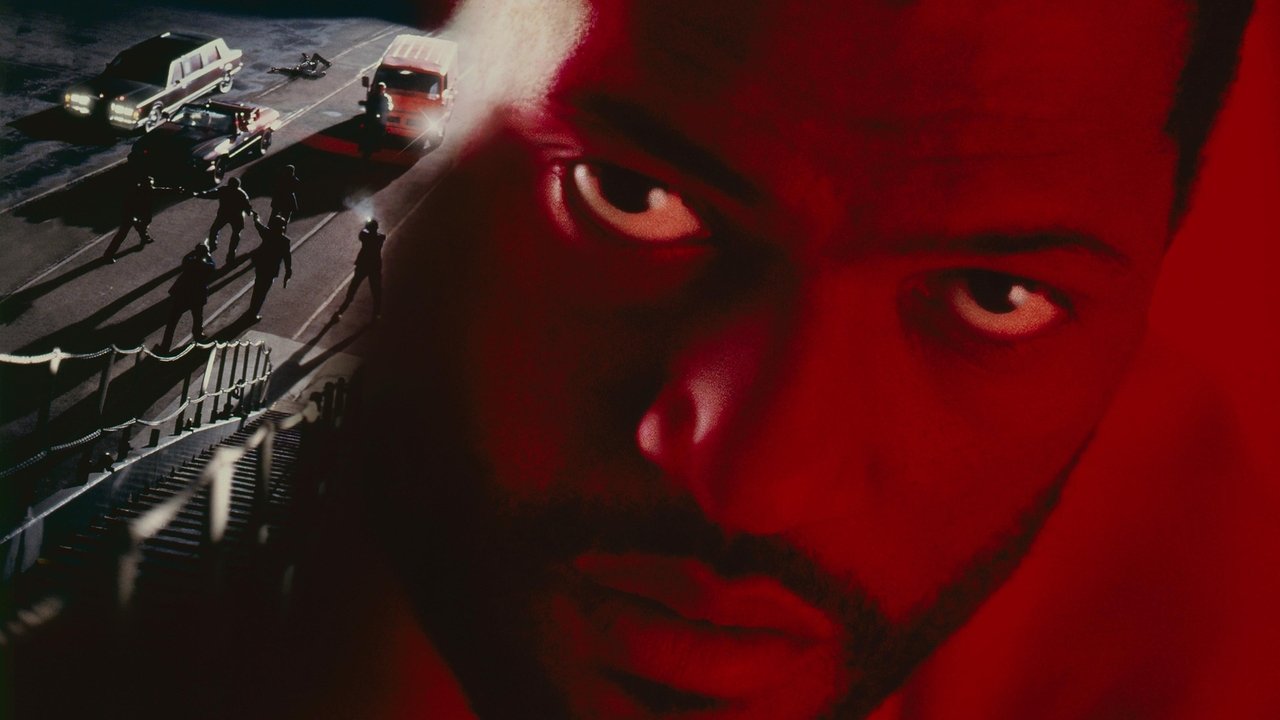
At the heart of Deep Cover's power lies Laurence Fishburne's towering performance. Even before he became the iconic Morpheus in The Matrix (1999), Fishburne possessed an intensity that could burn through the screen. As Stevens/Hull, he’s a tightly coiled spring of conflict. His eyes convey the constant internal battle – the cop wrestling with the criminal he must convincingly become, the chilling realization that the darkness he’s embracing might just swallow him whole. It’s fascinating to learn Fishburne initially hesitated, concerned the film might glamorize the drug trade, only signing on after being convinced of its complex moral exploration. It shows; he embodies the weight of every compromised choice.
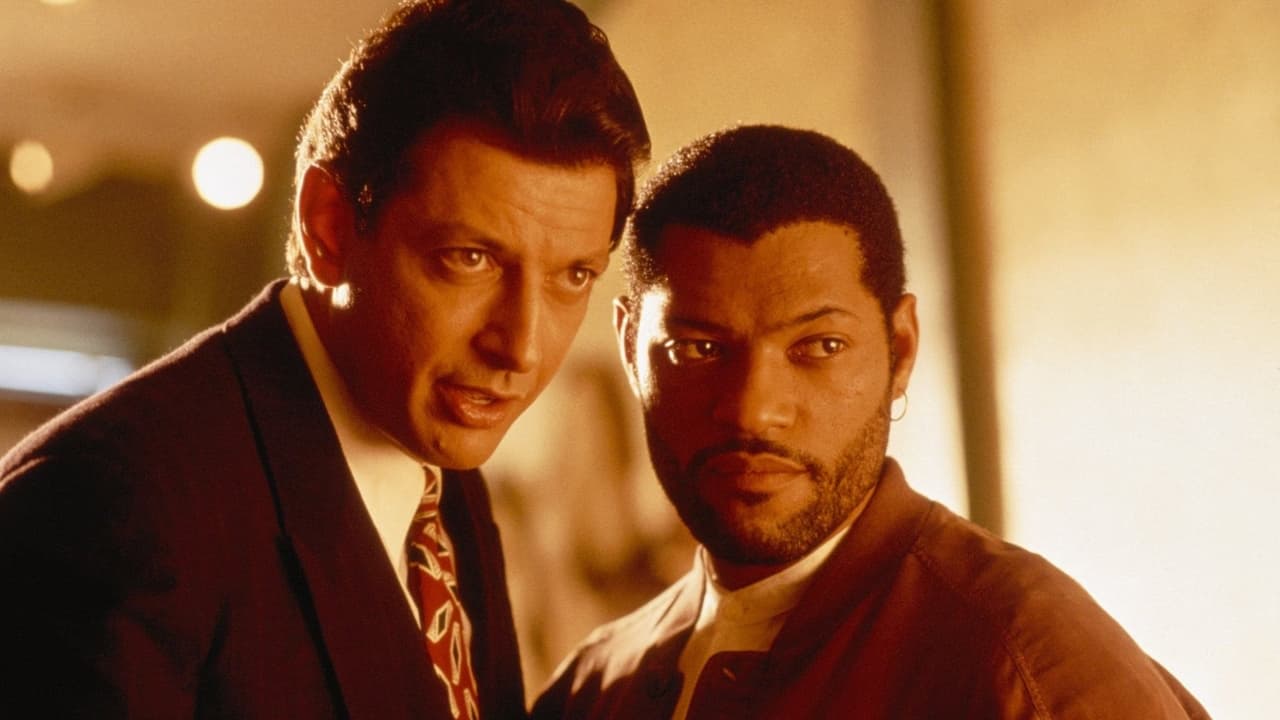
Then there's Jeff Goldblum as David Jason, the attorney who moonlights as a high-level cocaine trafficker with aspirations of developing his own synthesized product. Goldblum, often known for quirky charm, channels that energy here into something unpredictable and genuinely unnerving. He's all nervous tics, expensive suits, and bursts of manic enthusiasm masking a ruthless pragmatism. It’s a performance that feels dangerously alive, reportedly enhanced by Goldblum’s own improvisations, creating a character both repellent and strangely magnetic. Their scenes together crackle with tension, a deadly dance between two men operating deep within enemy territory, unsure of who is truly manipulating whom. Add Victoria Dillard's coolly ambiguous art dealer Betty McCutcheon and a memorably chilling turn by Clarence Williams III as a righteous, old-school detective, and you have a cast perfectly attuned to the film's bleak frequency.
Soundtrack to the Streets


You can't discuss Deep Cover without mentioning its groundbreaking soundtrack. Produced by Dr. Dre, it arrived at the height of West Coast G-Funk and served as the debut single for a young Calvin Broadus, soon to be known globally as Snoop Doggy Dogg. The title track, "Deep Cover" (also known as "187"), is more than just background music; it's the film's pulse. Its menacing beat and stark lyrics perfectly mirror the narrative's grim trajectory and the environment Stevens navigates. The music isn't just layered on; it's woven into the fabric of the film, amplifying the atmosphere of dread and street-level danger, contributing significantly to why the movie felt so authentic and immediate back in '92.
Cracks in the Veneer
Originally titled "The Pharmicist," Deep Cover wasn't a box office smash upon release (pulling in around $16.6 million against its modest budget, roughly $35 million adjusted for today), but its reputation grew significantly through VHS rentals and cable showings. It became a cult classic precisely because it offered something darker and more complex than typical genre entries. While the plot occasionally stretches credulity, and the ending might feel abrupt to some, the film's strengths far outweigh its minor flaws. Its unflinching look at the corrosive effects of deep undercover work and the often-hypocritical nature of the war on drugs felt bold then and remains potent now. Bill Duke’s direction masterfully balances slick visuals with raw grit, making the violence feel impactful and the moral decay palpable. Remember those sharp, almost cartoonishly wide lapels on Goldblum's suits? A perfect visual metaphor for the character's blend of sophistication and dangerous excess.
The Verdict
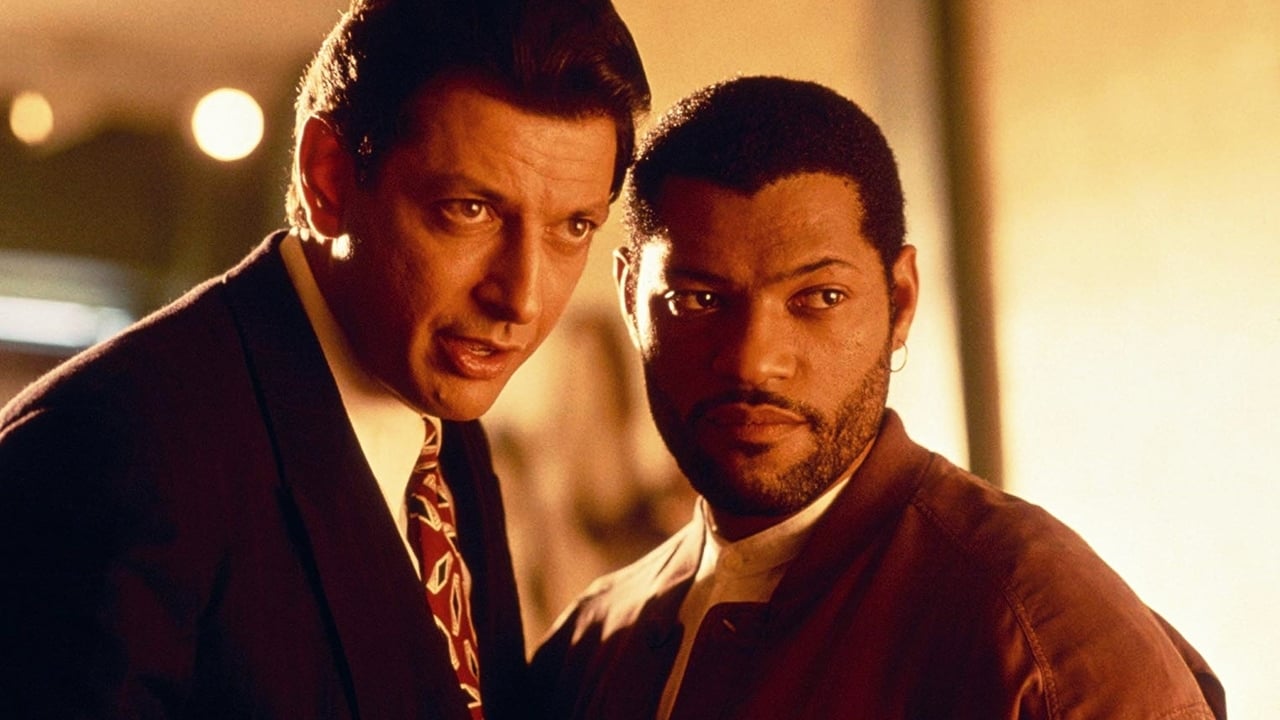
Deep Cover is a quintessential piece of early 90s neo-noir, a film that grips you with its atmosphere and refuses to offer easy answers. Fishburne delivers a career-defining performance, embodying the tragic weight of a man losing himself in the role he’s forced to play. Goldblum provides an unforgettable, electric counterpoint. The direction is stylish yet gritty, and the soundtrack remains iconic. It’s a film that explores the dark corners of the American dream and the human cost of fighting monsters without becoming one. Does that final, chilling shot still linger with you?
Rating: 8.5/10
Why this score? Deep Cover earns its high marks through its exceptional lead performances, particularly Fishburne's profound portrayal of internal conflict. Its potent atmosphere, stylish direction, killer soundtrack, and unflinching exploration of complex themes solidify its place as a standout thriller. While minor plot contrivances slightly hold it back from perfection, its strengths are undeniable and its impact enduring. It remains a sharp, cynical, and utterly compelling watch, a gem from the VHS era that still cuts deep.