Okay, pull up a comfy chair, maybe pour yourself something nostalgic – a Hi-C Ecto Cooler if you could somehow conjure one – because we're diving back into the quirky corners of the video store shelf today. Remember those foreign film sections, often a gamble but sometimes yielding pure gold or, at the very least, something utterly perplexing? That’s where many of us likely first encountered 1994’s The Monster (Il Mostro), a film that arrived carrying the whirlwind energy of its star and director, Roberto Benigni. It asks a deceptively simple question: what happens when sheer, unadulterated chaos is mistaken for calculated evil?
### The Man Who Couldn't Stop Moving
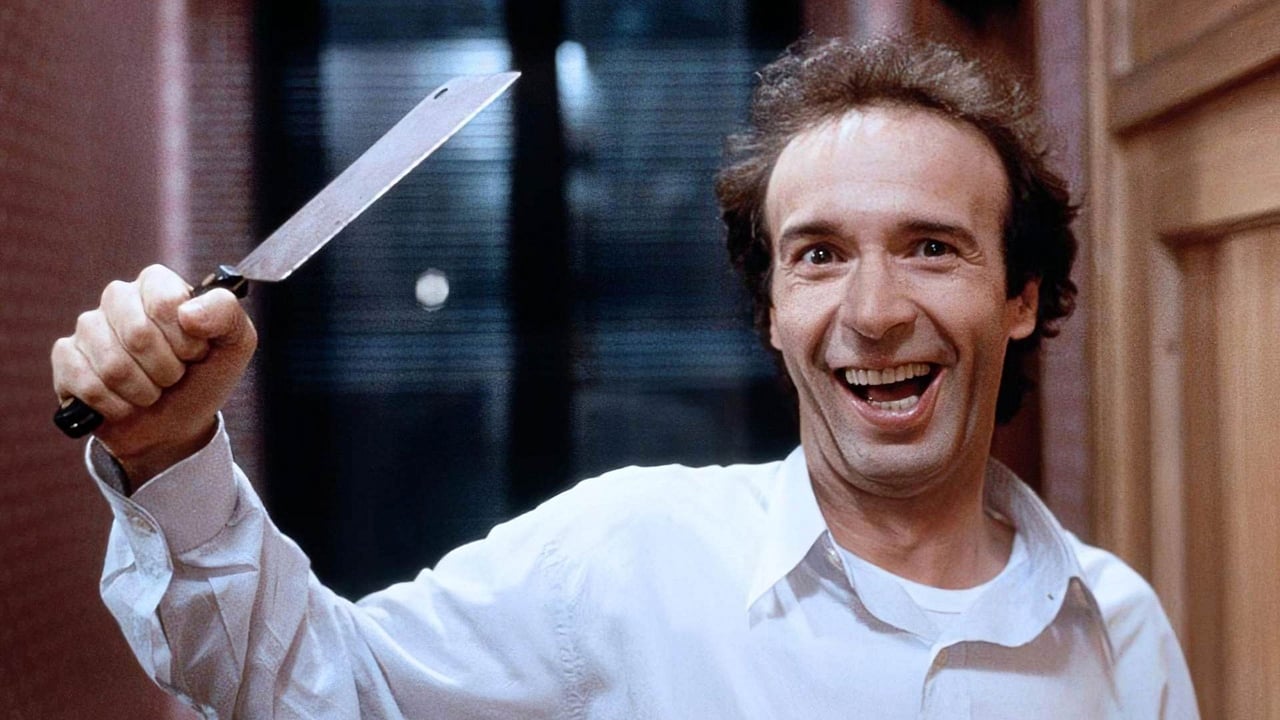
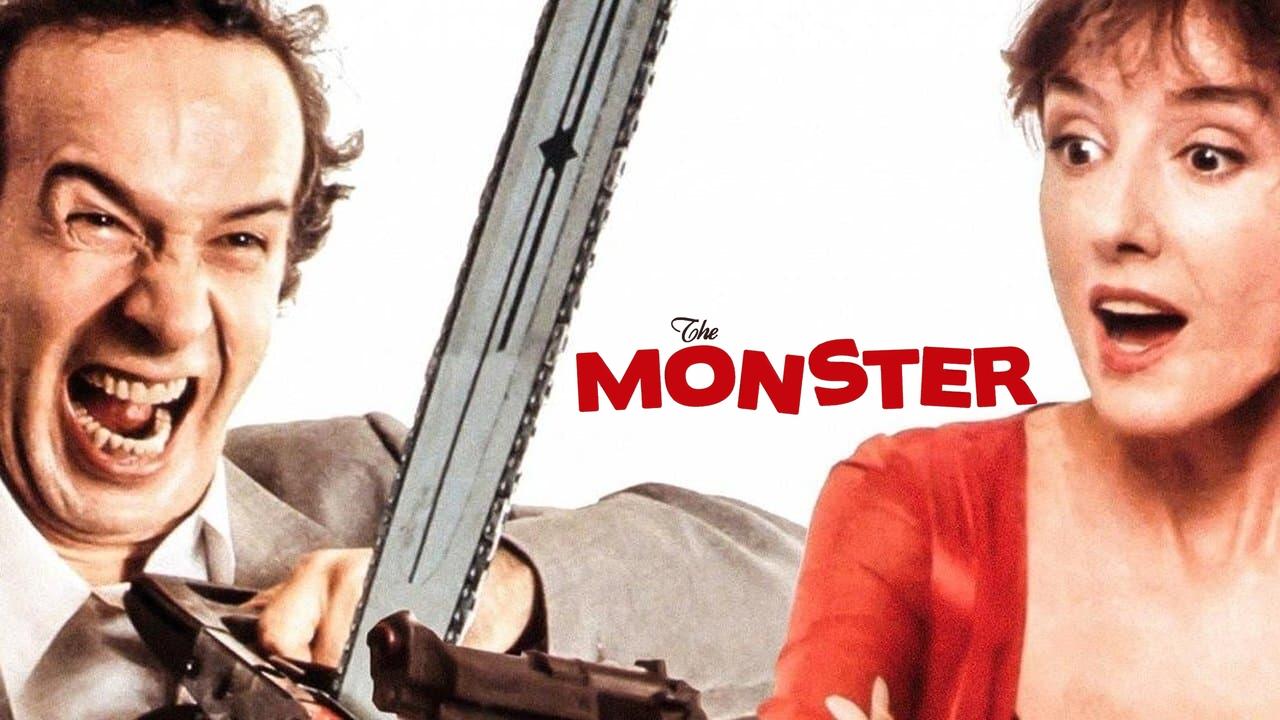
The premise itself is pure farce, bordering on the darkly absurd. A serial sex criminal, dubbed "The Monster" by the press, is terrorizing Rome, targeting women. The police, led by a perpetually frustrated inspector and advised by a bizarre criminal psychologist (Michel Blanc, perfectly cast as the eccentric Paride Taccone), are stumped. Their prime suspect? Loris, played by Roberto Benigni with the frantic, rubber-limbed energy that would soon make him an international sensation. Loris isn't a monster; he's a part-time mannequin handler, full-time bumbler, petty scammer, and general agent of accidental disruption. He’s the kind of guy who causes a five-car pile-up trying to swat a bee. The disconnect between the horrifying crimes and the innocent, albeit infuriating, chaos embodied by Loris is the engine driving the entire film.
Benigni, even before his Oscar win for Life is Beautiful (1997), was already a phenomenon in Italy. Watching The Monster, you see the raw, untamed version of that persona. It’s less polished, perhaps, but undeniably potent. His Loris is a creature of pure impulse, a walking misunderstanding generator. The comedy stems almost entirely from his physical performance – the way he contorts himself trying to fix a TV antenna, his disastrous attempts at navigating social situations (like crashing a corporate party), his utter obliviousness to the suspicion surrounding him. It's a performance deeply indebted to the silent comedy greats like Chaplin and Keaton, relying on impeccable timing and a seemingly inexhaustible supply of kinetic energy. Does every gag land? Perhaps not for everyone, especially across cultural divides, but the commitment is absolute.
### Undercover Chaos
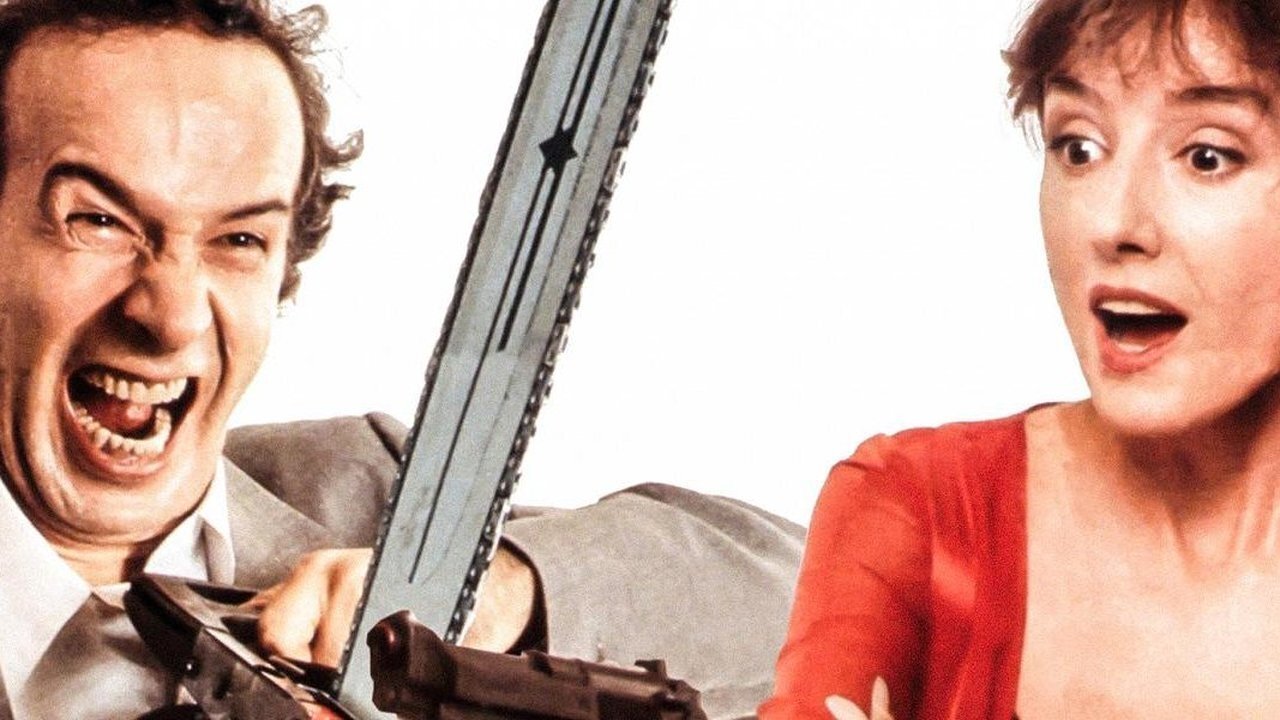
To entrap the supposed fiend, the police devise a plan: send in an attractive undercover officer, Jessica (played by Benigni's wife and frequent collaborator, the wonderful Nicoletta Braschi), to pose as his new neighbor and tempt him into revealing his monstrous nature. Braschi serves as the essential counterpoint to Benigni's frenzy. Her character is tasked with maintaining composure and allure while navigating Loris’s escalating, entirely unintentional, and often bafflingly inappropriate behavior. The scenes between them are the film's comedic core – Jessica trying to interpret Loris’s bizarre actions (like meticulously undressing a stolen shop mannequin) through the lens of criminal deviancy, while Loris remains utterly clueless, simply trying (and failing) to manage his chaotic existence. Their chemistry, honed over multiple collaborations, feels natural even amidst the absurdity.
The Monster was co-written by Benigni and Vincenzo Cerami, the same partnership that would later script Life is Beautiful. You can see glimmers of their ability to blend comedy with darker underlying themes here, though The Monster leans far more heavily into pure slapstick and mistaken-identity tropes. The humor is broad, relentless, and occasionally ventures into territory that might make modern audiences raise an eyebrow, predicated as it is on Loris being constantly, accidentally inappropriate in ways misinterpreted as predatory.
### Behind the Italian Box Office Phenomenon
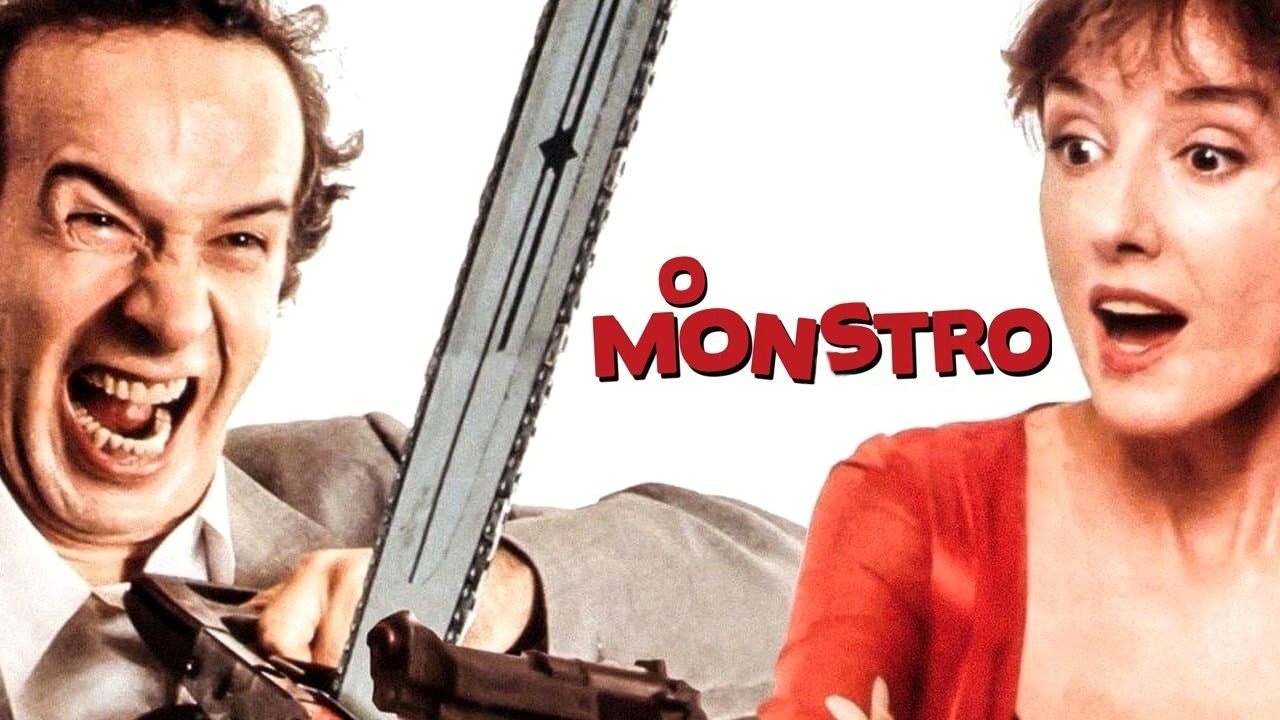
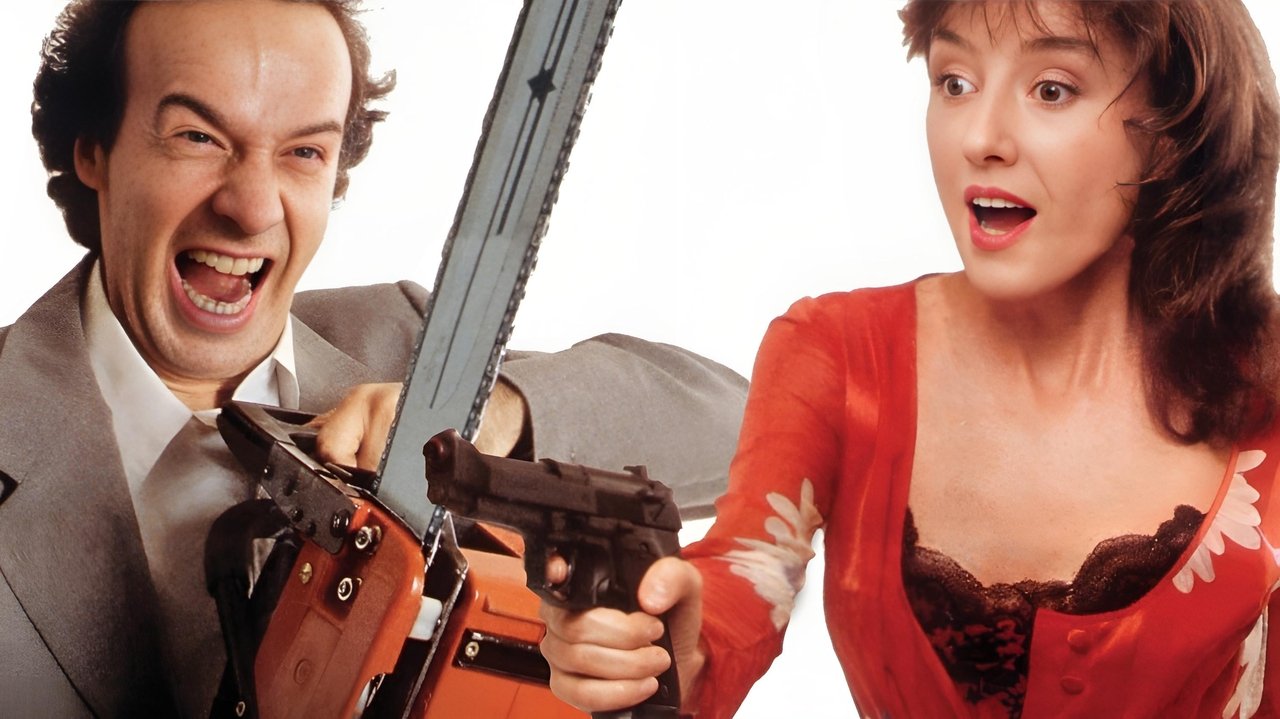
Here’s something fascinating to recall from the VHS era: The Monster was an absolute juggernaut in its native Italy. It shattered box office records, grossing over 35 billion lire (around $22 million USD then – a huge sum for an Italian film at the time) and becoming the highest-grossing Italian film ever up to that point. It captured the public imagination there in a way that perhaps didn't fully translate overseas. I remember finding the tape at Blockbuster, likely drawn by the intriguing title and maybe vaguely recognizing Benigni. Watching it felt like discovering a secret handshake, a different rhythm of comedy.
International critics, however, were often more reserved. Roger Ebert, for instance, famously gave it a low rating, finding the central joke wearing thin. And it's true, the film hammers its core conceit repeatedly. Yet, viewed through the lens of nostalgia and an appreciation for Benigni's unique brand of performance art, there’s a certain charm to its relentless energy. It feels like a film absolutely convinced of its own hilarity, throwing everything at the wall with infectious, albeit exhausting, gusto. Benigni, directing himself, knows exactly what his strengths are and builds the entire film around showcasing them, sometimes to the detriment of narrative subtlety, but always with maximum commitment. Filming likely took place primarily around Rome and the famed Cinecittà Studios, providing a grounded backdrop for the escalating mayhem.
### Lasting Impressions of Loris
Does The Monster hold up perfectly? Probably not. Some gags feel stretched, and the sheer volume of misunderstandings can become repetitive. It’s a film that demands you get on Benigni’s very specific comedic wavelength. If you don’t find his particular brand of hyperactive innocence amusing, the nearly two-hour runtime might feel like an endurance test.
But if you remember renting this tape, perhaps on a whim, and being swept up in its sheer, unadulterated silliness, it likely holds a fond place in your memory. It’s a snapshot of Benigni just before global stardom, a raw blast of comedic force. It’s a film built almost entirely on one joke, but that joke is delivered with such unwavering conviction and physical prowess that it’s hard not to crack a smile, even if you’re sometimes laughing at the absurdity as much as with it. It reminds us of a time when discovering a foreign comedy felt like uncovering a hidden gem, even if that gem was a little rough around the edges.
Rating: 6/10
Justification: While undeniably uneven and reliant on a single, sometimes overplayed comedic premise, The Monster is a significant showcase for Roberto Benigni's unique physical comedy genius at its most unrestrained. Its massive success in Italy speaks volumes, even if its humor didn't universally translate. Nicoletta Braschi provides a necessary anchor, and the sheer audacity of the farce earns it points. It’s not a subtle film, nor a perfect one, but for fans of Benigni or those nostalgic for discovering quirky foreign comedies on VHS, it offers memorable moments of inspired chaos.
Final Thought: It’s a cinematic whirlwind that leaves you breathless, maybe slightly bewildered, but definitely aware you've witnessed a comedic force of nature, even if you're not entirely sure what just hit you. A true artifact of its time and star.