Alright, settle in, rewind that tape in your mind, and maybe adjust the tracking just a touch. Today, we're diving into a corner of the video store that always held a special kind of magic: the foreign language section, specifically Italy in 1991, and the whirlwind of comedic chaos that is Roberto Benigni's Johnny Stecchino. If you stumbled upon this gem back in the day, maybe tucked between Fellini classics and Argento chillers, you know you found something truly unique.
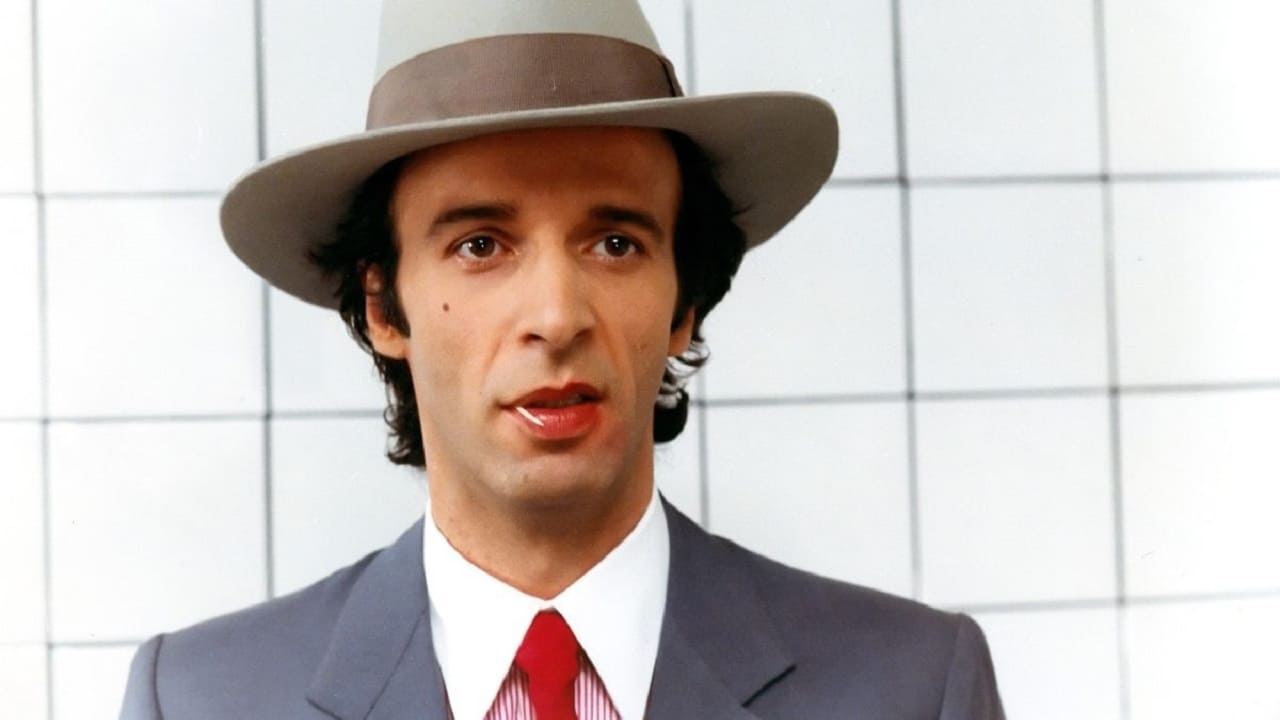
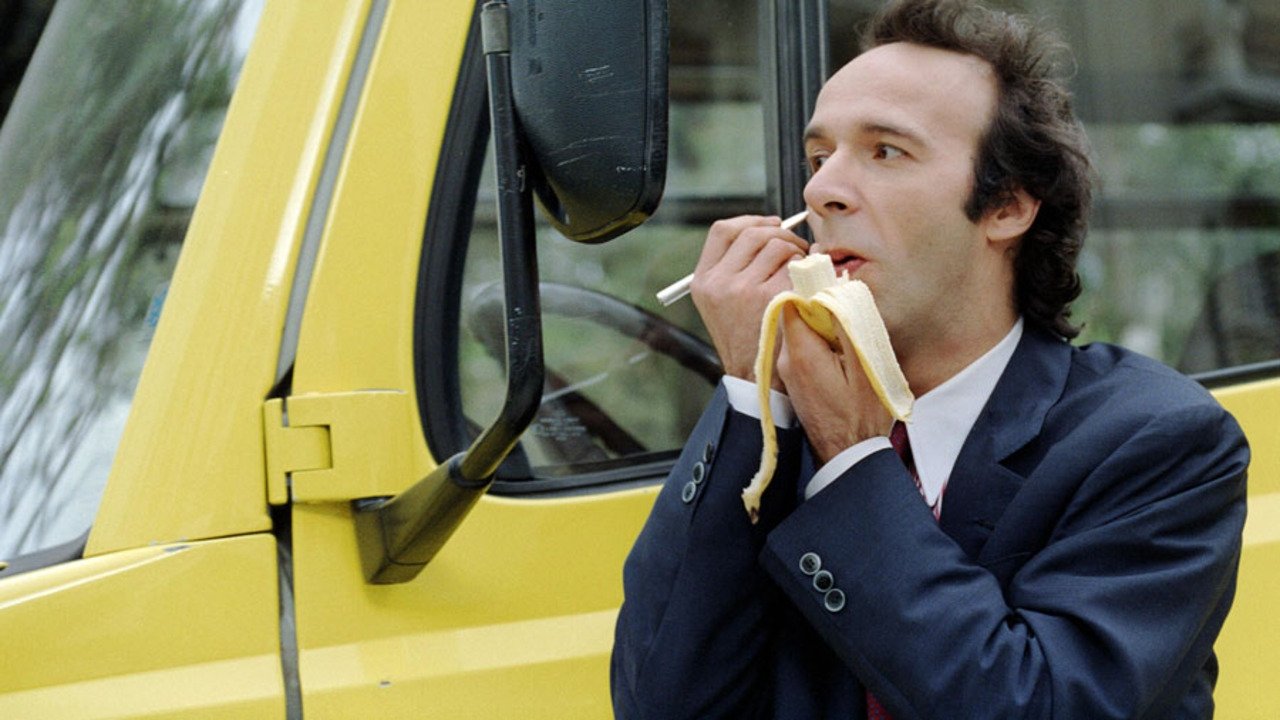
This wasn't your typical Hollywood fare. Forget slick explosions; the fireworks here are pure character and situation, detonated by one of cinema's most energetic forces. The premise is classic farce, elevated by Benigni's sheer comedic voltage. He plays Dante, a kind-hearted, slightly dim-witted school bus driver whose life is mundane bliss... apart from his hilarious, uncontrollable tic of petty theft (often involving bananas, leading to one of the film's most famous running gags). His life takes a sharp left turn when the stunning Maria (Nicoletta Braschi, Benigni's real-life wife and muse) sweeps him off his feet and whisks him away to Palermo, Sicily.
The catch? Dante is the spitting image of Maria's husband, the ruthless, feared Mafia boss Johnny Stecchino (also played by Benigni), who needs a convenient double to draw out his enemies. What follows is a masterclass in mistaken identity, as the utterly clueless Dante navigates the treacherous world of organised crime, interpreting assassination attempts as friendly gestures and Mafia threats as charming local customs.
### A Double Dose of Benigni Brilliance
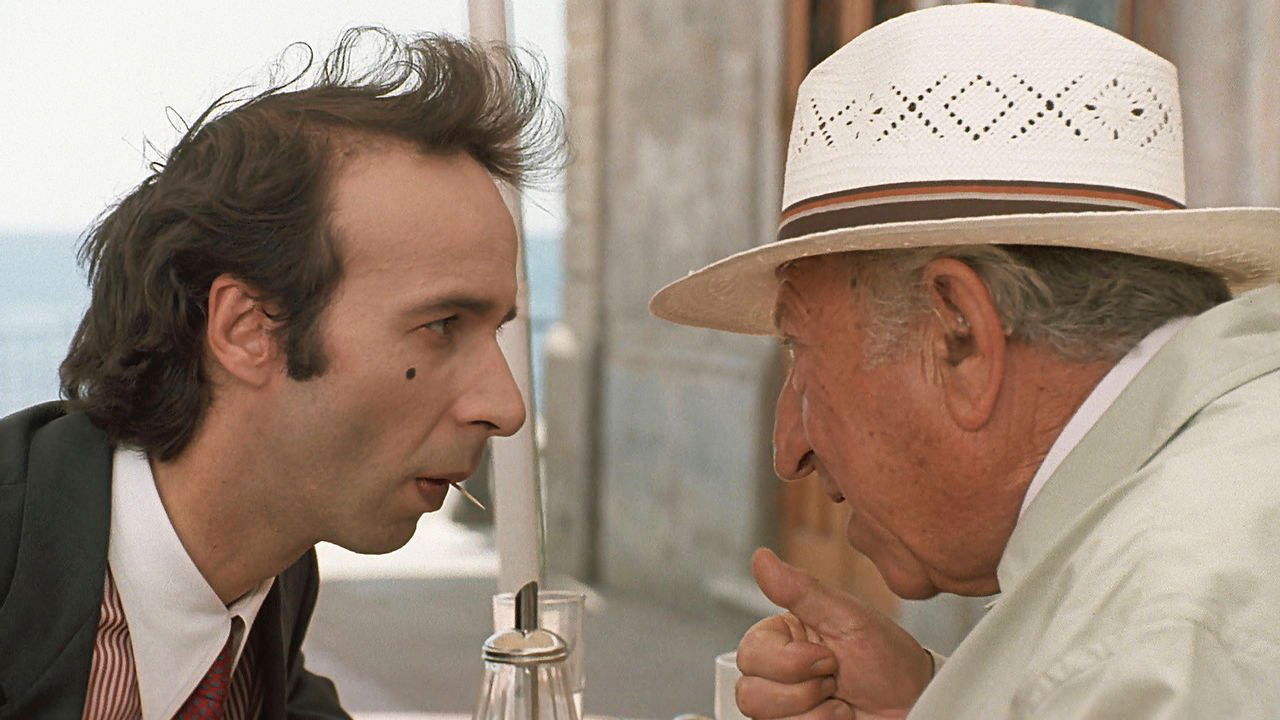
Let's talk about Roberto Benigni. Before he charmed the world and climbed over seats to accept his Oscar for Life is Beautiful (1997) – a film also co-written with his Johnny Stecchino collaborator Vincenzo Cerami – he was already a comedic superstar in Italy. Johnny Stecchino showcases his phenomenal talent in its purest form. His portrayal of Dante is pure, unadulterated innocence, a wide-eyed force of nature whose naivety acts as an accidental shield against mortal danger. His physical comedy is sublime, reminiscent of Chaplin or Keaton, finding humour in every awkward gesture and bewildered expression.
Then there's his Stecchino – glimpsed less frequently, but radiating menace. The contrast between the two characters, often switching in the blink of an eye within the narrative, is the engine driving the film's frantic energy. It’s a performance that feels utterly live, bursting with the kind of spontaneous energy that CGI creations just can't replicate. You believe in Dante's obliviousness because Benigni commits so completely.
### Sicilian Sun and Shadow
While not an action film in the Die Hard sense, the tension is palpable. Dante's unwitting dance with death creates a different kind of suspense – the comedic kind, where you're laughing and wincing simultaneously. Director Benigni masterfully uses the beautiful, sun-drenched Sicilian locations (much of it filmed in Palermo and the surrounding region) as a backdrop for dark deeds and hilarious misunderstandings. There’s a grounded reality to the settings, the villas, the streets, that makes the absurdity pop even more. You feel the heat, the atmosphere.
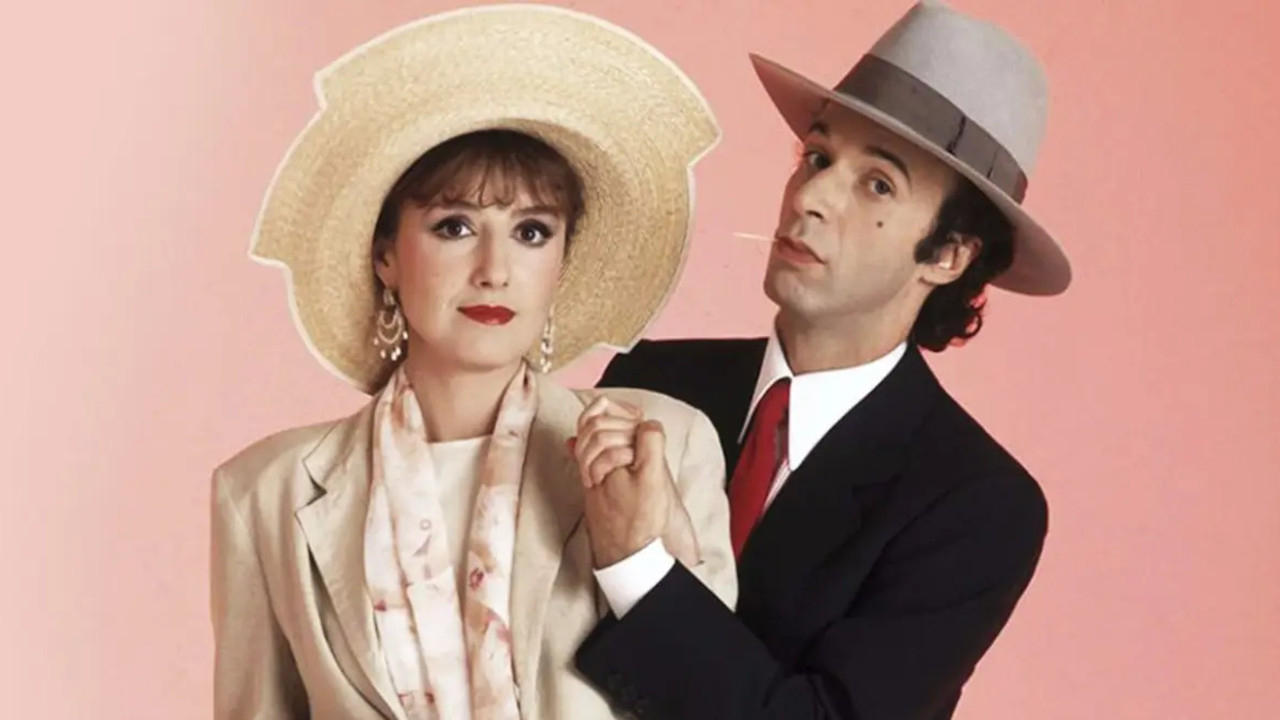
And the supporting cast is pitch-perfect. Nicoletta Braschi is captivating as Maria, walking a fine line between allure and manipulation. Is she saving Dante or using him? Her enigmatic performance keeps you guessing. And Paolo Bonacelli, as the perpetually exasperated lawyer and accomplice Uncle Alfonso, is a fantastic foil to Benigni's chaos. The jazzy, slightly mischievous score by Evan Lurie (yes, from the effortlessly cool band The Lounge Lizards) perfectly complements the film's unique blend of danger and delight.
### Finding Gold in the Foreign Aisle
Remember digging through those VHS shelves? Finding Johnny Stecchino felt like unearthing treasure. It wasn't heavily marketed in the US or UK like mainstream blockbusters, relying more on word-of-mouth and the adventurous spirit of video renters. Back home in Italy, however, it was an absolute sensation, breaking box office records and becoming the highest-grossing Italian film up to that point (reportedly pulling in over 37 billion lire – a staggering sum back then!). It's a fascinating example of how differently films could land depending on the territory in the pre-internet age.
Watching it now, the charm remains potent. Sure, the pacing is distinctly European, less reliant on rapid-fire cuts and more on letting comedic situations build. But the core humour, rooted in character and classic farce, is timeless. It’s a reminder of a time when comedy could be broad and physical without feeling dumbed down, driven by a unique directorial vision and a star operating at peak power. I distinctly remember renting this from my local independent video shop, drawn in by the colourful cover and the promise of something different, and being utterly captivated by its sheer, unpretentious fun.
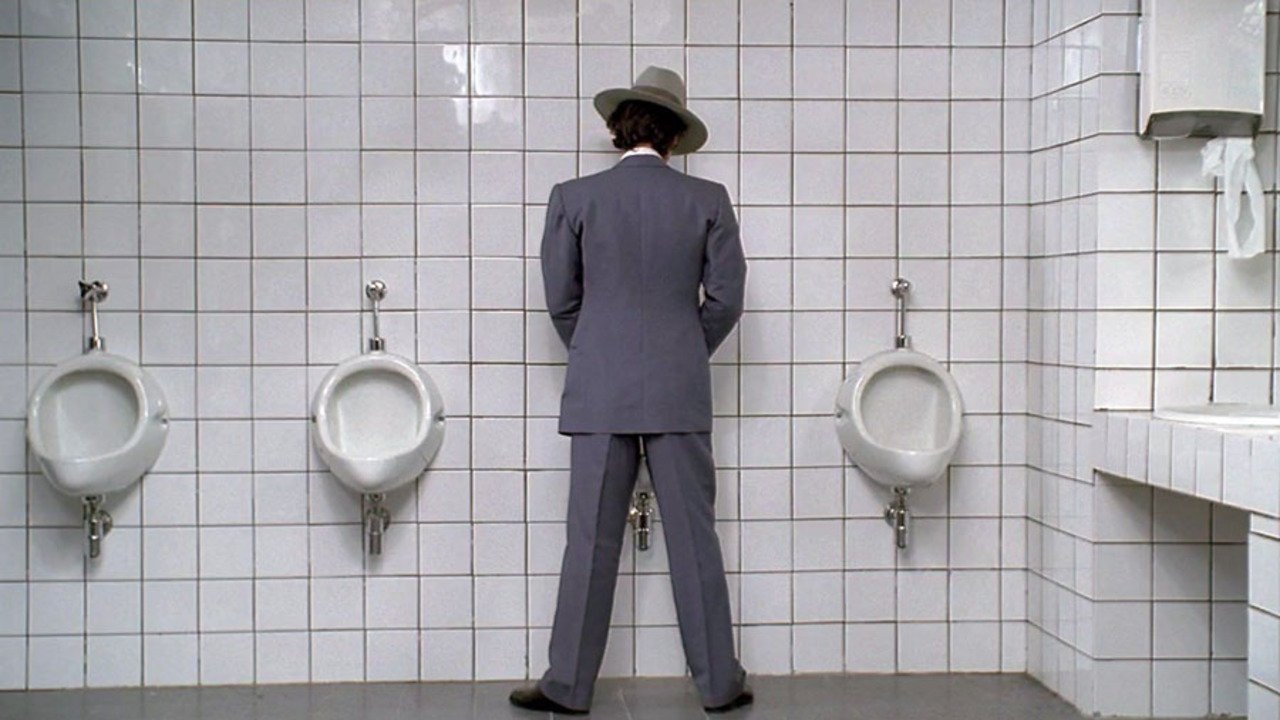
Rating: 8/10
Justification: While perhaps not possessing the complex layers of Benigni's later Oscar-winner, Johnny Stecchino is a near-perfect execution of high-concept farce, anchored by a tour-de-force dual performance. Its massive success in Italy speaks volumes. The humour lands consistently, the supporting cast shines, and its unique blend of innocence and danger remains utterly charming. It loses a couple of points perhaps for the niche appeal outside Italy and a slightly less impactful third act compared to the brilliant setup, but it's a joyous cinematic ride.
Final Take: Johnny Stecchino is pure, distilled Benigni mania captured on tape – a hilarious, inventive, and wonderfully physical comedy that feels like a delightful secret shared among discerning VHS hunters. A banana-fueled trip into organised crime you won't soon forget.