Alright, settle in, grab your beverage of choice, and let’s rewind the tape back to 1985. Barely a year after the first Police Academy blindsided everyone by becoming a box office smash, the call went out – get those crazy cadets back on the beat, stat! The result? Police Academy 2: Their First Assignment, a sequel churned out with the kind of speed that defined 80s franchise filmmaking. Popping this tape into the VCR back in the day felt less like a gamble and more like a guarantee of familiar, goofy chaos.
### Hitting the Streets, Hard
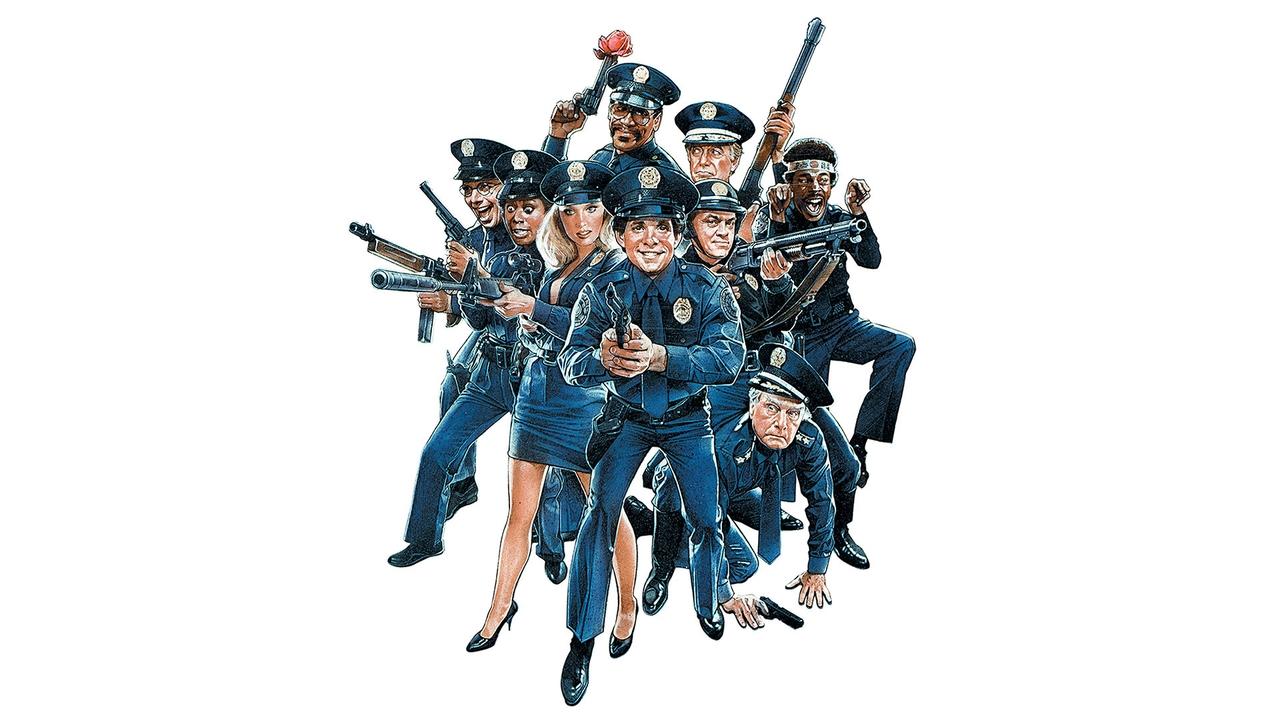
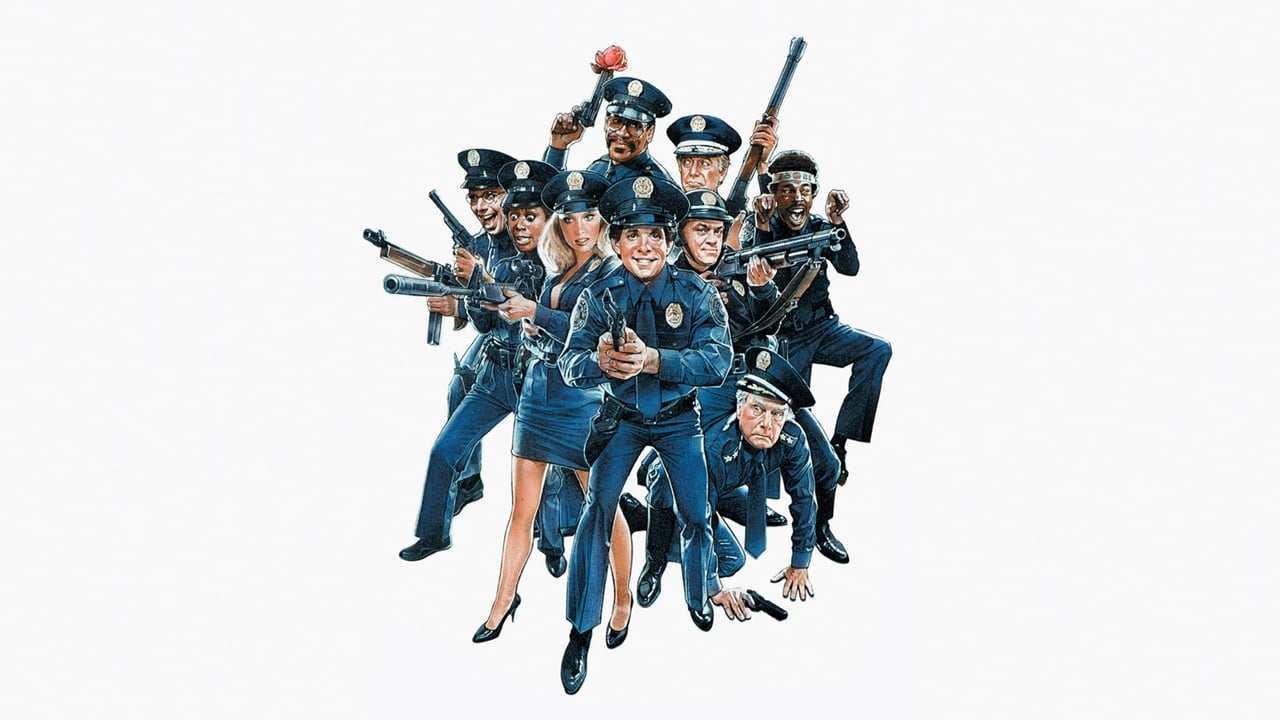
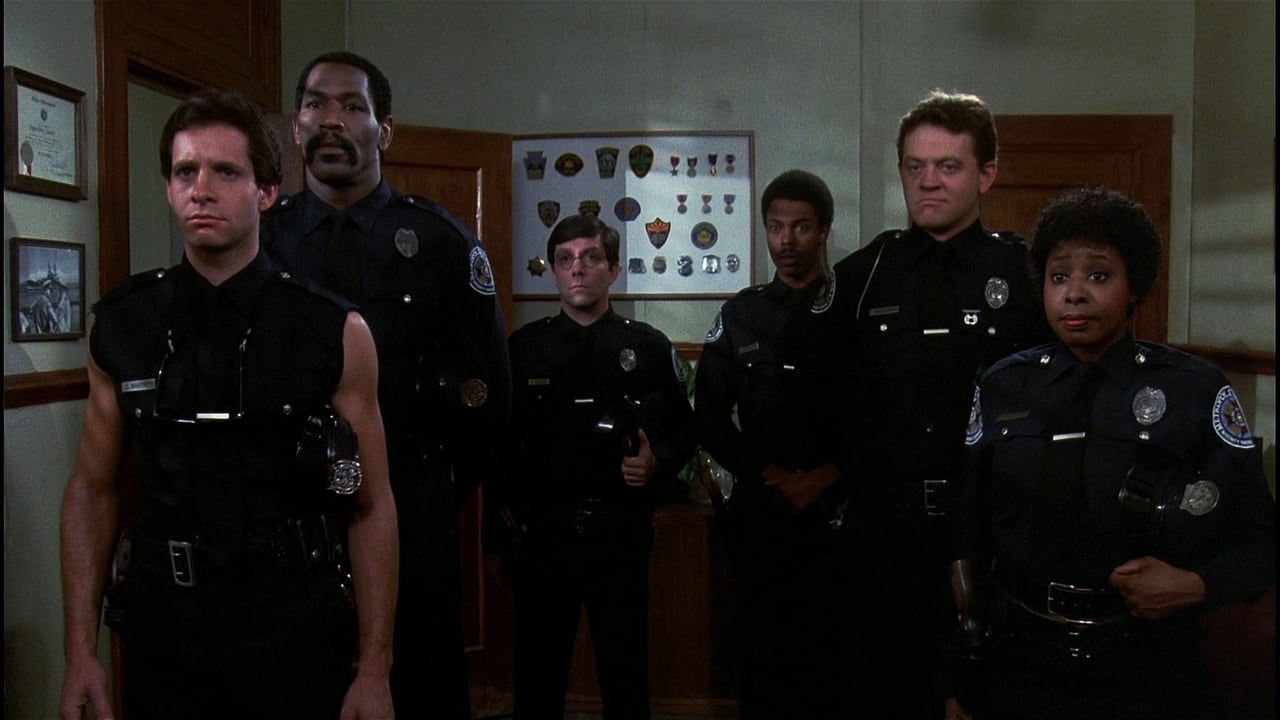
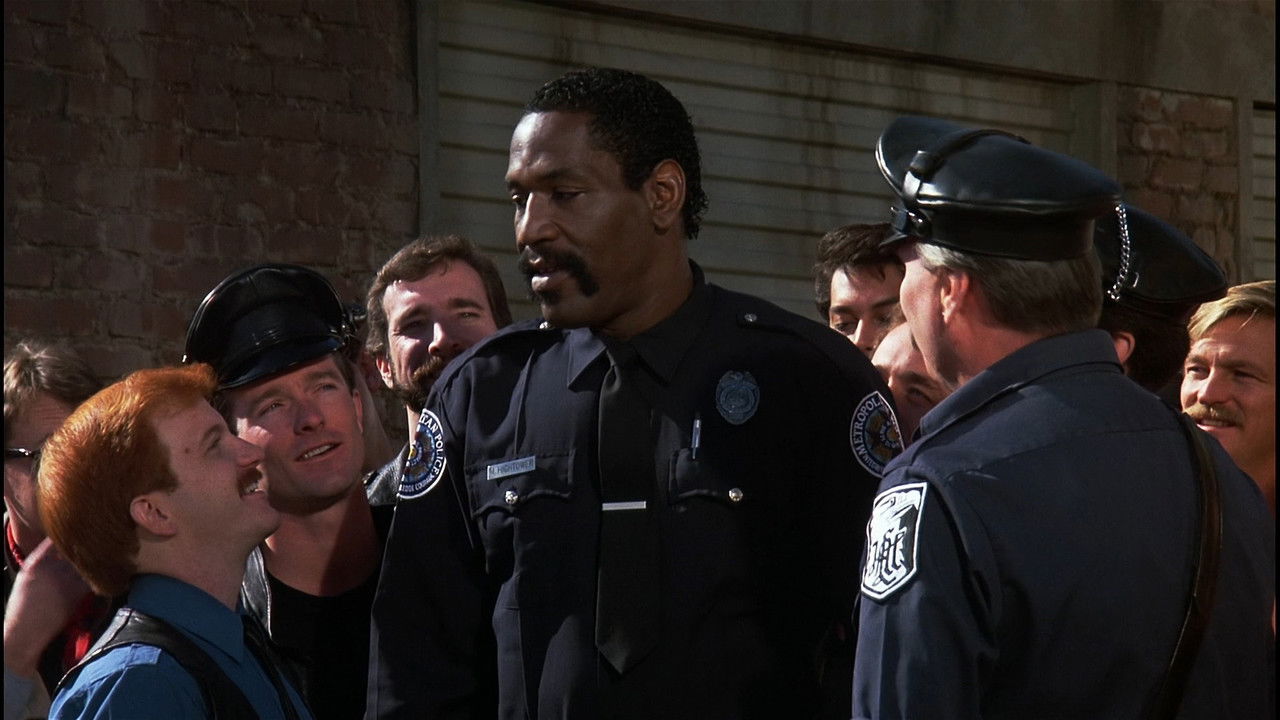
This time, Mahoney (Steve Guttenberg, still radiating that infectious smart-aleck charm), Hightower (Bubba Smith, whose gentle giant routine never got old), Tackleberry (David Graf, gloriously unhinged), Jones (Michael Winslow, the man of 10,000 sound effects), and the rest of the gang aren't recruits anymore. They're hitting the mean streets of the 16th precinct, arguably the roughest district in the city, run by the Commandant's perpetually flustered brother, Captain Pete Lassard (Howard Hesseman, bringing his signature weary cool from WKRP in Cincinnati). The problem? A local gang of anarchic weirdos led by the truly unforgettable Zed.
And let's be honest, Zed is arguably the sequel's secret weapon. Bobcat Goldthwait, in a role that felt like it crash-landed from another dimension, delivers a performance that’s less acting and more a raw nerve exposed. That screeching, twitching, poetry-spewing maniac became an instant, bizarre icon of 80s comedy. Word is, much of Zed's unique delivery and mannerisms were pure Goldthwait improvisation – you certainly couldn't script that kind of glorious strangeness. He feels dangerous in a way the film’s actual villains rarely do.
### The Sitcom Beat
If the first film felt like a raunchy campus comedy, Their First Assignment often plays like a big-screen sitcom, which makes perfect sense when you look behind the camera. It was directed by Jerry Paris, a veteran helmer of classic TV comedies like Happy Days and The Dick Van Dyke Show. Sadly, this would be Paris's final directorial effort, as he passed away not long after its completion. His influence is clear; the film leans heavily into recurring character gags and episodic set pieces. You know Tackleberry will overreact with excessive force, Jones will make precisely the right (or wrong) sound effect, and Mahoney will pull a fast one on the resident authority figure.
Speaking of authority figures, this installment introduced Lt. Mauser, played with slimy ambition by Art Metrano. He steps into the antagonistic role vacated by G.W. Bailey's Captain Harris (who’d return later). Metrano makes Mauser suitably hateable, a perfect foil for Mahoney's pranks – the glued-eyebrows gag is still a classic bit of slapstick agony. Tragically, Metrano suffered a severe home accident just a few years later in 1989, falling from a ladder, which significantly impacted his career. Seeing him here in his prime adds a layer of poignancy on rewatch.

### Assembly Line Antics
The screenplay comes courtesy of Barry W. Blaustein and David Sheffield, both hot off Saturday Night Live at the time (they'd later pen Coming to America). You can feel that SNL sketch-comedy energy – identify the character trait, repeat the gag with slight variations. It lacks the (relative) nuance of the original's underdog story, opting instead for a relentless barrage of jokes, some hitting the mark, others whiffing entirely. Remember the sheer absurdity of the street gang's hideout looking like a low-rent version of a post-apocalyptic theme park?
Despite the critical drubbing these sequels usually received (and PA2 was no exception), audiences didn't care. Made for a reported $7.5 million, Their First Assignment raked in over $55 million domestically (that’s like $150 million today!), proving the formula was still potent. It cemented Police Academy as a genuine franchise phenomenon, paving the way for... well, a lot more sequels, each chasing diminishing returns. The speed was astonishing – this hit cinemas just 12 months and change after the first one! It felt like these things were practically being filmed back-to-back, a common tactic for studios eager to strike while the iron was hot.
The film carries an R-rating, which feels almost quaint now. Compared to the first film's more deliberate raunchiness, the 'R' here seems mostly for language and Zed's general unsettling vibe. It's certainly rougher around the edges than the increasingly family-friendly sequels that followed, giving it a slightly grittier, if still cartoonish, feel. Watching it on a fuzzy VHS, the slightly grimy look of the city streets (often Toronto standing in for generic Anytown, USA) felt oddly appropriate.
### Graduation Day Verdict
Look, nobody's mistaking Police Academy 2: Their First Assignment for high art. It’s formulaic, repetitive, and relies heavily on the groundwork laid by its predecessor. But does it deliver the laughs? Intermittently, yes. Does it feature iconic characters doing their thing? Absolutely. Is it a perfect time capsule of rapid-fire 80s sequel culture? You bet. The charm of Guttenberg, the unique talents of Winslow, the imposing presence of Smith, the gun-nut mania of Graf, and the sheer alien weirdness of Goldthwait make it undeniably watchable, even now. My own worn-out tape probably got the most rewinds during Zed's "poetry" readings and any scene involving Jones's vocal wizardry.
Rating: 6/10
The score reflects what it is: a competent, often funny, but ultimately derivative sequel that leans hard on its characters and delivers exactly the kind of lowbrow, gag-driven comedy audiences craved from the franchise in 1985. It’s not as fresh as the original, but Zed alone bumps it up a notch.
Final Thought: It’s the cinematic equivalent of fast food – quickly made, maybe not that good for you, but sometimes it just hits the spot, especially when you’re nostalgic for that specific, chaotic 80s flavor.