Alright, fellow tapeheads, let’s rewind to a time when video store shelves held treasures far stranger than anything streaming algorithms could conjure. Imagine browsing the comedy section, past the predictable blockbusters, and stumbling upon that cover: a slightly crazed-looking clown, maybe holding a bottle. You squint. Shakes the Clown (1991). Intrigued? Apprehensive? Maybe both? That was the magic of discovery, and Shakes is the kind of gloriously grimy, undeniably weird discovery that could only have thrived in the VHS underground. Forget feel-good family fun; this is the cinematic equivalent of finding a half-eaten, whiskey-soaked birthday cake in an alley.
### Welcome to Palukaville (Please Wipe Your Feet)
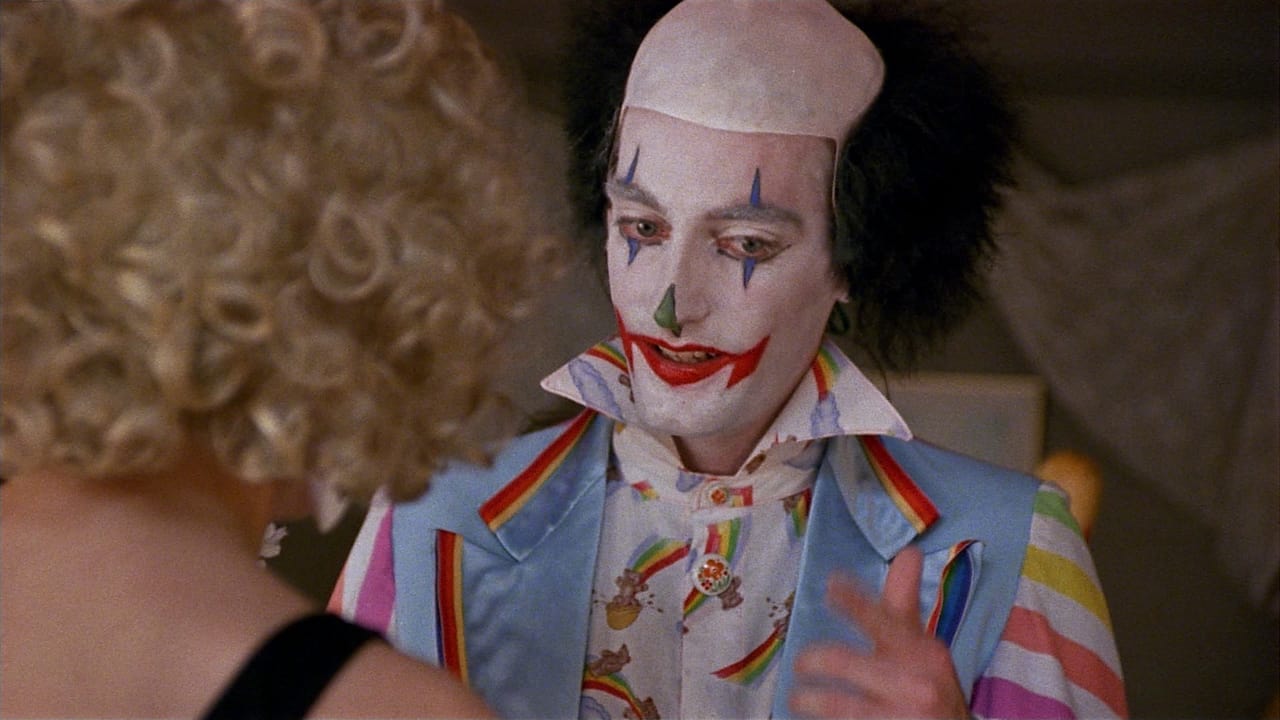
Directed, written by, and starring the uniquely abrasive Bobcat Goldthwait, Shakes the Clown isn’t just about clowns; it takes place in a world where clowns are a distinct, down-and-out subculture. Think less big tops and birthday parties, more sticky-floored bars and bitter rivalries. Our “hero,” Shakes (Goldthwait himself, channeling his trademark gravelly-voiced angst), is a children's party clown struggling with severe alcoholism, blackouts, and the general misery of entertaining bratty kids while nursing a killer hangover. His life takes a nosedive when his boss turns up dead, and Shakes, thanks to a blackout and a conveniently planted clown nose, becomes the prime suspect.
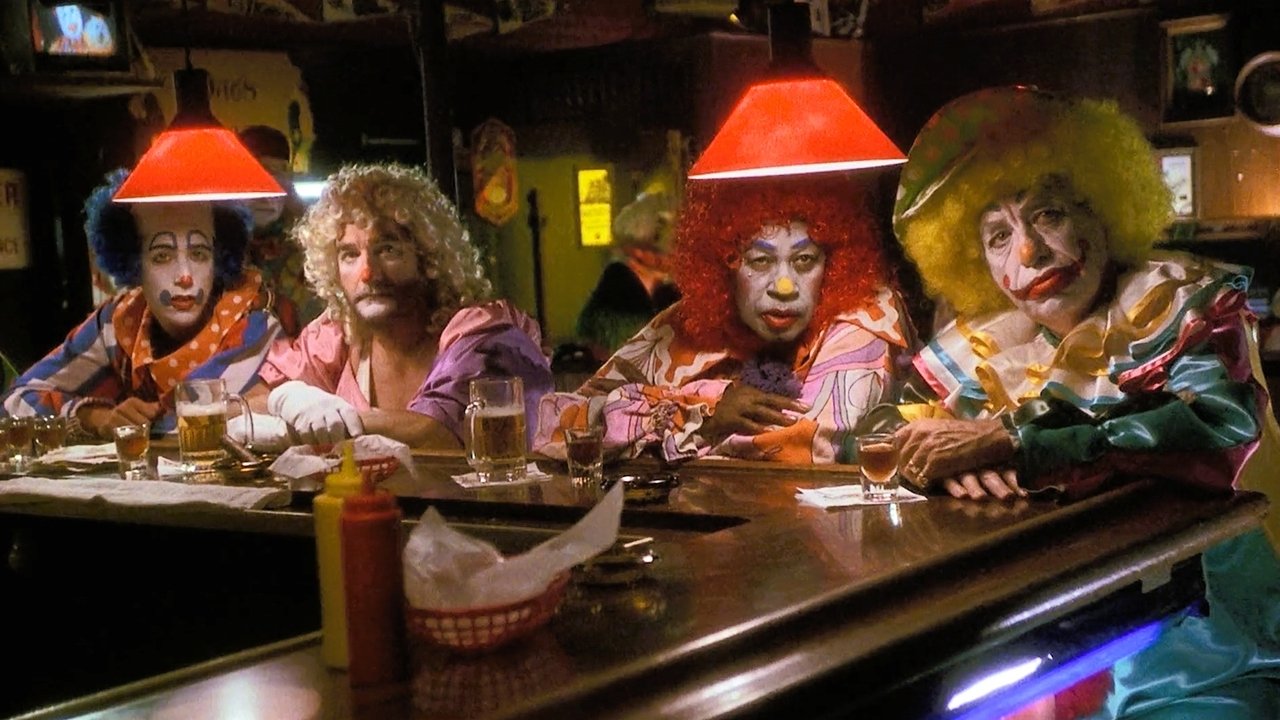
It's a premise so bizarre it borders on genius, or perhaps madness. Goldthwait, known for his agitated stand-up persona, doesn't soften his edges here. He plunges us into a cynical, low-rent world populated by birthday clowns, rodeo clowns, and even menacing mimes. Forget the bright primary colors you associate with clowns; Palukaville is painted in shades of stale beer and desperation. The film famously earned the moniker "The Citizen Kane of alcoholic clown movies," a backhanded compliment often attributed to critics at the time (though its exact origin is debated), which perfectly captures its strange blend of lowbrow antics and surprisingly bleak subject matter.
### A Cavalcade of Creasepaint Characters
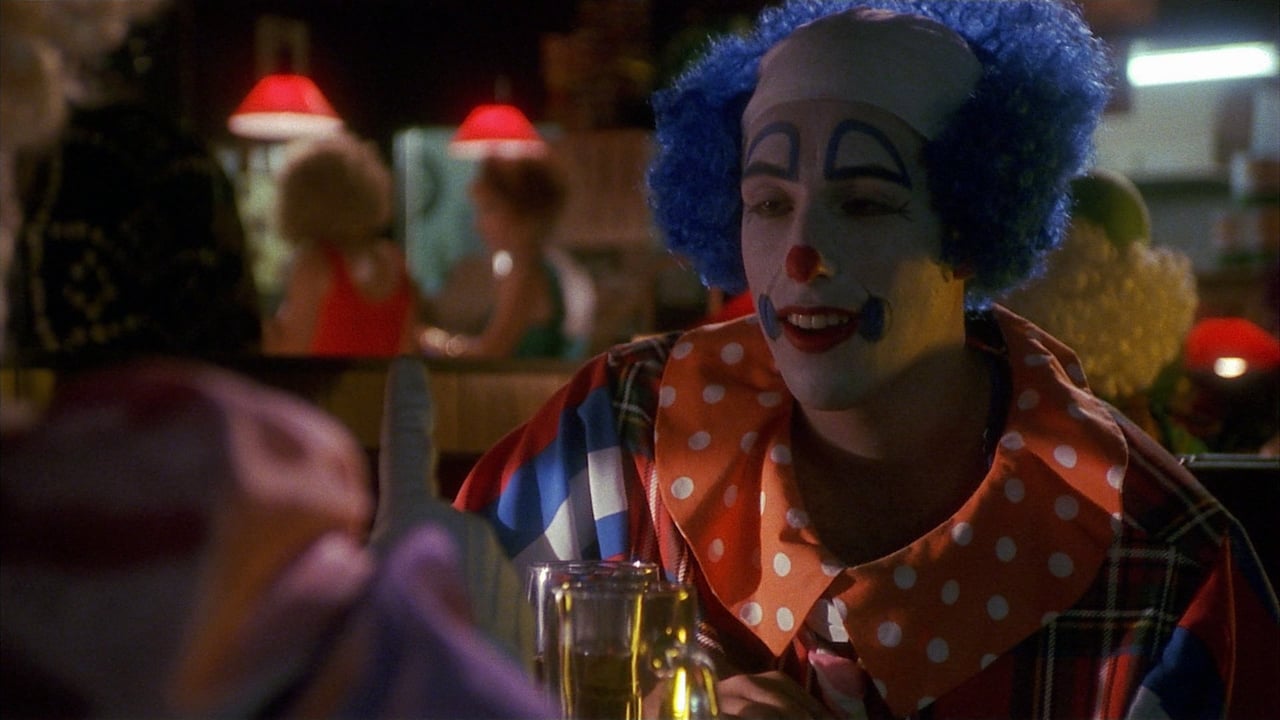
Goldthwait carries the film with his signature jittery energy, making Shakes pathetic but somehow still rootable. Surrounding him is a fantastic cast of familiar faces embracing the absurdity. Julie Brown (yes, that Julie Brown from MTV and Earth Girls Are Easy) plays Judy, Shakes' supportive girlfriend who dreams of becoming a professional bowler – a subplot that feels perfectly, weirdly mundane amidst the clown chaos. Blake Clark, a stand-up stalwart you’ll recognize from countless comedies (often alongside Adam Sandler), is hilariously obnoxious as Shakes' cocaine-addicted clown rival, Stenchy.
And the cameos! Keep your eyes peeled. That creepy mime instructor, Mime Jerry? That’s none other than Robin Williams, uncredited but unmistakable, delivering a hilariously disturbing performance. Williams was a good friend of Goldthwait's, and his willingness to jump into such a strange, small film speaks volumes about their camaraderie. Spotting other comedians like Adam Sandler and Kathy Griffin in early, small roles adds another layer of retro fun for comedy nerds.
### The Grimy Charm of Low-Budget Filmmaking
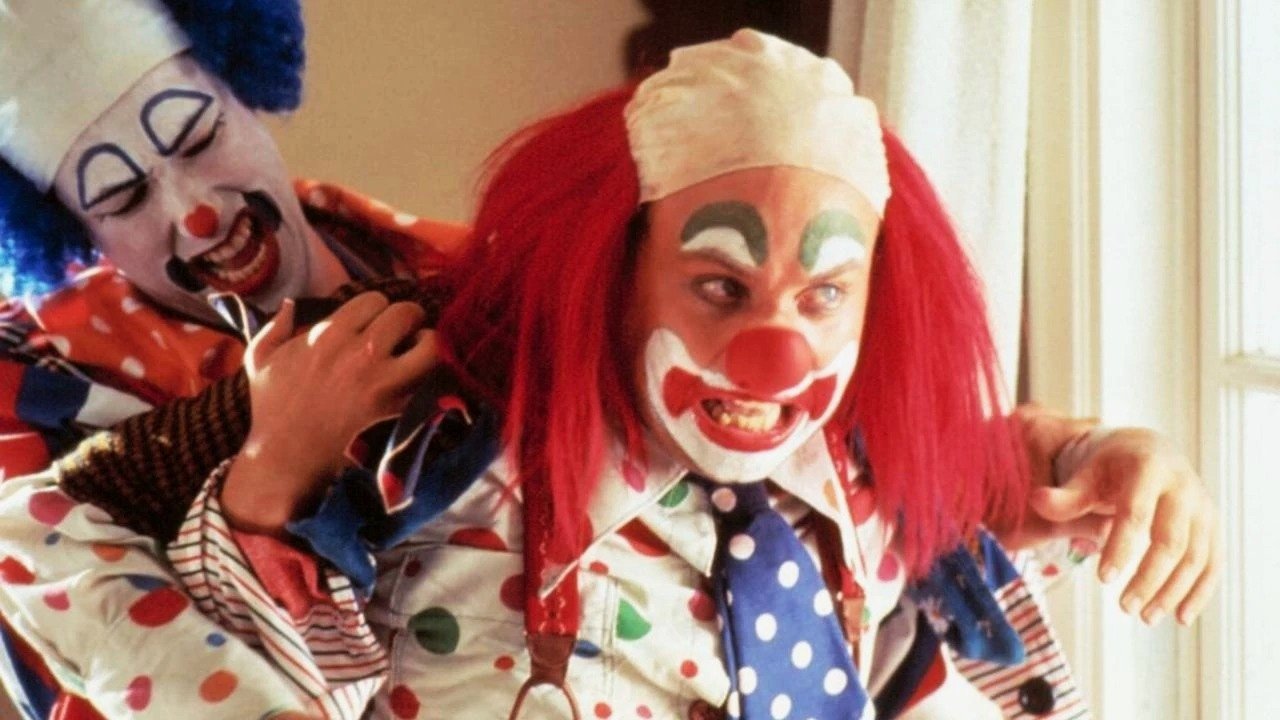
Forget slick production values. Shakes feels raw, shot on a shoestring budget (reportedly around $1.4 million) that actually enhances its gritty atmosphere. The clown bars look genuinely depressing, the party scenes feel authentically awkward, and the clown makeup itself becomes a key practical effect, defining these sad-sack performers. There's no digital gloss here; it feels tangible, like you could smell the stale cigarettes and cheap greasepaint. This wasn't a film designed for broad appeal; it tanked at the box office, pulling in barely over $100,000. Its life truly began on VHS, passed around among fans who appreciated its defiant weirdness.
Goldthwait has spoken about drawing inspiration from the less glamorous side of the stand-up comedy world he inhabited – the competition, the substance abuse, the desperation lurking beneath the forced smiles. You feel that authenticity, filtered through the surreal lens of clown culture. The film courted controversy, naturally. Mixing the iconography of childhood entertainment with alcoholism, drug use, and murder didn't sit well with everyone in 1991, leading to bewildered reviews and limited distribution. But for those on its wavelength, its dark humor and utter refusal to compromise were precisely the appeal.
### Coulrophobia or Cult Classic?
Is Shakes the Clown a masterpiece? Probably not in the traditional sense. It’s messy, uneven, and its humor is relentlessly dark and often juvenile. But is it fascinating? Absolutely. It’s a singular vision from a unique comedic voice, a time capsule of early 90s indie cynicism wrapped in the most unlikely packaging imaginable. Watching it feels like uncovering a secret artifact from the back shelves of the video store, something made for a niche audience who appreciated comedy that wasn't afraid to be ugly, uncomfortable, and deeply strange. Remember how finding something this odd felt like a badge of honor back then?
It’s the kind of film that filters audiences effectively: you’ll either be completely repulsed or utterly charmed by its sheer audacity. There’s really no in-between with Shakes.
VHS Heaven Rating: 6/10
Justification: It's undeniably a cult film with a unique premise and some genuinely funny, dark moments, elevated by committed performances and Goldthwait's singular vision. However, its bleakness, uneven pacing, and deliberately abrasive style make it a challenging watch that hasn't aged gracefully for everyone. The low score reflects its niche appeal and rough edges, while acknowledging its status as a fascinating, flawed artifact of its time.
Final Thought: Shakes the Clown is pure, uncut, early 90s counter-culture concentrate poured into a greasepaint-stained bottle – definitely not for kids' parties, but a bizarrely compelling chaser for anyone nostalgic for the days when comedies dared to be truly weird.