Alright, fellow tapeheads, settle in. Sometimes, digging through those dusty stacks at the back of the rental store yielded something… unexpected. Not your typical Stallone shoot-'em-up or John Hughes teen angst flick, but a curious import with a bizarre cover and a title that just begged the question: what is this? That's exactly the vibe I get remembering stumbling upon 1984's Nothing Left to Do But Cry (Non ci resta che piangere), a film that feels like a delightful, slightly surreal fever dream cooked up by two of Italy's most beloved comedic minds.
### Lost in Time, Found in Laughter
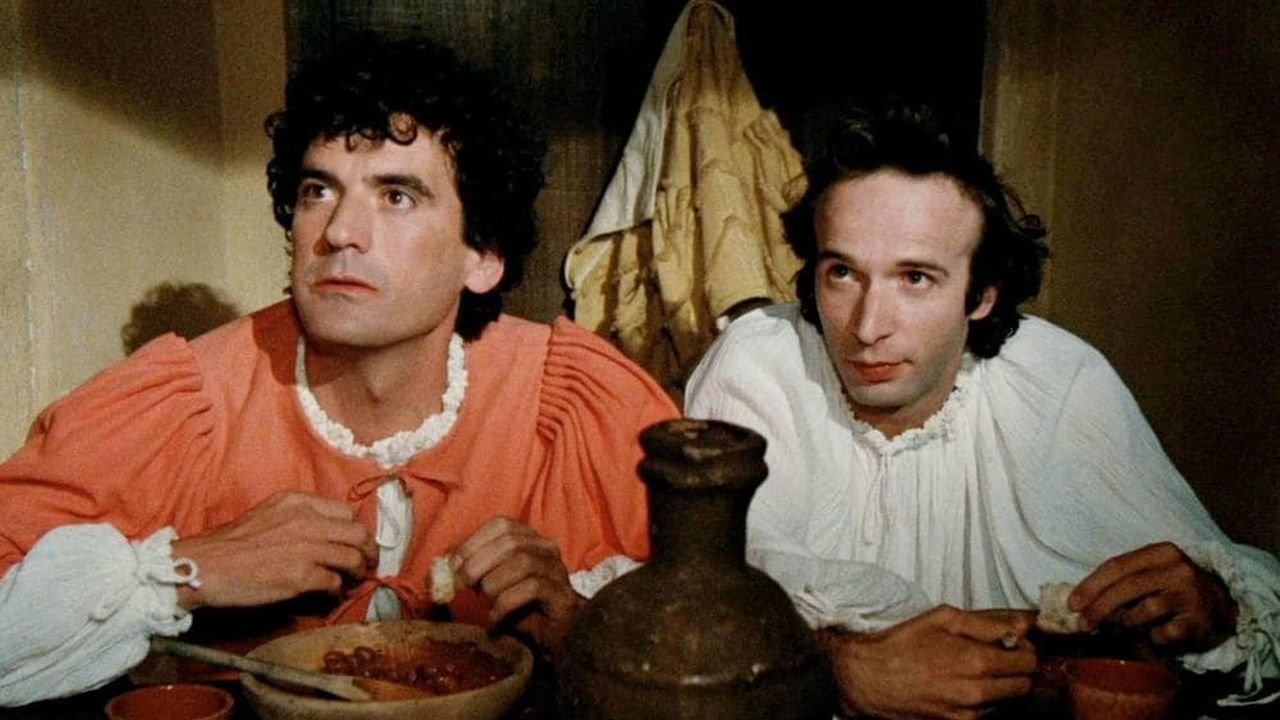
Imagine this: you're stuck at a railroad crossing in the pouring rain, somewhere in the Tuscan countryside. You're Mario (Massimo Troisi), a quiet school caretaker, and your pal is Saverio (Roberto Benigni), a more boisterous teacher. Frustrated, you find shelter in a seemingly abandoned inn, only to wake up... in the year 1492. No DeLorean, no flux capacitor, just bewildered confusion and the dawning realisation that you're centuries out of place. That’s the brilliantly simple, yet utterly bonkers, premise that launches this comedic odyssey.
Forget complex time-travel mechanics; the 'how' is irrelevant. The genius here lies purely in the reactions of Mario and Saverio, played with masterful chemistry by the late, great Massimo Troisi (who sadly passed away just before Il Postino cemented his international fame) and the irrepressible Roberto Benigni (long before his Oscar win for Life is Beautiful). They co-wrote and co-directed this venture, and their collaborative spirit shines through. It feels less like a rigidly scripted film and more like watching two comedic geniuses riffing off each other, trapped in the most absurd situation imaginable.
### When Modern Neuroses Meet the Renaissance
The humour stems from the clash of cultures – not just modern vs. Renaissance, but the distinct personalities of our two leads. Troisi's Mario is melancholic, bewildered, constantly worried about the practicalities (like paying with useless Lire). Benigni's Saverio, meanwhile, sees opportunity. His grand plan? Stop Christopher Columbus from discovering America, thereby preventing future woes like his sister marrying an American! It's delightfully absurd logic, typical of Benigni's energetic, almost Chaplinesque screen persona.
Their interactions with the 15th-century locals are priceless. There’s the attempt to explain basic concepts like traffic lights or the sheer terror of a medieval butcher shop. One particularly famous sequence involves them trying to write a pleading letter to the fiery preacher Savonarola, getting hilariously bogged down in Renaissance formalities and their own modern anxieties. It's a scene reportedly born from heavy improvisation between the two leads, showcasing their natural comedic timing. You can almost feel the energy they brought to the set, bouncing ideas off each other. Co-writer Giuseppe Bertolucci (brother of the famed director Bernardo) must have had his hands full trying to keep up!
### A Labour of Love (and Laughter)
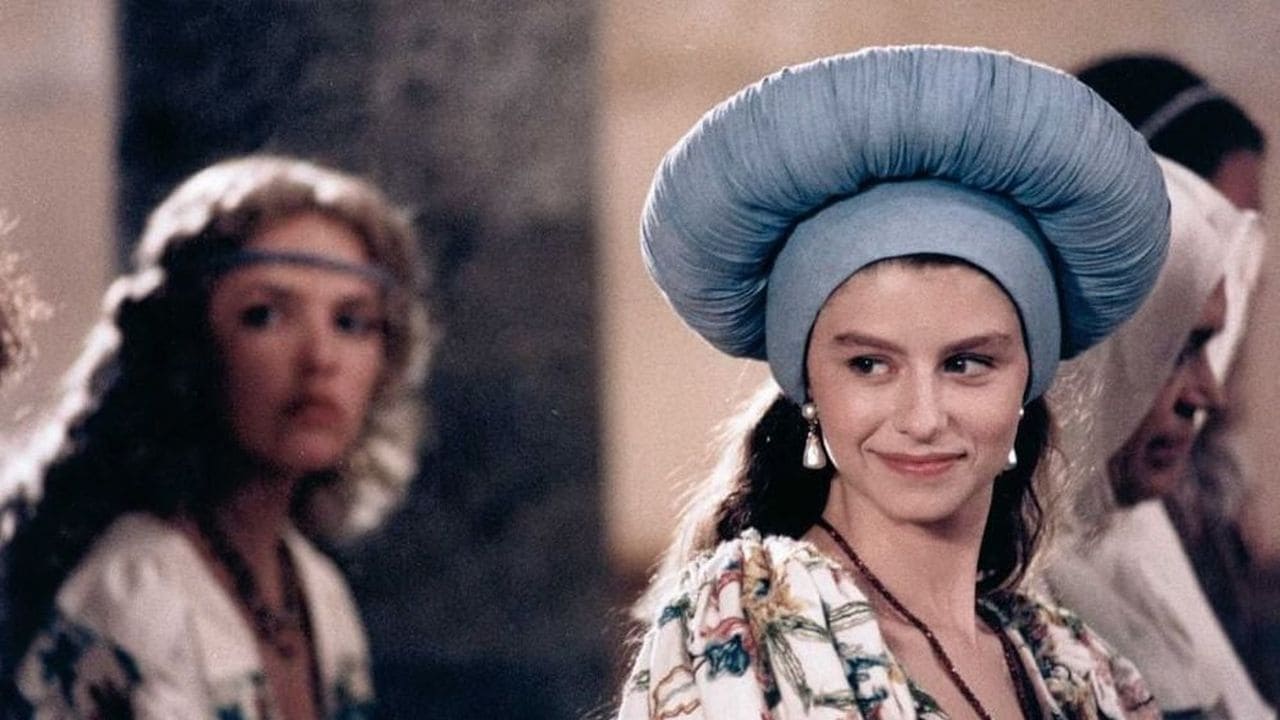
You can tell this film was made with affection, even if it doesn't have the slick polish of Hollywood productions from the same era. The recreation of 15th-century Italy feels grounded, tangible – filmed largely on location in Tuscany and Lazio, it adds a layer of authenticity that makes the comedic displacement even funnier. There’s a charming, almost handmade quality to it, reminiscent of watching a well-loved tape where the picture isn't quite perfect, but the heart is all there. The supporting cast, including a young Amanda Sandrelli as a potential love interest, plays their roles effectively, acting as perfect foils to the bewildered time travellers.
Interestingly, the film was a colossal success in Italy upon release, becoming one of the highest-grossing films of the season. Yet, outside of Italy, it remained relatively unknown for years, often discovered by cinephiles through specialty video stores or film festivals. It’s a perfect example of a film that resonated deeply within its own culture but took time to find its international footing. Reportedly, Benigni and Troisi even toyed with the idea of a sequel where they'd travel even further back, but sadly, Troisi's tragic passing in 1994 put an end to those plans.
### Finding the Funny Side of History
Nothing Left to Do But Cry isn't about historical accuracy; it's about human reaction, friendship, and finding humour in the utterly bizarre. The sequence where they encounter Leonardo da Vinci is pure comedic gold, reducing the Renaissance master to a bewildered figure struggling with their baffling 'modern' ideas. It lampoons the 'great man' theory of history with playful irreverence. Does it feel dated in parts? Sure, some of the pacing or specific jokes might land differently now, but the core charm and the brilliant interplay between Benigni and Troisi remain timeless.
It lacks the pyrotechnics or high-octane chases we often crave from 80s VHS favourites, but its comedic energy is infectious. It’s a film built on character, dialogue, and situational absurdity, a testament to the unique talents of its creators. Watching it feels like uncovering a hidden gem, a quirky European cousin to the American time-travel comedies of the era.
VHS Heaven Rating: 8/10
Justification: The sheer comedic brilliance and infectious chemistry between Benigni and Troisi elevate a simple premise into something special. While perhaps a bit culturally specific and visually dated for some, its warmth, cleverness, and moments of pure inspired absurdity make it a standout. It earns points for originality, heart, and providing genuine laughs anchored by two masterful performances. The slight deduction reflects that its appeal might be less universal than some broader comedies of the time.
Final Thought: Forget flux capacitors; sometimes all you need for a memorable trip through time is two bewildered Italians, a rainy night, and a hefty dose of Renaissance confusion. A true cult favourite for those who appreciate character-driven comedy with a wonderfully weird twist.