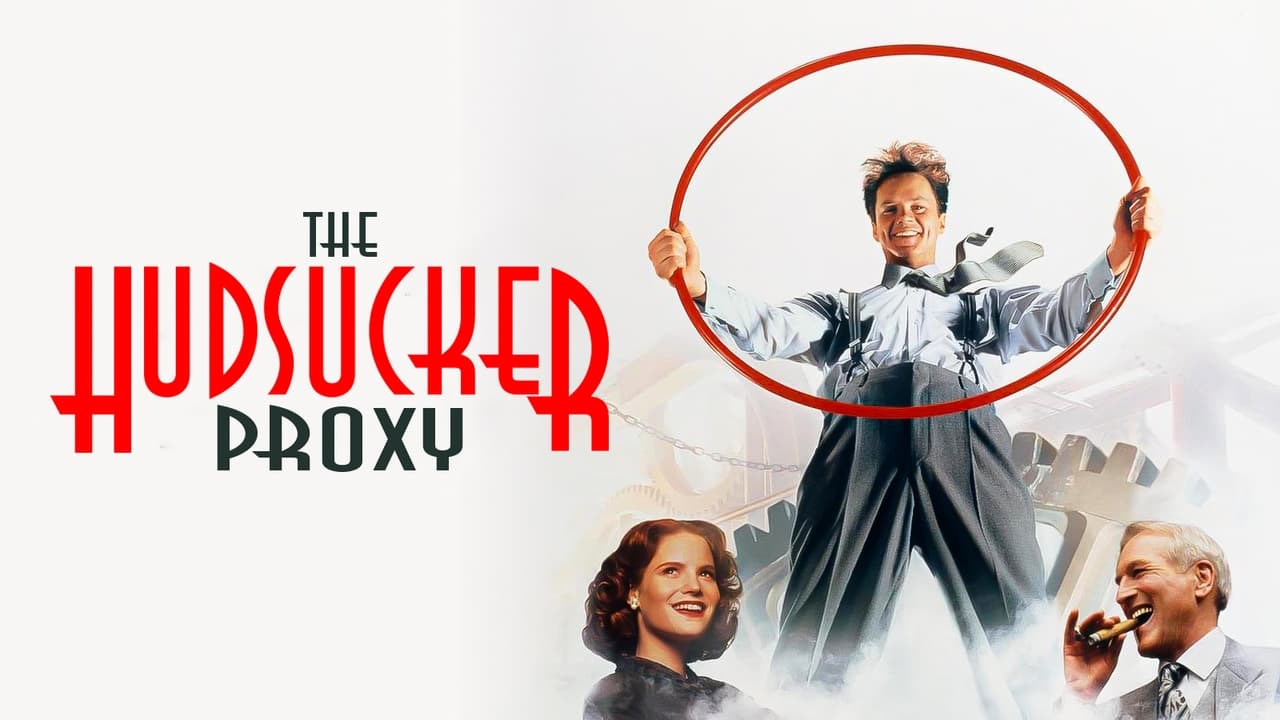
Alright, settle in, maybe crack open a Tab or a Crystal Pepsi if you’ve still got one stashed away. Let’s talk about a movie that landed on video store shelves in the mid-90s like some kind of gorgeous, baffling artifact from an alternate dimension: Joel Coen’s The Hudsucker Proxy (1994). This wasn't your typical slam-bang action flick or easy comedy; pulling this tape off the shelf felt like you were unearthing something… different. And boy, was it ever.
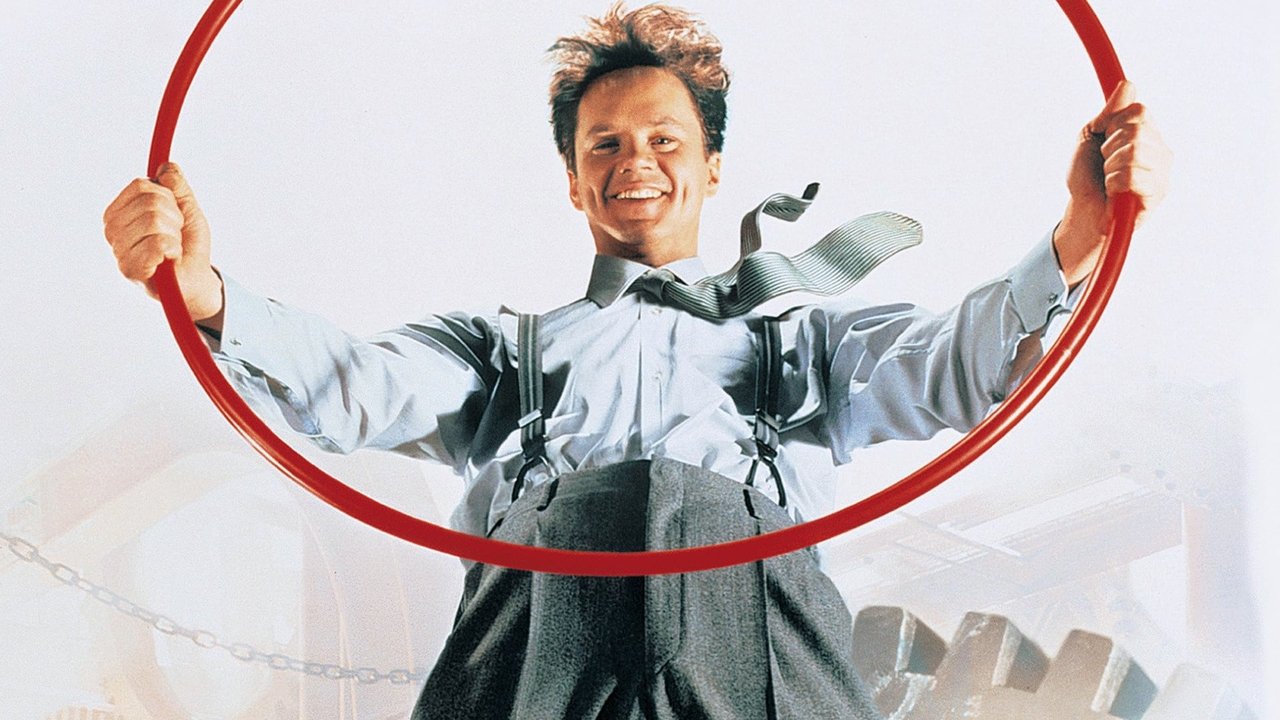
Co-written with brother Ethan Coen and their pal Sam Raimi (yes, that Sam Raimi, fresh off Army of Darkness), the film opens with a vision of 1958 New York City so hyper-stylized it practically hums. Right away, you knew this wasn't just another movie. The sheer scale of the Hudsucker Industries building, a towering art deco monolith rendered through breathtaking model work and matte paintings, signals the film's audacious ambition. Forget CGI skylines; this felt built, tangible, like a mad architect's dream made real on a soundstage.
### Big City, Bigger Ideas (You Know, For Kids!)
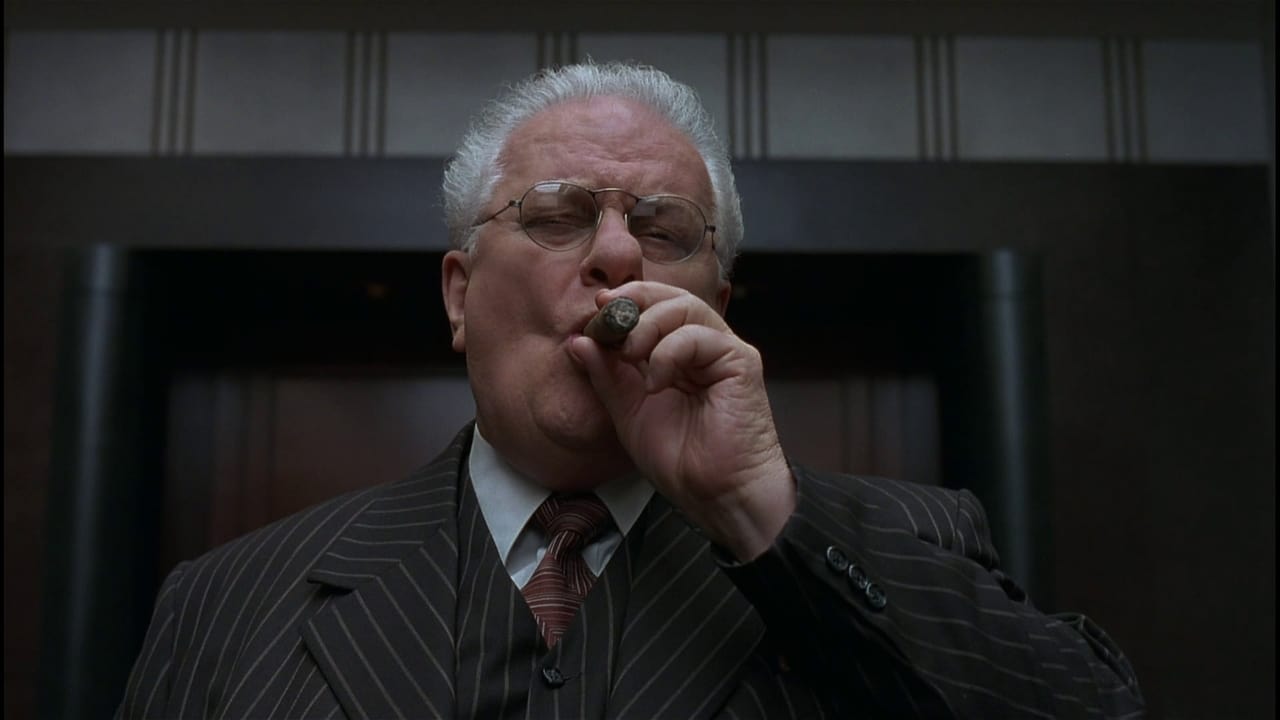
Enter Norville Barnes (Tim Robbins), a fresh-faced graduate from Muncie, Indiana, armed with boundless optimism and a simple, revolutionary design drawn on a napkin. Robbins, who the Coens reportedly had in mind from early on, is pitch-perfect as the guileless pawn in a corporate chess game he doesn't even know he's playing. After the abrupt, window-shattering exit of Hudsucker's founder, the scheming board, led by the deliciously icy Sidney J. Mussburger (Paul Newman), decides to install an idiot CEO to drive down stock prices. Norville, working his first day in the magnificent, cavernous mailroom (a set reportedly so huge it required its own specialized lighting rig), fits the bill perfectly.
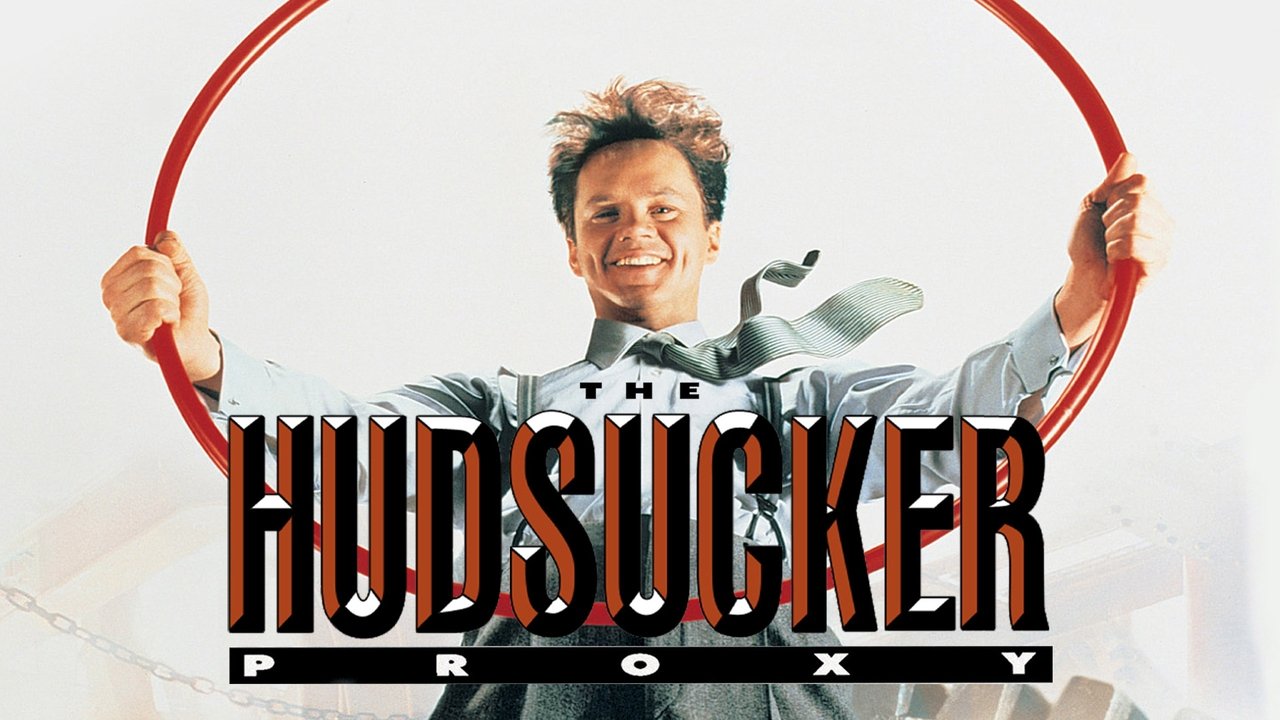
What follows is a whirlwind blend of Capra-esque uplift and cynical corporate satire, filtered through the Coens' unique lens. The plot hinges on Norville's seemingly absurd invention: a simple circle. You know… for kids! The journey of that little plastic hoop becoming a national craze is pure movie magic, a montage bursting with the kind of kinetic energy you’d expect from a script touched by Raimi. It’s easy to see how the script, which the Coens and Raimi actually penned back in the mid-80s after Blood Simple, retained that youthful, almost frantic energy.
### She Talks Fast, He Falls Faster
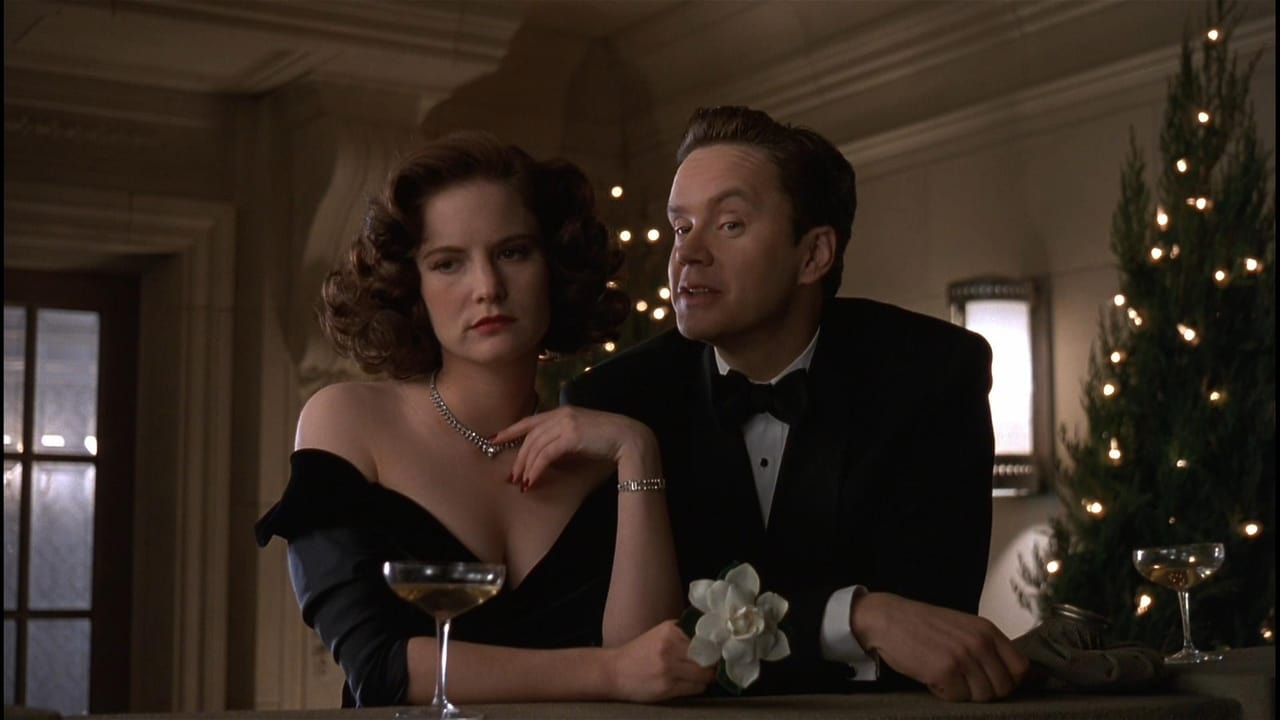
No screwball-inspired tale is complete without a fast-talking dame, and Jennifer Jason Leigh delivers spectacularly as Amy Archer, the hard-boiled, Pulitzer-chasing reporter who suspects Norville isn't the simpleton he appears to be. Leigh channels classic Hollywood heroines like Rosalind Russell in His Girl Friday, spitting dialogue like a machine gun and matching Robbins beat for comedic beat. Their verbal sparring and burgeoning, unlikely romance provide the film's heart amidst the corporate machinery. Finding an actress who could handle that rapid-fire, stylized dialogue was apparently a challenge, with names like Winona Ryder and Bridget Fonda reportedly considered before Leigh nailed the specific cadence the Coens were after.
### The Craft Behind the Comedy
Let's talk about the look of this thing. Cinematographer Roger Deakins, already a frequent Coen collaborator, paints with light and shadow, creating a world that’s both fantastical and grounded in a very specific, heightened reality. But it's the production design by Dennis Gassner (who'd later win an Oscar for Bugsy) that truly steals the show. Those sets! Built primarily at Carolco Studios in Wilmington, North Carolina, they are characters in themselves. The intimidating scale of the boardroom, the dizzying height of the clock tower, the intricate mechanics of the mailroom sorting system – it’s all gloriously practical. Remember the scene where Norville nearly plummets to his doom, only to be saved by… well, you know? The tension feels real because so much of what you're seeing is real, albeit exaggerated for effect. It’s a testament to a time when visual ambition often meant building bigger, not just rendering more pixels.
And having the legendary Paul Newman aboard? A masterstroke. Apparently lured out of semi-retirement by the sharp script and the chance to play against type as the calculating villain, Newman brings effortless gravitas and cool menace to Mussburger. He's the perfect foil to Robbins' wide-eyed Norville.
### A Glorious Misfire?
Despite its pedigree, visual splendor, and stellar cast, The Hudsucker Proxy famously tanked at the box office. With a budget reportedly climbing towards $40 million (including marketing and prints) – a significant gamble for the Coens at the time, translating to over $80 million today – it only scraped back about $2.8 million domestically. Critics were divided, unsure what to make of its peculiar mix of genres and tones. Was it a comedy? A fantasy? A satire? The answer, of course, is yes.
Perhaps it was too strange, too stylized for mainstream audiences in 1994. It didn’t fit neatly into any box on the video store shelf, which might be exactly why finding it felt like uncovering a secret. Watching it on a slightly fuzzy CRT, the grandeur might have been muted, but the sheer imagination shone through.
Rating: 8.5/10
Why the score? The Hudsucker Proxy gets an 8.5 for its breathtaking visual ambition, its masterful practical craft, razor-sharp dialogue, and committed performances. It successfully blends screwball comedy with corporate satire and a touch of Capra-esque magic, creating something wholly unique. It loses a point and a half perhaps for a slightly uneven pace in the middle and for a brand of stylized whimsy that, while deliberate, might not connect with absolutely everyone. But the sheer audacity and artistry on display are undeniable.
Final Thought: The Hudsucker Proxy remains a magnificent, handcrafted oddity – a testament to a time when big budgets sometimes funded wonderfully weird visions, captured forever on glorious, tangible VHS. You know… for fans!