Okay, settle in and let that familiar whirring sound of the VCR transport you back. Remember pulling this one off the shelf? Maybe the slightly lurid cover art, maybe a recommendation from a friend who just had to tell you about this strange, funny, and ultimately heartbreaking Australian film. Muriel’s Wedding wasn't your typical Hollywood gloss, even in 1994. It arrived feeling raw, awkward, and almost uncomfortably real beneath its vibrant, ABBA-fueled surface. What lingers, long after the tape has been ejected, isn't just the cringe comedy or the catchy tunes, but a profound sense of empathy for its deeply flawed, desperately yearning protagonist.
### You Can't Stop the Music (Or Muriel)
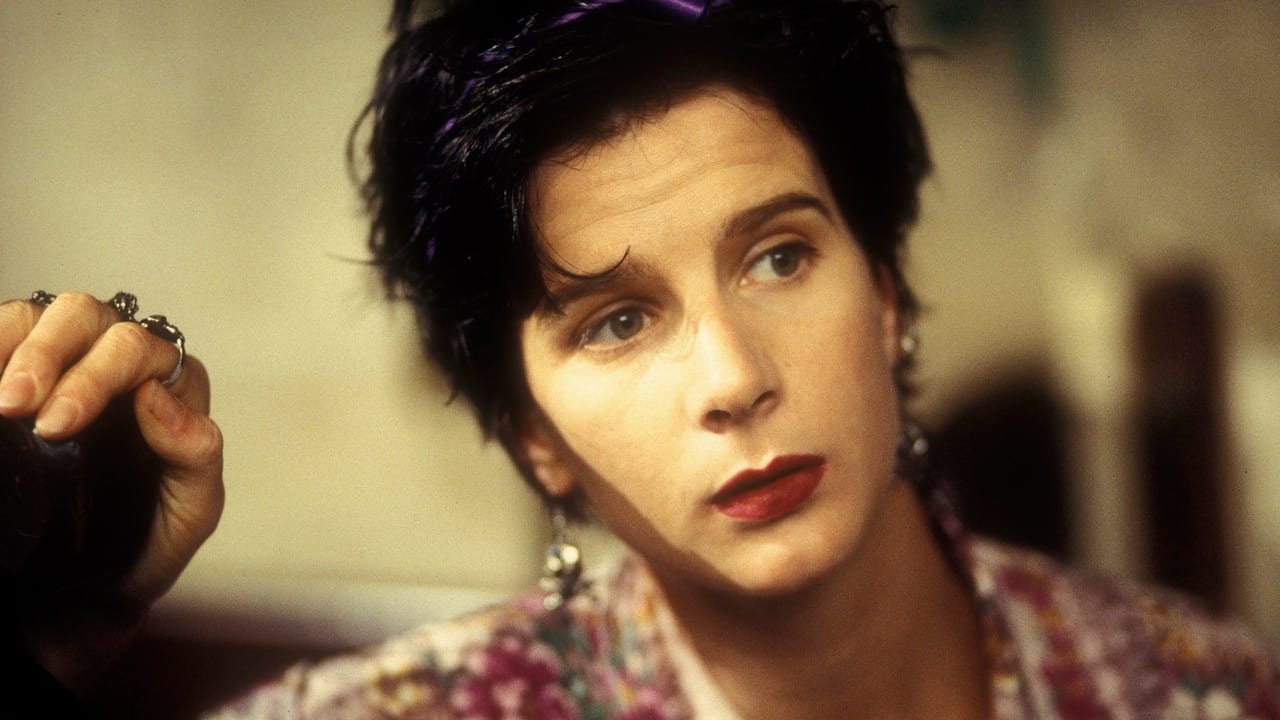
Right from the opening scenes in the stifling, pastel-hued hellscape of Porpoise Spit, we understand Muriel Heslop. Or rather, we understand her profound unbelonging. Played with a transformative lack of vanity by a then relatively unknown Toni Collette, Muriel isn't just socially awkward; she's practically invisible to the clique of "friends" who tolerate her presence only to mock her. Her escape? The shimmering, escapist pop perfection of ABBA and a desperate, all-consuming fantasy of a glamorous wedding – the ultimate validation, she believes, that will finally make her life worthwhile.
Writer-director P.J. Hogan, drawing inspiration from his own family experiences (reportedly modeling Muriel partly on his sister), doesn't shy away from the painful reality of Muriel's situation. Her home life is dominated by the bullying, corrupt local politician father, Bill Heslop (Bill Hunter, in a career-defining performance of blustering awfulness), and a family submerged in quiet desperation. Porpoise Spit itself feels like a character – a sun-drenched prison of suburban mediocrity and casual cruelty. Is there anything more universally resonant than that feeling of being trapped, dreaming of escape?

### Finding Rhonda, Finding Herself?
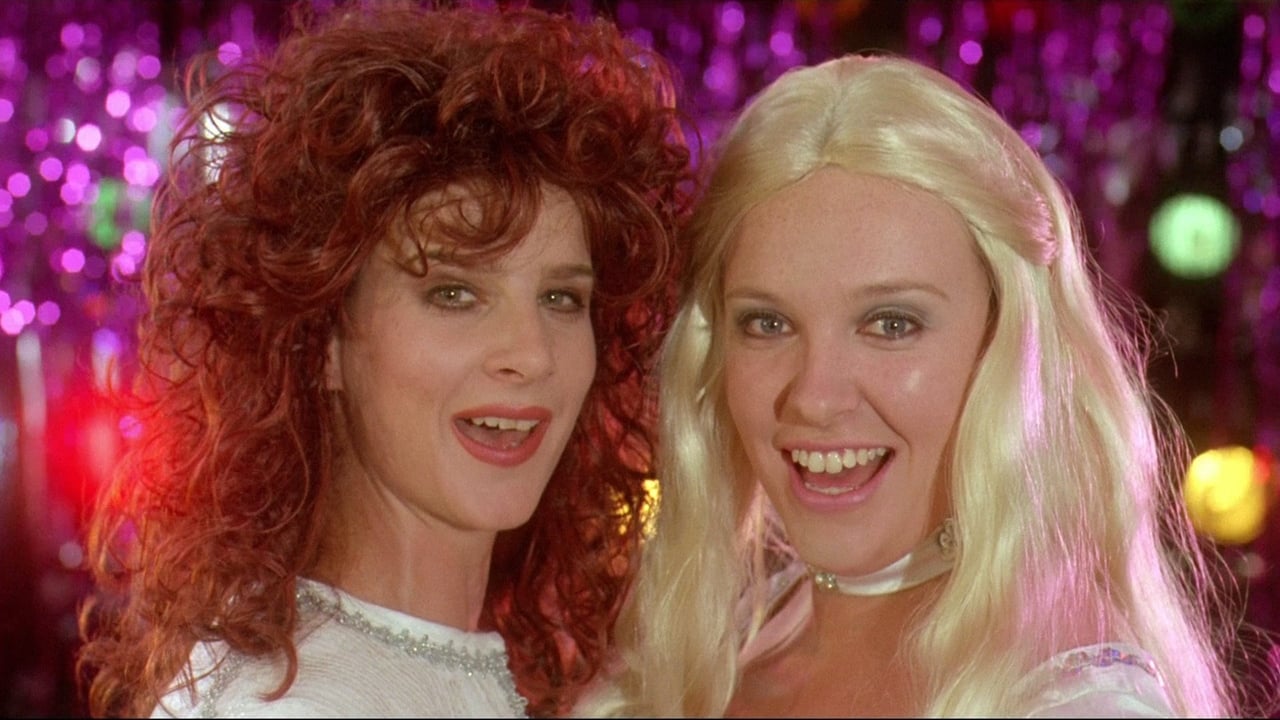
The film truly takes flight when Muriel impulsively embezzles money from her father (well, his client) and follows her fair-weather friends to a tropical resort. It’s there she reconnects with Rhonda Epinstalk, brought to life with electrifying, punk-rock energy by Rachel Griffiths. Their friendship is the film's vibrant, beating heart. Rhonda sees Muriel, really sees her, beneath the awkward exterior and the compulsive lying. Their defiant rendition of "Waterloo" is pure joy, a moment of rebellion against the superficiality they both despise.
Their subsequent move to Sydney represents a shedding of old skins, a chance for Muriel to reinvent herself as 'Mariel'. This section of the film crackles with the energy of newfound freedom, exploring the complexities of female friendship with unusual honesty. Hogan captures the giddy highs and messy realities of navigating young adulthood, far from the suffocating expectations of home. It’s here we learn a fascinating piece of trivia: Toni Collette famously gained over 40 pounds (about 18kg) in just seven weeks for the role, a testament to her commitment to embodying Muriel's physicality and vulnerability. That dedication shines through in every frame.
### The Weight of a Dream
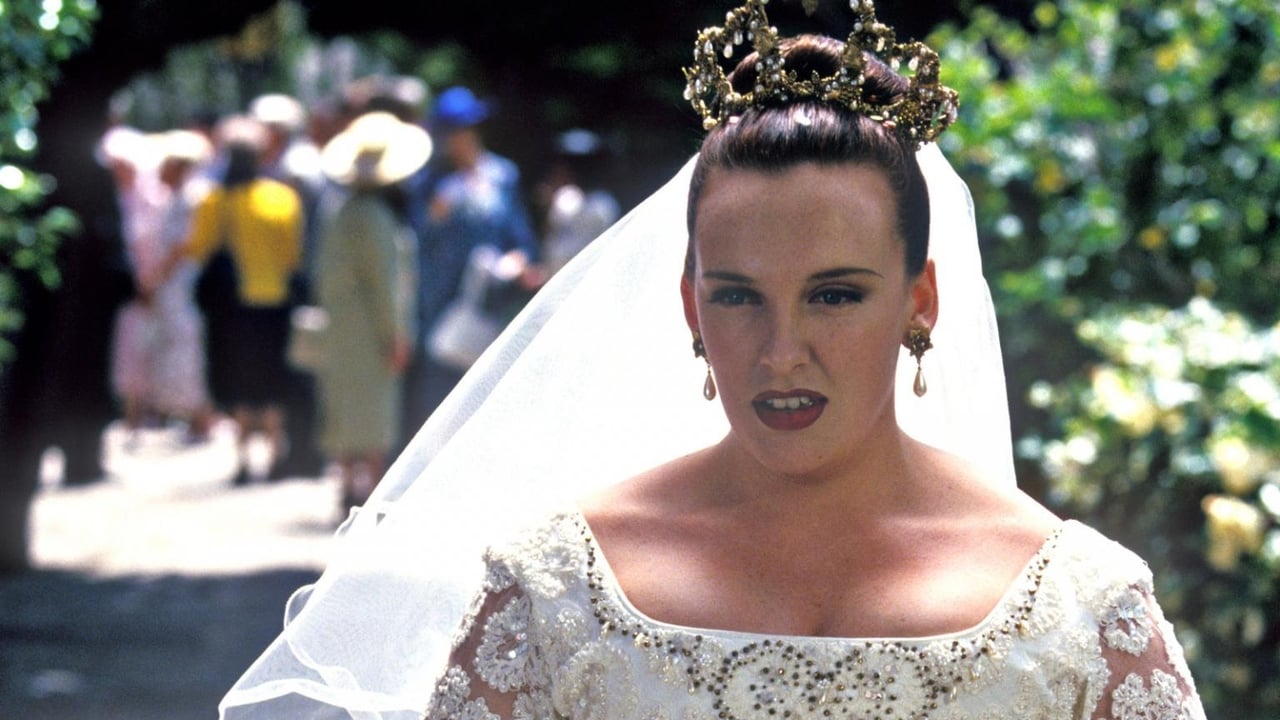
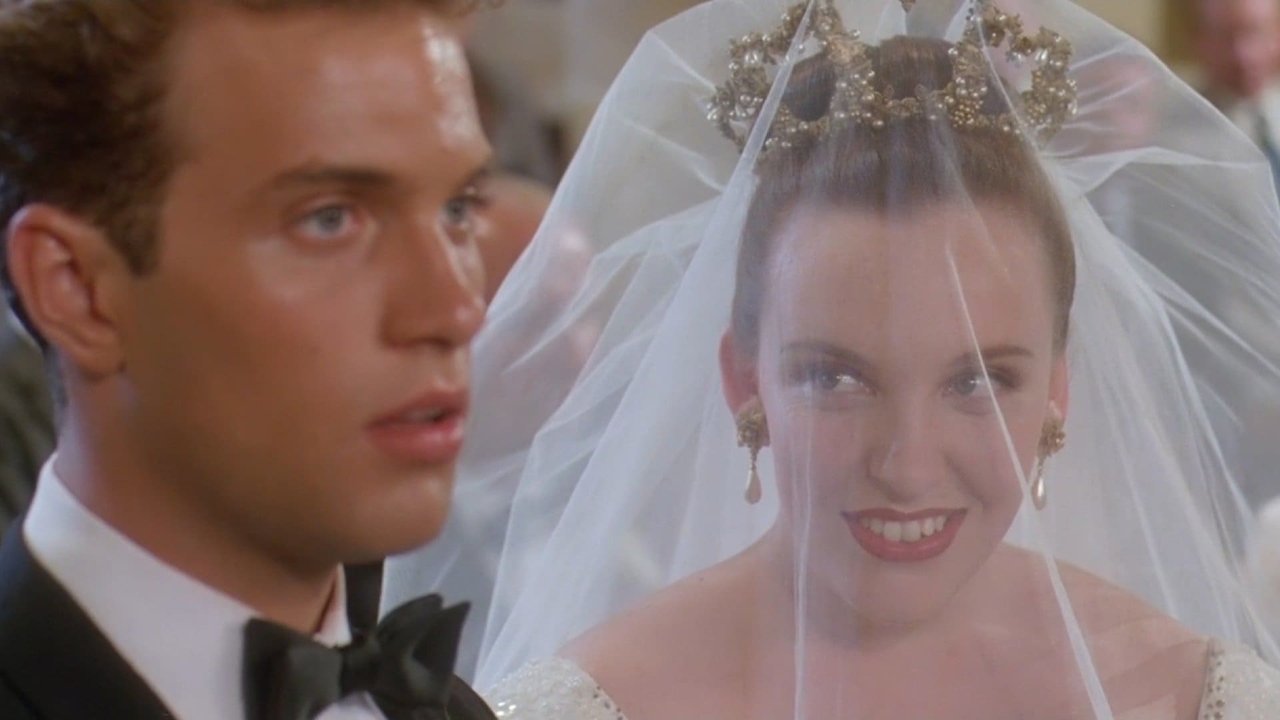
But Muriel's obsession with a wedding remains, twisting her path in increasingly desperate ways. Spoiler Alert! Her arrangement to marry South African swimmer David Van Arkle (Daniel Lapaine) purely to gain citizenship (and the fantasy wedding photos) is where the film leans into its darkest comedic territory. It’s painful to watch, yet utterly believable within the framework of Muriel’s damaged psyche. What does it say about societal pressures when the image of happiness becomes more important than happiness itself?
The film never offers easy answers. Muriel makes terrible choices, hurting those who care about her, especially Rhonda, whose own life takes a devastating turn. Yet, because of Collette’s incredibly nuanced performance, we never entirely lose sympathy for Muriel. We see the scared, lonely young woman beneath the often-selfish actions. Her journey isn't a simple "ugly duckling becomes a swan" narrative; it's a far more complex and messy process of self-discovery, fraught with setbacks and painful truths.
### Behind the Glitter
It’s almost unbelievable that a film tackling such heavy themes – depression, social anxiety, political corruption, infidelity, disability, and suicide – could also be so funny. But P.J. Hogan masterfully balances the pathos and the absurdity. The humor often arises from the sheer awfulness of the situations, a defense mechanism Muriel herself employs. And, of course, there's ABBA. Apparently, Benny Andersson and Björn Ulvaeus were initially hesitant to license their music but were so charmed by Hogan's vision (and perhaps a private screening) that they granted permission, even offering the then-unreleased track "Fernando" for the soundtrack. It’s impossible to imagine the film without those soaring choruses underscoring Muriel's moments of both fantasy and fragile triumph. Made on a relatively modest budget (around $3 million Australian), its subsequent global success (grossing over $57 million worldwide) was a testament to its unique voice and universal themes, becoming a key part of that wonderful wave of Australian cinema in the 90s alongside films like Strictly Ballroom (1992) and The Adventures of Priscilla, Queen of the Desert (1994).
### The Verdict
Muriel's Wedding is one of those films that truly sticks with you. It’s funny, yes, often hilariously so, but it's also deeply moving and surprisingly profound. It’s a film about the desperate need for connection, the corrosive nature of societal expectations, and the difficult, often painful journey towards self-acceptance. The performances by Toni Collette and Rachel Griffiths are simply phenomenal, capturing a lightning-in-a-bottle chemistry that anchors the entire film. While some elements might feel quintessentially 90s, the core emotional truths remain incredibly relevant. It reminds us that finding genuine friendship and learning to like yourself might just be more important than the perfect wedding day. Renting this back in the day felt like discovering a hidden gem, something special and slightly subversive smuggled onto the New Release shelf.
Rating: 9/10
This score reflects the film's exceptional performances, its unique blend of comedy and drama, its enduring thematic resonance, and its status as a beloved cult classic. It masterfully explores complex issues with sensitivity and wit, anchored by unforgettable characters and that iconic soundtrack. It’s not perfect – some plot points feel convenient, and the tonal shifts can be jarring – but its impact and heart are undeniable.
Final Thought: Long after the credits roll and the ABBA fades, you're left thinking about Muriel and Rhonda, hoping they found their own kind of 'happily ever after', far away from Porpoise Spit. And perhaps, you’re left thinking about your own journey, too. You are terrible, Muriel... but gosh, we love you for it.