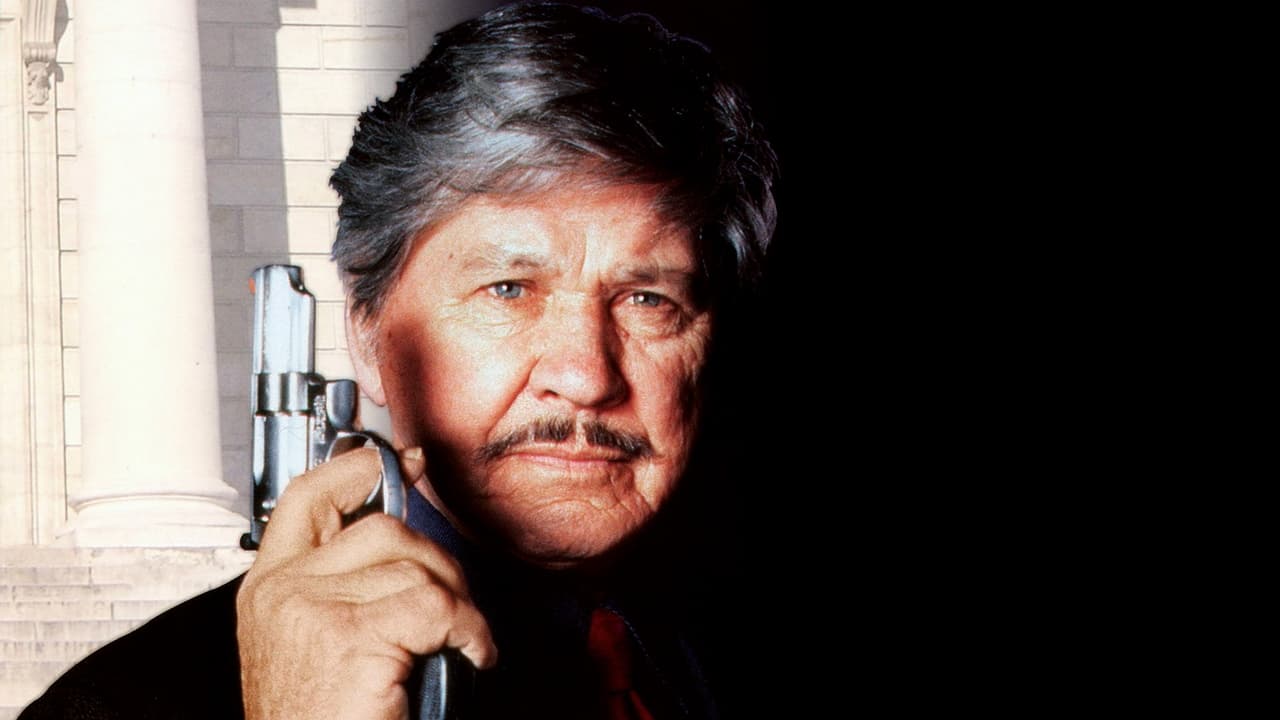
The New York City of Death Wish V feels different. Colder, somehow emptier, mirroring the hollowed-out vengeance that seems to drive Paul Kersey one last time. The neon glow feels dimmer, the shadows longer. Released in 1994, this wasn't just another sequel; it was the final curtain call for Charles Bronson in his most defining role, and there's a palpable sense of finality hanging heavy in the air, like the chill off the East River on a bleak winter morning. This tape, often found tucked away in the less-visited corners of the rental store, promised one last ride with the architect of vigilante justice, but the journey felt different this time – quieter, meaner, and strangely melancholic.
### One Last Dance with the Devil
The setup is grimly familiar, yet tinged with a weariness that feels earned after four previous rounds. Paul Kersey, now living under the Witness Protection Program as Paul Stewart, seems to have found a semblance of peace. He’s running a legitimate business and engaged to the beautiful fashion designer Olivia Regent (Lesley-Anne Down), who has a daughter from a previous marriage. But peace is a fragile thing in Kersey’s world. Olivia's ex-husband is Tommy O'Shea (Michael Parks), a genuinely menacing Irish mobster who controls the city's garment district through fear and violence. When Olivia testifies against O'Shea, his retaliation is swift and brutal, shattering Kersey's fragile peace and inevitably pulling him back into the abyss. There's no city-wide crime wave this time; the fight is intensely personal, focused entirely on dismantling O'Shea's operation and making him pay.
### Bronson's Swan Song
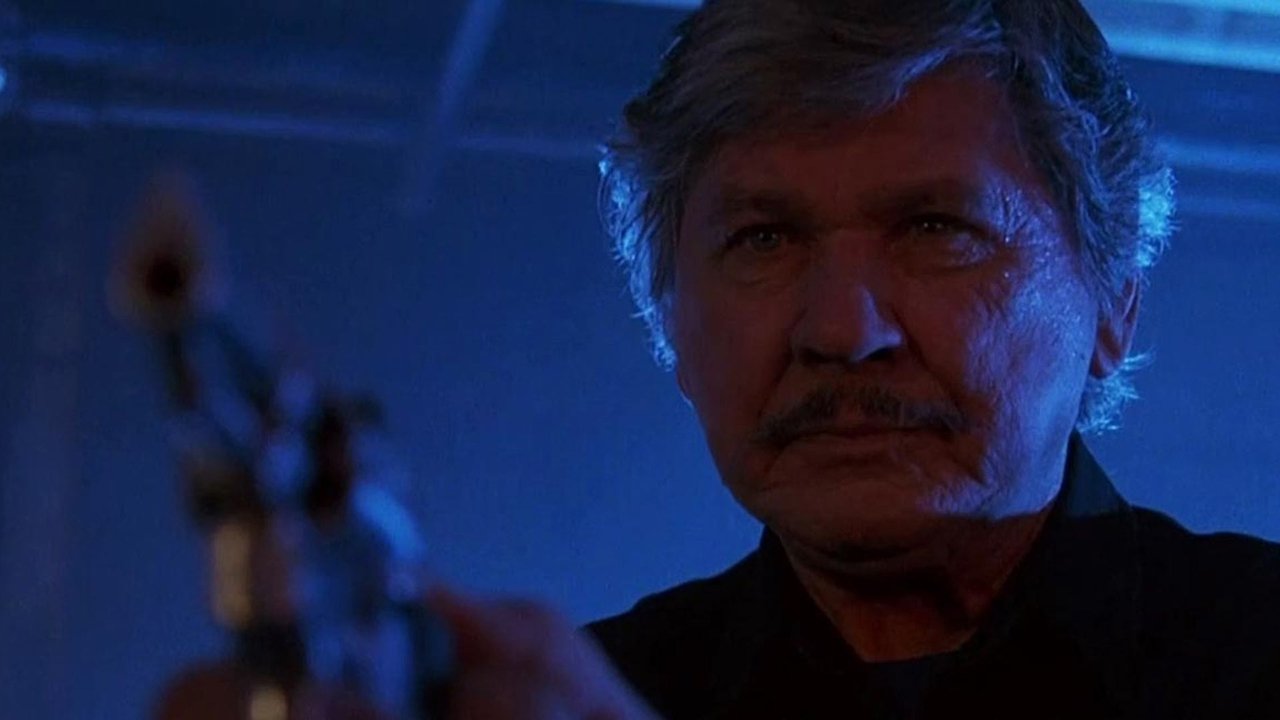
What strikes you immediately watching Death Wish V now is Charles Bronson himself. At 72 during filming, the explosive physicality of his earlier roles is understandably diminished. Yet, he replaces it with something arguably more unsettling: a quiet, simmering intensity born of pure exhaustion and hatred. His face is a roadmap of past battles, his movements deliberate, almost ritualistic. This isn't the Kersey who prowled the subways looking for trouble; this is an old warrior forced onto the battlefield one last time, resigned to the bloody work ahead. This performance became Charles Bronson's final theatrical film appearance, adding a layer of poignant finality to the viewing experience. You can almost feel the weight of the entire franchise settling onto his shoulders in these last scenes. He doesn't need grand pronouncements; the lifetime of violence is etched into his very being. Did his quiet portrayal of a man pushed beyond his limit resonate more with you than the earlier, more overtly aggressive Kersey?
### The Villain You Love to Hate
Every good vigilante needs a truly despicable antagonist, and Michael Parks delivers in spades as Tommy O'Shea. Parks, an actor always capable of radiating unnerving charisma (later chilling audiences in Kevin Smith's Red State (2011) and Quentin Tarantino's Kill Bill films), crafts a villain who is both magnetic and utterly repulsive. O'Shea isn't just a thug; he's manipulative, cruel, and possesses a volatile temper masked by a veneer of slick charm. His threats feel real, his violence casual and terrifying. The scenes between Bronson and Parks crackle with a genuine tension, a clash between weary determination and sadistic power. Parks reportedly relished the role, diving deep into the character's nastiness, making O'Shea a truly memorable slimeball in a franchise filled with them.

### Creative Cruelty on a Budget
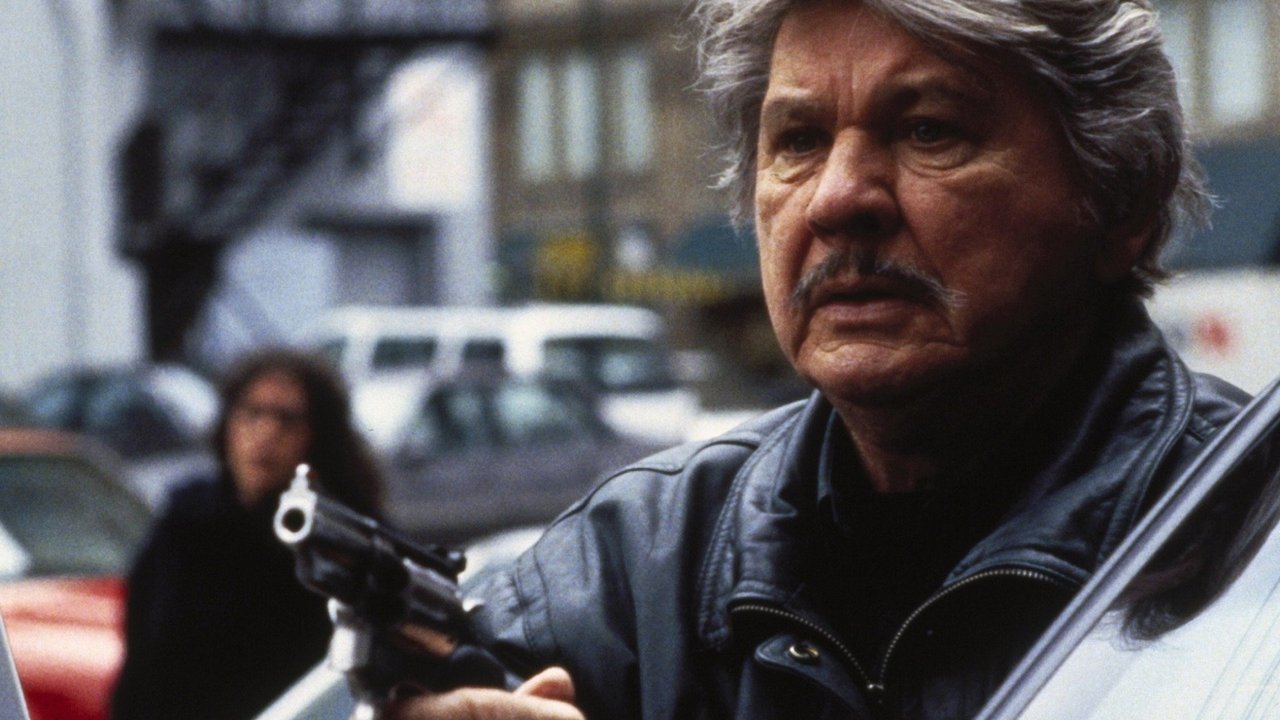
Let's be honest, part of the dark allure of the later Death Wish films lies in their increasingly inventive methods of dispatching villains. Death Wish V, helmed by director Allan A. Goldstein (who also co-wrote), doesn't disappoint on that front, though the constraints of its lower budget (reportedly around $5 million, a far cry from the earlier entries) are often visible. Filmed primarily in Toronto doubling for New York, the film sometimes lacks the authentic grit of the original, but it compensates with some truly bizarre and memorable kills. The poisoned cannoli, death by industrial shredder, and the infamous remote-controlled soccer ball filled with explosives – these moments walk a strange line between shocking brutality and almost darkly comic absurdity. They feel less like realistic urban violence and more like elaborate traps sprung by a vengeful phantom. These practical effects, while perhaps not seamless by today's standards, had a tangible, nasty quality on VHS that CGI often lacks. Remember squinting at the screen, trying to figure out how they pulled some of that off back then?
The lower budget likely contributed to the film's somewhat muted reception and limited theatrical run, quickly finding its natural home on video store shelves. It feels very much like a product of its time – the early 90s direct-to-video action boom, where familiar stars and established franchises could guarantee rentals even with scaled-back production values.
### The End of the Line
Death Wish V: The Face of Death isn't the best film in the series – that honor arguably still belongs to the raw, impactful 1974 original directed by Michael Winner. It lacks the polish of Death Wish 3's cartoonish urban warfare or the grimy intensity of the first two. Yet, there's something compelling about this final chapter. It feels like a necessary, if somber, conclusion. The violence is less cathartic and more draining, reflecting Kersey's own weariness. It doesn't shy away from the grim reality that his path offers no real escape, only a perpetual cycle of loss and retribution.
Watching it today evokes that specific feeling of discovering a late-franchise sequel on tape – maybe slightly rough around the edges, perhaps leaning into formula, but anchored by a familiar star giving it their all one last time. It’s a grim, occasionally absurd, but undeniably fitting farewell to one of cinema's most enduring anti-heroes.
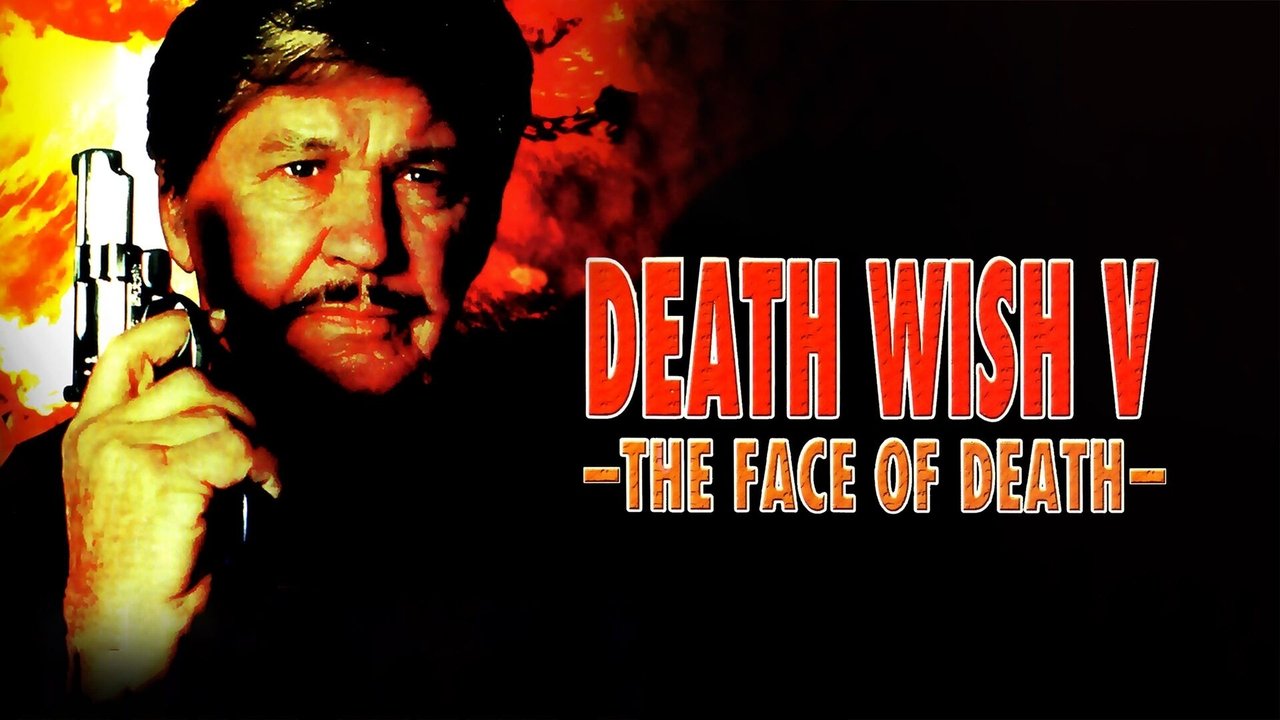
Rating: 5/10
Justification: While Bronson's final performance as Kersey carries significant weight and Michael Parks is a standout villain, the film is hampered by its visible budget limitations, occasionally clunky plotting, and some truly outlandish kills that border on self-parody. It delivers the expected grim vigilantism but lacks the raw power of the original or the wild energy of some sequels. It earns points for its atmospheric weariness and for providing a definitive, albeit bleak, end to Kersey's saga.
Final Thought: It may be the runt of the Death Wish litter in some ways, but The Face of Death remains a fascinating curiosity – a stark, sometimes strange, and ultimately melancholic final blast from Charles Bronson, forever preserved on those well-worn VHS tapes.