Alright, gather 'round the counter, fellow tape-heads. Remember that feeling? Scouring the indie section, maybe tucked away near the weird horror flicks, and stumbling upon that cover? The stark black and white, the slightly bored-looking dudes? You pop it in, the tracking adjusts just so, and suddenly you're not in your living room anymore. You're behind the counter at the Quick Stop Groceries in Leonardo, New Jersey, circa 1994. And you’re about to witness something raw, hilarious, and utterly unforgettable: Kevin Smith’s Clerks.

I Wasn't Even Supposed To Be Here Today
Let’s be real: Clerks isn't just a movie; it's practically a miracle captured on grainy celluloid. This wasn't some slick Hollywood production. This was Kevin Smith, a 23-year-old convenience store clerk himself, maxing out credit cards (reportedly around ten of them!), selling off a chunk of his beloved comic book collection, and even using insurance money from a flood-damaged car to scrape together a reported budget of just $27,575. That’s less than the catering budget on most studio films then, let alone now! Think about that – financing your dream by basically betting your entire (very modest) financial future. That raw, almost desperate energy bleeds into every frame.
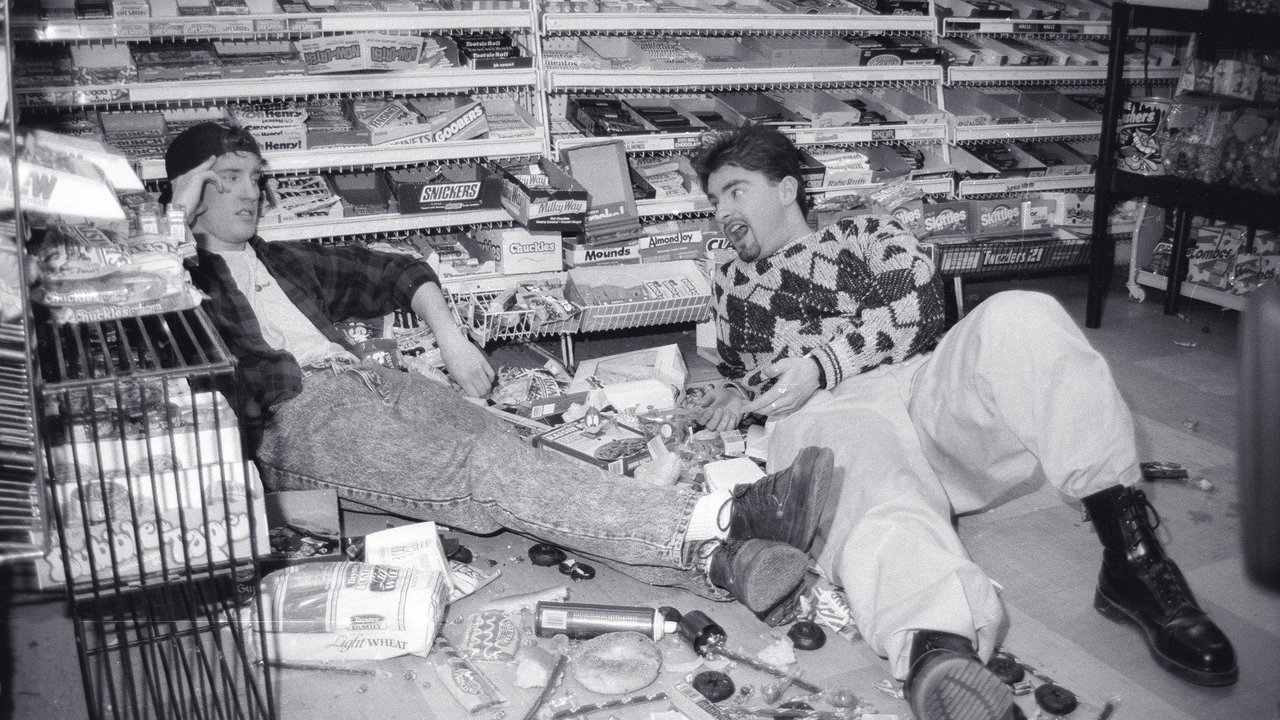
The premise is deceptively simple: Dante Hicks (Brian O'Halloran, nailing the perpetually put-upon everyman) gets called into work at the Quick Stop on his day off. His friend Randal Graves (Jeff Anderson, in a star-making turn of glorious apathy and razor-sharp cynicism) hangs out next door at the Mooby's video store (RST Video, technically!), mostly finding creative ways to antagonize customers and avoid actual work. That’s… pretty much it. A day in the life. But oh, what a day.
Talk Is Cheap (and Brilliant)
Forget explosive car chases or elaborate fight choreography. The action in Clerks is entirely verbal. The dialogue is the spectacle. Smith crafted conversations that felt shockingly real – profane, rambling, deeply philosophical about Star Wars contractors, hilariously specific about customer absurdity, and often punctuated by moments of unexpected vulnerability. It captured the rhythm of bored, over-educated, under-stimulated Gen-X suburban life in a way few films had before. Remember the sheer audacity of the language back then? It felt revolutionary, not just gratuitous. This authenticity, of course, led to a famous Retro Fun Fact: the film initially received the dreaded NC-17 rating purely for its language. Miramax, championed by lawyer Alan Dershowitz (yes, that Alan Dershowitz!), actually fought the MPAA and won, securing an R rating without cuts, a landmark moment for independent film.
The Quick Stop Universe Begins
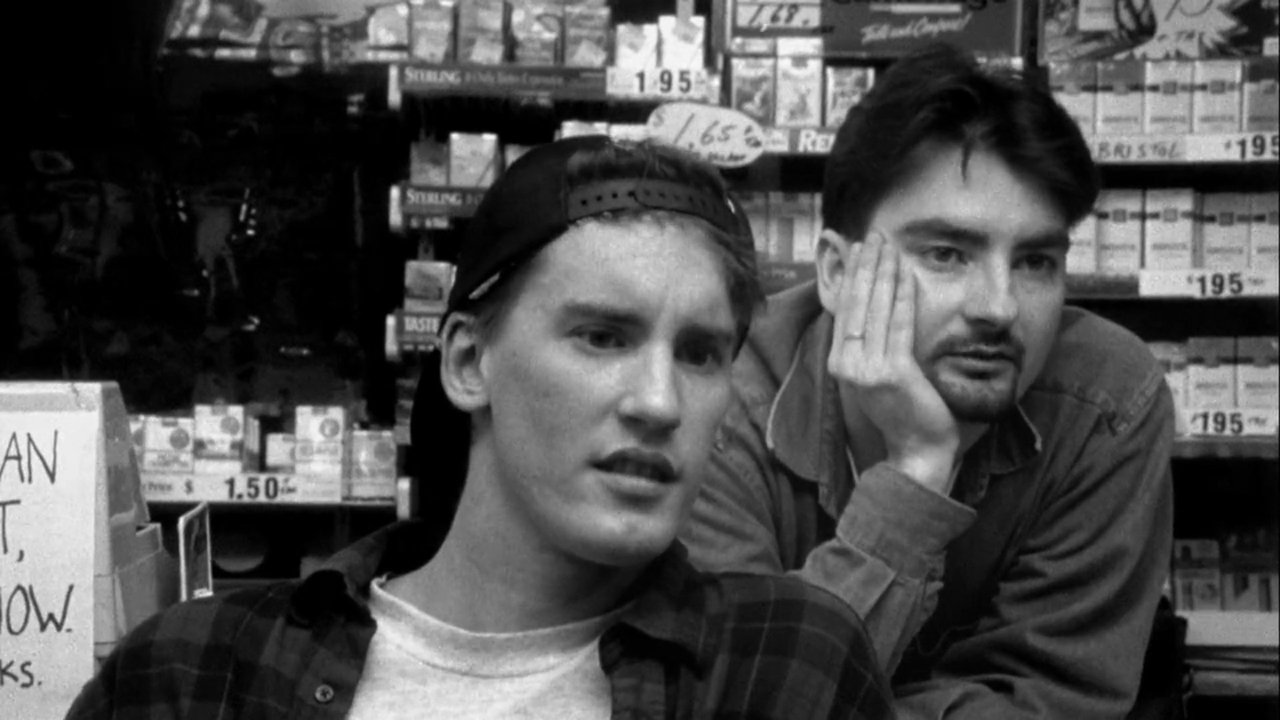
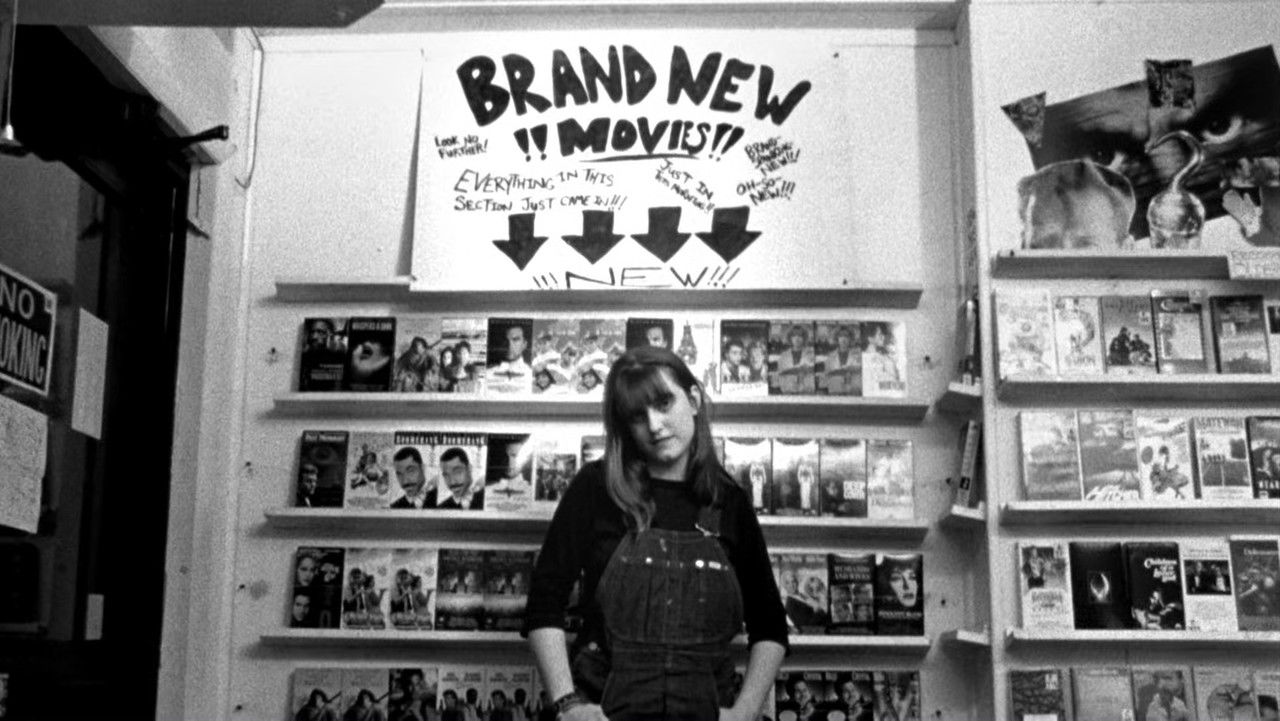
The film unfolds almost entirely within the confines of the Quick Stop and the adjacent video store. Smith cleverly turned his limitation into a strength. He actually filmed inside the real Quick Stop where he worked, shooting entirely at night after the store closed, hence the plot point of the shutters being inexplicably jammed shut. This guerrilla filmmaking approach gives Clerks an almost documentary-like feel, despite the heightened absurdity. The black-and-white photography wasn't initially an artistic choice, but a budgetary one – cheaper to shoot and light. Yet, it became iconic, adding to the film's grungy, DIY aesthetic and somehow making the mundane endlessly watchable.
And the performances! Brian O'Halloran embodies Dante's simmering frustration perfectly. You feel every indignity he suffers. But it’s Jeff Anderson as Randal who often steals the show. His complete lack of filter, his gleeful disruption of social norms, delivered with that deadpan stare… it’s comedy gold. Many of the actors were Smith's friends, working for peanuts (or maybe just the promise of craft services donuts), which adds another layer of lived-in authenticity. And who could forget the debut of Jay (Jason Mewes) and Silent Bob (Kevin Smith himself)? Leaning against the wall, dealing dime bags, offering cryptic advice (well, Bob does eventually), they instantly became cult icons, the Abbott and Costello of 90s slackers.
From Sundance Buzz to Cult Royalty
Clerks wasn't just made; it exploded. It became a sensation at the 1994 Sundance Film Festival, snapped up by Miramax, and suddenly this ultra-low-budget indie flick was playing in actual theaters. Critics were divided – some hailed its wit and originality, others balked at the crudeness and technical limitations (yes, the sound mixing can be rough in spots, a clear sign of its micro-budget roots). But audiences? Audiences got it. It tapped into something real, something funny, something relatable for anyone who’d ever worked a soul-crushing service job or debated pop culture minutiae with their friends until dawn.
It’s fascinating to consider another Retro Fun Fact: Smith’s original cut ended much darker, with Dante being senselessly shot and killed during a robbery. Test audiences hated it, feeling it betrayed the film's overall comedic tone. Wisely, Smith listened, cut the downer ending, and let Dante live to complain another day, cementing the film's status as a beloved hangout comedy rather than a bleak indie tragedy.
The Verdict
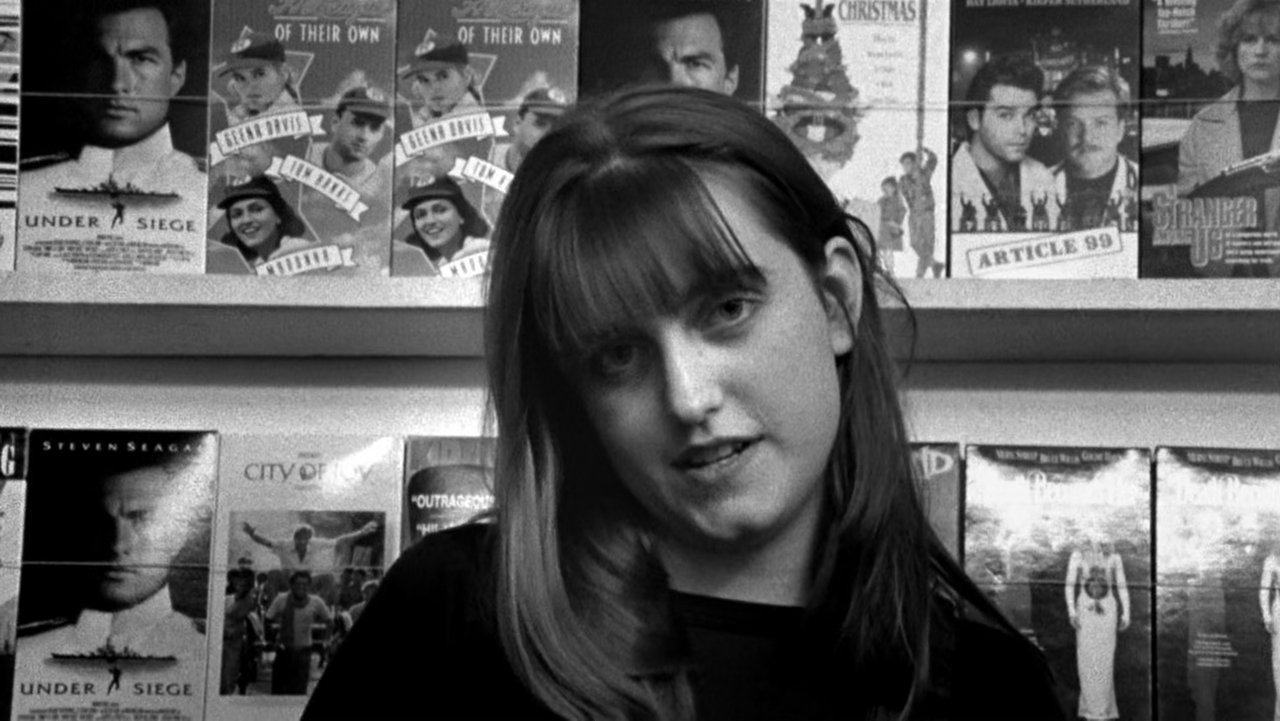
Clerks is raw, rough around the edges, and undeniably a product of its time and budget. The static camera work, the occasionally muffled dialogue – it’s all part of the charm now, artifacts of its miraculous creation. But beneath the surface grime lies a diamond: a brilliantly witty script, perfectly pitched performances capturing a specific generational malaise, and the audacious spirit of true independent filmmaking. It launched a career and a cinematic universe (the View Askewniverse) that continues to resonate with fans. It proved you didn't need millions of dollars, just a killer idea, sharp dialogue, and maybe a few maxed-out credit cards.
Rating: 9/10 - The justification? While technically imperfect due to its micro-budget origins (sound glitches, static visuals), the sheer brilliance of the script, the iconic character work from O'Halloran and especially Anderson, its landmark status in indie film history, and its enduring, laugh-out-loud relatability earn it near-perfect marks. It overcame its limitations to become something truly special and influential. The slight deduction acknowledges the undeniable technical roughness inherent in its $27k budget, but its heart and humor vastly outweigh these flaws.
Final Thought: Forget pristine digital perfection; Clerks is pure, unfiltered 90s indie lightning captured on grainy black-and-white stock – best enjoyed late at night, perhaps with questionable snack choices, just like Dante and Randal would have wanted. Snoochie Boochies.