What if the life you lived wasn't truly yours? It's a profound, unsettling question, one that sits at the very heart of Jaco Van Dormael's extraordinary 1991 debut, Toto the Hero (original title: Toto le héros). This isn't your typical VHS-era fare; stumbling upon this tape, perhaps tucked away in the 'Foreign Language' section of the local video store, felt like uncovering a hidden, intricately woven tapestry of memory, regret, and darkly whimsical fantasy. It’s a film that lingers, not with jump scares or explosions, but with the quiet weight of a life spent looking over the fence, convinced the grass was greener – and rightfully yours.
A Life Lived in Shadow
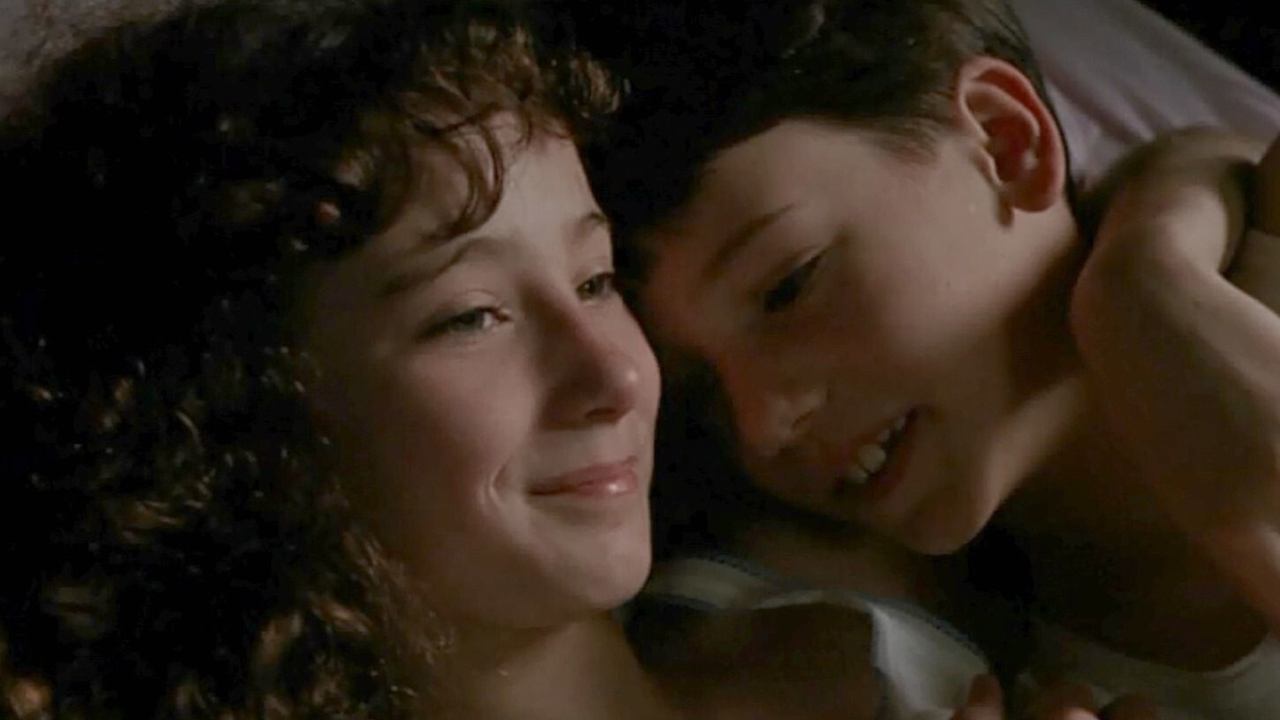
The film introduces us to Thomas Van Hazebrouck, a man consumed by a single, life-defining belief: that he was accidentally switched at birth with his neighbor, the affluent Alfred Kant. We meet Thomas primarily as an old man (Michel Bouquet, in a performance of profound weariness and simmering resentment), looking back on a life he perceives as stolen. Through a fragmented, non-linear narrative that mirrors the often-jumbled nature of memory itself, Van Dormael guides us through Thomas's perceived timeline – his idyllic early childhood abruptly contrasted with the perceived ease and privilege of Alfred's existence, his adult years marked by envy and missed opportunities, all filtered through this lens of cosmic injustice. Does this sound heavy? It is, yet Van Dormael injects moments of surprising visual poetry and even bleak humor, preventing the film from collapsing under its own melancholic weight.
Weaving Memory's Threads

Van Dormael, who remarkably spent nearly a decade perfecting the screenplay, directs with a confidence and visual flair that belies this being his first feature. Toto the Hero doesn't just tell a story; it immerses you in the subjective, often unreliable, consciousness of its protagonist. The editing shifts seamlessly between Thomas as a hopeful, imaginative child (Thomas Godet, capturing a wonderful sense of boyhood wonder tinged with emerging bitterness), a frustrated adult (Jo De Backer, embodying the character's paralysis and yearning), and the elderly man contemplating a final, dramatic act of 'reclaiming' his destiny. This structure isn't a gimmick; it’s essential to the film's exploration of how memory shapes identity, how past grievances fester, and how easily fantasy can bleed into reality when we desperately wish things were different. The visual style often feels dreamlike, sometimes bordering on the surreal, reflecting Thomas's internal world where his imagined life as "Toto," the daring secret agent hero, offers an escape from his perceived mundane reality. It’s a technique that makes this 90s foreign film gem feel both timeless and distinctively European in its sensibilities.
The Weight of What Might Have Been
The performances are key to making Thomas's journey resonate. Michel Bouquet, a titan of French cinema, is simply devastating as the elderly Thomas. His face is a roadmap of disappointment, his eyes holding decades of quiet fury and sadness. He makes Thomas’s obsession understandable, even if we question its foundation. Thomas Godet as the young Toto/Thomas is equally crucial, portraying the genesis of the envy, the childhood fascination with Alfred’s seemingly perfect life, and the seeds of the narrative that will define him. Jo De Backer bridges these two, showing the man trapped between youthful dreams and elderly resignation. Together, they create a composite portrait of a life arguably wasted, not necessarily because of the potential switch, but because of the inability to let go of the idea of it. Doesn't this resonate with how easily we can fixate on paths not taken, letting 'what ifs' poison the present?
From Circus Rings to Cannes Glory
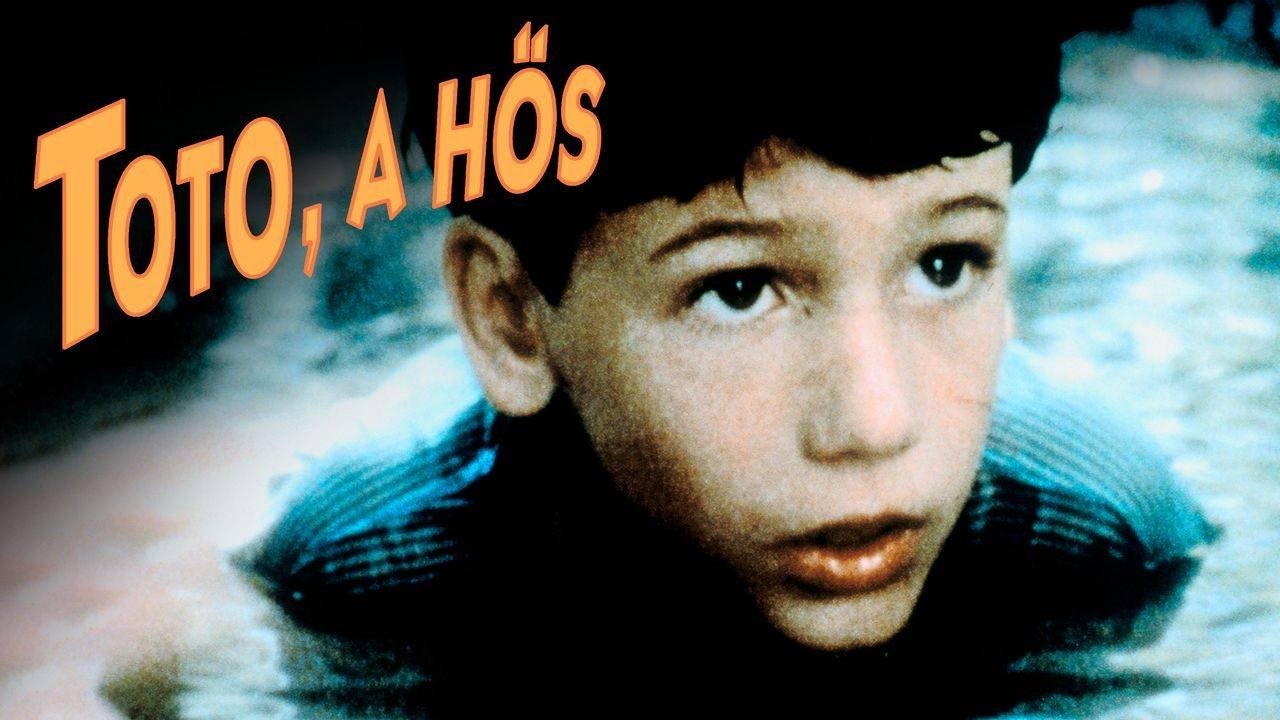
It's fascinating to learn that Jaco Van Dormael worked as a circus clown before turning to filmmaking; perhaps this explains some of the film's more visually inventive, almost performative sequences. That background might inform the blend of tragedy and theatricality inherent in Thomas’s self-perception. Toto the Hero wasn't just a critical darling – it won the prestigious Caméra d'Or (Best First Feature Film) at the 1991 Cannes Film Festival and swept several categories at the European Film Awards – it announced a unique and powerful voice in cinema. This wasn't a film made by committee; it feels deeply personal, meticulously crafted, exploring complex themes with artistry and emotional depth. It's the kind of movie that rewards patience, inviting you to piece together the fragments alongside Thomas, questioning what is real, what is remembered, and what is simply imagined. This cult classic movie analysis reveals a work far richer than a simple plot summary might suggest.
The film subtly asks us: even if Thomas was switched, would his life truly have been better, or is happiness an internal state, independent of circumstance? Is Alfred, the perceived 'winner', actually content? The film leaves these questions open, focusing instead on the corrosive power of envy and the narratives we construct to make sense of our lives.
Rating: 9/10
Toto the Hero is a challenging, deeply rewarding film. Its non-linear structure and melancholic tone might not be for everyone seeking straightforward entertainment, but its emotional honesty, superb performances (especially Michel Bouquet's), and Jaco Van Dormael's imaginative direction make it unforgettable. The 9 out of 10 reflects its brilliance as a piece of thoughtful, affecting cinema that perfectly justifies its accolades and enduring cult status. It’s a powerful exploration of identity, memory, and the stories we tell ourselves, crafted with exceptional artistry.
Finding this on a dusty VHS tape felt like uncovering a secret, a complex and beautiful puzzle box of a film. It doesn't offer easy answers, but it leaves you pondering the biggest question of all: how much of our life story is written by fate, and how much do we write ourselves?