There's a certain heft to Clear and Present Danger, a weight that settles in not just from its runtime but from the gravity of its subject matter. Watching it again now, decades after pulling that slightly worn VHS box off the rental shelf, that feeling remains potent. It wasn't just another action flick; it felt like a glimpse behind the curtain, a political thriller grounded in a reality that seemed disturbingly plausible, even back in 1994. It asks you, right from the start, to consider the messy gray areas where national security meets morality.
### The Analyst in the Lion's Den
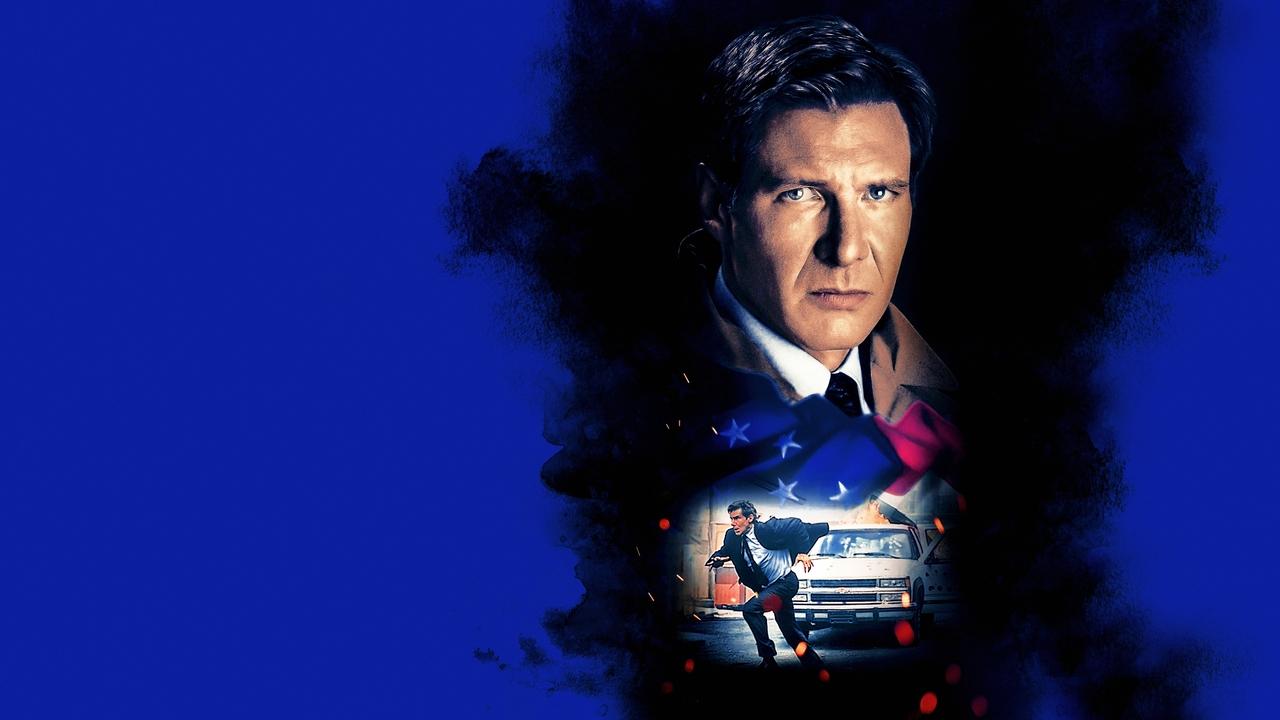
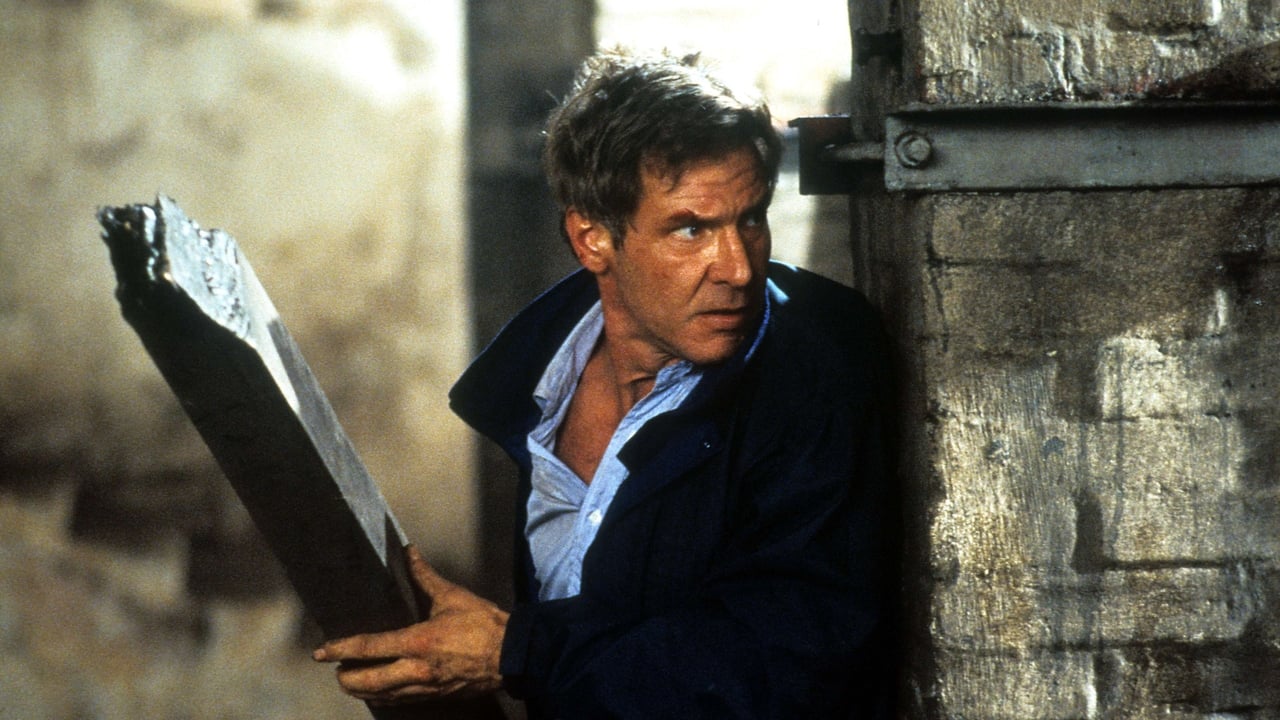
Following the success of Patriot Games (1992), director Phillip Noyce and star Harrison Ford returned to the world of Tom Clancy's Jack Ryan. This time, Ryan, ever the reluctant field man, finds himself thrust into the Deputy Director's chair at the CIA. Ford embodies Ryan not as a superhero, but as an intensely principled analyst suddenly navigating the treacherous currents of high-stakes politics and covert warfare. His portrayal is key; it's less about physical prowess (though he gets his moments) and more about intellectual integrity under immense pressure. You see the weight of discovery etch itself onto his face as he uncovers a secret, illegal war being waged against a Colombian drug cartel, sanctioned from the highest levels of government. Ford, who by this point was synonymous with iconic action heroes like Indiana Jones and Han Solo, brings a compelling weariness and moral determination to Ryan that feels entirely authentic. He’s the decent man caught in the gears of a machine operating outside the law, and we feel his mounting desperation.
### Parallel Wars, Moral Murk
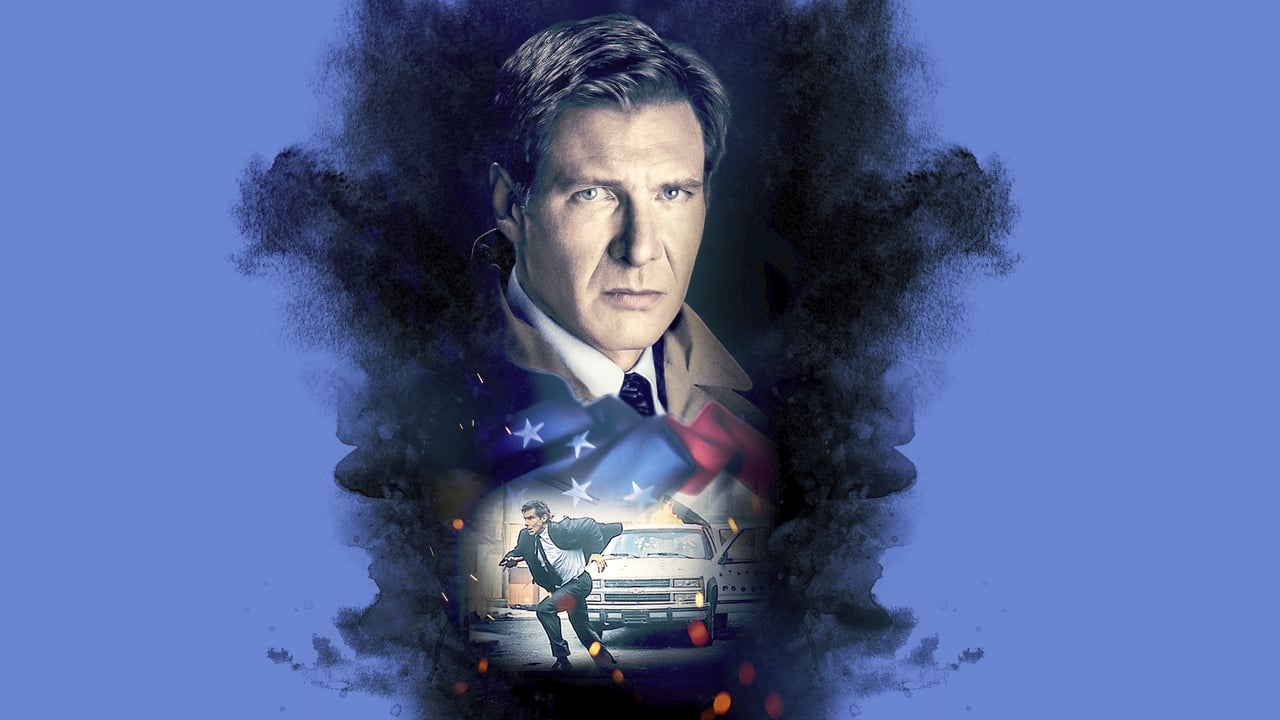
What elevates Clear and Present Danger beyond a standard thriller is its parallel narrative structure. While Ryan battles bureaucrats and hidden agendas in Washington D.C., we follow the covert operations on the ground in Colombia, led by the enigmatic John Clark, played with chilling efficiency by Willem Dafoe. Fresh off complex roles in films like Platoon (1986) and Mississippi Burning (1988), Dafoe brings a coiled intensity to Clark, a man operating in the shadows, executing orders he likely knows are ethically compromised. The film doesn't shy away from the brutality of this secret war, nor the questionable morality of those waging it. It forces us to confront the uncomfortable reality that sometimes, the 'good guys' operate in shades of grey so dark they border on black. It's this dynamic, the contrast between Ryan's fight for transparency and Clark's clandestine efficiency, that gives the film its thematic depth.
### Crafting Believable Intrigue
Phillip Noyce, reteaming with Ford, demonstrates a masterful hand at building tension without resorting to constant explosions. The pacing is deliberate, allowing the intricate plot, adapted by screenwriters Donald E. Stewart, Steven Zaillian (who would later pen Schindler's List), and John Milius (the powerhouse behind Apocalypse Now and Red Dawn), to unfold organically. The film feels substantial, a product of its significant $62 million budget (around $128 million today), which translated into impressive scale and a tangible sense of realism. One sequence, in particular, remains seared into memory: the meticulously staged ambush of the FBI Director's convoy. Filmed practically on location outside Cuernavaca, Mexico, with complex stunt work and multiple cameras capturing the sudden, shocking violence, it’s a masterclass in action filmmaking that serves the narrative rather than overpowering it. It feels terrifyingly real, a stark reminder of the stakes involved. This practical approach extends throughout the film, lending it an authenticity that CGI-heavy modern thrillers often lack. The film went on to gross nearly $216 million worldwide (about $445 million today), proving audiences were hungry for intelligent, grounded espionage tales.
### Echoes in the Machine
Watching it today, the technology – the clunky CRT monitors displaying satellite imagery, the reliance on faxes and secure phone lines – feels charmingly dated, a snapshot of early 90s tech. Yet, the core themes remain startlingly relevant. The abuse of executive power, the ethical compromises made in the name of national security, the danger of unaccountable covert operations – doesn't this all feel unnervingly familiar? The film cleverly uses Ryan as our anchor, the moral compass navigating a landscape of deception orchestrated by figures like James Cutter (Harris Yulin) and Robert Ritter (Henry Czerny), whose chillingly pragmatic exchange about acceptable losses still sends a shiver down the spine. Even Anne Archer, returning as Dr. Cathy Ryan, provides more than just the concerned spouse trope; she’s Ryan’s link to normalcy, the reason his fight for principle matters on a personal level.
It's fascinating to remember the journey of adapting Clancy's dense novel. Streamlining the complex plot threads involving multiple factions and political machinations into a cohesive two-and-a-half-hour film was no small feat, a testament to the skill of the writers and Noyce's direction. This was the peak of the initial Ford-as-Ryan era, confidently standing alongside The Hunt for Red October (1990) and Patriot Games as a defining political thriller of the decade before the character would be rebooted years later.
Rating: 8.5/10
Clear and Present Danger delivers exactly what it promises: a smart, tense, and morally complex political thriller anchored by a superb Harrison Ford performance. Its commitment to practical effects, grounded storytelling, and exploration of uncomfortable truths ensures it holds up remarkably well. The pacing might test those seeking non-stop action, but its deliberate build-up is precisely what makes the explosive moments hit so hard and the ethical dilemmas resonate so deeply. It avoids easy answers, presenting a sophisticated slice of 90s blockbuster filmmaking that treated its audience with intelligence.
What lingers most, perhaps, is the uneasy question the film leaves us with: in the face of truly dangerous threats, how far is too far? It’s a question that felt vital scrolling across our CRT screens in '94, and one that arguably echoes even louder today.