Here is the review for "The Saint" (1997):
***
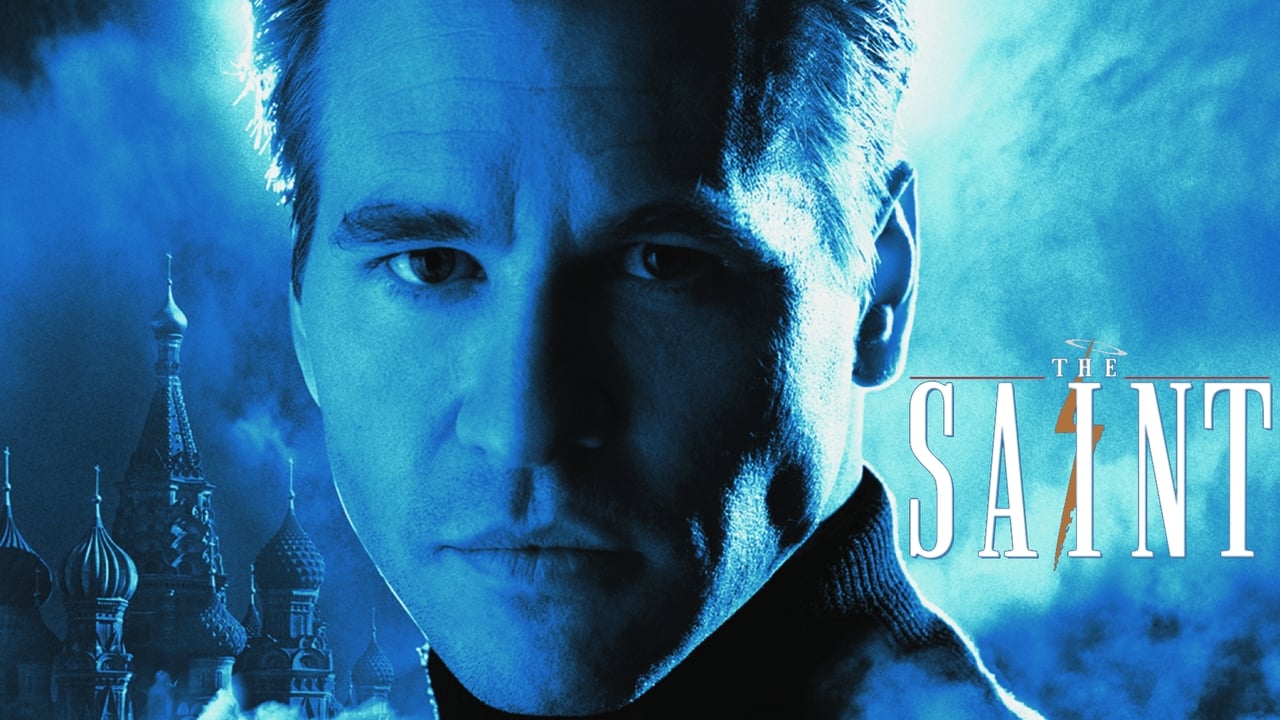
How many faces can one man wear before he forgets his own? That question seems to linger beneath the surface of Phillip Noyce’s 1997 take on The Saint, a film that arrived on VHS shelves feeling both slickly modern and curiously old-fashioned. It wasn't quite Bond, not exactly Bourne (who wouldn't arrive for another few years), but something else – an attempt to revive Leslie Charteris's gentleman thief for the burgeoning digital age, anchored by a central performance as enigmatic as the character himself.
A Chameleon in a Shifting World
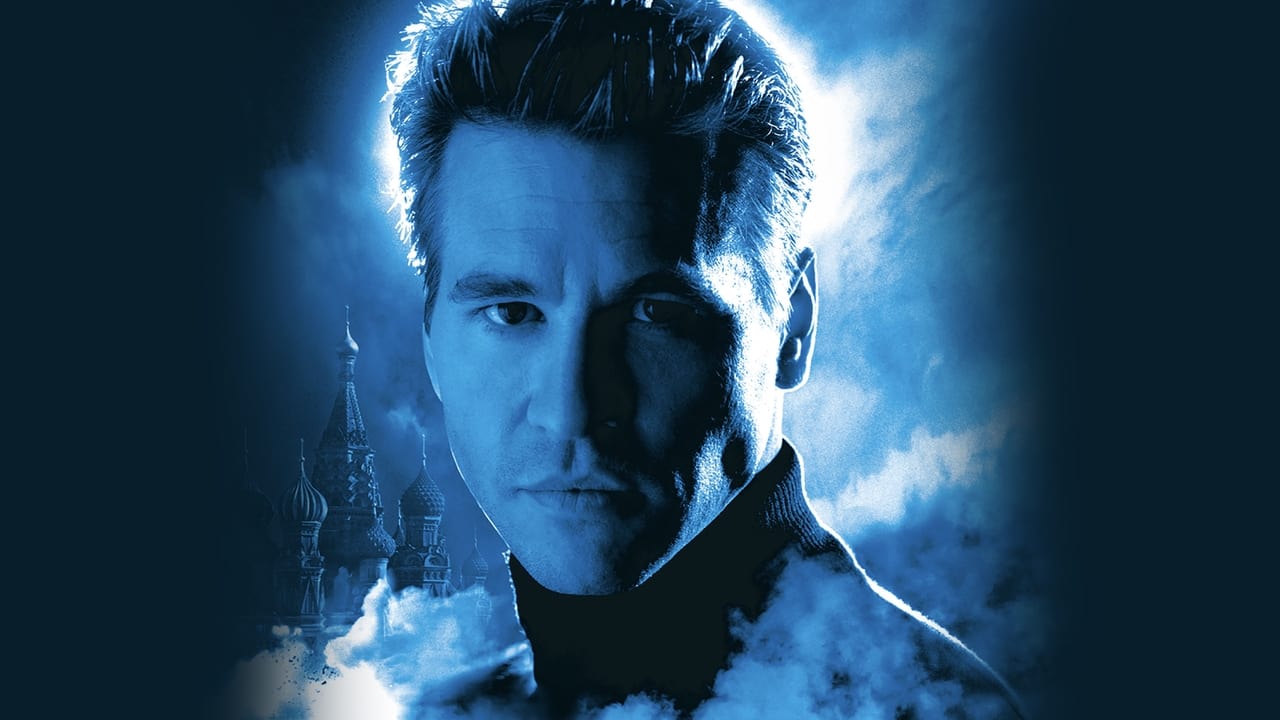
At the heart of it all is Simon Templar, played by Val Kilmer. Kilmer, then riding a wave of complex, sometimes intense roles (Tombstone, Heat, Batman Forever), dives headfirst into Templar's defining trait: his mastery of disguise. We see him as a poet, a boffin, a suave businessman – each persona adopted with meticulous detail, complete with distinct accents and mannerisms. It's a performance that fascinates, even when the plot around him occasionally wobbles. Was Kilmer simply playing dress-up, or was he genuinely exploring the fractured identity of a man named after saints but living decidedly outside the law? The film doesn't always provide easy answers, leaving much to Kilmer's often inscrutable gaze.
The production itself wrestled with identity. Reportedly, numerous writers took a crack at the script before Jonathan Hensleigh (fresh off Die Hard with a Vengeance) and Wesley Strick delivered the final version. Director Phillip Noyce, already a dab hand at intelligent thrillers like Patriot Games, brings a polished, professional sheen to the proceedings. He crafts some genuinely tense sequences, particularly Templar's infiltration of a heavily guarded Russian political figure's inner circle. You can feel Noyce trying to balance the expected espionage thrills with a more character-driven romance, a tightrope walk that defines the film's unique, if sometimes uneven, rhythm.
Cold Fusion and Warm Hearts

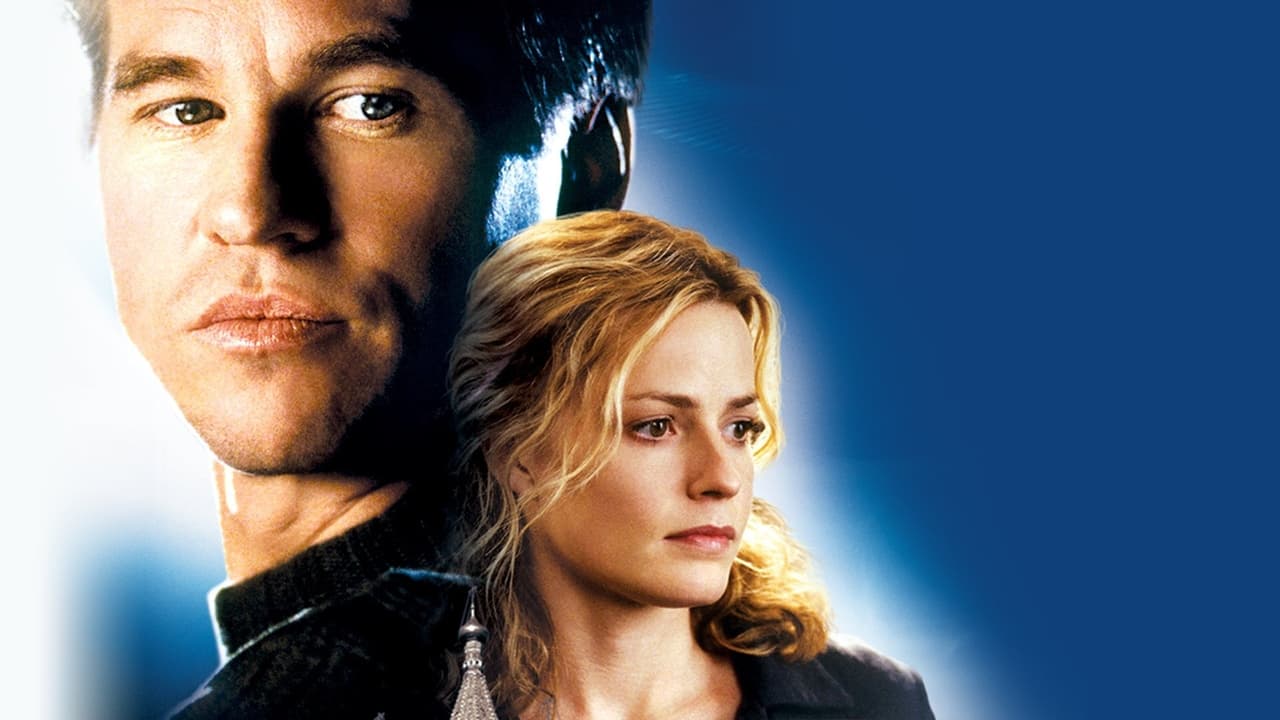
The MacGuffin driving the plot is "cold fusion," a source of limitless clean energy discovered by the brilliant but naive Dr. Emma Russell, portrayed with appealing vulnerability by Elisabeth Shue. Fresh from her Oscar nomination for Leaving Las Vegas, Shue provides the film's emotional core. Her Dr. Russell isn't just a damsel in distress; she's intelligent, principled, and ultimately the key to Templar potentially finding something real beneath his many masks. Their relationship forms the spine of the film, moving from cautious intrigue to genuine affection. Does the chemistry always spark? It's debatable, sometimes feeling overshadowed by the espionage elements, yet Shue’s warmth provides a necessary counterpoint to Kilmer’s cool detachment.
Watching it now, the cold fusion element feels distinctly late-90s – a techno-optimistic McGuffin wrapped in post-Cold War paranoia. Russia, depicted here as a nation grappling with oligarchs and instability (personified by the effectively menacing Rade Šerbedžija as Ivan Tretiak), provides a suitably atmospheric backdrop. Noyce captures the chill of Moscow effectively, contrasting it with the warmer hues of Oxford where Emma makes her breakthrough. One fun piece of trivia: Kilmer himself apparently did quite a bit of research into the physics behind cold fusion to better understand his character's motivations and the technology he was pursuing (or protecting). It speaks to his commitment, even if the science itself serves mainly as a plot catalyst.
Retro Tech and Enduring Questions
Remember those chunky laptops and the nascent internet playing a role in spycraft? The Saint has that definite mid-90s tech vibe, charmingly dated now but cutting-edge back on the video store shelf. It’s a reminder of a time when global espionage thrillers were grappling with new technologies and shifting geopolitical landscapes. The film’s $68 million budget certainly shows up on screen in the slick production values and international locations, leading to a respectable $118 million worldwide gross – solid, if not the franchise-launcher the studio likely hoped for (Kilmer reportedly wasn't interested in sequels).
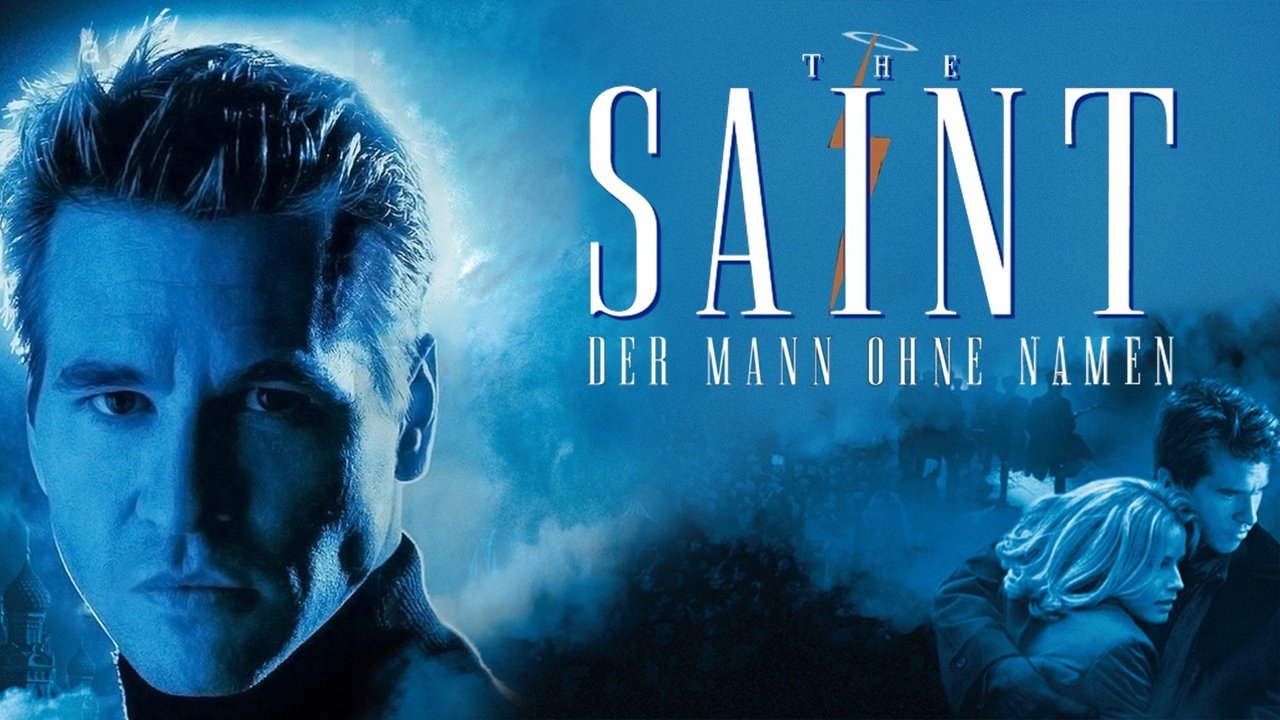
What lingers most isn't necessarily the intricate plot mechanics, but the central performance and the questions it raises about identity. How much of ourselves do we hide, even without elaborate disguises? Kilmer's Templar is a man who uses masks to survive, perhaps even thrive, but the film suggests this comes at a cost. His interactions with Shue's character force him to confront the emptiness behind the charade. It's this internal conflict, more than the explosions or chases, that gives The Saint a touch more substance than a standard genre exercise. The iconic stick figure logo, subtly woven throughout, serves as a constant reminder of the ephemeral nature of the man himself. And who could forget that pulsing theme by Orbital, which became almost as recognizable as the Saint's calling card? It perfectly captured the film's blend of sleek modernity and underlying tension.
Final Reflection
The Saint isn't a perfect film. The blend of romance and espionage can sometimes feel awkward, and the plot occasionally strains credulity. Yet, it remains a fascinating snapshot of late-90s thriller filmmaking, elevated by Phillip Noyce's assured direction and a truly committed, chameleon-like performance from Val Kilmer. Elisabeth Shue brings essential heart, preventing the film from becoming just a cold exercise in spy games. It might not have redefined the genre or achieved the iconic status of its television predecessor starring Roger Moore, but it offers a compelling couple of hours, particularly for those who appreciate a thriller with a touch of romance and a central character wrestling with more than just the bad guys.
Rating: 7/10
Justification: The film earns points for Val Kilmer's dedicated portrayal of multiple personas, Phillip Noyce's slick direction, Elisabeth Shue's grounding performance, and some genuinely tense sequences. Its stylish execution and atmospheric settings capture the late 90s well. However, it loses points for an uneven tone, a slightly convoluted plot reliant on a dated MacGuffin, and chemistry that doesn't always ignite. It's a solid, entertaining thriller, but falls short of being a true classic.
Final Thought: It leaves you pondering not just the fate of the characters, but the masks we all wear, making it a surprisingly thoughtful resident of the VHS action-thriller shelf.