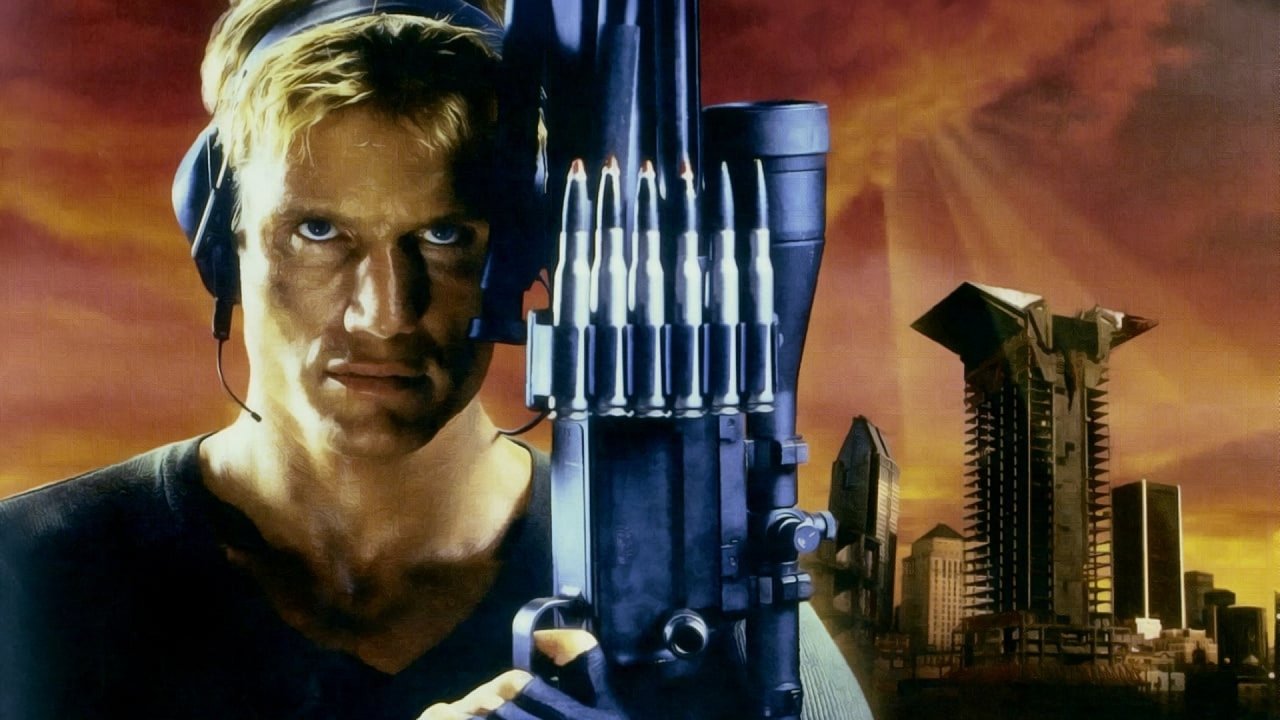
Concrete teeth against a bruised sky. That’s the lasting image, isn’t it? An unfinished skyscraper, skeletal and stark, a monument to stalled ambition turned into a cold, vertical hunting ground. This is the unsettling stage for Silent Trigger (1996), a film that might have looked like just another Dolph Lundgren actioner on the video store shelf, but delivered something far more claustrophobic and atmospheric, a slow-burn thriller simmering with paranoia under the stylish eye of director Russell Mulcahy.
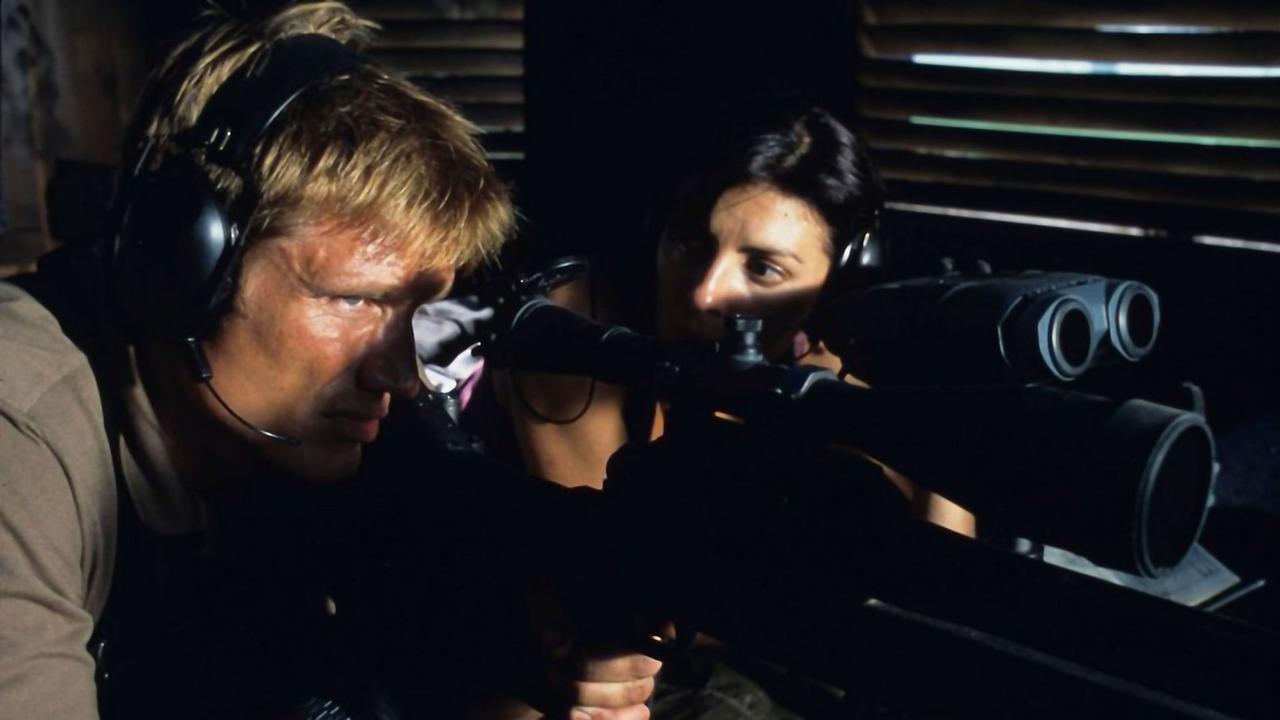
Forget the sprawling jungles or explosive urban warfare often associated with 90s action heroes. Silent Trigger strips everything down to its bare essentials: two highly trained operatives, one impossible shot, and the crushing weight of isolation in a high-rise purgatory. Lundgren, often cast for his imposing physique, plays Waxman, a former Special Forces sniper working for a shadowy "Agency." He's haunted by a past mission gone wrong, a flicker of conscience in the cold mechanics of assassination. Paired with him is Clegg, his spotter, portrayed with a compelling mix of vulnerability and sharp competence by Gina Bellman (a face many might recognize from the later UK hit Coupling, showcasing her range here). They aren't partners by choice, thrown together in this eerie, incomplete tower, waiting for the signal, waiting for the target.
Concrete Confines and Stylized Dread
What truly elevates Silent Trigger beyond standard DTV fare is Russell Mulcahy’s direction. Fresh off visually distinct films like Highlander (1986) and the creature feature Razorback (1984), Mulcahy brings his music video sensibilities – the sharp angles, the dramatic lighting, the focus on mood over exposition – to this confined space. The film was largely shot in Montreal, utilizing the actual unfinished Tour McGill College building as its primary location. This wasn't just set dressing; the raw concrete, exposed rebar, and cavernous, empty floors become a character in themselves, amplifying the sense of vulnerability and entrapment. You can almost feel the chill wind whistling through the incomplete structure. Mulcahy weaponizes the architecture, turning potential production limitations into stylistic strengths, crafting a uniquely desolate and threatening atmosphere rarely seen in the genre at the time.
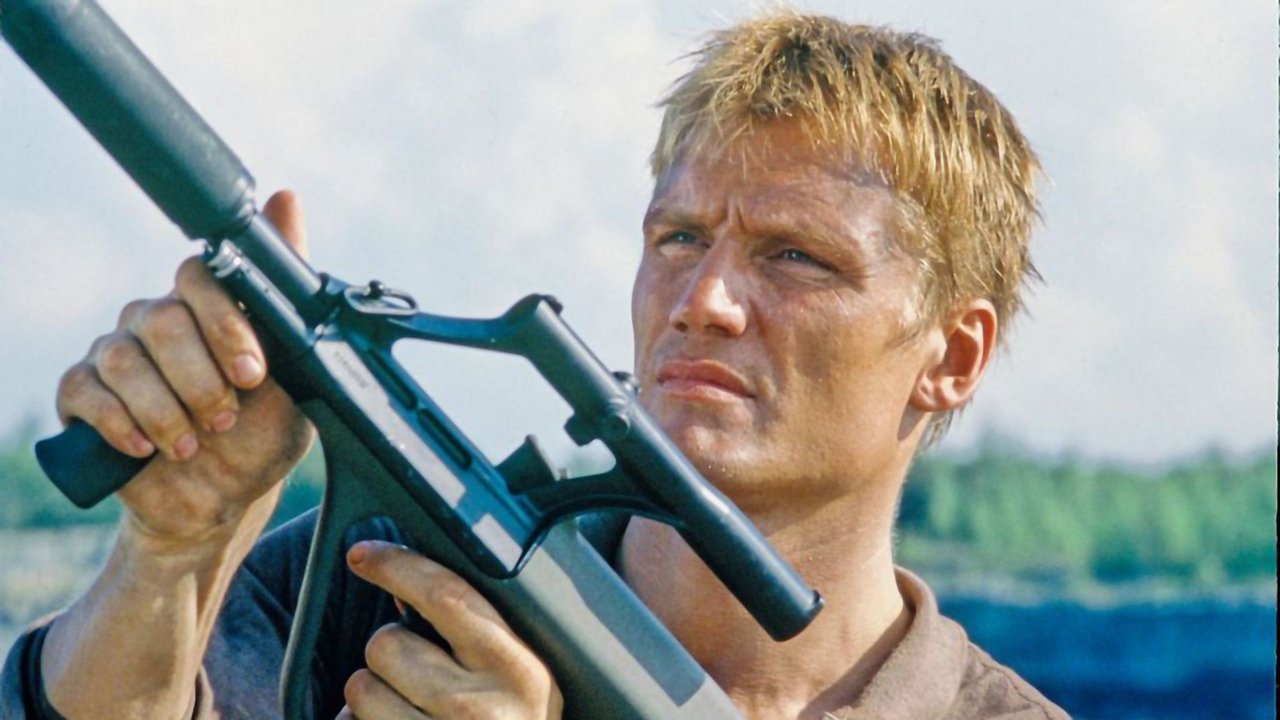
The plot itself is deliberately minimalist. Much of the runtime focuses on the tense dynamic between Waxman and Clegg. They wait, they watch, they talk – circling each other, unsure of loyalties, haunted by the past and uncertain of the future. The dialogue, penned by Sergio Altieri, is sparse but effective, hinting at deeper histories and hidden motives. Lundgren delivers one of his more restrained and intriguing performances, conveying Waxman's internal conflict often through weary glances and quiet intensity rather than just brute force. It’s a reminder that beneath the action hero physique, there was always an actor capable of nuance, perhaps even tapping into the focus required by his own background (did you know he holds a Master's in Chemical Engineering?). Bellman is equally crucial, preventing Clegg from becoming a mere accessory; she's intelligent, resourceful, and carries her own burdens, making the shifting trust between the two leads genuinely engaging.
Echoes in the Emptiness
The film builds its tension slowly, punctuated by jarring moments of violence. The enemy isn't just the unseen target or the Agency handlers whispering threats over encrypted lines; it's the environment, the paranoia, and eventually, the arrival of O'Hara, the unsettlingly cheerful "Cleaner" played by Conrad Dunn. Dunn brings a wired, unpredictable energy that shatters the fragile equilibrium Waxman and Clegg have established. The score, composed by Stefano Mainetti, further enhances the dread, employing electronic pulses and ambient soundscapes that underscore the isolation rather than telegraphing cheap jump scares.
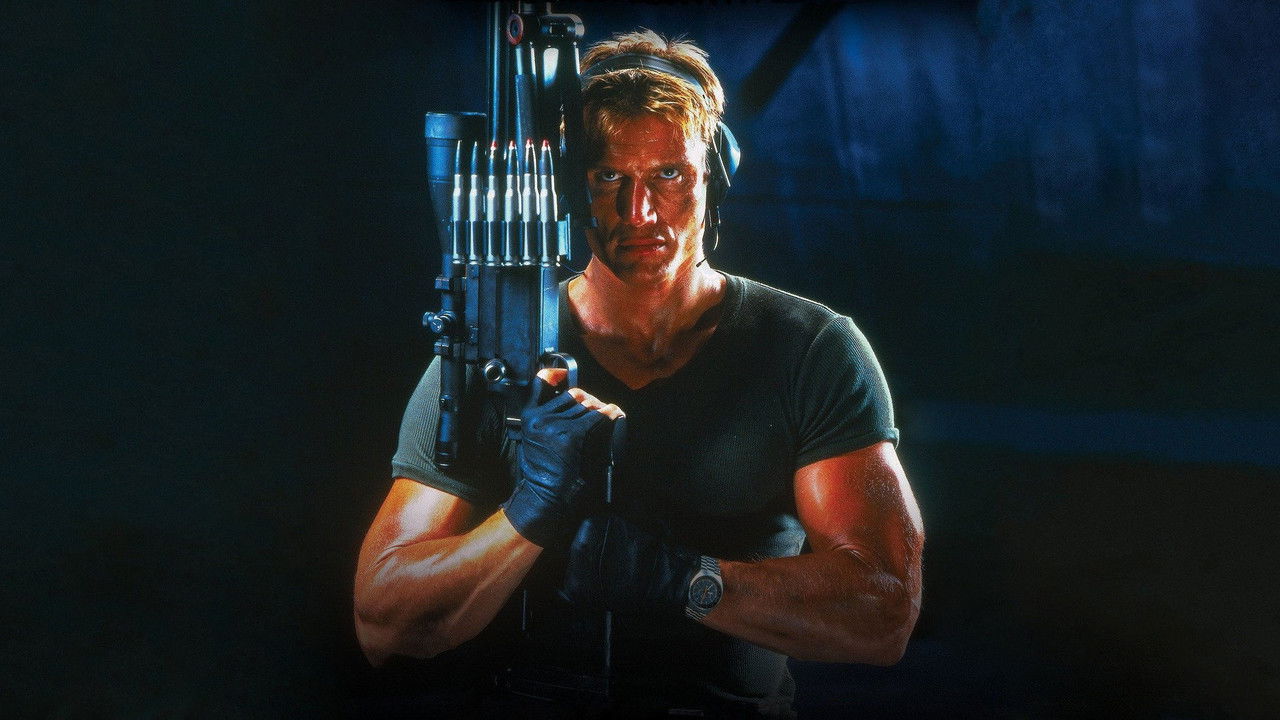
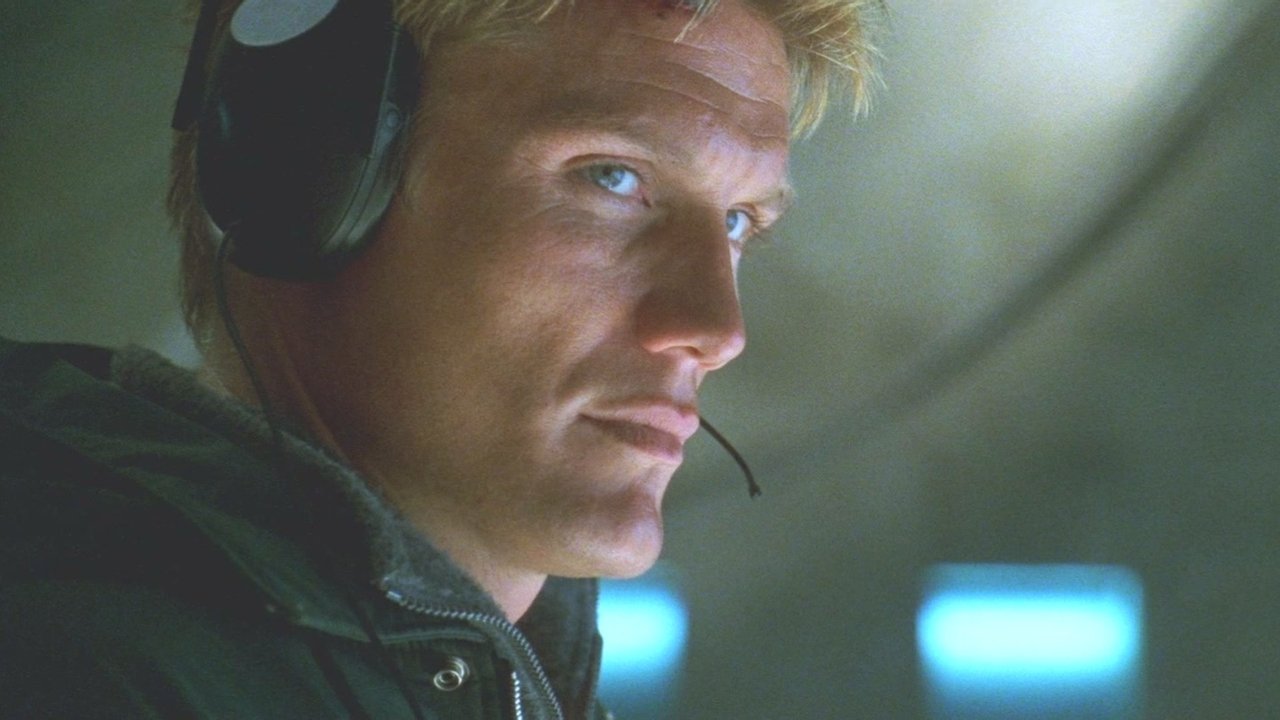
It’s fascinating how Silent Trigger uses its estimated $8 million budget (a respectable sum for the mid-90s indie/DTV scene, but still requiring efficiency). Instead of pouring resources into constant, large-scale set pieces, the filmmakers focused on atmosphere and suspense. The centerpiece sniper rifle, a complex piece of fictional hardware, feels suitably menacing. The climax, when it arrives, feels earned, a brutal release of the pent-up tension within the stark, unforgiving confines of the tower. Did that final confrontation feel suitably gritty and desperate back in the day, watching it on a flickering CRT? It certainly trades spectacle for a more grounded, nerve-wracking intensity.
Final Verdict
Silent Trigger isn't a perfect film. The pacing might test viewers accustomed to more frantic action, and some plot mechanics feel a touch contrived under scrutiny. However, its commitment to atmosphere, its stylish direction, and the strong central performances make it a standout example of the more ambitious thrillers lurking on the VHS shelves of the mid-90s. It dared to be moodier, more character-focused, and visually distinct. It’s the kind of film you might have rented on a whim, expecting straightforward action, but found yourself drawn into its cold, concrete heart and the chilling psychological tension.
Rating: 7/10
Why this score? Silent Trigger earns points for its exceptional atmosphere, Russell Mulcahy’s stylish direction leveraging the unique location, and compelling, restrained performances from Lundgren and Bellman. It successfully builds suspense and dread within its minimalist framework. It loses points for occasionally slow pacing and some familiar thriller tropes, but its strengths significantly outweigh its weaknesses, making it a genuinely underrated gem from the era.
For those who remember the distinct feel of popping a less-hyped thriller into the VCR late at night, Silent Trigger remains a potent dose of 90s atmospheric dread, a chilling reminder that sometimes the most terrifying threats are the ones waiting patiently in the shadows of an unfinished world. It’s a sniper film less about the shot, and more about the chilling weight of the silence before the trigger is pulled.