It often happened in the flickering fluorescent light of the video store aisle, didn't it? Scanning past familiar action heroes and lurid horror covers, your hand might pause on a box that felt… different. The title alone – The Simple-Minded Murderer (Swedish: Den enfaldige mördaren) – promises something far removed from the escapism often sought on a Friday night rental run. This 1982 Swedish film, directed by Hans Alfredson, wasn't likely displayed near the new releases; it felt more like a discovery, a hushed secret tucked away in the drama or foreign film section, waiting for a viewer ready to confront something raw and unsettlingly human.
A Bleak Landscape, Inside and Out
Set against the stark, often beautiful backdrop of rural 1930s Sweden (Skåne, specifically), the film introduces us to Sven (Stellan Skarsgård), a young man burdened by a cleft lip and palate and unfairly branded "idiot" by the community. He endures relentless torment working for the cruel and exploitative factory owner John Höglund, a man who embodies petty tyranny with chilling conviction. Höglund isn't just a mean boss; he's a vortex of casual sadism, finding pleasure in humiliating Sven, a dynamic made all the more disturbing by the fact that Höglund is played by the film's writer and director, Hans Alfredson. Knowing Alfredson was primarily celebrated in Sweden as a comedian and writer (one half of the beloved duo Hasse & Tage) adds a profoundly unsettling layer to his performance here; it's a terrifyingly effective portrayal of banal evil, stripped bare of any comedic facade. There's even a portrait of Hitler visible in Höglund's office, subtly grounding his personal cruelty within the rising tide of fascism in the era, a chilling reminder of how authoritarianism festers even in seemingly isolated corners.
The Birth of a Star
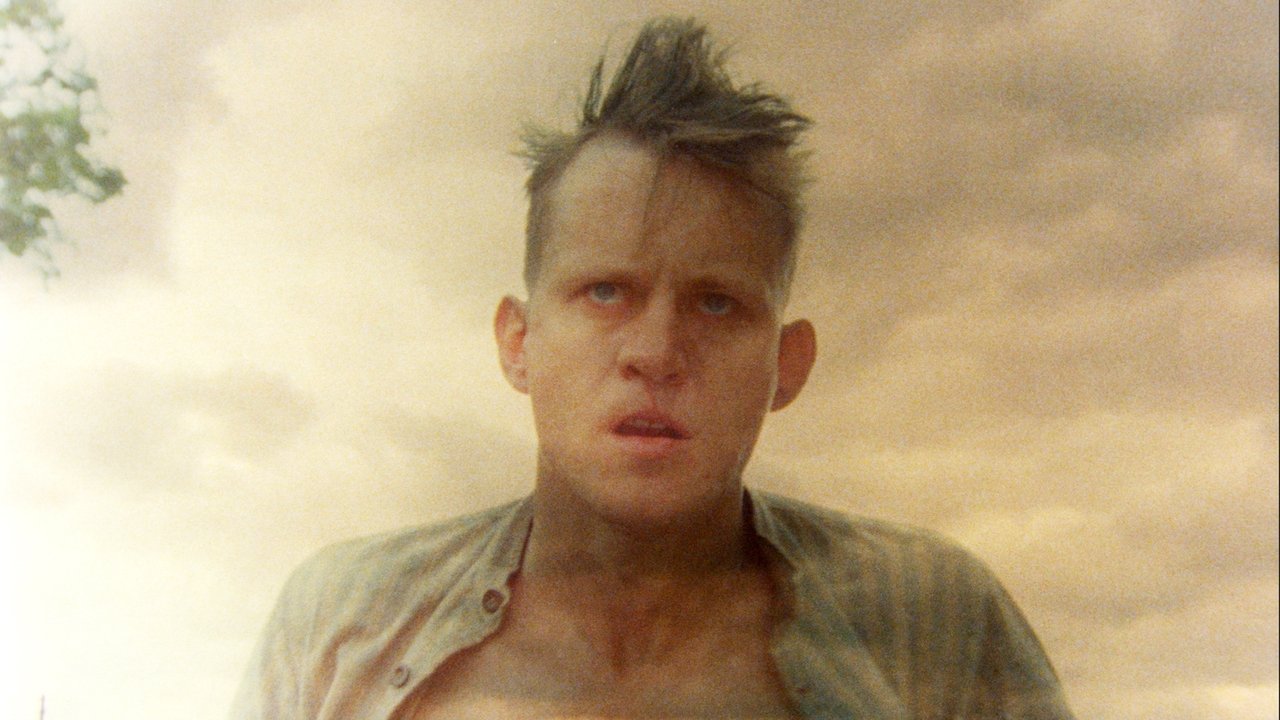
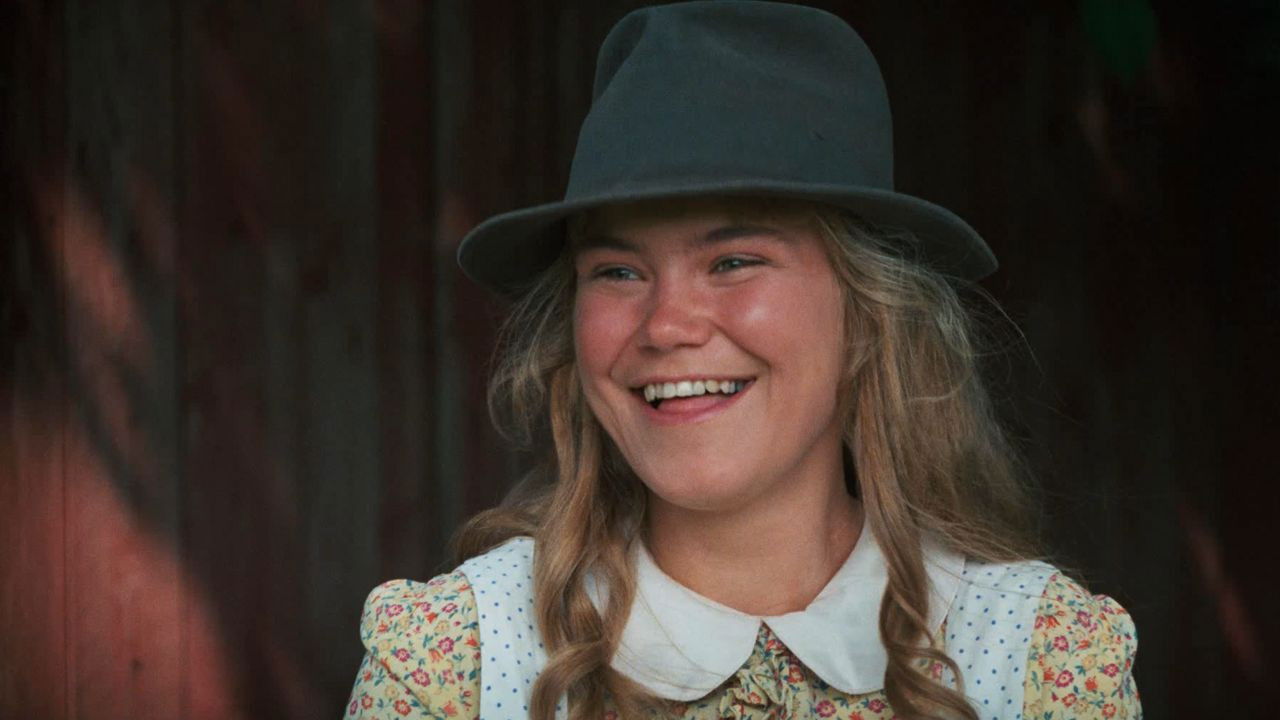
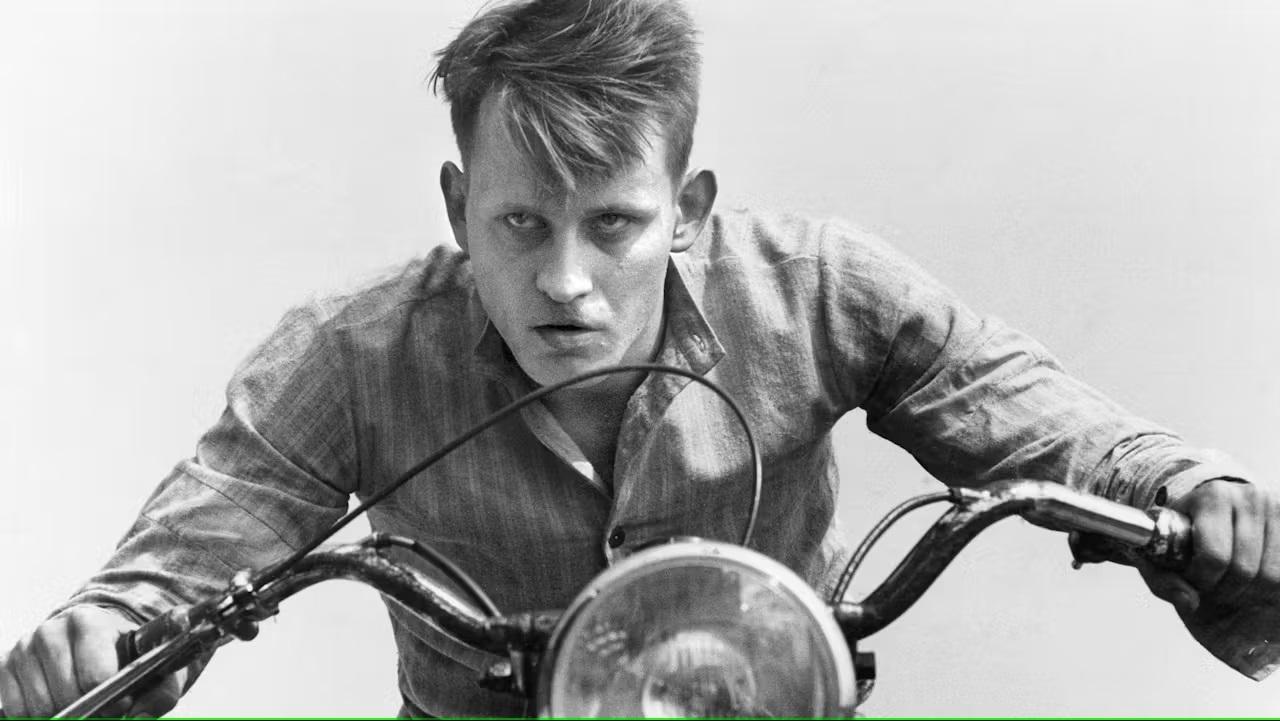
What truly elevates The Simple-Minded Murderer beyond a mere grim portrait of suffering is the central performance by Stellan Skarsgård. This was a role that announced his arrival as a major talent, earning him the Silver Bear for Best Actor at the Berlin International Film Festival. Long before his commanding presence graced Hollywood blockbusters like Good Will Hunting (1997) or the Marvel Cinematic Universe, Skarsgård delivered a performance of breathtaking vulnerability and contained power. Through the carefully applied prosthetic altering his speech and appearance, but more so through his expressive eyes and physicality, he conveys Sven's inner world – his pain, his confusion, his moments of simple joy, and the slow simmering of righteous anger. It's a portrayal devoid of caricature; Sven may be perceived as "simple," but Skarsgård imbues him with a profound depth of feeling and an inherent dignity that his tormentors refuse to see. We witness his burgeoning connection with Anna (Maria Johansson), a kind, wheelchair-bound woman who offers him understanding and affection, brief moments of light in an overwhelmingly oppressive world.
Navigating Cruelty and Grace
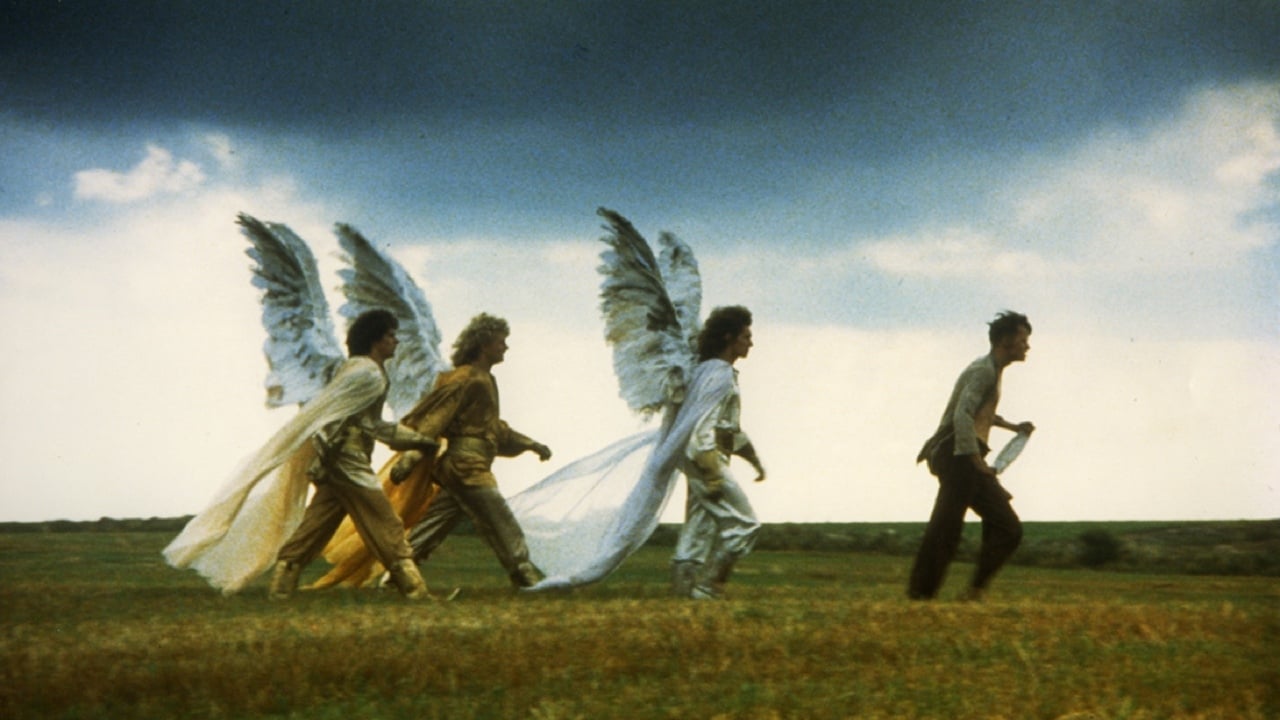
Alfredson's direction is unflinching. He doesn't shy away from the brutality Sven endures, forcing the viewer to bear witness. Yet, the film isn't solely an exercise in misery. There's a strange, almost fable-like quality woven through the narrative, particularly with the recurring motif of three ethereal "angels" who occasionally appear to Sven. Are they figments of his stressed imagination, genuine divine messengers, or something else entirely? The film leaves this ambiguous, adding a layer of poetic resonance that prevents the story from becoming purely naturalistic despair. It suggests a spiritual dimension, a yearning for justice or grace that transcends the harsh realities of Sven's life. The cinematography captures this duality, contrasting the bleakness of Sven's toil with moments of lyrical beauty in the Swedish landscape.
Finding a film like this on VHS felt significant. It demanded more patience, more emotional investment than the average rental. I recall the distinct feeling, even back then, that this wasn't just entertainment; it was cinema. It was the kind of film discussed in hushed tones, its power lingering long after the tape clicked off and the static snow filled the CRT screen. It wasn't easily available; finding a copy often meant seeking out those larger rental palaces with deeper foreign film catalogues, making the discovery feel even more earned.
The Weight of the Title
The title itself hangs heavy over the proceedings. Is Sven truly "simple-minded," or is that merely the label imposed upon him by a cruel society? And when pushed beyond endurance, is his ultimate act truly murder, or something closer to a desperate reclaiming of agency, a tragic culmination of abuse? The film doesn't offer easy answers. It presents Sven's journey with empathy but without excusing the violence. It forces us to confront uncomfortable questions about culpability, societal neglect, and the breaking point of the human spirit. What does it take for innocence, however perceived, to be pushed towards darkness? Doesn't the weight of relentless cruelty bear its own responsibility?
This isn't a comfortable watch, even decades later. Its power lies in its stark honesty, its refusal to sentimentalize poverty or disability, and most profoundly, in Skarsgård’s unforgettable performance. It’s a film that burrows under your skin.
Rating: 9/10
The score reflects the film's artistic merit, its thematic depth, and the sheer force of Stellan Skarsgård's early career-defining performance. It’s a challenging, unflinching piece of cinema that avoids easy moralizing. While its bleakness makes it a difficult film to revisit casually, its impact is undeniable and justifies its high standing. It loses a point only for the sheer emotional toll it takes, making it less accessible for repeated viewing than some other classics.
The Simple-Minded Murderer remains a potent reminder of the kind of powerful, character-driven dramas that sometimes found their way onto video store shelves, offering a stark contrast to the prevailing trends. It leaves you contemplating the nature of cruelty, the resilience of the human spirit, and the haunting ambiguity of justice sought in the darkest of circumstances.